
The science behind the claims your feed keeps repeating
Ingredient deep-dives, interaction guides, routine blueprints, and myth checks for the products TikTok keeps putting in your cart.
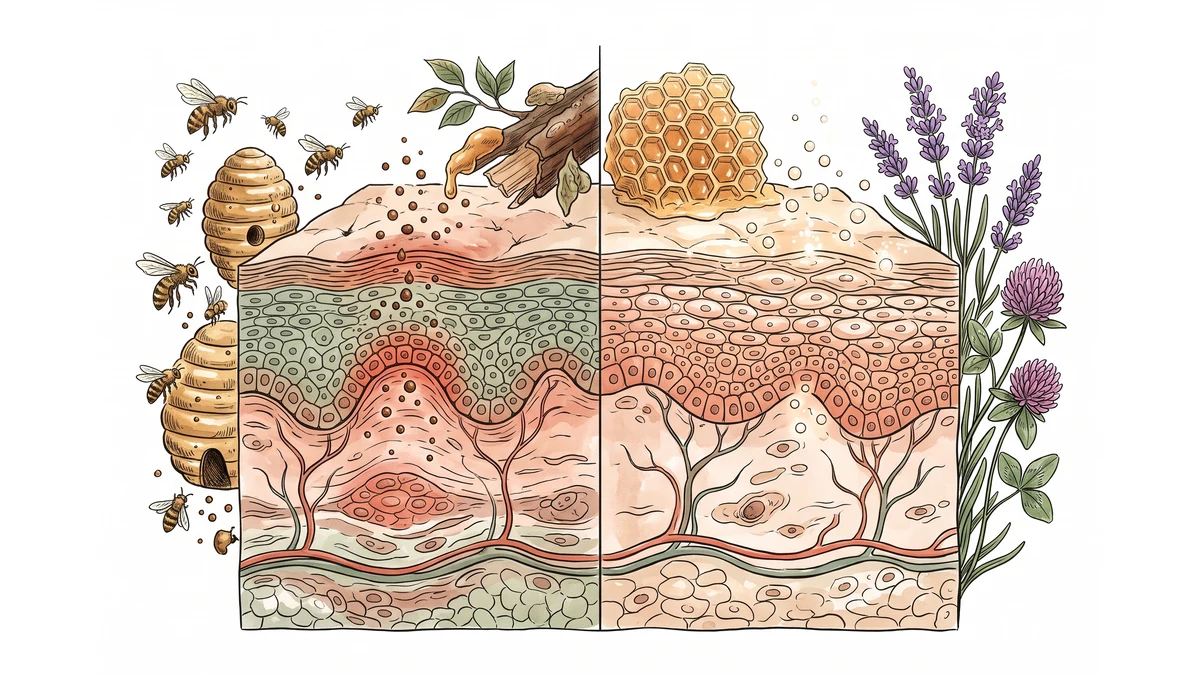
Propolis vs Honey in K-Beauty: Which Ferment Actually Soothes Better
Propolis and honey both get sold as soothing hero ingredients. The research on redness, barrier repair, and acne points to one clear winner.
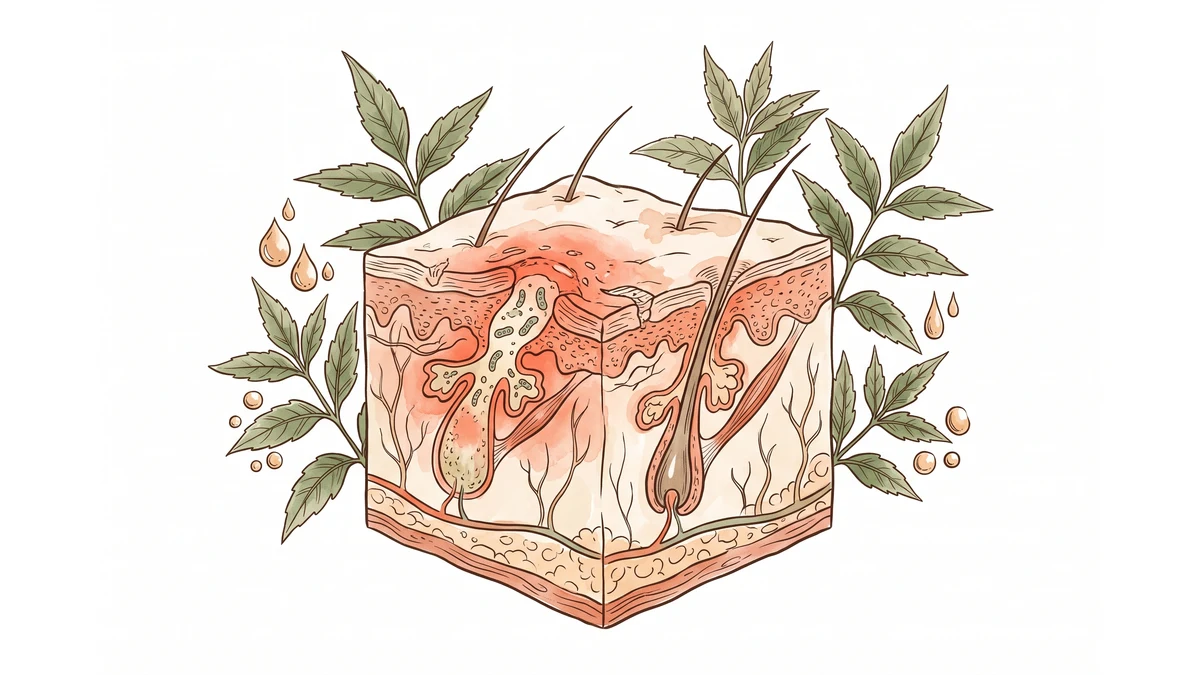
Neem Oil in K-Beauty: Acne Fighter or Skin Irritant?
Neem oil's acne-fighting reputation runs ahead of the evidence. Here's what the research actually shows about its benefits, risks, and better K-beauty alternatives.

Why Your Moisturizer Feels Sticky: Humectant Overload and How to Fix It
Sticky moisturizer? It's not a bad product. It's humectant overload. Here's the mechanism and the fix for your K-beauty routine.
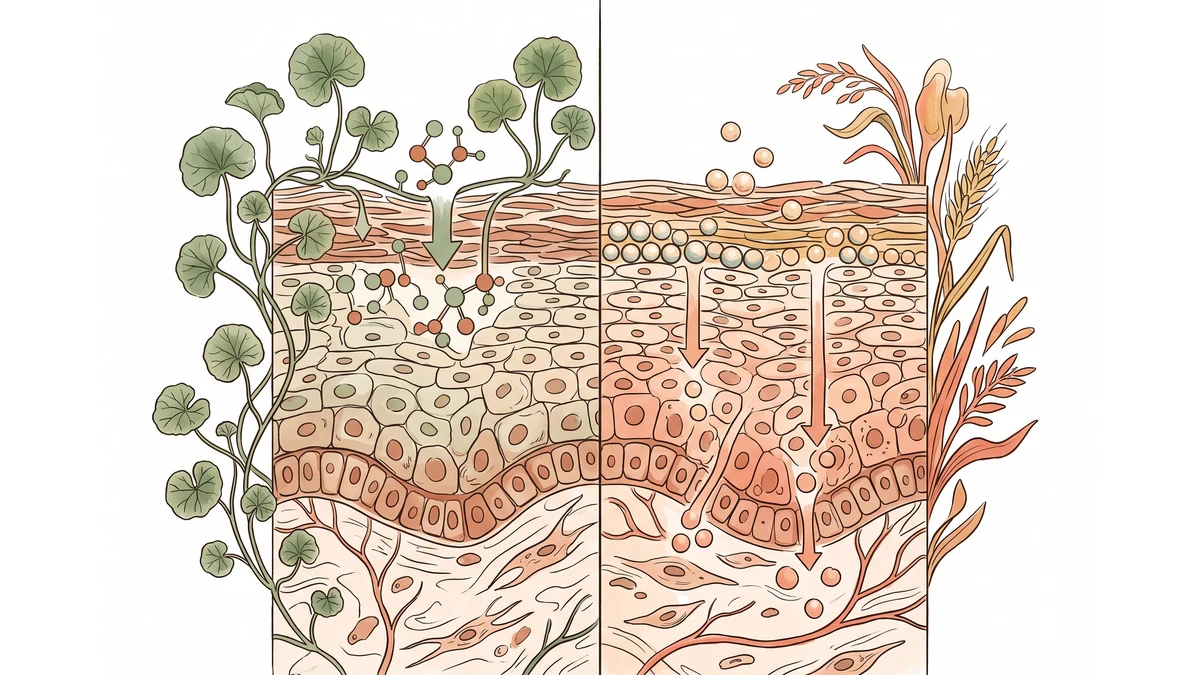
Soonjung vs Purito: Comparing Korean Barrier Creams Side-by-Side
Soonjung and Purito both claim barrier repair, but the formulas work differently. Here's how to pick based on your skin's actual signals.
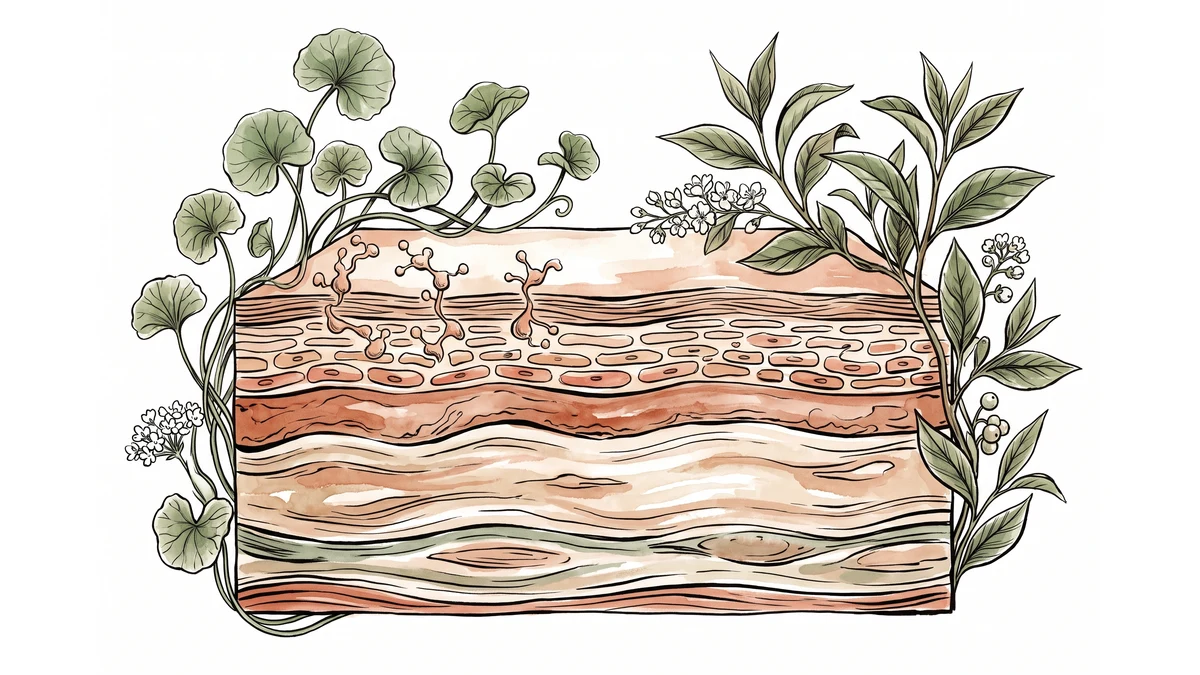
Panthenol + Niacinamide: A Barrier-Repair Pairing That Actually Works
Panthenol and niacinamide are the quietest barrier-repair duo in K-beauty. Here's what the evidence shows and how to layer them without wasting steps.
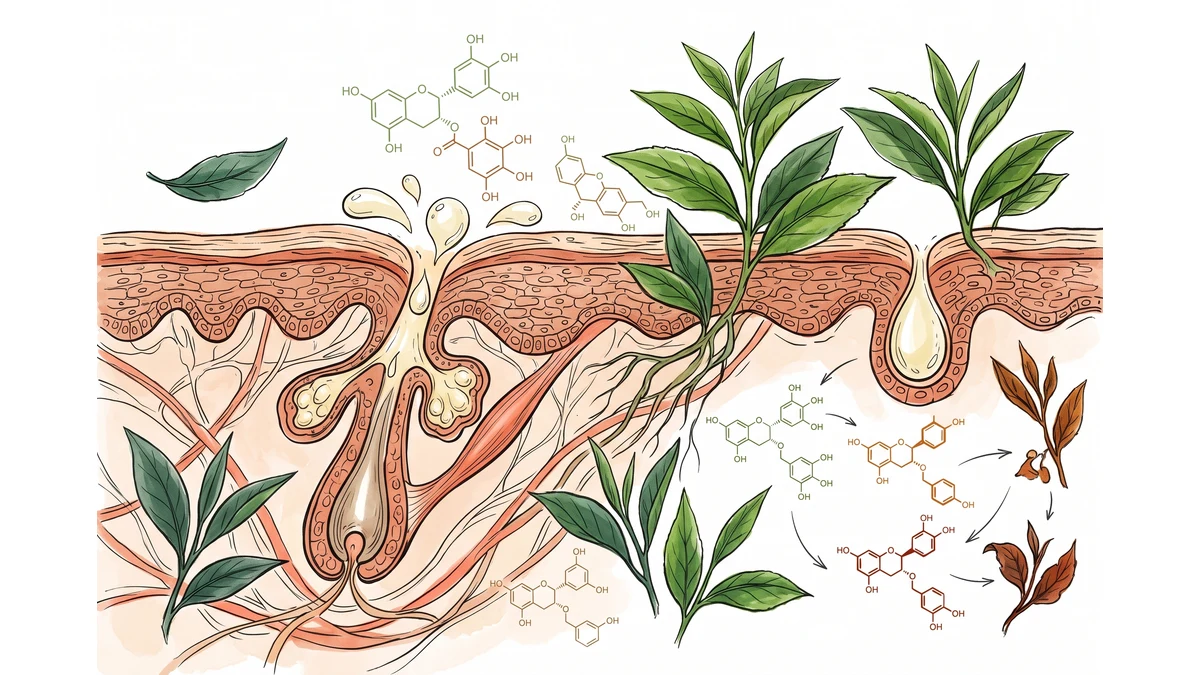
Does Green Tea Extract Really Prevent Sebum Oxidation?
Green tea extract is sold as a sebum oxidation fix. Here's what the EGCG research actually shows, and where the claim quietly falls apart on your face.
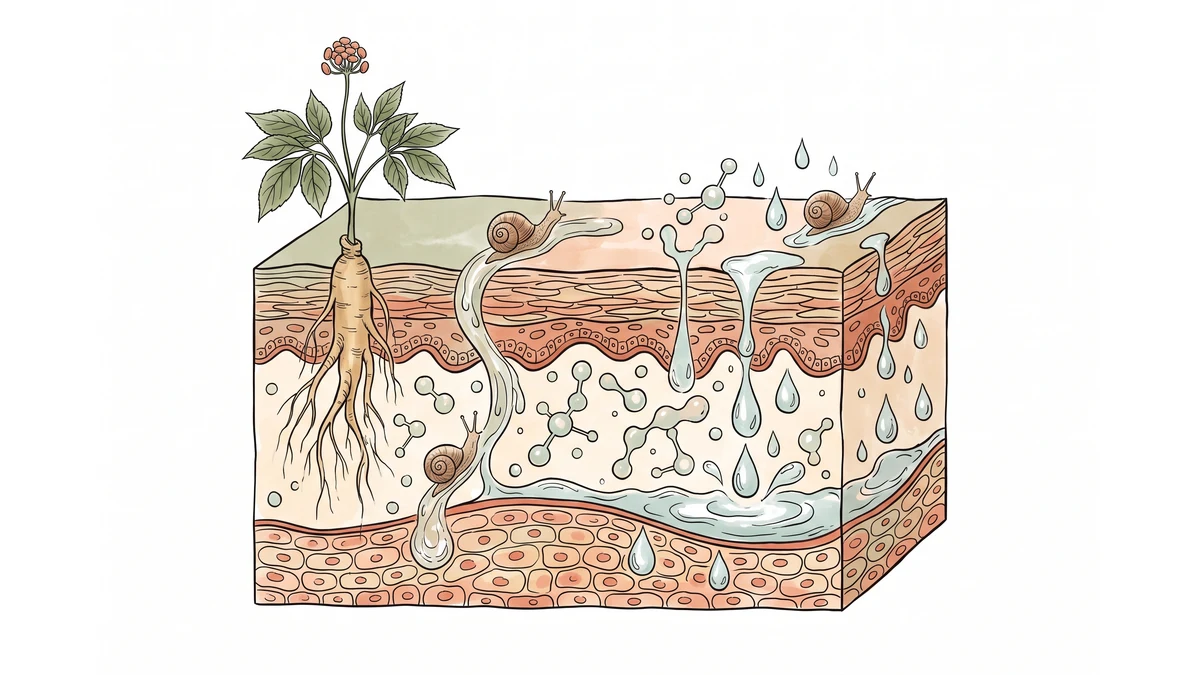
K-Beauty Night Routine Without Actives: A Hydration-First Approach
Skip the actives at night and build a hydration-first K-beauty routine. Here's what your skin actually does while you sleep and how to work with it.
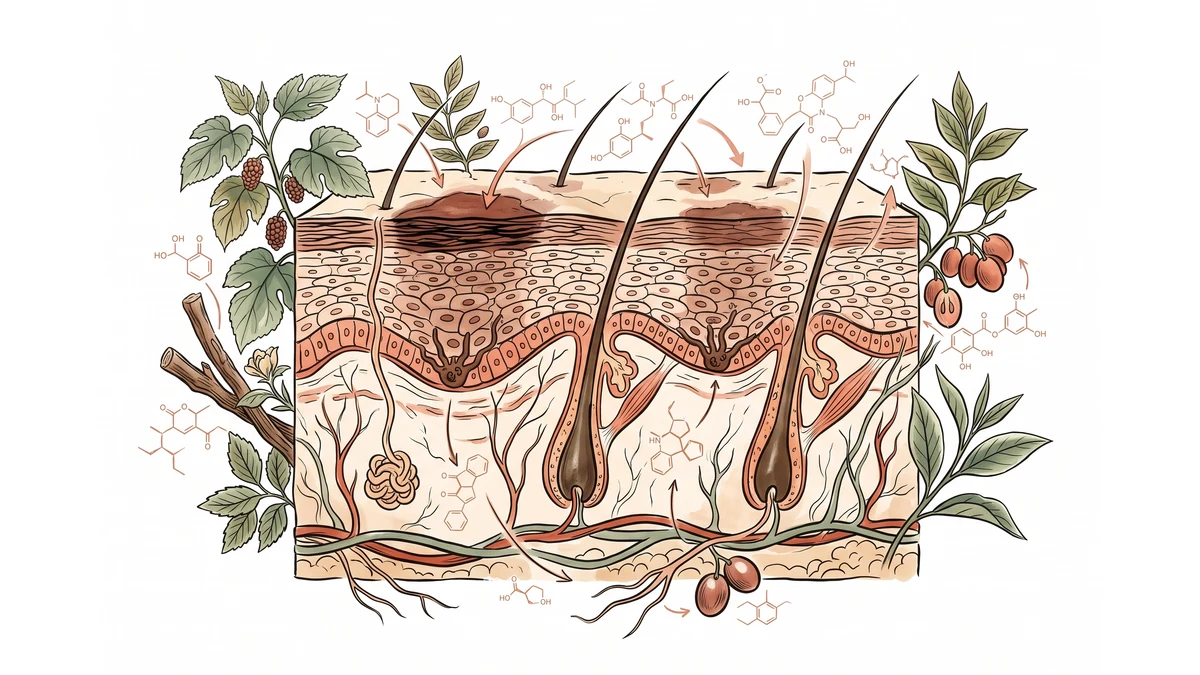
Tranexamic Acid for Melasma: What the Research Actually Shows
Tranexamic acid is trending for melasma, but topical and oral forms work differently. Here's what the clinical evidence actually supports.
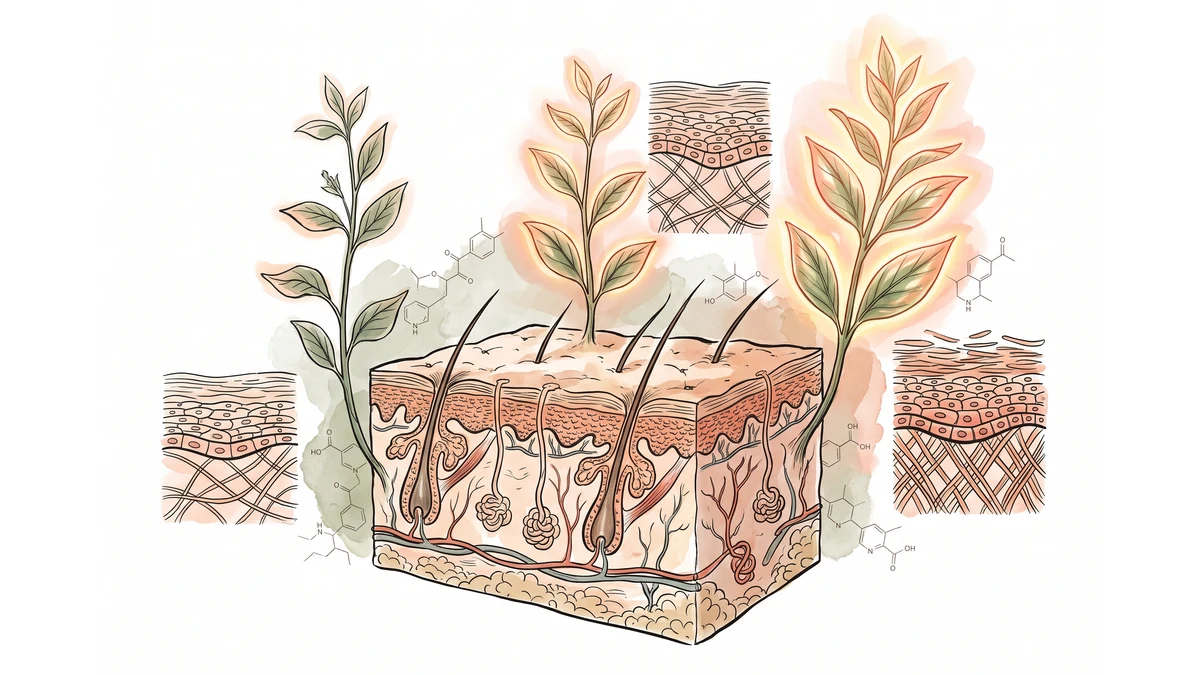
Retinyl Palmitate vs Retinol vs Retinaldehyde: Strength Actually Matters
Not all retinoids are equal. Here's how retinyl palmitate, retinol, and retinaldehyde actually compare in potency, and what that means for your results.
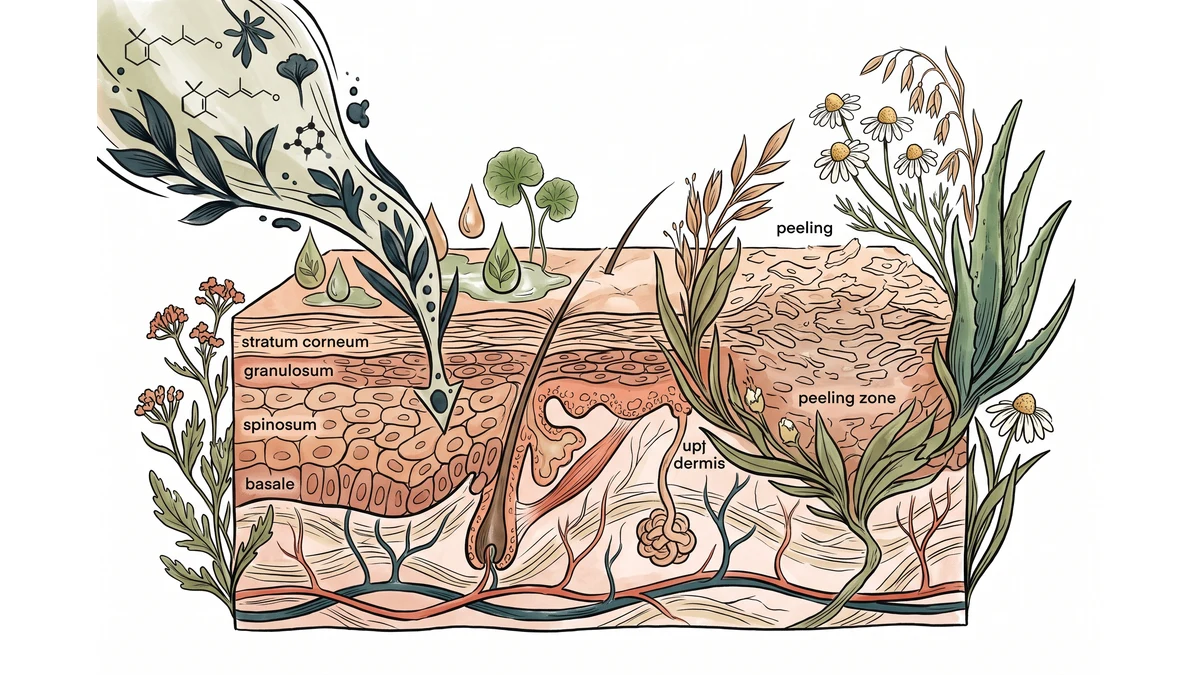
Essence Layering During Tretinoin: Order and Tolerance Tips
Layering essence with tretinoin can calm the peeling, but only if you get the order and formulas right. Here's what actually works.
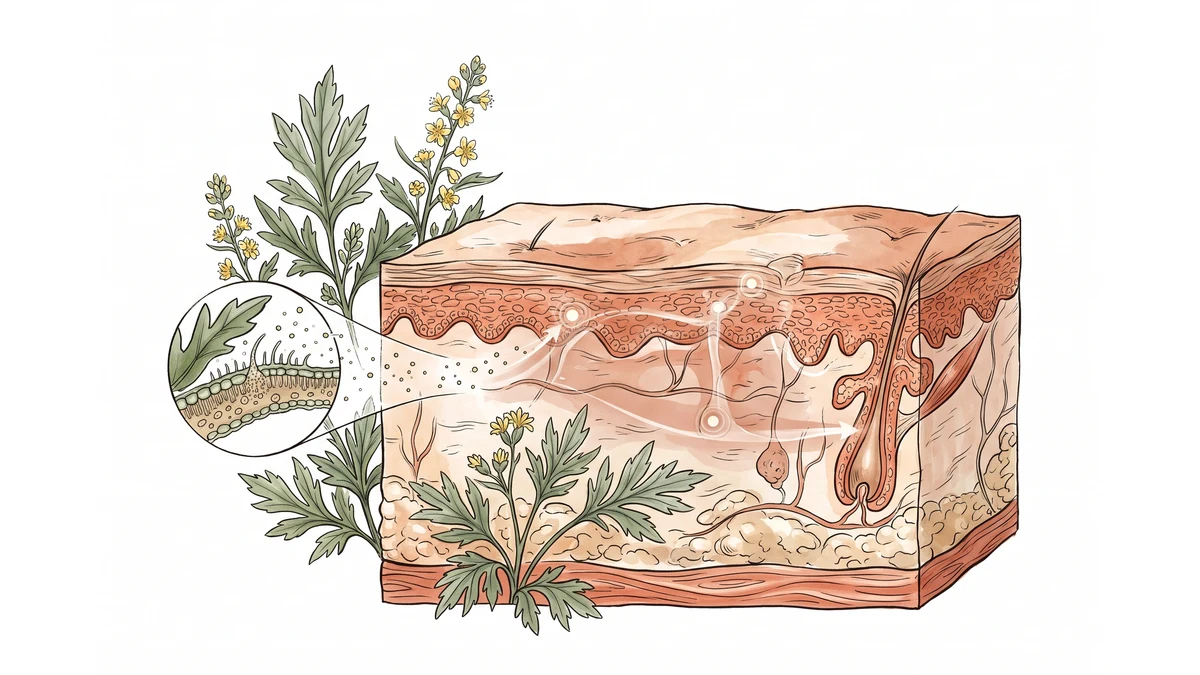
Mugwort in K-Beauty: Soothing Herb or Fragrant Filler?
Mugwort (artemisia) is marketed as a skin-calming powerhouse. Here's what the evidence actually shows about its anti-inflammatory and antioxidant effects.
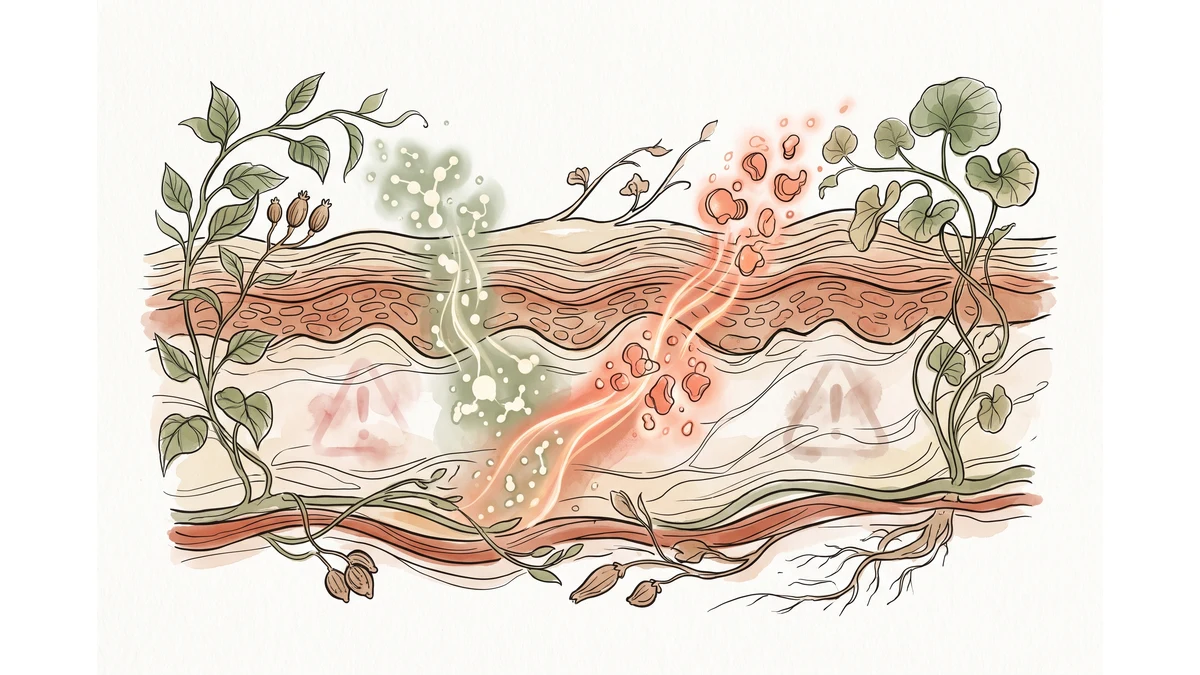
Mixing Azelaic Acid With Korean Actives: What Actually Plays Well Together
Azelaic acid pairs well with most K-beauty actives, but a few combinations waste the ingredient or trigger irritation. Here's what works, in plain English.
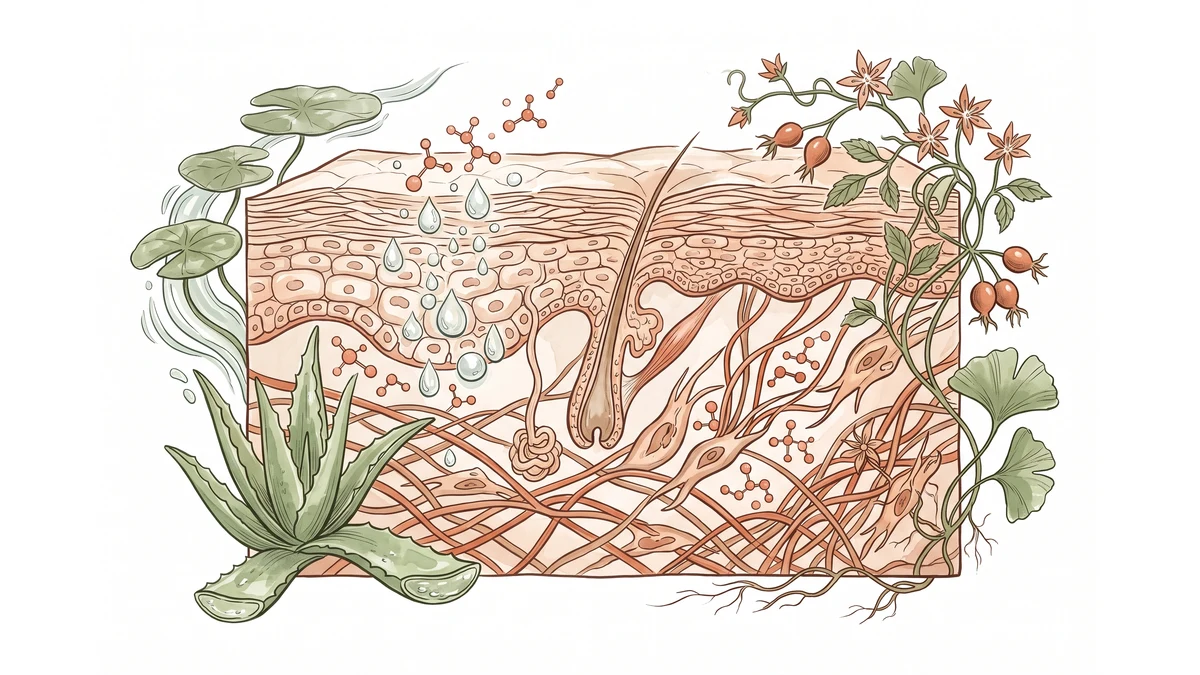
Does Adenosine Really Plump Skin or Just Feel Hydrating?
Adenosine is marketed as an anti-wrinkle plumper, but the evidence is narrower than the claims. Here's what the studies actually show.

K-Beauty for Hormonal Acne: A Routine That Works Without Prescriptions
Hormonal acne needs barrier repair and gentle actives, not aggressive stripping. Here's a K-beauty routine that calms breakouts without prescription retinoids.

Squalane vs Plant Oils: Which Actually Hydrates Without Clogging
Squalane and plant oils get lumped together as 'facial oils,' but only one reliably hydrates oily and acne-prone skin without clogging. Here's why.
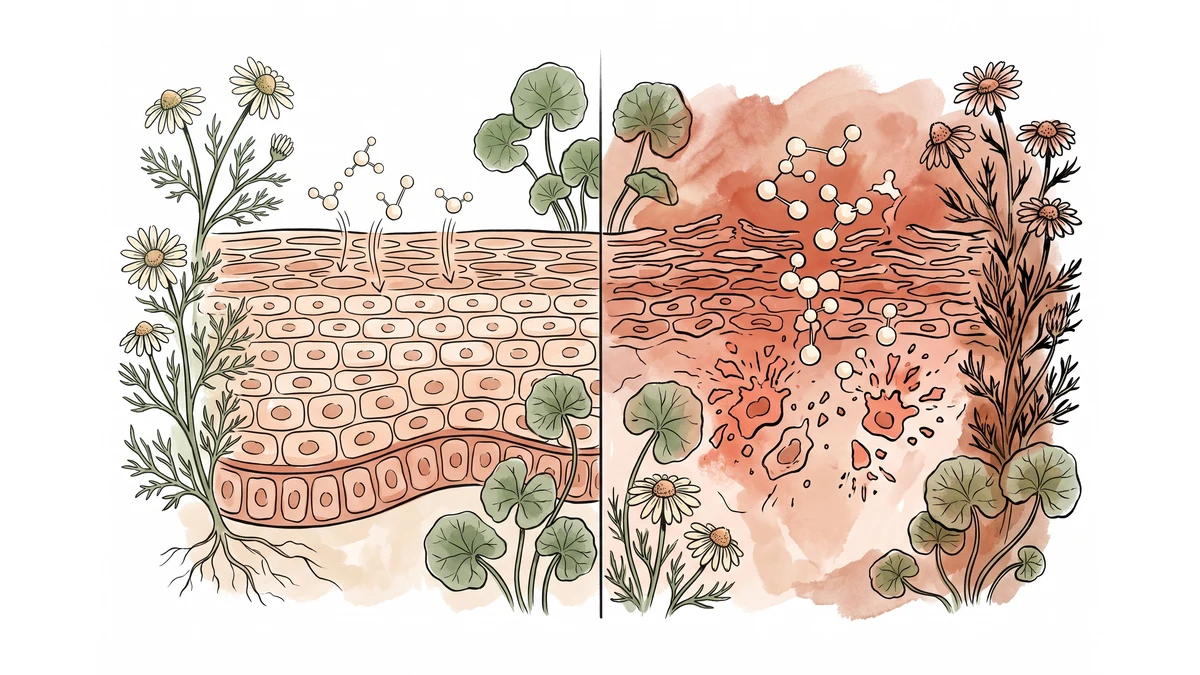
Niacinamide Sensitivity: Why Some Skin Reacts Badly to High Concentrations
Niacinamide is famously well-tolerated, but some skin flushes, stings, or breaks out at 10%+. Here's what's actually happening and how to fix it.
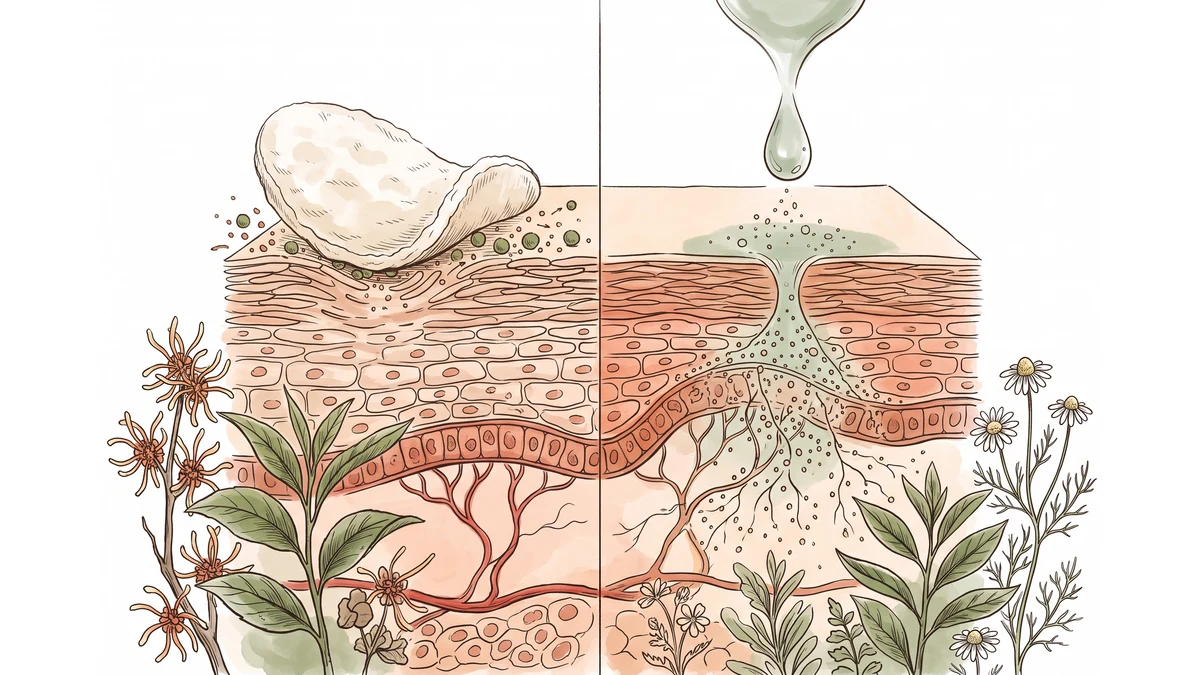
Toner Pads vs Liquid Toner: Same Ingredients, Different Results?
Toner pads and liquid toners look identical on the ingredient list, but the format changes dose, absorption, and exfoliation. Here's what actually differs.
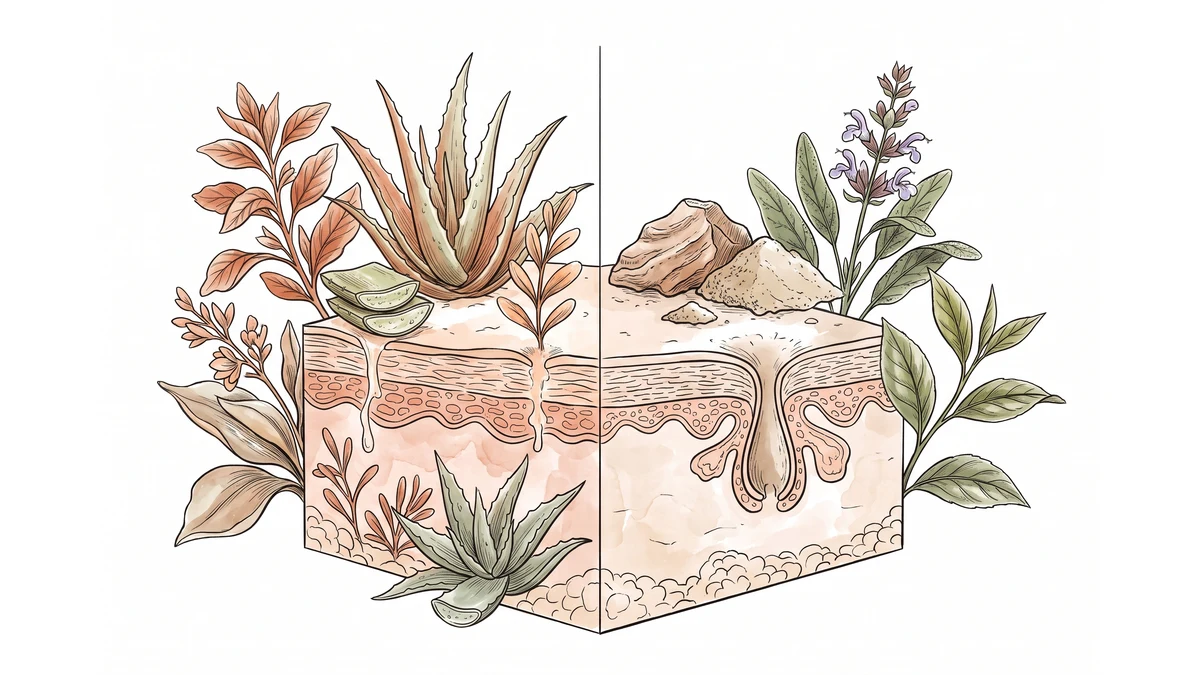
Sunscreen Under Makeup: Should You Pick Hydrating or Matte?
The hydrating vs matte sunscreen debate misses the real question. Here's how to actually pick one that wears well under your makeup, based on skin type.
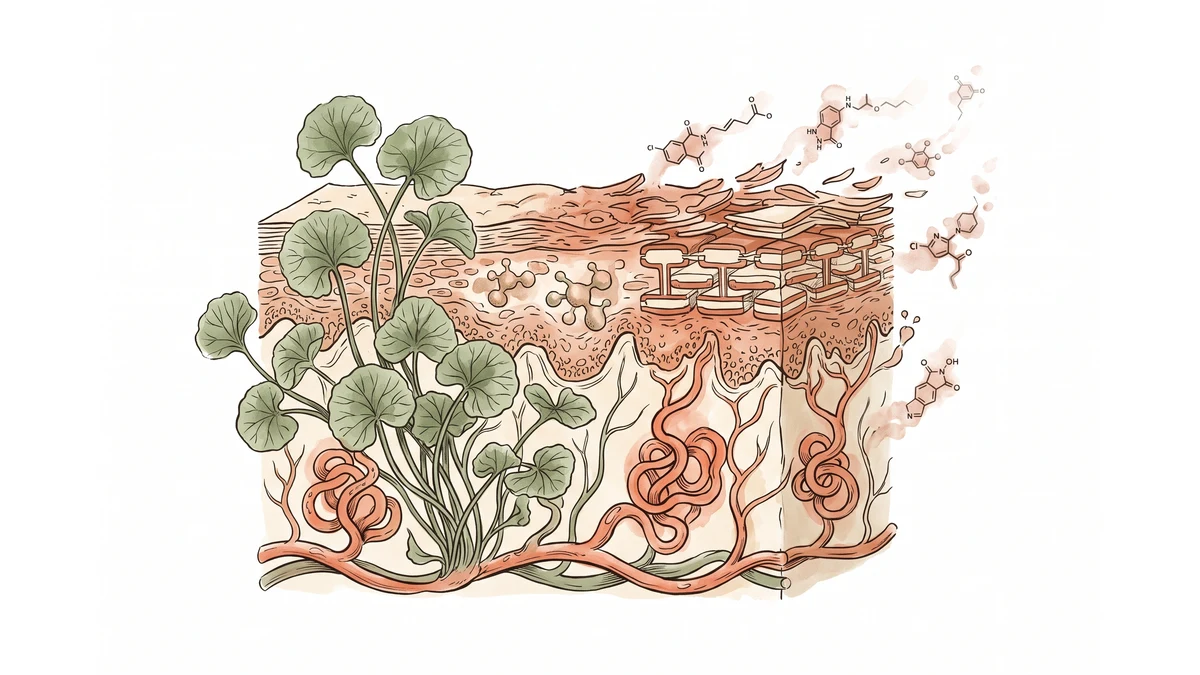
K-Beauty for Rosacea: Ingredients to Seek and Sensory Triggers to Avoid
Rosacea-safe K-beauty routines built on centella, panthenol, and ceramides. Learn which ingredients calm flushing and which sensory triggers to avoid.
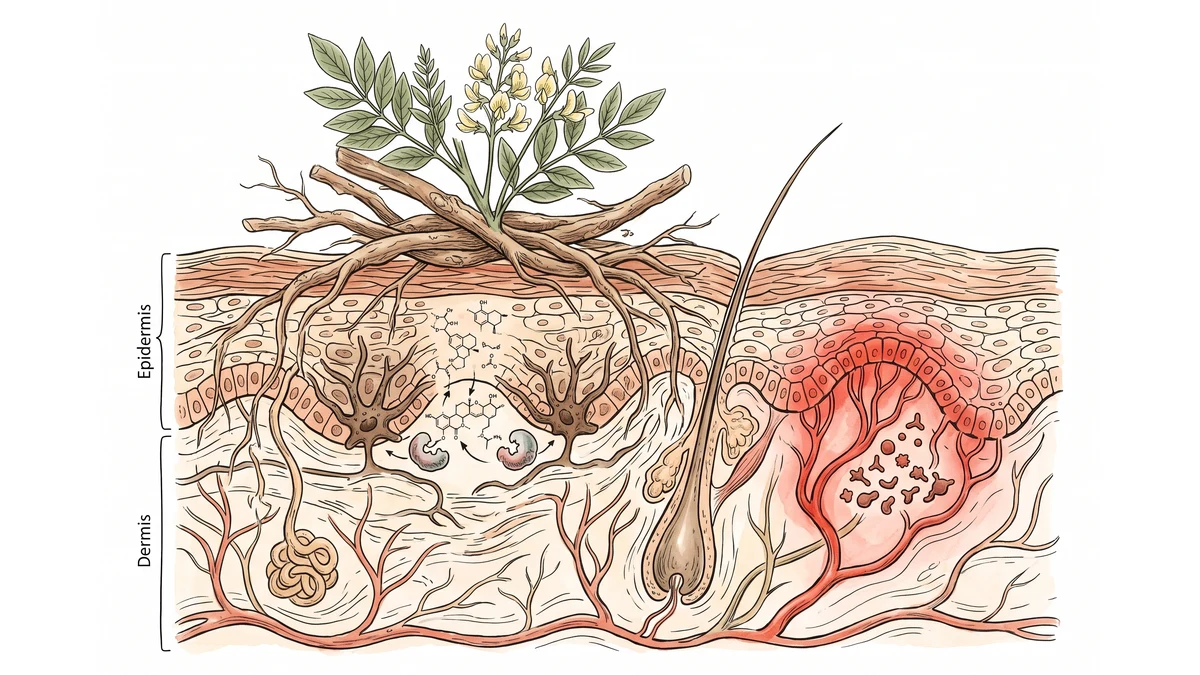
Licorice Root Extract: Soothing Ingredient or Slow Brightening Agent?
Licorice root extract calms redness fast but brightens slowly. Here's what glabridin actually does to melanin, and why patience beats hype.
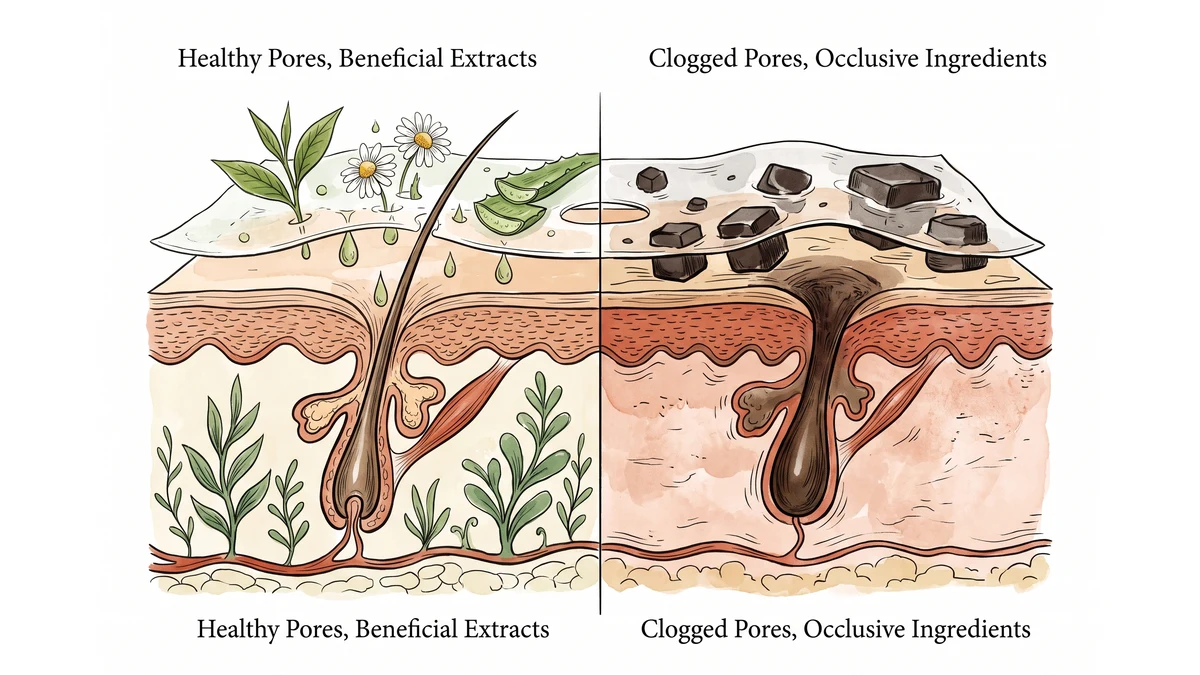
Sheet Masks for Acne-Prone Skin: When They Help and When They Clog
Sheet masks can calm acne-prone skin or trigger a breakout, depending on the essence, fabric, and timing. Here's how to tell which is which.
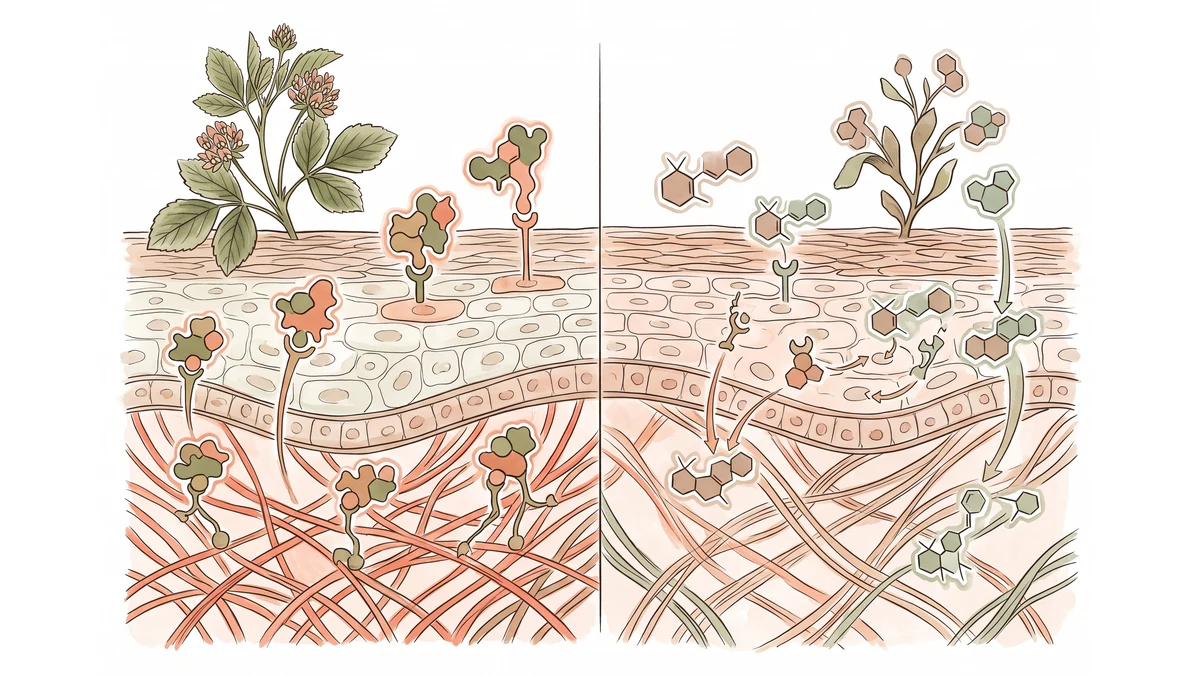
Bakuchiol as a Retinol Alternative: What the Evidence Actually Shows
Bakuchiol is marketed as a gentler retinol swap. Here's what the clinical evidence actually supports, and where the comparison quietly falls apart.

Does Essence Actually Do Anything, or Is It Just Expensive Toner?
Essence and toner sound interchangeable, but they do different jobs. Here's what essence actually delivers and when you can skip it.

Salicylic Acid + Niacinamide: Why This Pairing Matters for Congestion
Salicylic acid and niacinamide work better together than apart for congested skin. Here's the mechanism, the evidence, and how to layer them without irritation.
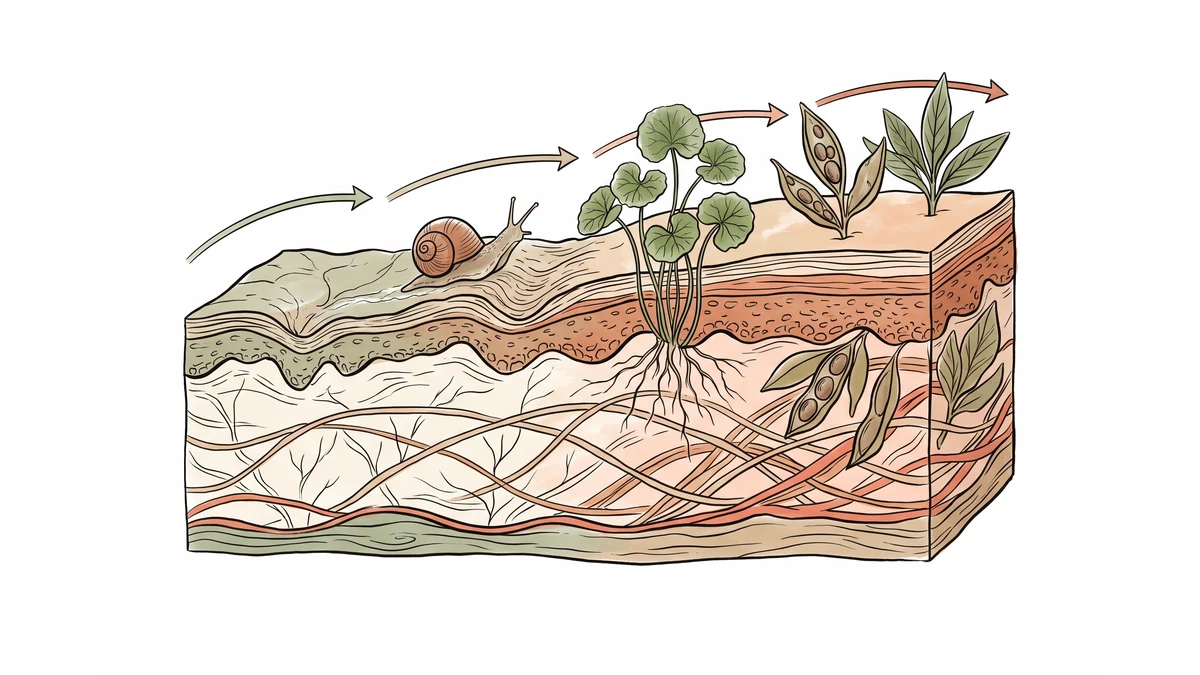
Building a Routine Around Tretinoin: When to Add Korean Steps Back In
A dermatologist prescribed tretinoin and told you to strip your routine. Here's when to add your Korean skincare steps back in, one by one.
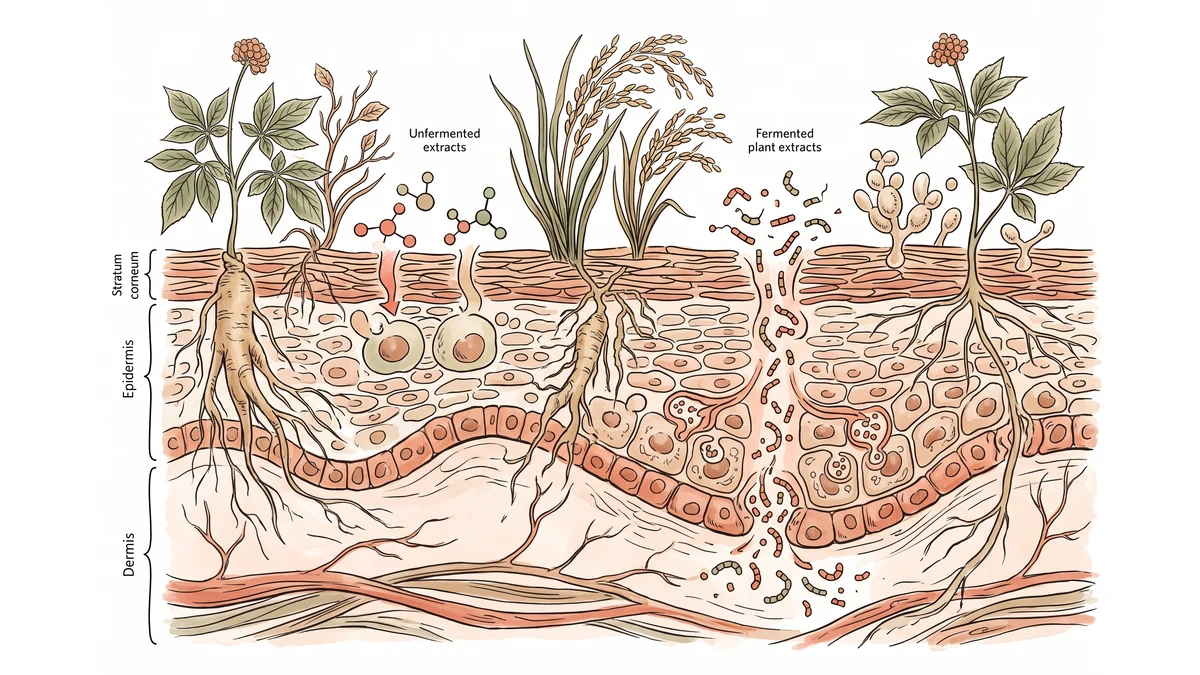
Fermented K-Beauty Ingredients: Real Bioavailability or Marketing?
Do fermented K-beauty ingredients actually absorb better? Here's what the evidence says about bioavailability, plus which claims are marketing.
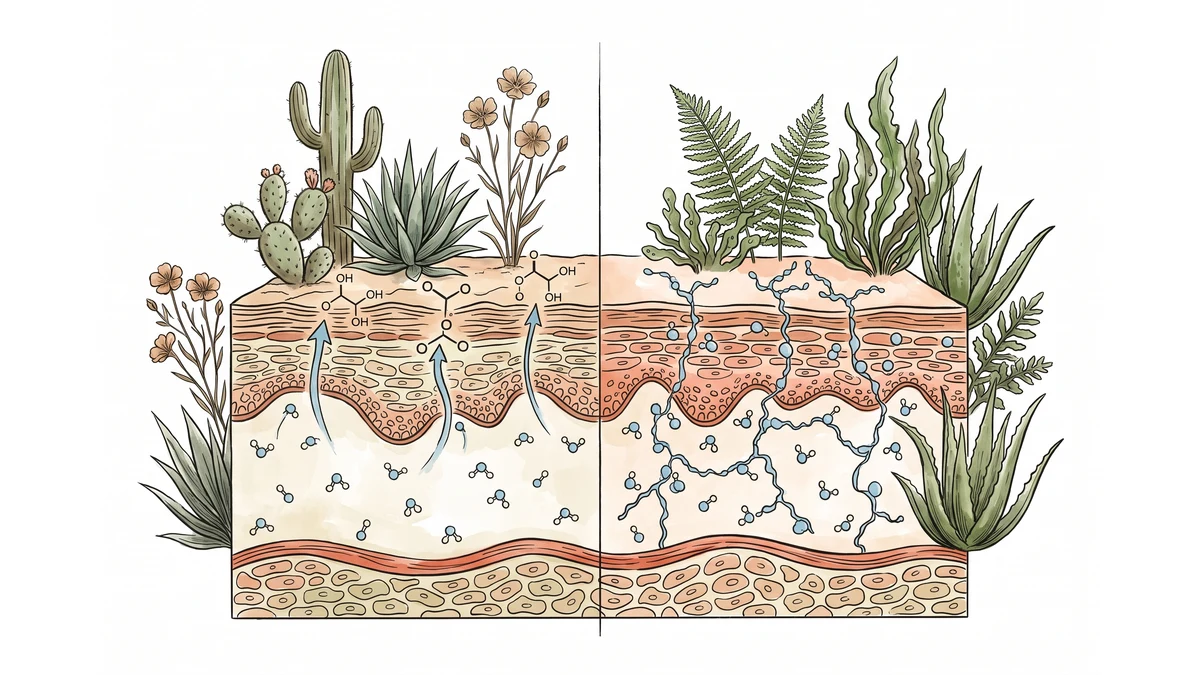
Glycerin vs Hyaluronic Acid: Which Humectant Wins for Dry Skin?
Glycerin vs hyaluronic acid for dry skin: the mechanism, the evidence, and which humectant actually holds up in low humidity.
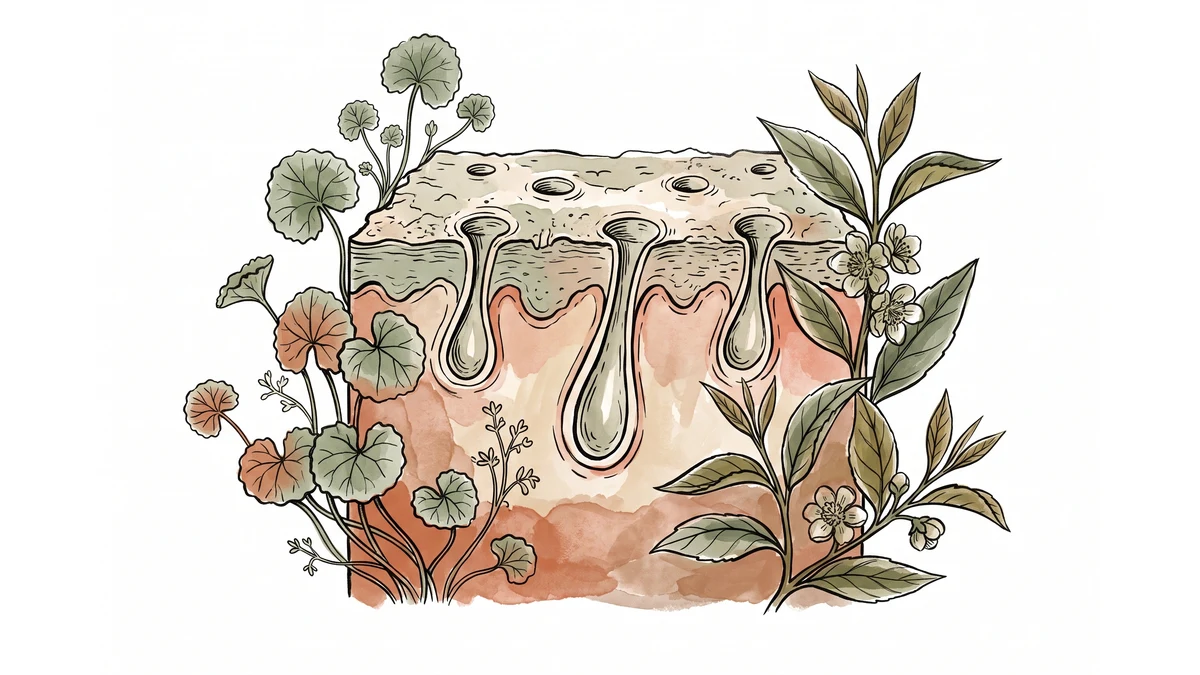
How to Pick a Ceramide Moisturizer for Acne-Prone Skin
Ceramide moisturizers can calm acne-prone skin without clogging pores. Here's how to read the label and pick one that actually fits.
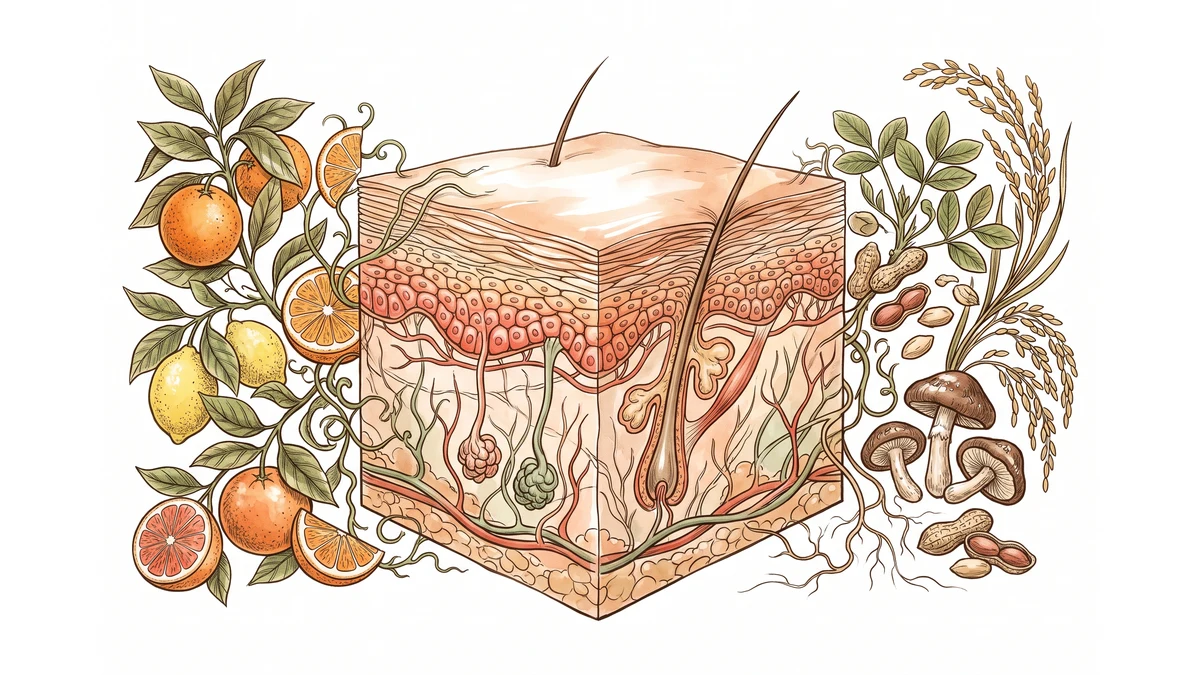
Can You Use Vitamin C and Niacinamide Together? The Myth That Won't Die
The vitamin C + niacinamide warning comes from a 1960s study on raw materials, not finished skincare. Here's what the evidence actually shows.
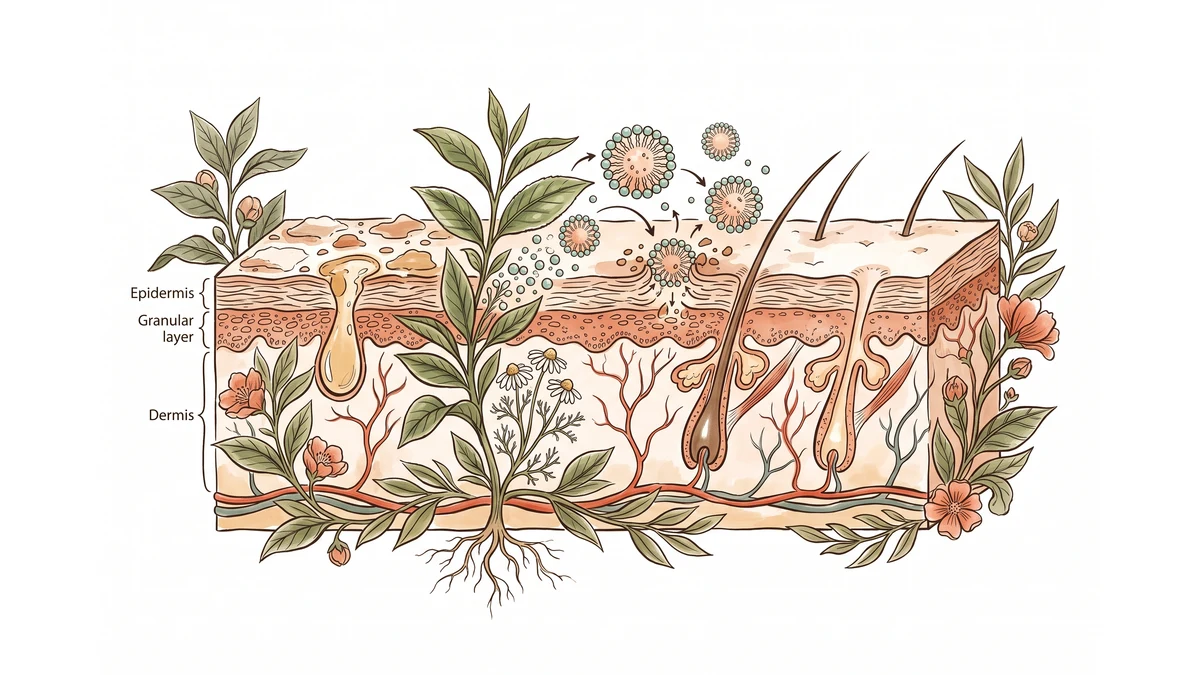
Do You Need Double Cleansing If You Wear Sunscreen?
Double cleansing and sunscreen: what the evidence actually says about whether one cleanse leaves residue that clogs pores and triggers breakouts.

Why Hyaluronic Acid Can Make Dry Skin Feel Tighter
Hyaluronic acid is sold as the ultimate hydrator, but on dry skin in dry air it often backfires. Here's the mechanism and the fix.

Peptides in Skincare: Firming Signal or Label Decoration?
Peptides promise firmer, bouncier skin, but most formulas leave out what actually matters. Here's what the evidence says and how to spot a real one.
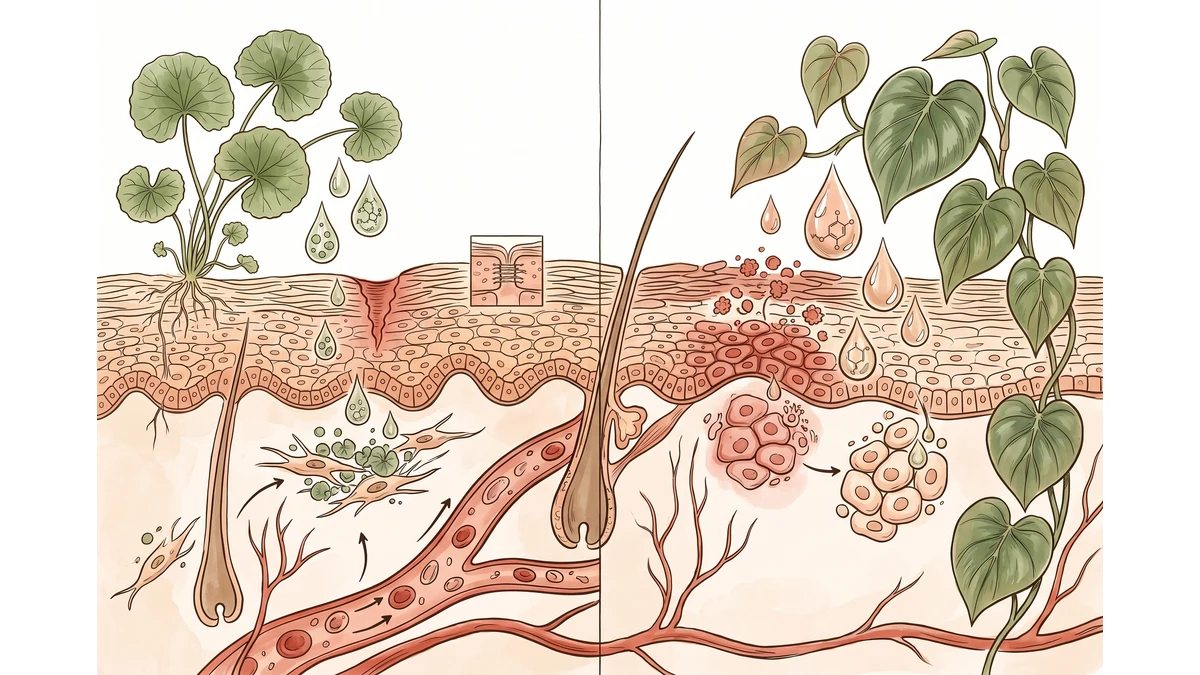
Centella vs Heartleaf: Which One Makes More Sense for Redness?
Centella and heartleaf both claim to calm redness, but they work on different pathways. Here's which one fits your skin and why.
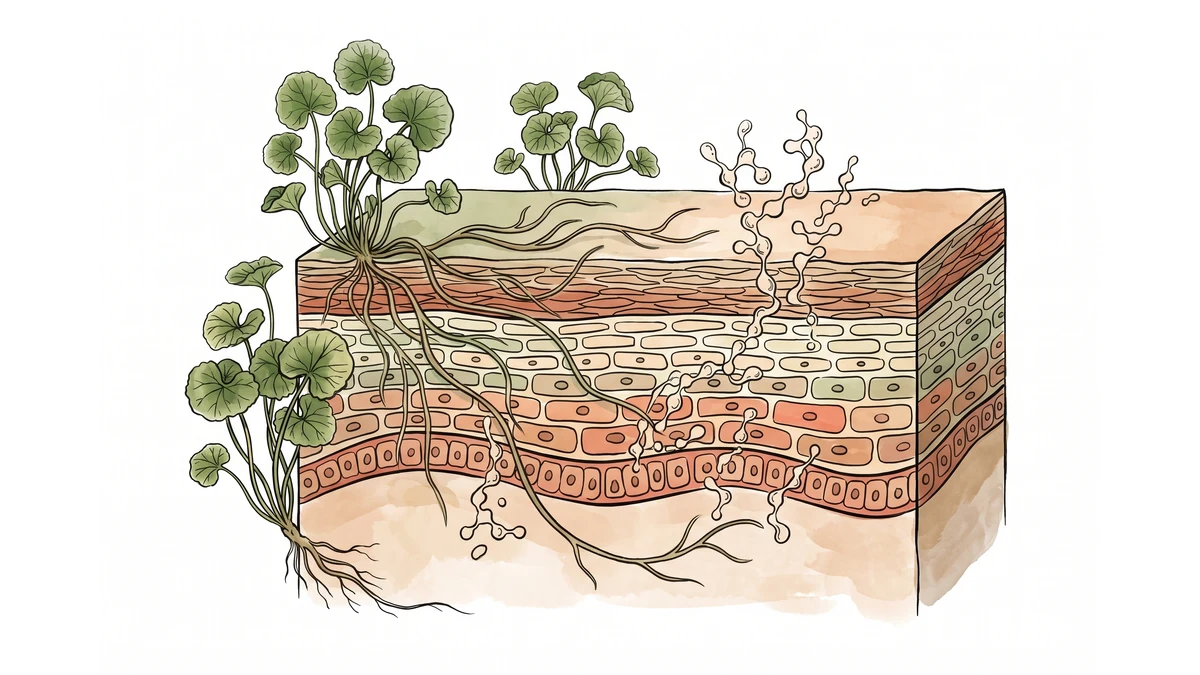
Skin Cycling With K-Beauty: What to Use on Recovery Nights
Skin cycling pairs perfectly with K-beauty barrier care. Here's exactly what to use on recovery nights to rebuild your skin between actives.
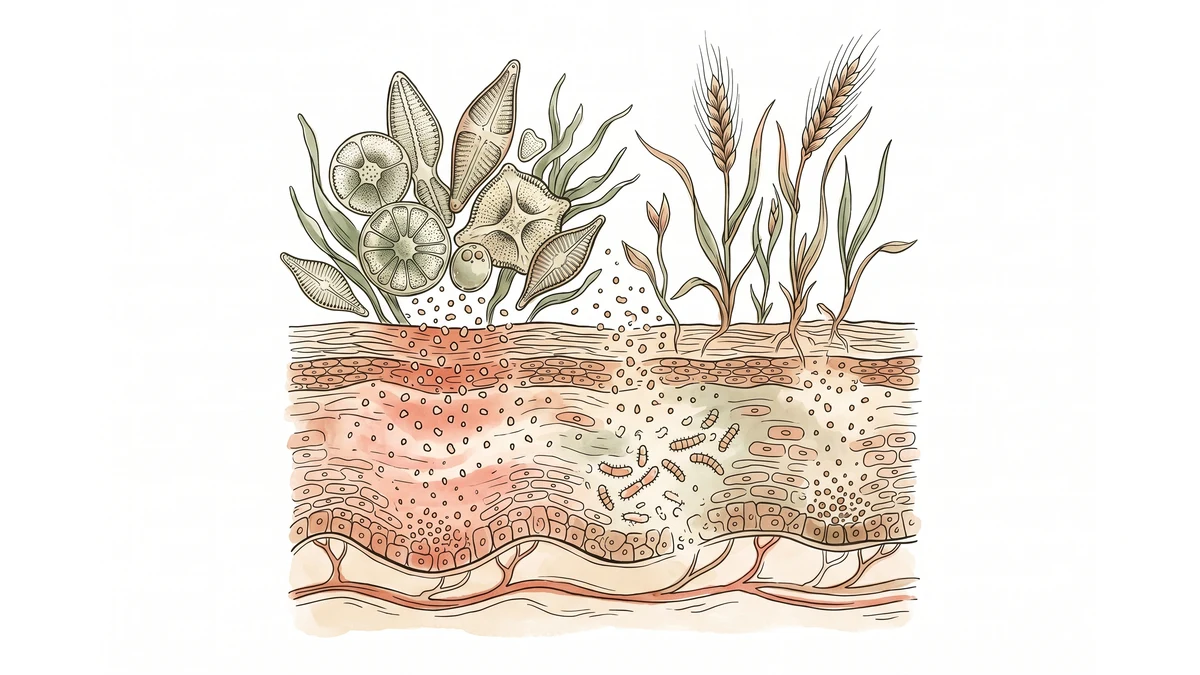
Azelaic Acid for Redness and Acne: What It Actually Helps
Azelaic acid targets redness, acne, and dark spots through three different mechanisms. Here's what the evidence says and where it falls short.
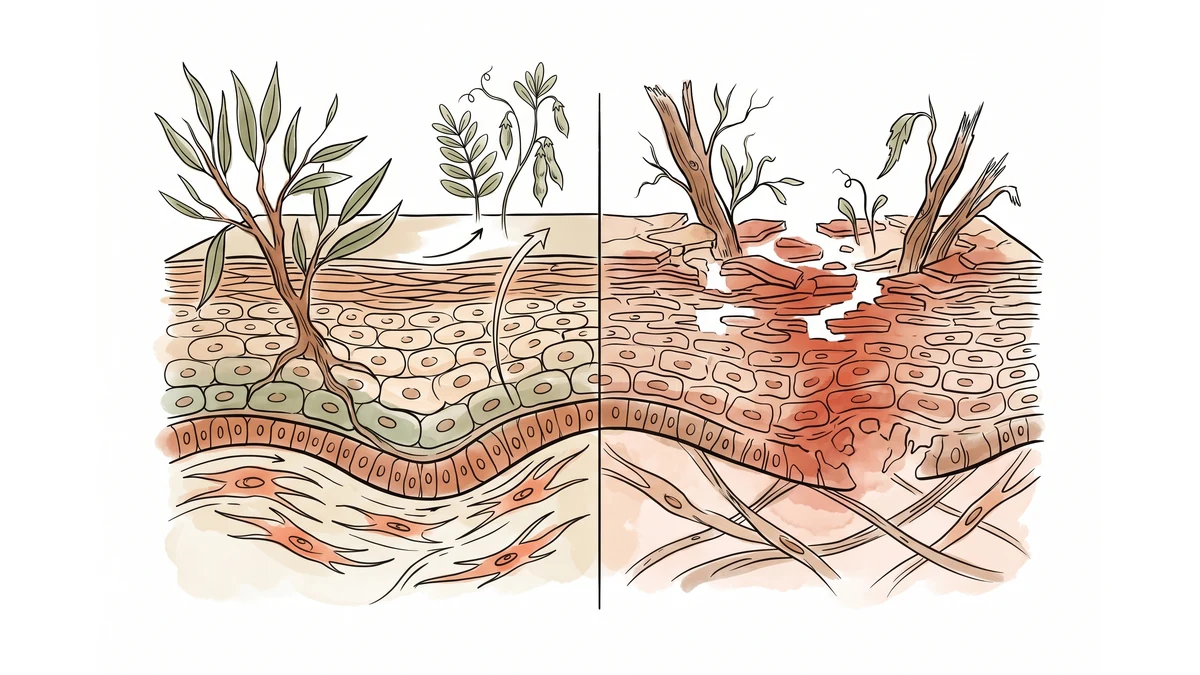
How Often Should You Exfoliate If You Use Retinol?
Retinol already exfoliates your skin. Here's how often to add an acid on top without wrecking your barrier, based on what retinol actually does.
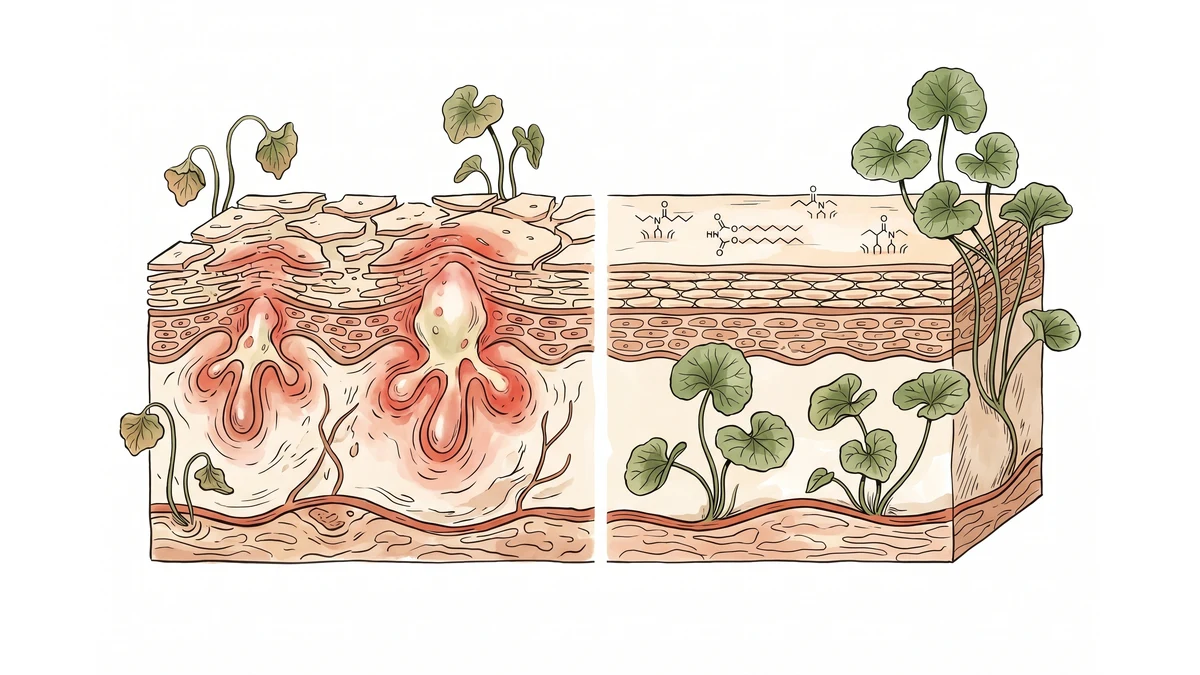
Barrier Repair vs. Acne Treatment: Which Comes First?
Treating acne on a damaged barrier makes both worse. Here's the order that actually clears your skin without triggering more breakouts.

Rice Extract in K-Beauty: What the Brightening Evidence Actually Shows
Rice extract is everywhere in K-beauty, but the brightening claims outpace the data. Here's what the evidence shows and what the marketing leaves out.

Anua Heartleaf Toner: What Heartleaf Actually Does for Redness
Anua's Heartleaf Toner is everywhere on TikTok for redness. Here's what the research on Houttuynia cordata actually shows, and what it leaves out.
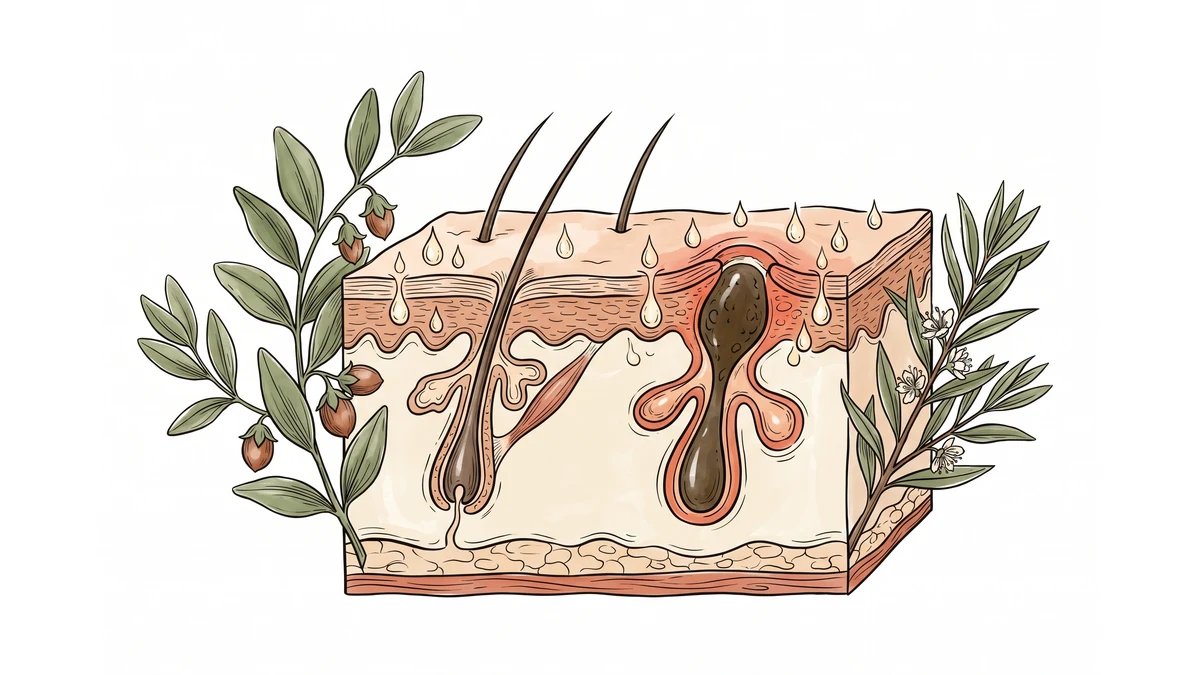
Oil Cleansing for Acne-Prone Skin: Helpful Step or Clog Risk?
Does oil cleansing trigger breakouts or prevent them? Here's what the evidence says about double cleansing for acne-prone skin, and how to do it right.
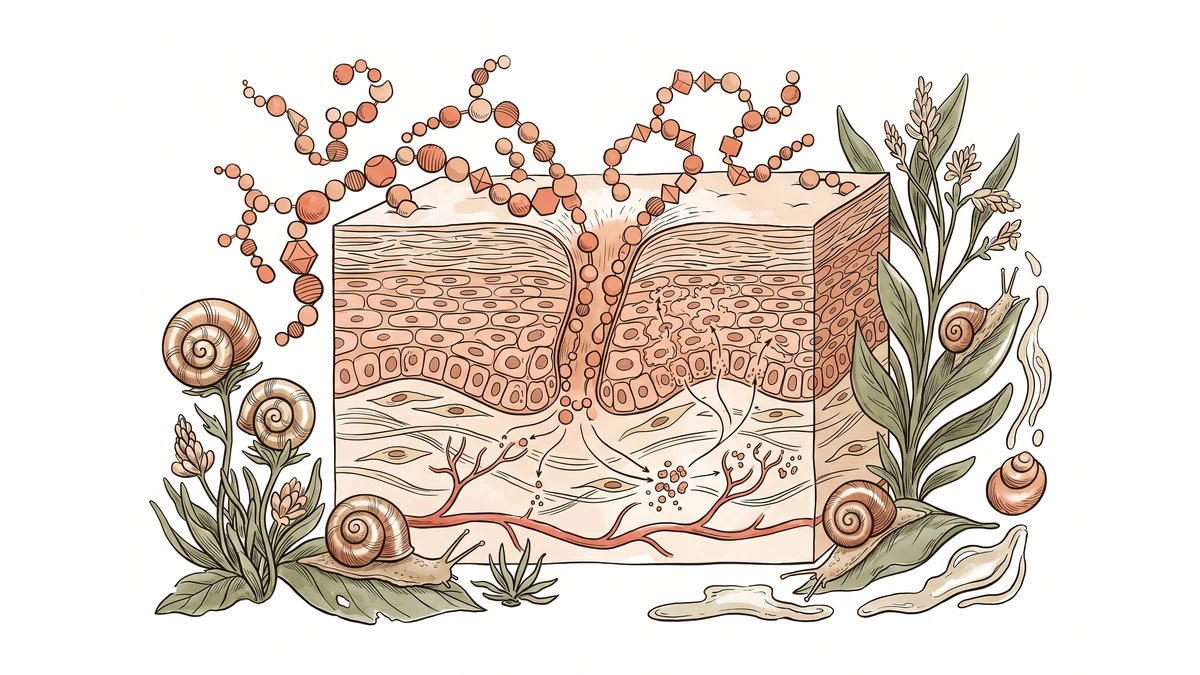
Snail Mucin Breakouts: Who Should Avoid It?
Snail mucin is hyped as universally gentle, but some skin types break out from it. Here's the mechanism, the evidence, and who should skip it.

PDRN in Skincare: Repair Signal or Marketing Shortcut?
PDRN serums and creams are everywhere in K-beauty. Here's what the salmon DNA fragments actually do on your skin, and what the clinic studies don't cover.
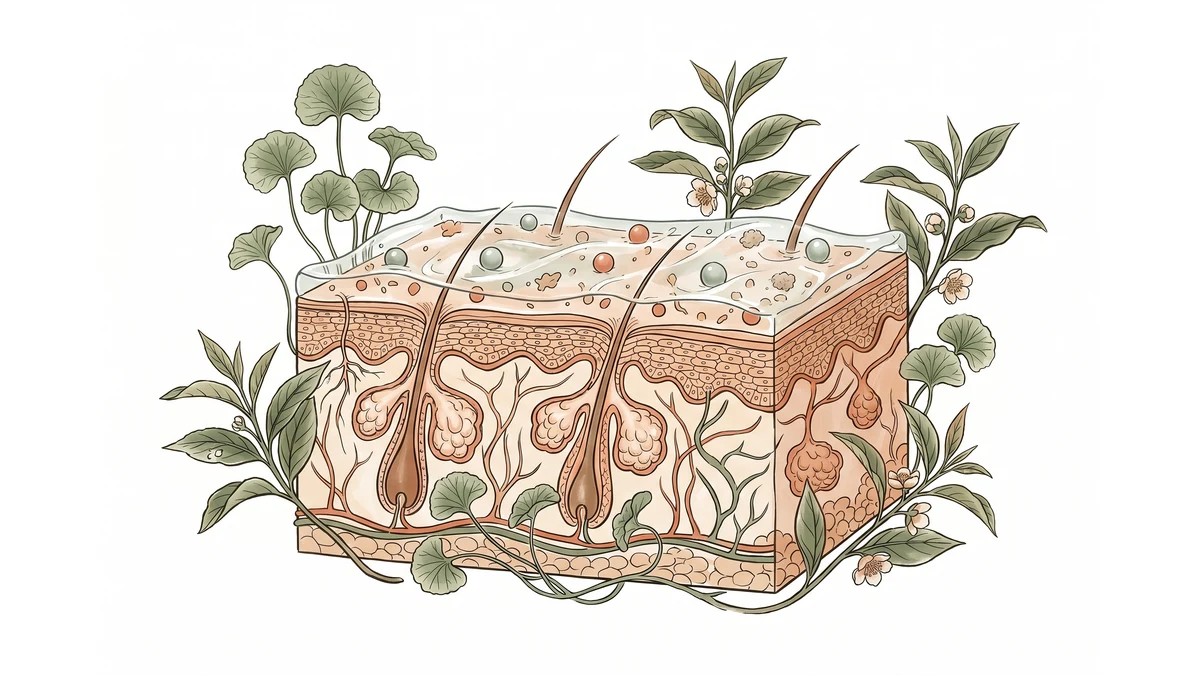
Best Korean Sunscreens for Oily Skin: What Makes a Formula Feel Light
Why some Korean sunscreens feel weightless on oily skin while others slip and pill. The filter chemistry, base oils, and finish cues that actually matter.
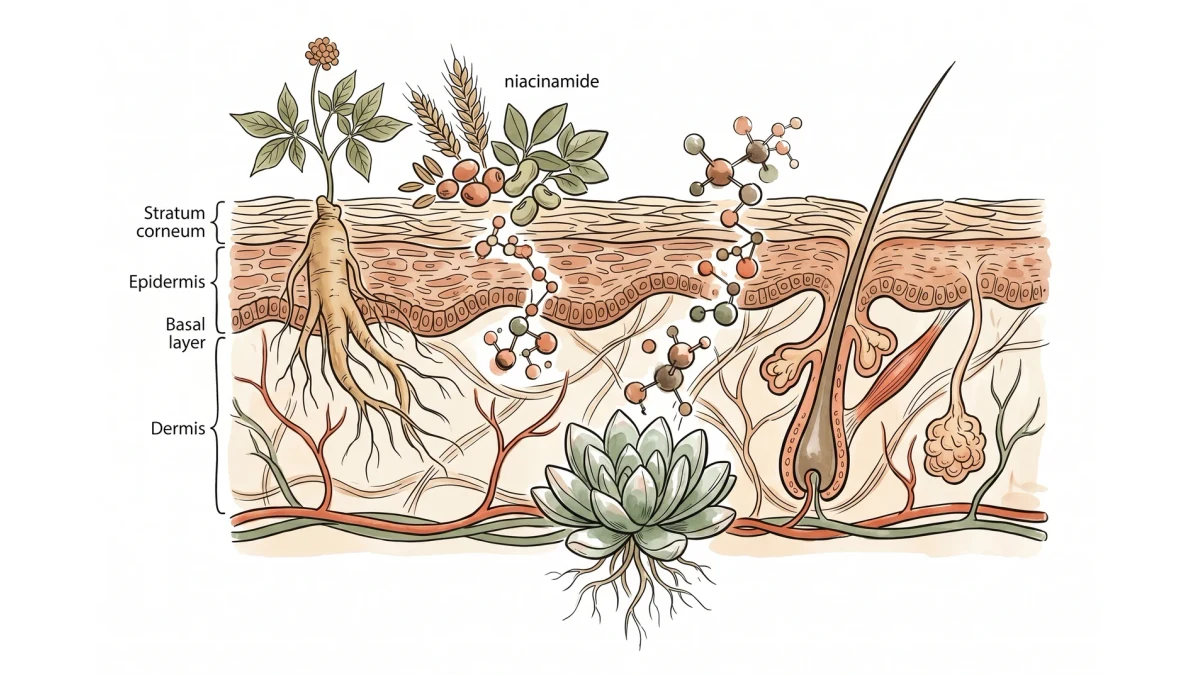
Korean Skincare Routine for Beginners: Where to Actually Start
A 10-step Korean skincare routine isn't where beginners should start. Here's the 4-step core that actually works, with the evidence behind each step.
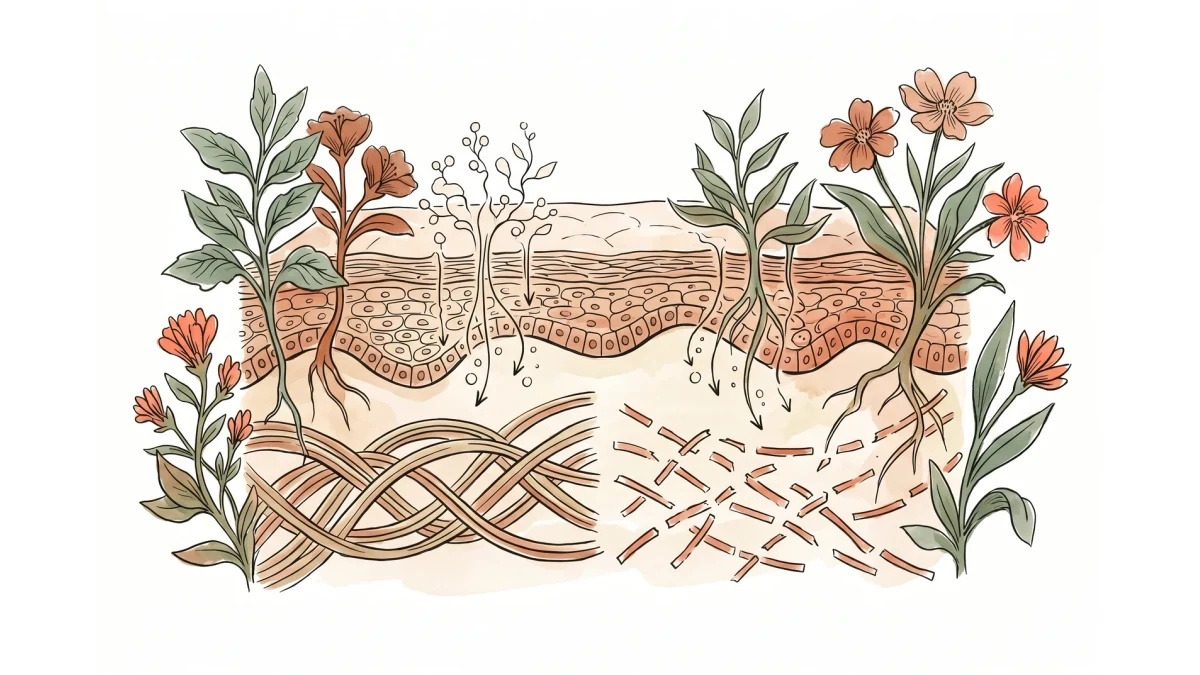
Does Collagen in Skincare Actually Work? A Look at the Evidence
Topical collagen can't sink into your skin to rebuild what time took. Here's what the evidence actually shows and what to use instead.
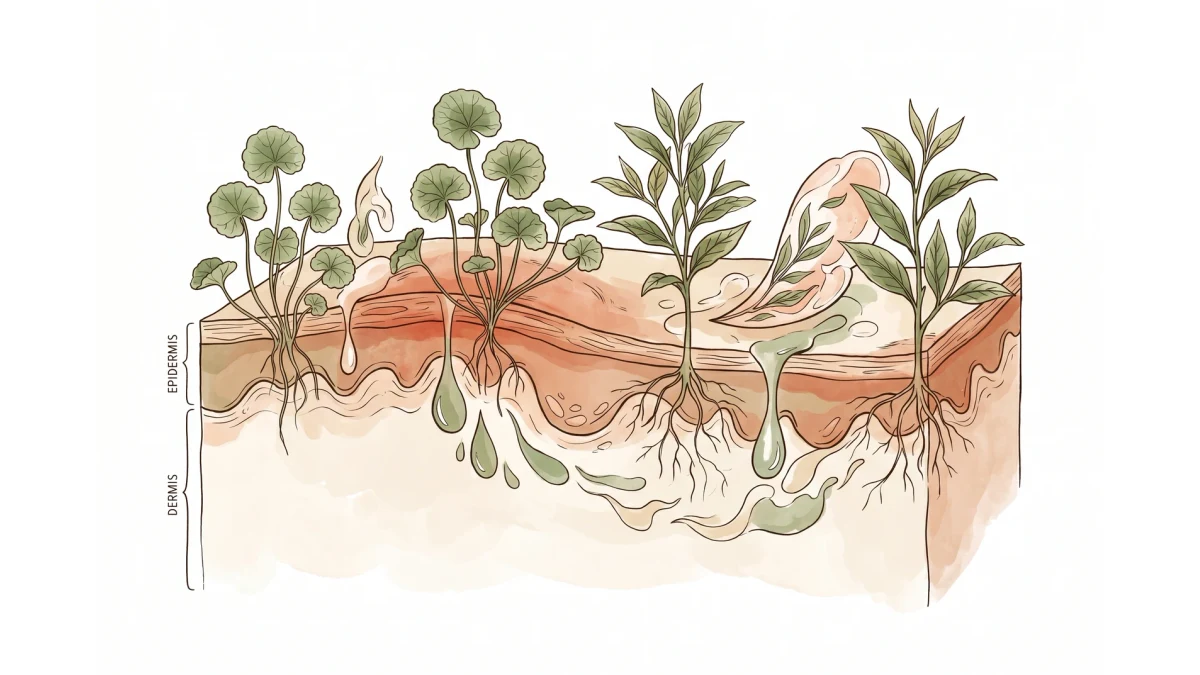
How to Build a K-Beauty Routine for Sensitive, Acne-Prone Skin
A step-by-step K-beauty routine for sensitive, acne-prone skin that calms inflammation without triggering breakouts. Evidence-based product picks inside.
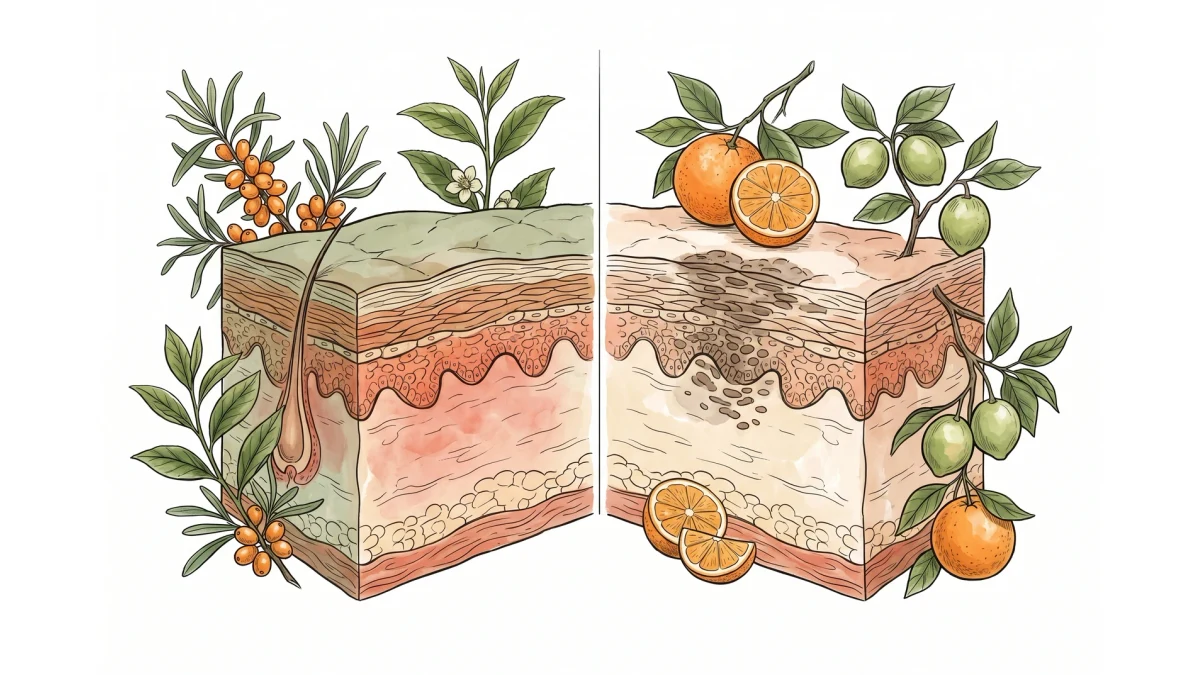
Niacinamide vs Vitamin C: Which One Does Your Skin Actually Need?
Niacinamide vs vitamin C — which fades dark spots faster, which suits sensitive skin, and when to use both. Evidence-based picks for your routine.
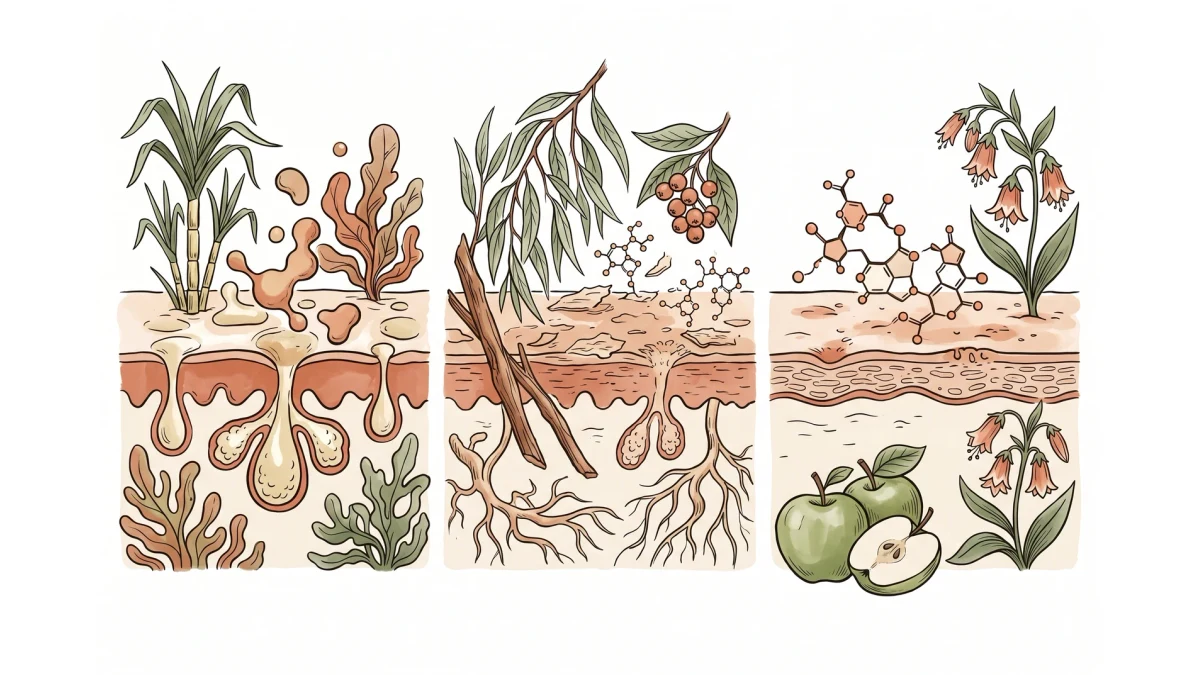
AHA vs BHA vs PHA: Which Exfoliant Does Your Skin Actually Need?
AHA, BHA, and PHA work on different skin concerns. Here's what the evidence says about which acid matches your skin type and goals.
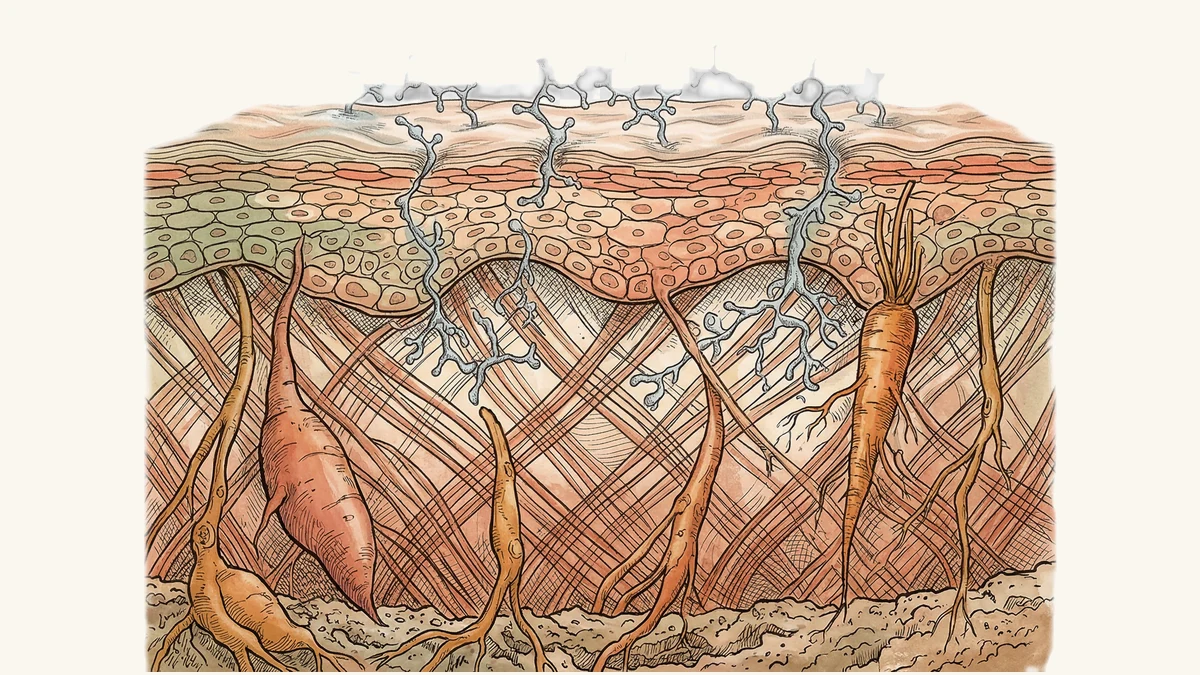
Retinol Purging vs. Breakouts: How to Tell the Difference
Retinol purging is real, but most breakouts blamed on it aren't. Here's how to tell purging from irritation acne, with the timeline and locations that matter.
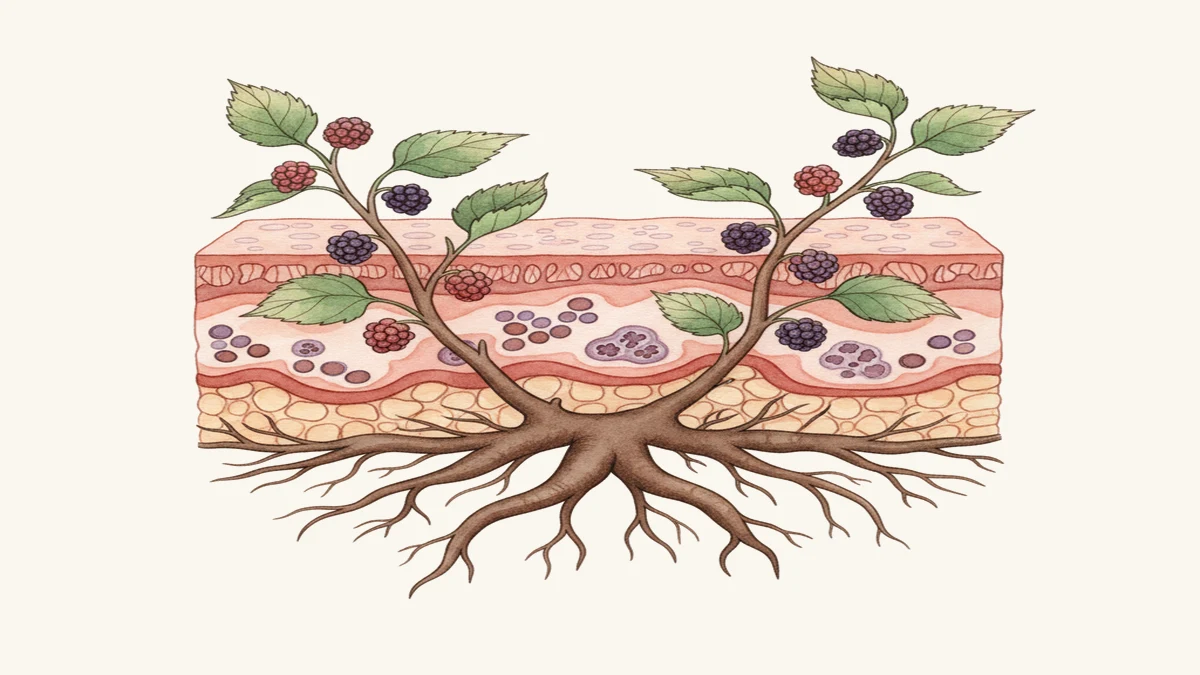
Korean Skincare Routine for Melasma (2026)
Melasma doesn't respond to most brightening products. This routine uses the actives with actual clinical evidence and puts sun protection first.

A Science-Backed 5-Step AM Routine for Oily Skin
A 5-step morning routine for oily skin, built on clinical evidence — gentle cleanser, BHA, niacinamide, light moisturizer, and mineral SPF.

Snail Mucin vs Hyaluronic Acid: Do You Need Both?
Snail mucin repairs. Hyaluronic acid hydrates. Here's what each one actually does and why most routines need both.
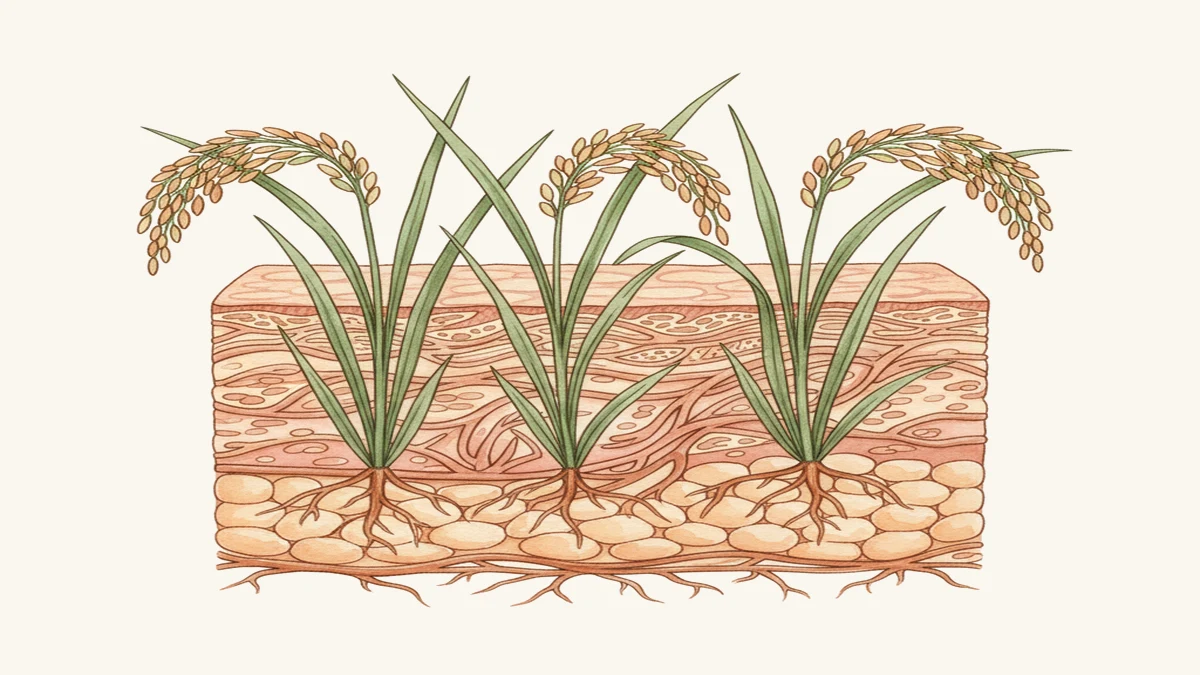
How Ceramides Rebuild the Skin Barrier: The Biochemistry Explained
Ceramides rebuild your skin barrier by restoring the lipid matrix between corneocytes. Here's the biochemistry behind why they work.

Niacinamide + Retinol: Can You Actually Layer Them?
Can you layer niacinamide and retinol? The science says yes — and the combo may reduce irritation. Here's how to pair them correctly.
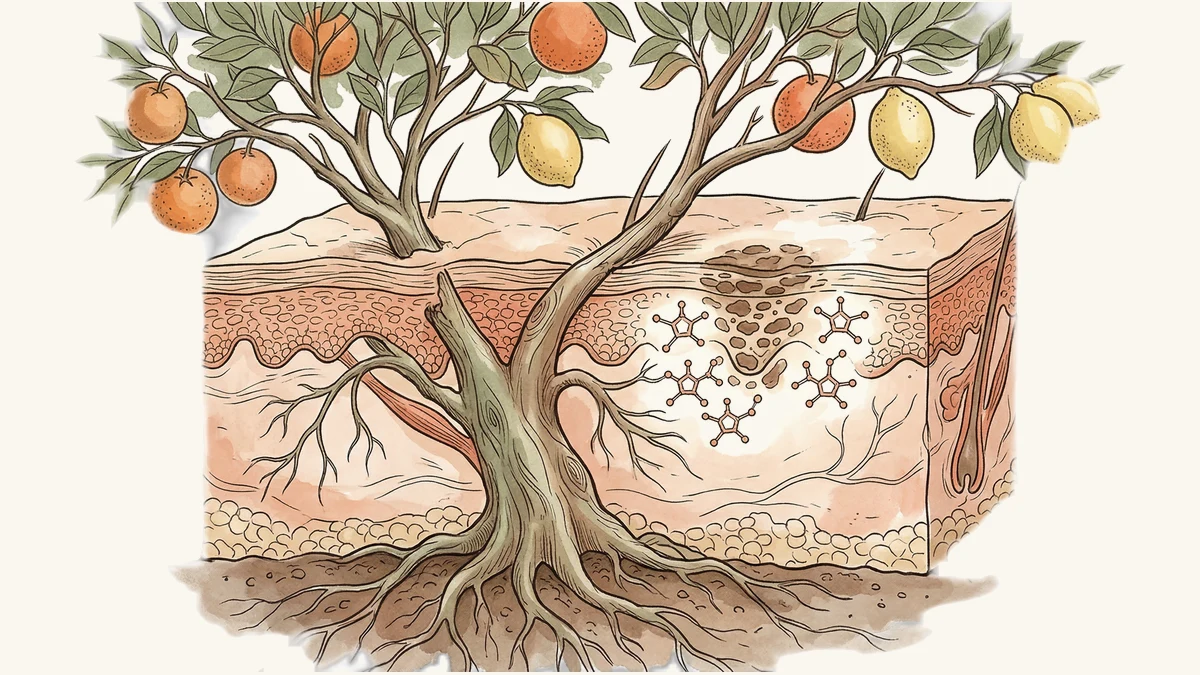
Vitamin C Myths: Does It Really Oxidize in Sunlight?
The claim that vitamin C oxidizes in sunlight is mostly wrong. Here's what the research shows about stability and use.