
Anti-Aging Skincare: A K-Beauty Approach

In this article
What actually changes as skin ages?
Aging skin is slower to repair and easier to dry out. UV exposure speeds that up by breaking down the support structure that keeps skin firm.
Concern snapshot
Skin aging has two drivers: intrinsic aging (the appearance of firmer skin drops roughly 1% per year after age 20, and cell turnover slows) and photoaging (UV radiation breaks down collagen and elastin fibers through MMP enzyme activation and free radical damage).
5 mapped causes
4 key ingredients
Layered support
SPF is the anti-aging step that makes every other active worth using. Without it, UV keeps undoing the work.
What causes visible aging?
Fine lines, dullness, and dryness come from different changes. That is why one serum rarely solves the whole picture.
What keeps it going
01. Collagen degradation: UV exposure activates matrix metalloproteinases (MMPs) that break down collagen I and III fibers in the dermis, causing wrinkles and loss of firmness.
02. Slowed cell turnover: epidermal renewal slows from roughly 28 days in young adults to 40-50+ days with age, leading to dull, uneven texture and slower wound recovery.
03. Reduced ceramide and lipid production: the stratum corneum loses lipid content with age, increasing transepidermal water loss and making skin drier and more fragile.
04. Cumulative UV damage: even without sunburn, daily low-level UV exposure compounds over decades, accounting for up to 80% of visible facial aging in fair skin.
05. Glycation: glucose molecules bond to collagen and elastin fibers, forming advanced glycation end-products (AGEs) that make these fibers stiff and brittle.
Which ingredients have the best payoff?
Retinol, vitamin C, peptides, and ceramides work best as a team. One pushes renewal, one protects from stress, and the barrier ingredients keep your skin comfortable.
Evidence-backed ingredients
Retinol
ProvenConverts to retinoic acid in the skin, which binds nuclear receptors in keratinocytes and fibroblasts, accelerating cell turnover and directly upregulating collagen I and III gene expression. A 24-week trial showed statistically significant wrinkle reduction with biopsy-confirmed new collagen.
Kafi et al., 2007 — Archives of Dermatology
Vitamin C (L-ascorbic acid)
ProvenActs as a cofactor for prolyl and lysyl hydroxylases, two enzymes required for stable collagen triple-helix formation. Also inhibits MMP-1 (the main collagen-degrading enzyme) and neutralizes UV-generated free radicals before they reach collagen fibers.
Pullar et al., 2017 — Nutrients
Peptides (palmitoyl pentapeptide-4)
StudiedSignal peptides that mimic collagen fragments, telling fibroblasts to produce more collagen. Work through a different pathway than retinol (no retinoic acid receptor involvement), so they cause no irritation and can be used AM and PM.
Robinson et al., 2005 — International Journal of Cosmetic Science
Ceramides
ProvenSupport the stratum corneum lipid bilayer that thins with age. Reduce transepidermal water loss and support the moisture barrier, which helps other actives feel more comfortable on aging, dry skin.
Lueangarun et al., 2019 — Dermatology and Therapeutics
How should the routine be structured?
Put antioxidant support in the morning and renewal support at night. This keeps the routine easier to tolerate.
Routine principles
A K-beauty anti-aging routine splits actives between morning and night. Morning: vitamin C serum after cleansing and toner to provide antioxidant defense against daytime UV, followed by a ceramide moisturizer and SPF 30+. Night: retinol (starting at 0.025-0.05%, two nights per week) layered over or under moisturizer depending on tolerance, with peptide serums on the alternate nights. This separation helps reduce vitamin C and retinol from competing at incompatible pH levels and spreads the collagen-stimulating signals across the full 24-hour cycle.
What slows progress?
The biggest mistake is rushing retinol. More nights only help if your skin can stay calm enough to keep going.
Common traps
01. Starting retinol at too high a concentration or using it every night from the first week. This causes peeling, redness, and barrier damage that sets back progress. Begin at 0.025-0.05% twice a week and increase frequency only after four weeks with no irritation.
02. Using vitamin C and retinol in the same step. L-ascorbic acid works best below pH 3.5; retinol works best at a higher pH. Mixing them in the same application reduces the effectiveness of both. Separate them into AM (vitamin C) and PM (retinol).
03. Skipping SPF while using retinol. Retinol thins the stratum corneum by accelerating cell turnover, increasing UV sensitivity. Without daily SPF 30+, the UV damage from sun exposure outpaces the collagen-building benefits of retinol.
04. Expecting visible results in under 8 weeks. Collagen remodeling is slow biology. The Kafi 2007 study measured significant wrinkle improvement at 24 weeks. Products promising visible anti-aging results in days are addressing surface hydration, not dermal collagen.
Build an anti-aging routine your skin can actually tolerate.
Answer 9 questions. Koracle checks fit, conflicts, texture, and evidence.
Build my routine →Common questions
At what age should I start using anti-aging products?
SPF should start in childhood: it is the single most effective anti-aging product because it helps reduce cumulative UV collagen damage. Vitamin C can be added in the mid-20s as an antioxidant. Retinol is worth considering from the late 20s to early 30s, when the appearance of firmer skin has already declined by roughly 10% from its peak. There is no benefit to starting retinol as a teenager unless directed by a dermatologist for acne.
What is the difference between retinol, retinal, and tretinoin?
All three are retinoids, but they sit at different points in the conversion chain. Retinol converts to retinal (retinaldehyde), which converts to tretinoin (retinoic acid), the active form that binds nuclear receptors. Each conversion step loses some potency: tretinoin is roughly 20x stronger than retinol at the same concentration. Retinal is a middle ground, closer to tretinoin in speed of results but available over the counter. Tretinoin requires a prescription in most countries.
Can I reverse wrinkles that have already formed?
Fine lines caused by dehydration and surface texture can improve significantly within weeks with proper hydration and exfoliation. True wrinkles (creases in the dermis from collagen loss) can be reduced but not fully erased by topicals. The Kafi 2007 study showed retinol produced measurable wrinkle improvement at 24 weeks, and biopsy confirmed new collagen deposition. Deeper folds (nasolabial lines, forehead furrows) respond better to professional cares than to serums alone.
How does SPF helps reduce aging if I already have wrinkles?
UV exposure continues to degrade existing collagen through MMP enzyme activation every day, even without sunburn. Wearing SPF 30+ daily stops that ongoing degradation, which means the collagen you build with retinol and vitamin C actually accumulates instead of being broken down as fast as it forms. A 2013 Annals of Internal Medicine study found that regular sunscreen users showed 24% less skin aging over 4.5 years compared to occasional users.
Are expensive anti-aging serums worth the price difference?
The active ingredients in a $15 K-beauty retinol serum and a $150 luxury retinol serum are the same molecule. What varies is concentration (which should be listed), vehicle formulation (how it penetrates), and stability (how long it stays active in the bottle). A well-formulated budget retinol at 0.05% will outperform a poorly stabilized luxury retinol that has degraded on the shelf. Check the active ingredient and its concentration before checking the price.
Do collagen supplements or collagen creams actually support firmer-looking skin in the skin?
Topical collagen molecules are too large to penetrate the stratum corneum: collagen creams act as surface moisturizers, not collagen builders. Oral collagen peptide supplements have some clinical evidence: a 2019 systematic review in the Journal of Drugs in Dermatology found that hydrolyzed collagen peptides (2.5-10g/day) improved skin hydration and elasticity in several RCTs. The mechanism likely involves absorbed peptide fragments signaling fibroblasts, not intact collagen molecules reaching the dermis.
Top picks for aging
Paid links: Koracle may earn from qualifying purchases. Details.
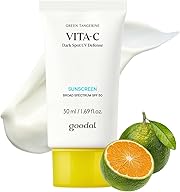
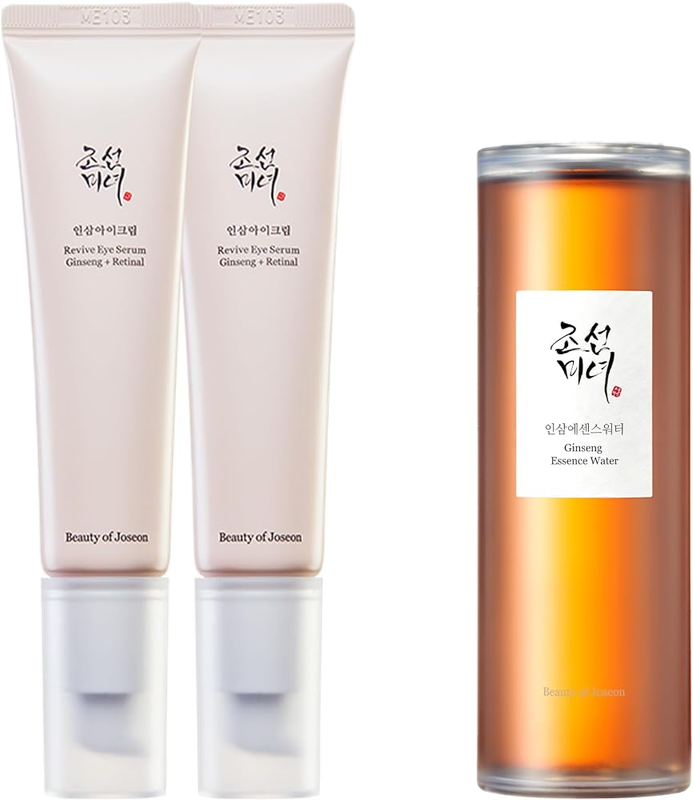
Find products matched to your skin type and concerns.
Build my aging routine