
K-Beauty for Rosacea: Ingredients to Seek and Sensory Triggers to Avoid
In this article
You've probably seen the advice: rosacea skin needs "gentle" K-beauty, so pick anything labeled cica or centella and you're set. That's half right. Centella genuinely helps rosacea. The other half of the label, the parts you're not scanning, is where flare-ups start.
Rosacea is a distinct condition, different from sensitive skin turned up loud. It's a specific vascular and neurogenic condition where blood vessels overreact to triggers your friend's normal skin ignores. The right K-beauty ingredient in the wrong sensory package can still set your face on fire.
TL;DR
Rosacea-safe K-beauty comes down to calming actives (centella, panthenol, allantoin) in fragrance-free, needed-oil-free, low-menthol formulas. The active matters less than what else is in the bottle.
Why rosacea reacts to "gentle" products
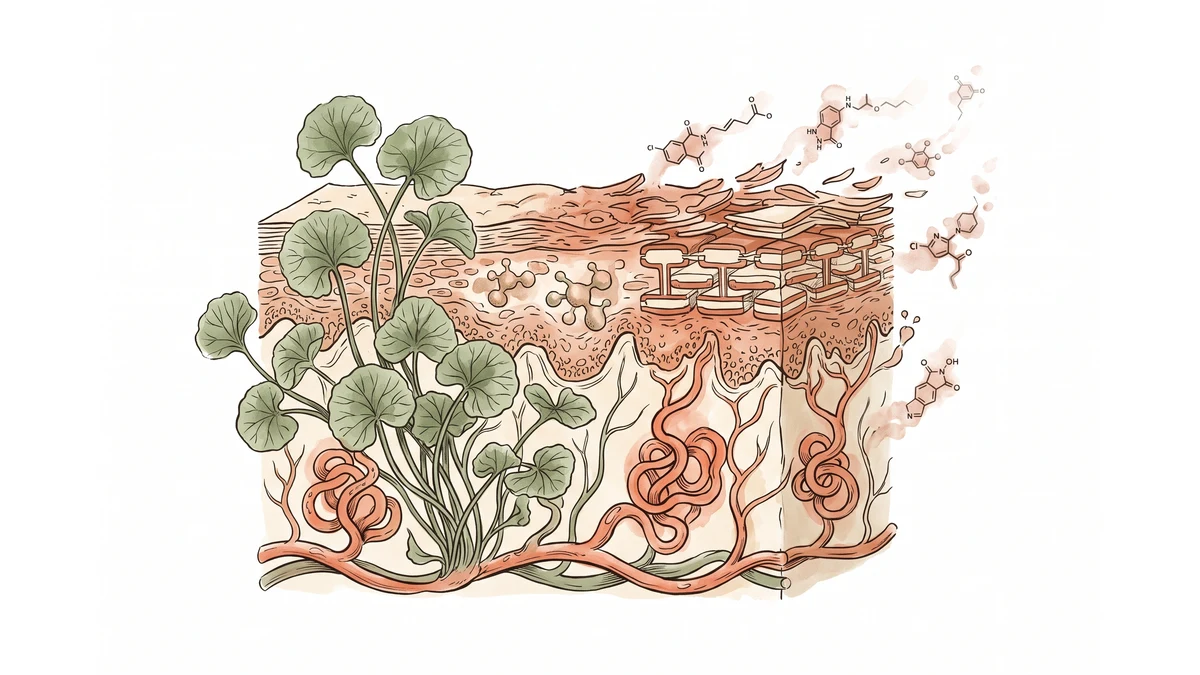
Rosacea skin has a broken threshold on top of a broken barrier. Your TRPV1 and TRPA1 receptors, the same nerve channels that fire when you eat chili peppers, are hyperactive (Sulk et al., 2012). That means ingredients most people call "refreshing," like menthol, camphor, eucalyptus, and peppermint, register as chemical burns on rosacea skin.
This is why a product can be technically fragrance-free and still trigger you. The needed oil that gives it that cooling tingle activates the same pain pathway as heat.
The ingredient that soothes normal skin can flip a switch in rosacea skin. Sensory feel is a clinical signal, not a preference.
The second issue is barrier permeability. Rosacea-prone skin loses water faster than healthy skin (Dirschka et al., 2004), which means whatever you put on it penetrates deeper and faster. Actives that a normal barrier dilutes hit rosacea skin at closer to full strength.
The ingredients worth seeking
Four ingredients have real evidence for rosacea, and K-beauty formulates around all of them.
Centella asiatica is the most-studied. Its active compounds (madecassoside, asiaticoside) reduce inflammatory cytokines and support capillary integrity. A 2008 study on madecassoside cream found measurable reduction in erythema after 60 days. This is the mechanism behind every "cica" product on your feed.
Panthenol (provitamin B5) rebuilds the barrier while calming the itch-flush cycle. It's boring, which is why nobody makes TikToks about it, but it's one of the most consistently effective ingredients for rosacea maintenance.
Ceramides replace the lipids your barrier is losing. Rosacea skin shows measurable ceramide deficiency compared to controls (Kim et al., 2016), and topical replacement reduces transepidermal water loss within two weeks.
Low-dose niacinamide (2–5%) improves barrier function in rosacea-prone skin (Draelos et al., 2005). Higher concentrations can trigger flushing in some subtypes, so this is one ingredient to keep dialed down.
A 12-week trial of a 2% niacinamide moisturizer in 50 rosacea patients showed significant improvement in barrier function and reduction in facial erythema versus baseline (Draelos et al., 2005).
The sensory triggers hiding in "calming" formulas
Read past the front label. These are the ingredients that show up in products marketed as soothing but activate the exact pain pathways rosacea skin can't quiet down:
- Menthol, menthyl lactate, mentha piperita (peppermint)
- Camphor, cinnamal, eucalyptol
- Witch hazel (distilled versions contain alcohol, non-distilled contain tannins that constrict then rebound-dilate)
- Denatured alcohol high on the ingredient list
- needed oils used for scent (lavender, rose, tea tree, citrus peel oils)
- High-concentration fragrance, even "natural" fragrance
Tea tree deserves its own note. It's popular in K-beauty for acne, and rosacea often gets misdiagnosed as acne. If you have papulopustular rosacea (the bumps-and-pustules kind), tea tree can worsen flushing even while it works on the pustules. This is a common trap.
Not sure if your redness is rosacea, sensitivity, or a broken barrier?
Answer 9 questions. Koracle checks fit, conflicts, texture, and evidence.
Build my routine →Building the four-step routine
More steps means more variables. Rosacea maintenance works better with fewer, better-chosen products than with a full 10-step layering routine.
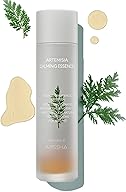
For step 2, a fragrance-free centella essence gives you the anti-inflammatory hit without added irritants. Missha's Artemisia Calming Essence works if you tolerate mugwort; otherwise stick with straight centella.
Paid links: Koracle may earn from qualifying purchases. Details.
View on Amazon. Amazon shows final price and availability.
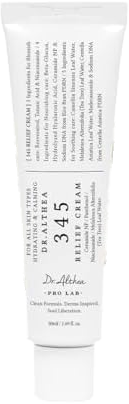
For step 3, this is where you'll spend most of your product budget, and where it matters most. Look for formulas built around ceramides, panthenol, or centella with a short, fragrance-free ingredient list.
Paid links: Koracle may earn from qualifying purchases. Details.
View on Amazon. Amazon shows final price and availability.
Paid links: Koracle may earn from qualifying purchases. Details.
View on Amazon. Amazon shows final price and availability.
Paid links: Koracle may earn from qualifying purchases. Details.
View on Amazon. Amazon shows final price and availability.
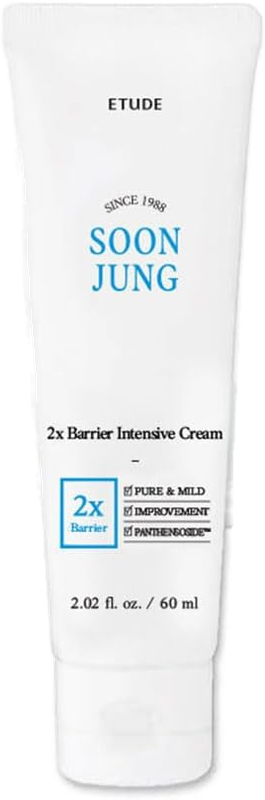
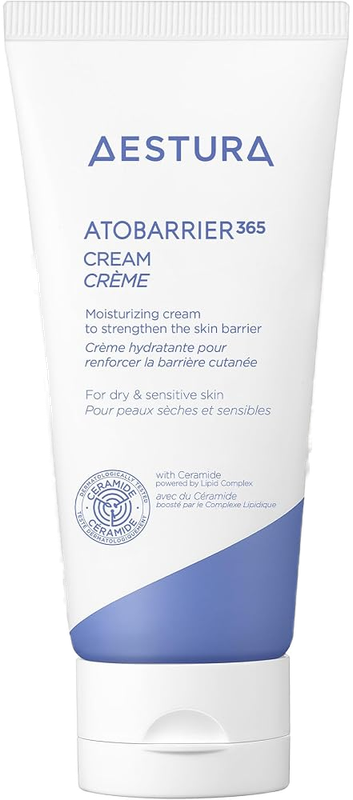
If your skin runs on the drier side of rosacea, the AESTURA Atobarrier365 cream layers ceramides with a slightly heavier occlusive finish. If you're combination-rosacea, the SoonJung 2x Barrier is lighter and less likely to feel suffocating on flushed cheeks.
What about sheet masks and actives?
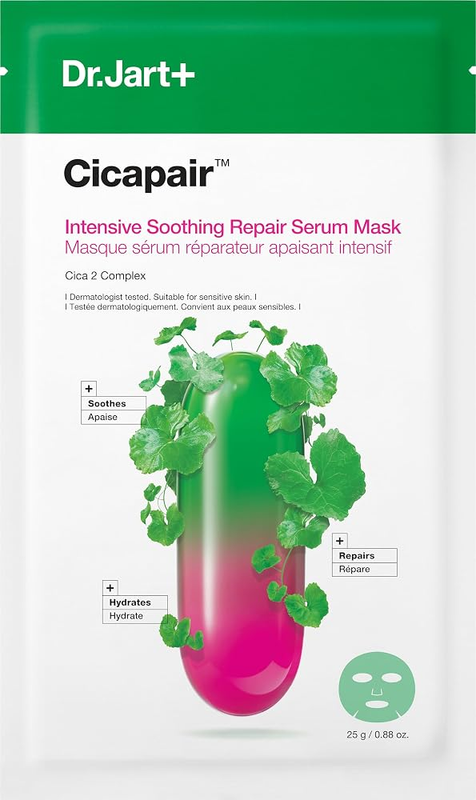
Sheet masks are optional and often overused in rosacea skin. The maceration effect (softening the barrier through prolonged moisture contact) that hydrates normal skin can worsen rosacea if you leave a mask on longer than 10 minutes. If you're going to use one, pick fragrance-free cica or ceramide, set a timer, and don't do it more than twice a week.
Paid links: Koracle may earn from qualifying purchases. Details.
View on Amazon. Amazon shows final price and availability.
On actives: retinoids can help rosacea long-term but need slow introduction and a dermatologist. Azelaic acid is the best-evidence rosacea active (prescription 15% or OTC 10%), and it sits outside the K-beauty category. Vitamin C is usually too irritating in the concentrations K-beauty sells. Skip AHAs entirely during flares.
The bottom line
Rosacea-safe K-beauty is about subtraction, with addition kept minimal. The winning formula is centella, panthenol, ceramides, or low-dose niacinamide in a fragrance-free, needed-oil-free base, applied in as few steps as possible. If a product tingles, cools, or "activates," your nerves are telling you something the label is hiding.
Common Questions
Is niacinamide safe for rosacea?↓
Yes, at low concentrations (2–5%). A study by Draelos et al. (2005) found 2% niacinamide improved barrier function in rosacea-prone skin. Higher concentrations (10%+) can trigger flushing in some rosacea subtypes, so start low.
Can I use snail mucin if I have rosacea?↓
Snail mucin is generally well-tolerated in rosacea because it's rich in glycoproteins and allantoin, both soothing. The catch is fragrance and preservatives in the surrounding formula. Patch test on the jawline for three days before applying to flushed cheeks.
Are Korean sheet masks safe for rosacea?↓
Only fragrance-free cica or ceramide masks, and only for 10 minutes maximum. Longer wear times macerate the barrier and can worsen flushing. Skip needed-oil-heavy formulas even if they're labeled soothing.
Does the 10-step Korean routine work for rosacea?↓
No. More steps means more chances to react. A four-step routine (gentle cleanser, hydrating essence, barrier cream, mineral SPF) covers what rosacea-prone skin actually needs. Additional layers rarely help and often trigger.
Turn what you learned into a routine that fits your skin.
Answer a few questions and Koracle will check formula fit, budget, tolerance, and routine order.
Build my formula-checked routine