
K-Beauty Guide to Sensitive Skin

In this article
Why sensitive skin reacts so fast
Sensitive skin is usually a barrier problem plus an inflammation problem. The skin lets stress in too easily, then reacts loudly.
Concern snapshot
Sensitive skin reacts to products or environmental triggers with stinging, burning, redness, or flaking.
4 mapped causes
4 key ingredients
Layered support
The first win is fewer reactions. Once your skin is quiet, you can decide which actives deserve a place.
What keeps skin reactive?
Sensitivity often comes from stacked stress: strong cleansers, too many actives, fragrance, weather, and a barrier that has not recovered yet.
What keeps it going
01. A compromised lipid barrier (from genetics, over-exfoliation, or harsh products) lets irritants pass into the epidermis and triggers inflammatory responses.
02. Fragrance (synthetic and natural, including lavender and citrus essential oils) is the single most common contact sensitizer in skincare products.
03. Physical scrubs and rough washcloths create micro-tears in the stratum corneum, which worsens barrier damage in already-reactive skin.
04. Layering too many actives at once (retinol + AHA + vitamin C) overwhelms the skin's tolerance threshold and triggers irritation even when each product alone would be fine.
Which ingredients are worth trusting?
Look for calming and barrier support first. Centella, panthenol, ceramides, and beta-glucan are better first moves than strong acids.
Evidence-backed ingredients
Centella Asiatica
StudiedContains asiaticoside and madecassoside, which reduce pro-inflammatory cytokines (TNF-alpha, IL-1beta) in the epidermis. Also promotes firmer-looking skin support in the dermis, supporting structural barrier support from below.
Anggraeni et al., 2021 — Journal of Advanced Pharmaceutical Technology and Research
Ceramides
ProvenMake up roughly 50% of the lipid barrier between skin cells. Topical ceramides (especially ceramide NP and ceramide AP) fill gaps in a damaged barrier, measurably reducing transepidermal water loss and irritant penetration.
Meckfessel & Brandt, 2014 — Journal of Clinical and Aesthetic Dermatology
Allantoin
TraditionalStimulates keratinocyte proliferation and accelerates the shedding of damaged surface cells. Softens the stratum corneum, reducing the rough texture that accompanies barrier damage.
Araujo et al., 2010 — Anais Brasileiros de Dermatologia
Panthenol (Pro-Vitamin B5)
StudiedConverts to pantothenic acid in the skin. Increases epidermal lipid synthesis (rebuilding the barrier from the inside) while acting as a humectant that attracts water into the outer layers.
Camargo et al., 2011 — Journal of Cosmetic Science
What should the routine do?
A sensitive routine should be short, steady, and easy to repeat. Cleanse gently, hydrate, moisturize, and protect with sunscreen.
Routine principles
A K-beauty routine for sensitive skin keeps the step count low and the ingredient lists short. A gentle amino acid or non-ionic surfactant cleanser removes dirt without stripping lipids. A centella or panthenol serum calms active inflammation. A ceramide moisturizer supports the barrier. SPF goes on last during the day. No actives (retinol, AHA, vitamin C) until the skin goes 4 to 6 weeks without a reaction.
What causes setbacks?
Most setbacks come from testing too many new products at once. Sensitive skin needs a slower audition process.
Common traps
01. Patch-testing on the inner wrist instead of the jawline or behind the ear. Wrist skin is thicker and less reactive than facial skin, so a product can pass the wrist test and still irritate your face.
02. Choosing products labeled 'for sensitive skin' without checking the ingredient list. Many products marketed for sensitive skin still contain fragrance, essential oils, or denatured alcohol.
03. Introducing multiple new products at the same time. When a reaction happens, you cannot identify which product caused it. Add one product at a time, spaced two weeks apart.
04. Skipping SPF because chemical sunscreens sting. Mineral sunscreens (zinc oxide, titanium dioxide) sit on top of the skin and rarely cause irritation. UV damage is one of the largest barrier-disrupting forces.
Build a calm routine for reactive skin.
Answer 9 questions. Koracle checks fit, conflicts, texture, and evidence.
Build my routine →Common questions
How do I tell the difference between sensitive skin and an allergic reaction?
Sensitive skin reacts broadly: many products cause mild stinging, tightness, or redness that fades within an hour. An allergic reaction (contact dermatitis) is a specific immune response to one ingredient. It produces itching, swelling, or blistering that lasts days and worsens with repeated exposure. If a reaction is localized to where you applied the product and gets worse each time you use it, stop the product and see a dermatologist for patch testing to identify the allergen.
Why do K-beauty routines for sensitive skin avoid fragrance?
Fragrance compounds are the most common cause of contact sensitization in cosmetics, according to the European Commission's Scientific Committee on Consumer Safety. Both synthetic fragrance and natural essential oils (lavender, tea tree, citrus) contain allergenic compounds like linalool and limonene. Even 'unscented' products sometimes contain masking fragrances. For sensitive skin, look for 'fragrance-free' on the label and confirm that neither 'parfum' nor 'fragrance' appears in the INCI list.
How long does it take to support a damaged skin barrier?
Published studies on barrier recovery show measurable improvement in transepidermal water loss within 1 to 2 weeks of using ceramide-based moisturizers. Full structural recovery of the lipid matrix typically takes 4 to 8 weeks. During this period, limit your routine to cleanser, moisturizer, and SPF. Avoid all exfoliating acids, retinol, and vitamin C until the barrier is stable: you will know because products that previously stung no longer do.
Can sensitive skin ever tolerate active ingredients like retinol or AHA?
Often yes, but the approach matters. Wait until your skin goes at least 4 weeks without a reaction on a simple routine. Then introduce one active at low concentration: retinol at 0.025%, or mandelic acid at 5% (it is gentler than glycolic due to its larger molecular size). Apply once per week for two weeks, then twice per week, and increase slowly. Buffer the active by applying it over moisturizer, not on bare skin.
Is mineral sunscreen actually better for sensitive skin than chemical sunscreen?
For most sensitive skin, yes. Mineral filters (zinc oxide and titanium dioxide) sit on top of the skin and reflect UV rather than absorbing it. Chemical filters (avobenzone, oxybenzone, octisalate) absorb into the skin and can cause stinging or heat sensations in reactive skin. The tradeoff is that mineral sunscreens tend to leave a white cast and feel heavier. Newer micronized zinc oxide formulas reduce the white cast while keeping the low-irritation profile.
What does the skin barrier actually look like at a cellular level?
Picture a brick wall. The 'bricks' are dead skin cells (corneocytes) and the 'mortar' is a mix of ceramides, cholesterol, and fatty acids. When the mortar is intact, water stays in and irritants stay out. When it is damaged (from harsh cleansers, over-exfoliation, or UV) gaps form in the mortar. Irritants slip through, nerve endings become exposed (causing stinging), and water evaporates faster. Ceramide-based moisturizers work by literally replenishing the mortar.
Top picks for sensitivity
Paid links: Koracle may earn from qualifying purchases. Details.
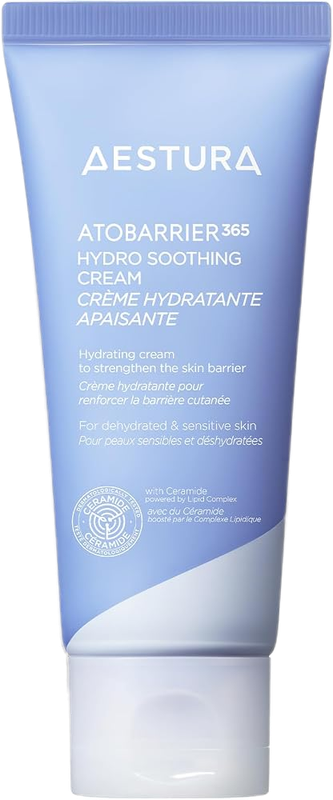
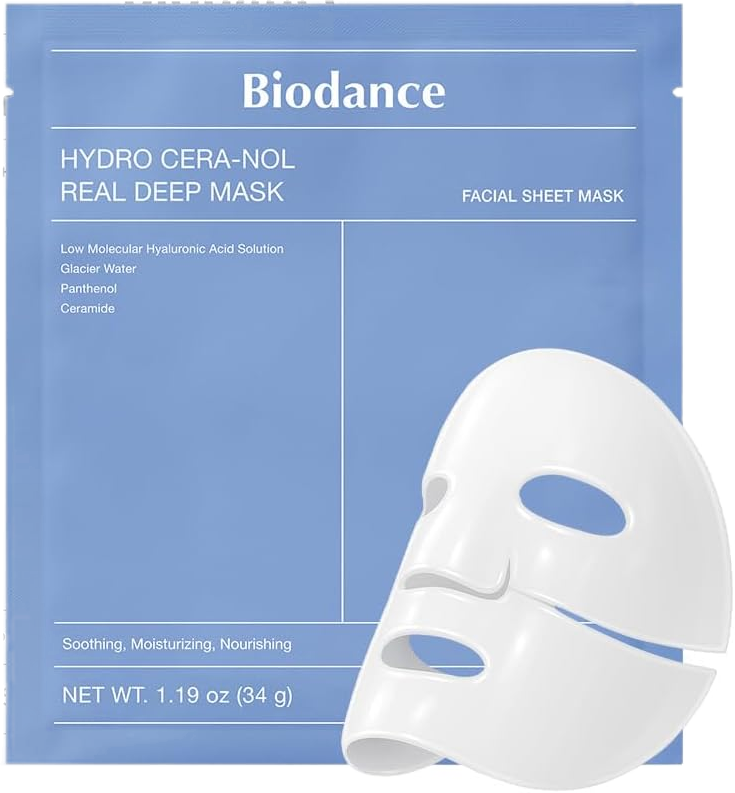
Find products matched to your skin type and concerns.
Build my sensitivity routine