
The Best K-Beauty Routine for Oily, Acne-Prone Skin in 2026
Your skin is overproducing oil, and that excess is feeding breakouts. The fix isn't stripping it away. It's rebalancing from the inside out.
Koracle is skincare education, not medical or dermatology advice. Patch-test new products. Ask a licensed dermatologist about acne, rosacea, eczema, allergic reactions, pregnancy concerns, or symptoms that persist.
Paid links: Koracle may earn from qualifying purchases. Details.
Top picks for your skin
Paid links: Koracle may earn from qualifying purchases. Details.

Recommended for your acne: Ceramides - matches the reviewed ingredient list
Key ingredients: Ceramides
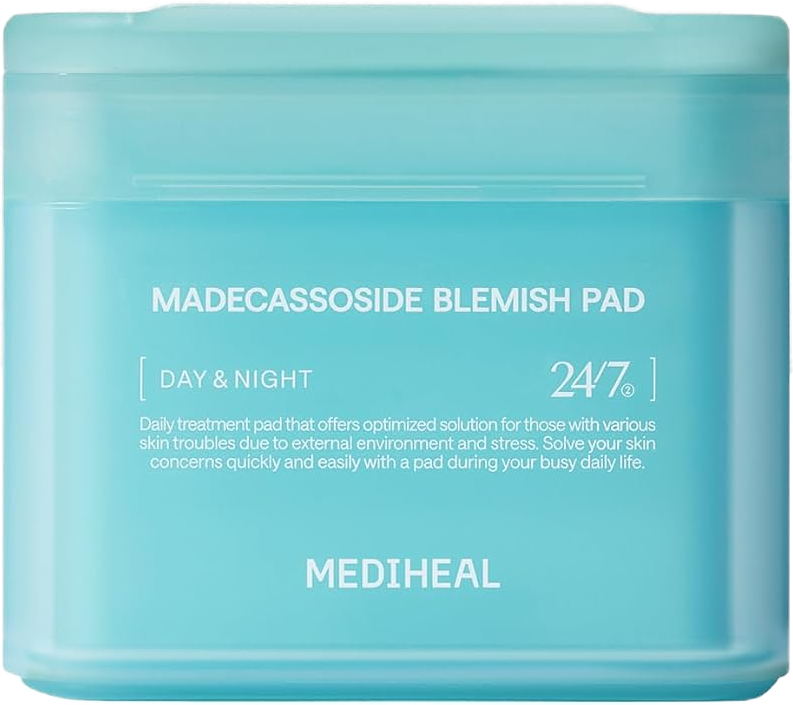
Morning redness support: Madecassoside helps calm visible redness while keeping the routine easier to tolerate.
Key ingredients: Madecassoside, Dipotassium Glycyrrhizate, Niacinamide
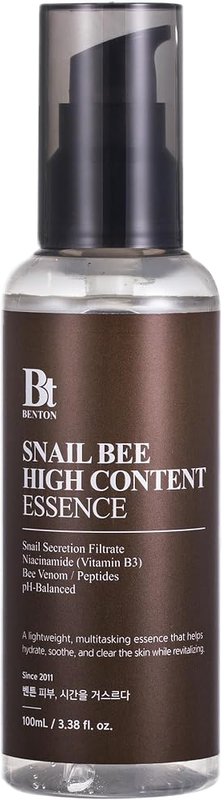
Morning barrier support: Bee Venom helps keep the skin barrier steady so treatment steps are easier to tolerate.
Key ingredients: Bee Venom, Snail Mucin, Niacinamide
Morning pore support: Azelaic Acid helps keep clogged pores and breakout-prone texture under control.
Key ingredients: Azelaic Acid, Niacinamide, Kojic Acid
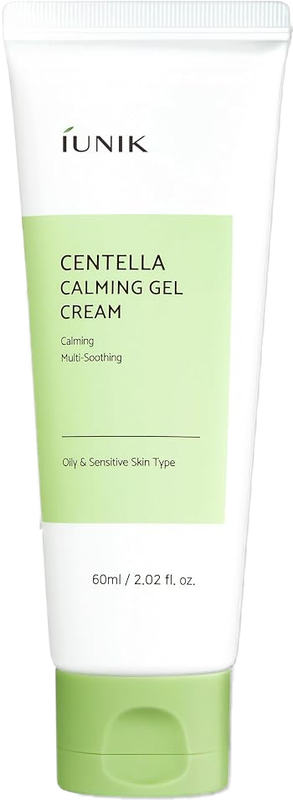
Morning redness support: Centella Asiatica helps calm visible redness while keeping the routine easier to tolerate.
Key ingredients: Centella Asiatica, Tea Tree, Niacinamide
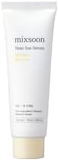
Recommended for your acne: Niacinamide - matches the reviewed ingredient list
Key ingredients: Niacinamide
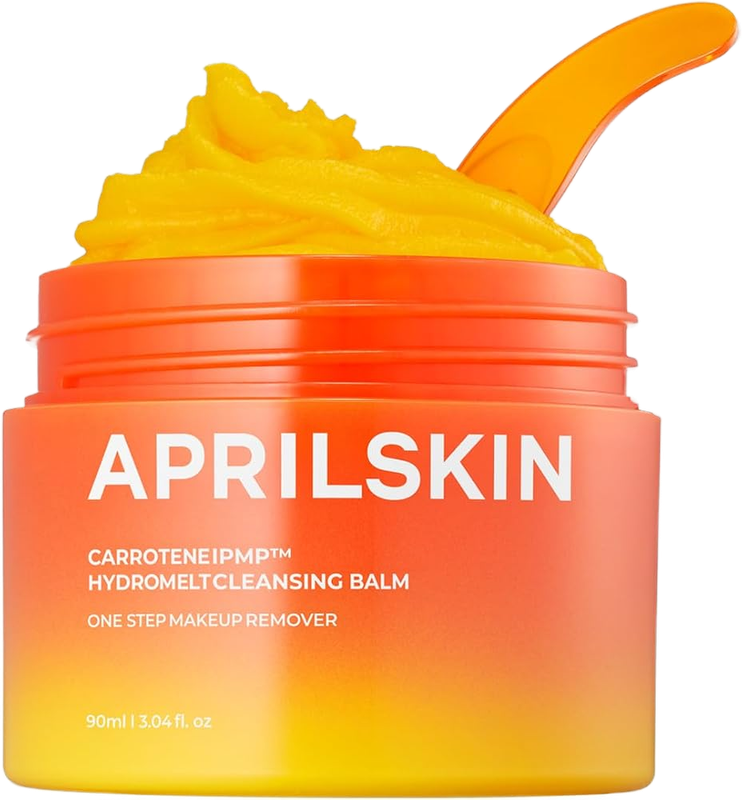
Recommended for your acne: Beta-Carotene - matches the reviewed ingredient list
Key ingredients: Beta-Carotene, Carrot Seed Oil
Night pore support: BHA helps keep clogged pores and breakout-prone texture under control.
Key ingredients: Betaine Salicylate, Melaleuca Alternifolia (Tea Tree) Leaf Oil, Allantoin
Night pore support: Salicylic Acid helps keep clogged pores and breakout-prone texture under control.
Key ingredients: Salicylic Acid, Tea Tree
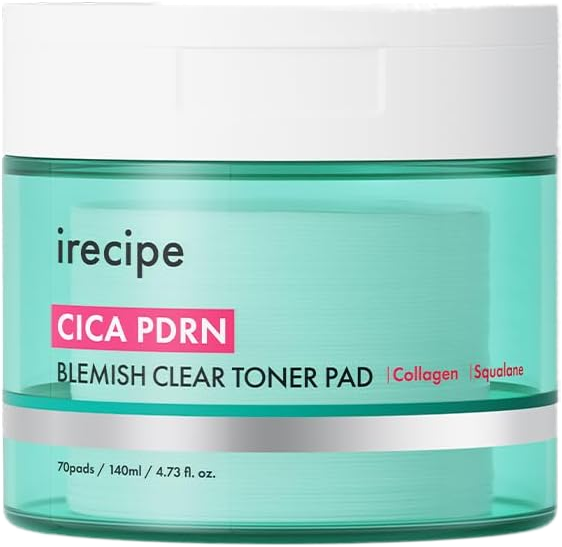
Night redness support: PDRN helps calm visible redness while keeping the routine easier to tolerate.
Key ingredients: PDRN, Centella Asiatica, Niacinamide
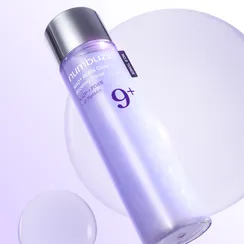
Night redness support: Niacinamide helps calm visible redness while keeping the routine easier to tolerate.
Key ingredients: Niacinamide
Night pore support: Azelaic Acid helps keep clogged pores and breakout-prone texture under control.
Key ingredients: Azelaic Acid, Panthenol, Salicylic Acid
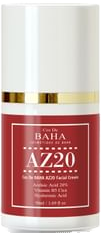
Night redness support: Azelaic Acid helps calm visible redness while keeping the routine easier to tolerate.
Key ingredients: Azelaic Acid
Why this routine works
Oily acne-prone skin needs pore clearing without the tight, squeaky finish that makes oil rebound.
Why this routine fits
Oily, acne-prone skin makes too much sebum (the oil your pores produce). That sebum mixes with dead cells and plugs your pores. BHA, an oil-soluble exfoliant, gets into those plugs and dissolves them. Use it 2-3 nights a week. A niacinamide serum tells your oil glands to slow down. Swap your heavy moisturizer for a gel. Double cleanse at night so sunscreen residue doesn't sit in your pores.
Keep BHA to a few nights a week at first. Daily exfoliation is where oily skin routines usually go sideways.
How to use the routine
AM note
Keep the morning light: gentle cleanse, oil control, gel moisture, and sunscreen.
PM note
Use the stronger pore-clearing step at night, then buffer with calming hydration.
What to expect
Week 1
Skin should feel calmer and less stripped.
Weeks 2-4
Oil, texture, or tightness should start to shift.
Weeks 6-8
Tone and resilience are easier to judge.
Why these ingredients show up
Ingredient logic
BHA (Salicylic Acid)
ProvenGets inside your pores (because it dissolves in oil) and clears out the buildup that causes blackheads and whiteheads.
Best for Blackheads, whiteheads, and inflammatory papules on oily skin
Niacinamide
ProvenTells your oil glands to slow down, so pores stay clearer and look smaller over time.
Best for Oiliness, enlarged pores, and post-acne redness
Azelaic Acid
ProvenKills the bacteria that cause pimples, unclogs pores, and fades the dark marks left behind. Three jobs, one ingredient.
Best for Acne with dark spots or rosacea overlap
Tea Tree Oil
StudiedThe active compound (terpinen-4-ol) punches holes in acne bacteria cell walls and calms inflammation around the pimple.
Best for Spot treatment on individual papules and pustules
Centella Asiatica
EmergingCalms the redness and swelling around breakouts and helps damaged skin heal faster. Not an acne fighter on its own, but a good support ingredient.
Best for Inflamed or cystic acne where barrier damage is present
How products were chosen
Why these products won
We look at two things when picking products for oily acne: does the active ingredient actually clear pores, and will the texture disappear into oily skin without leaving a film? Heavy creams don't make the cut. Every pick is backed by published research.
Want the oily acne routine tuned to your exact skin?
Answer 9 questions. Koracle checks fit, conflicts, texture, and evidence.
Build my routine →Common questions
Why does oily skin break out more than other skin types?
Your skin produces more sebum than it can push out of the pore. That excess oil mixes with dead skin cells and creates a plug. Bacteria that naturally live on your skin (called C. acnes) feed on that trapped oil and multiply. The result is redness, swelling, and pus. People with oily skin also tend to have larger pores, which means more surface area for this process to happen.
Is BHA better than AHA for oily, acne-prone skin?
For active breakouts, yes. BHA (salicylic acid) dissolves in oil, so it can travel into the pore and break up the plug from the inside. AHA dissolves in water and only works on the skin surface. That makes AHA better for smoothing texture and fading marks after acne heals. For blackheads and whiteheads that start inside the pore, BHA is the better tool. Start with 2% strength, 2-3 nights per week.
Should oily, acne-prone skin skip moisturizer?
No. When you strip oil from your skin without replacing moisture, your skin reads that as damage and produces even more oil. A lightweight gel moisturizer with humectants (water-attracting ingredients like hyaluronic acid or beta-glucan) adds hydration without adding oil. Look for labels that say 'non-comedogenic' or 'oil-free.' Your skin stays balanced instead of swinging between too dry and too oily.
How long before a K-beauty routine clears acne?
Most people see fewer new breakouts after 6-8 weeks of consistent use. Pimples that are already forming take about 4 weeks to fully resolve. The dark spots left behind after a pimple heals (called post-inflammatory hyperpigmentation) are the slowest to fade. Those can take 3-6 months even after you stop breaking out.
Does double cleansing make oily acne worse?
No, as long as you pick the right oil cleanser. The first cleanse (oil or balm) dissolves sunscreen and makeup without reaching the sebum trapped inside your pores. The second cleanse (a low-pH gel or foam) cleans the skin surface. If you skip the oil step and only foam-cleanse, you can leave behind emulsified sunscreen residue that blocks pores. Use a non-comedogenic oil cleanser and keep the massage under 60 seconds.
Can I wear makeup over acne treatment products?
Yes, just wait about 60 seconds after your last skincare step so everything absorbs. Look for 'non-comedogenic' on the label, which means it's tested not to clog pores. Powder formulas and mineral foundations sit better over BHA or niacinamide than heavy liquid foundations. If you notice more breakouts after adding a new makeup product, that product is the likely cause, not your skincare.
How we pick products
We look at two things when picking products for oily acne: does the active ingredient actually clear pores, and will the texture disappear into oily skin without leaving a film? Heavy creams don't make the cut. Every pick is backed by published research.
See your full formula-checked routine with product swaps and price tiers.
View Full RoutineWant a routine tailored to your skin?
Take the 2-minute quiz and Koracle checks formulas, evidence, texture, and conflicts.
Build my acne-prone routine