
The Best K-Beauty Routine for Combination, Acne-Prone Skin in 2026
Breakouts in your T-zone and dryness on your cheeks need opposite treatments. The trick is zone-targeting. Actives where you need them, hydration everywhere else.
Koracle is skincare education, not medical or dermatology advice. Patch-test new products. Ask a licensed dermatologist about acne, rosacea, eczema, allergic reactions, pregnancy concerns, or symptoms that persist.
Paid links: Koracle may earn from qualifying purchases. Details.
Top picks for your skin
Paid links: Koracle may earn from qualifying purchases. Details.

Recommended for your acne: Ceramides - matches the reviewed ingredient list
Key ingredients: Ceramides
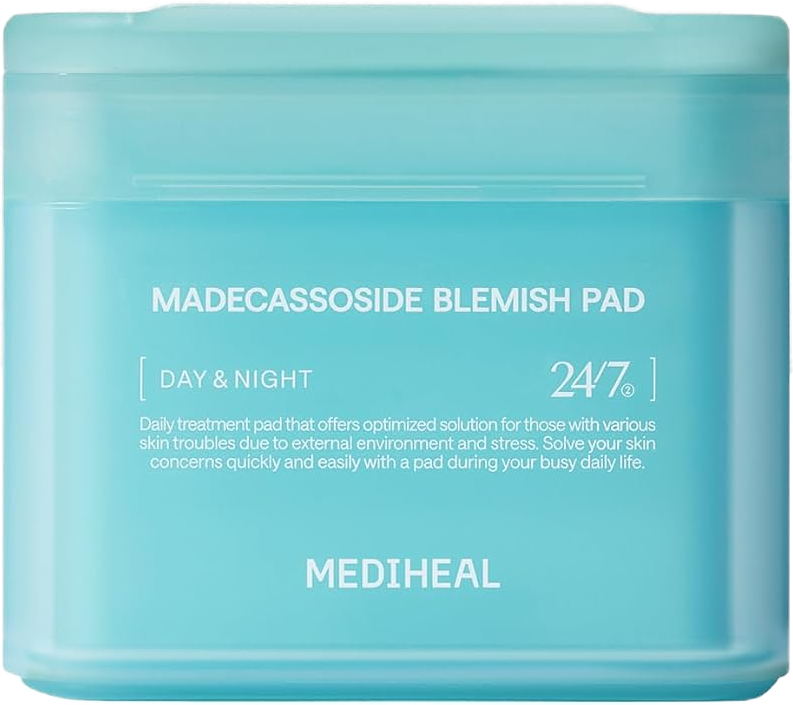
Morning redness support: Madecassoside helps calm visible redness while keeping the routine easier to tolerate.
Key ingredients: Madecassoside, Dipotassium Glycyrrhizate, Niacinamide
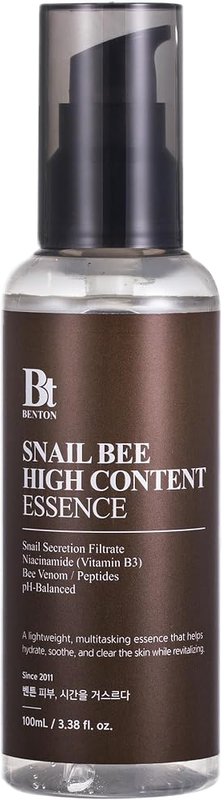
Morning barrier support: Bee Venom helps keep the skin barrier steady so treatment steps are easier to tolerate.
Key ingredients: Bee Venom, Snail Mucin, Niacinamide
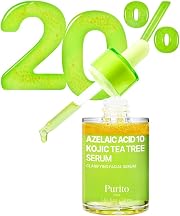
Morning pore support: Azelaic Acid helps keep clogged pores and breakout-prone texture under control.
Key ingredients: Azelaic Acid, Niacinamide, Kojic Acid
Morning redness support: Azelaic Acid helps calm visible redness while keeping the routine easier to tolerate.
Key ingredients: Azelaic Acid
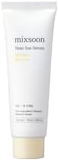
Recommended for your acne: Niacinamide - matches the reviewed ingredient list
Key ingredients: Niacinamide
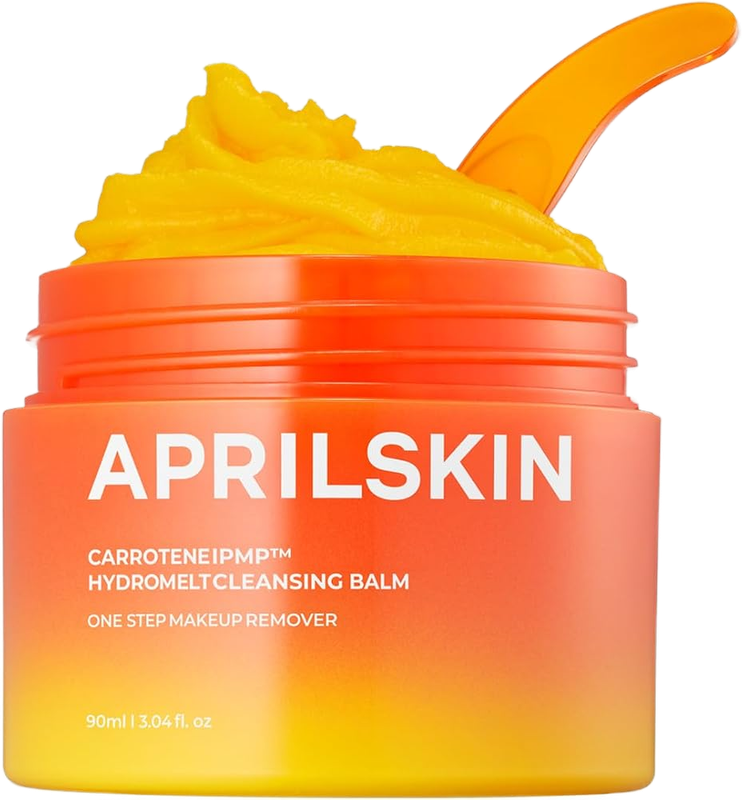
Recommended for your acne: Beta-Carotene - matches the reviewed ingredient list
Key ingredients: Beta-Carotene, Carrot Seed Oil
Night pore support: BHA helps keep clogged pores and breakout-prone texture under control.
Key ingredients: Betaine Salicylate, Melaleuca Alternifolia (Tea Tree) Leaf Oil, Allantoin
Night pore support: Salicylic Acid helps keep clogged pores and breakout-prone texture under control.
Key ingredients: Salicylic Acid, Tea Tree
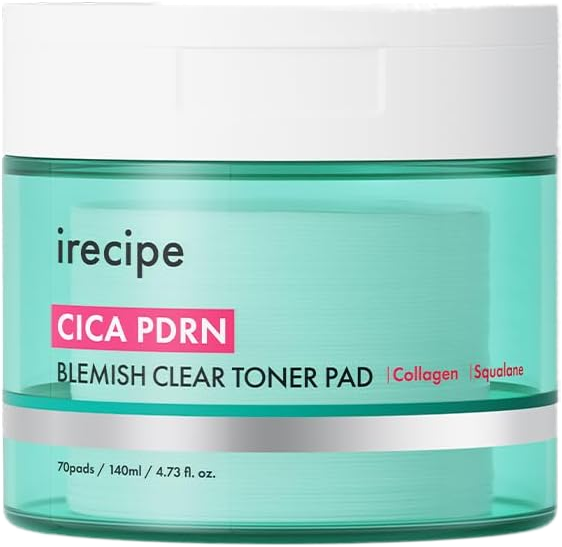
Night redness support: PDRN helps calm visible redness while keeping the routine easier to tolerate.
Key ingredients: PDRN, Centella Asiatica, Niacinamide
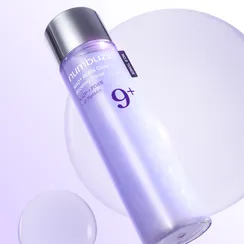
Night redness support: Niacinamide helps calm visible redness while keeping the routine easier to tolerate.
Key ingredients: Niacinamide
Night pore support: Azelaic Acid helps keep clogged pores and breakout-prone texture under control.
Key ingredients: Azelaic Acid, Panthenol, Salicylic Acid
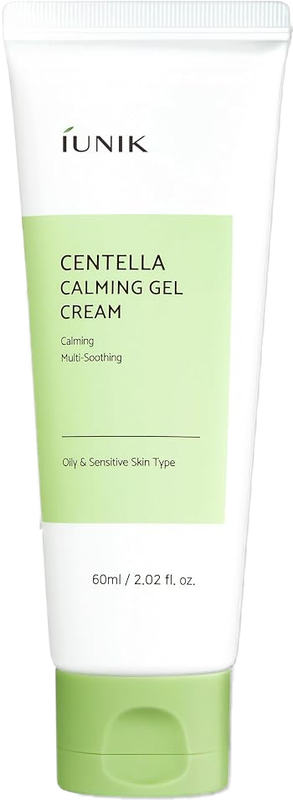
Night redness support: Centella Asiatica helps calm visible redness while keeping the routine easier to tolerate.
Key ingredients: Centella Asiatica, Tea Tree, Niacinamide
Why this routine works
Combination acne-prone skin needs balance. Treat the clogged zones without drying out the parts that already behave.
Why this routine fits
Combination acne means two different skin types on one face. Your T-zone (forehead, nose, chin) overproduces oil and clogs easily. Your cheeks tend to be drier and more reactive. The fix is zone treatment: BHA goes on the oily parts only, not the whole face. Use water-based textures everywhere. A gel-cream moisturizer keeps dry patches comfortable without turning your nose into an oil slick by noon. Same cleanser, same SPF, different active placement.
Use acne treatments where you break out most. Your whole face does not need the same intensity every night.
How to use the routine
AM note
Keep the T-zone light and give dry areas enough moisture before sunscreen.
PM note
Use exfoliation as a targeted rhythm, not a full-face punishment.
What to expect
Week 1
Skin should feel calmer and less stripped.
Weeks 2-4
Oil, texture, or tightness should start to shift.
Weeks 6-8
Tone and resilience are easier to judge.
Why these ingredients show up
Ingredient logic
BHA (Salicylic Acid)
ProvenDissolves the oily buildup inside T-zone pores. Unlike AHAs, it goes into the pore instead of working on the surface.
Best for T-zone congestion, blackheads, and oily-zone breakouts
Niacinamide
ProvenCalms oil production in your T-zone while helping dry cheeks hold onto moisture better.
Best for Oil balance across the full face without drying the cheeks
Azelaic Acid
ProvenFights acne bacteria and clears clogged pores, then helps fade any dark spots left after breakouts heal.
Best for Acne with uneven tone or dark spots after breakouts
Tea Tree Oil
StudiedIts active compound breaks down acne bacteria on contact and reduces swelling at the breakout site.
Best for Spot treatment on T-zone papules and pustules
Centella Asiatica
EmergingReduces the redness and swelling around breakouts, especially helpful for the irritated drier patches on your cheeks.
Best for Drier zones with inflammatory acne or post-breakout irritation
How products were chosen
Why these products won
Combination acne means every product has to work across two different skin zones on the same face. We test against that: does it hydrate without clogging the T-zone, and does it treat breakouts without drying out the cheeks? Lightweight, balanced textures rank highest.
Tune an acne routine for combination skin.
Answer 9 questions. Koracle checks fit, conflicts, texture, and evidence.
Build my routine →Common questions
How do I treat the T-zone and cheeks differently in one routine?
Most steps cover the whole face: cleanser, toner, SPF. The split happens with actives and moisturizer. Put your BHA (salicylic acid) on the T-zone only, 2-3 nights a week. If your cheeks feel tight after cleansing, add a slightly richer moisturizer there while keeping a lighter gel on the nose and forehead. You don't need two full routines. You just need to pay attention to where you apply what.
What textures work across both oily and drier zones on combination skin?
Watery essences, lightweight serums, and emulsion-format moisturizers work well across both zones. Thick creams tend to clog the T-zone and cause breakouts there. Gel-cream hybrids are a solid middle ground: enough slip to keep cheeks hydrated but light enough that your nose doesn't get shiny by midday. When in doubt, go lighter and layer more on dry areas.
Can I use chemical exfoliants on combination skin with acne?
Yes, but where you apply them matters more than how often. BHA is best for the T-zone where oil clogs pores. AHA (if you use one at all) works better on the cheeks for surface texture and fading. Start with 2% BHA twice a week on the oily zones and see how your skin responds before increasing. Putting BHA on already-dry cheeks is the most common mistake with combination skin.
Why do I still break out in my T-zone even when I keep it clean?
Cleansing only removes oil and dirt from the skin surface. The plugs that cause breakouts form inside the pore, where your cleanser can't reach. You need a keratolytic ingredient (one that dissolves the 'glue' holding dead cells together inside the pore). Salicylic acid does this because it's oil-soluble and can travel into the pore lining. Genetics also control how much oil your skin makes, and no amount of washing changes that.
Do I need separate morning and night routines for combination acne?
Your morning routine can be the same across your whole face: cleanser, hydrating toner, moisturizer, SPF. The night routine is where you zone-treat. Apply BHA to your T-zone only, skip the dry cheeks. Use a slightly richer moisturizer on cheeks if they feel tight. Most people don't need completely separate product sets, just different application patterns at night.
How we pick products
Combination acne means every product has to work across two different skin zones on the same face. We test against that: does it hydrate without clogging the T-zone, and does it treat breakouts without drying out the cheeks? Lightweight, balanced textures rank highest.
See your full formula-checked routine with product swaps and price tiers.
View Full RoutineWant a routine tailored to your skin?
Take the 2-minute quiz and Koracle checks formulas, evidence, texture, and conflicts.
Build my acne-prone routine