
Barrier Repair vs. Acne Treatment: Which Comes First?
In this article
You bought a BHA toner because TikTok said it would clear your bumpy forehead. Three weeks in, the bumps are worse, your cheeks sting when you wash your face, and now you're wondering if you should add a retinol too.
Stop. The order matters more than the products do. When acne and barrier damage show up together, treating the acne first makes both problems worse.
TL;DR
If your skin stings, flakes, or feels tight, repair the barrier first. Acne actives work better and irritate less on intact skin. Stripping a damaged barrier to chase breakouts is the most common reason routines stall.
How a damaged barrier looks like acne
Most "stubborn acne" on social media is barrier damage in disguise. Tiny bumps on the forehead and cheeks, flushing after cleansing, breakouts that don't form a real whitehead. These look like clogged pores but behave differently.
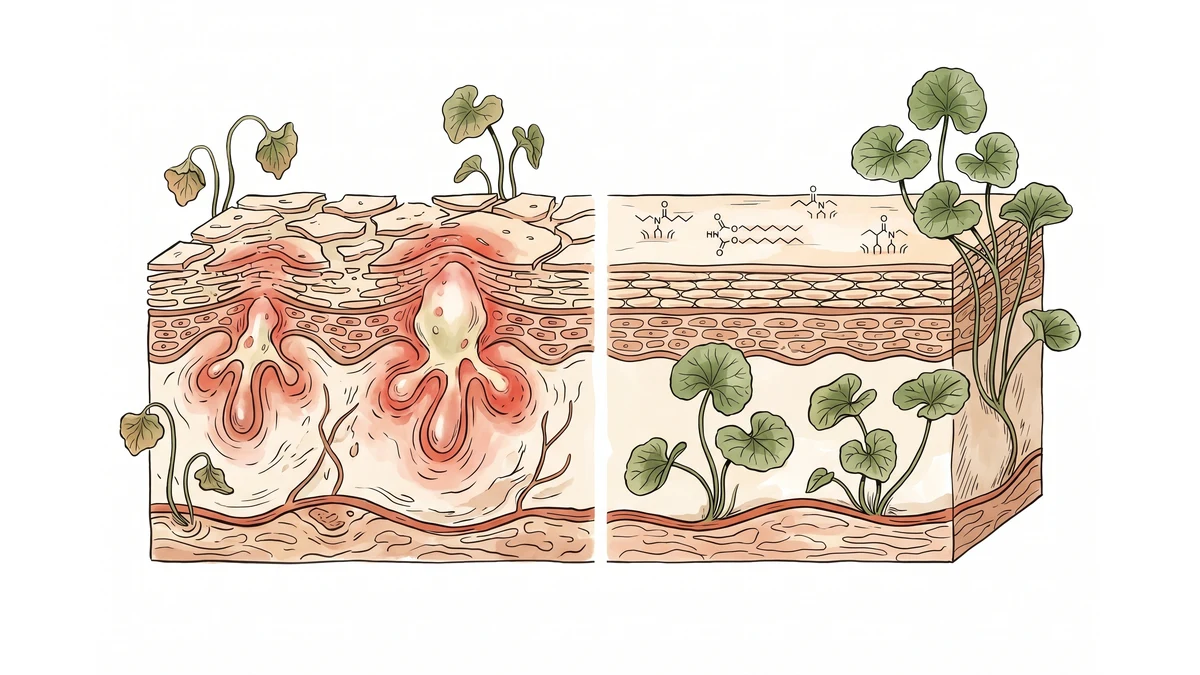
Your stratum corneum is a brick wall: corneocytes held together by ceramides, cholesterol, and fatty acids. When that mortar thins out, water escapes, irritants get in, and the skin reacts with inflammation that looks remarkably like inflammatory acne.
The mistake is treating those bumps with BHA, retinol, or benzoyl peroxide. Those ingredients work on actual acne but make a leaky barrier leakier. The bumps multiply. You add more actives. The cycle continues.
How to tell which one you have
Look at the skin between the bumps, not the bumps themselves. True acne sits on otherwise normal skin. Barrier damage shows up as overall reactivity: tightness after washing, stinging from products that used to feel fine, redness that doesn't fully fade.
Three quick tests:
The plain water test: splash lukewarm water on your face. Does it sting? That's not acne.
The vaseline test: apply a thin layer of plain petrolatum to a small patch overnight. If the area calms down by morning, your barrier is the issue.
The product audit: count your active ingredients (acids, retinoids, vitamin C, fragrance). If you're using more than two, you're likely the cause of your own problem.
Acne on a damaged barrier doesn't need stronger actives. It needs you to stop using the ones you have.
The order that works
Repair first, treat second, then prevent. This sequence takes 4 to 6 weeks but it ends the cycle of breakout-then-irritation that keeps your routine stuck.
For the rebuild phase, you want a moisturizer that actually contains barrier lipids, rather than glycerin and marketing copy.
Paid links: Koracle may earn from qualifying purchases. Details.
View on Amazon. Amazon shows final price and availability.
Paid links: Koracle may earn from qualifying purchases. Details.
View on Amazon. Amazon shows final price and availability.
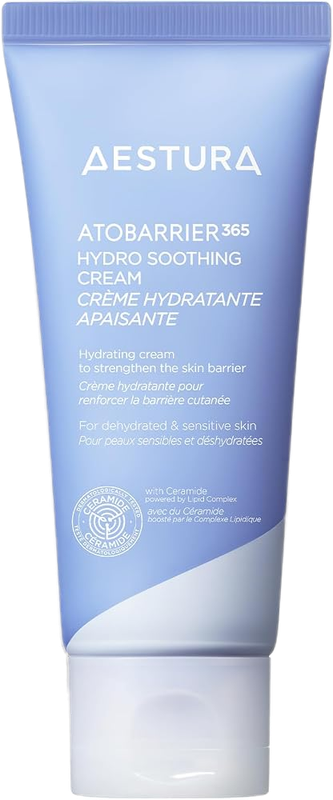
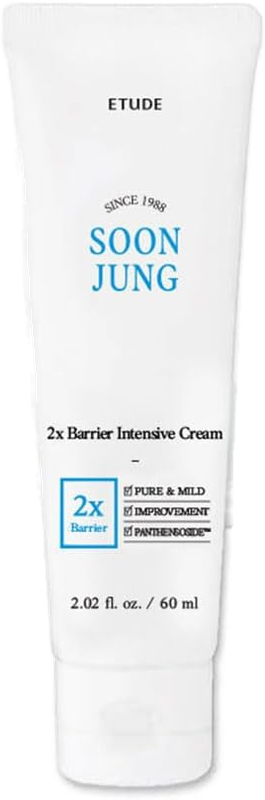
The AESTURA gel-cream uses ceramide NP at a meaningful concentration and feels light enough for acne-prone skin. The Etude SoonJung leans on panthenol and madecassoside, both well-supported for calming inflammation without clogging pores.
When the acne is actually acne
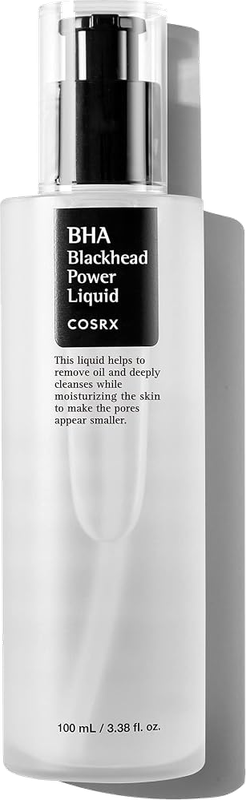
Once your barrier is intact, a targeted BHA does what it's supposed to do. Salicylic acid is oil-soluble, so it gets into the pore and breaks up the keratin plug that forms a blackhead or whitehead.
A 12-week study found 2% salicylic acid reduced inflammatory acne lesions by 47% compared to placebo (Zander & Weisman, 1992). The effect plateaus around week 8, so give it time before deciding it isn't working.
Paid links: Koracle may earn from qualifying purchases. Details.
View on Amazon. Amazon shows final price and availability.
Apply BHA to dry skin, wait 10 minutes, then layer your barrier cream. The wait is about pH, not absorption. Salicylic acid needs a low pH to work, and applying moisturizer too soon dilutes it before it penetrates.
Not sure if your bumps are acne or barrier damage?
Answer 9 questions. Koracle checks fit, conflicts, texture, and evidence.
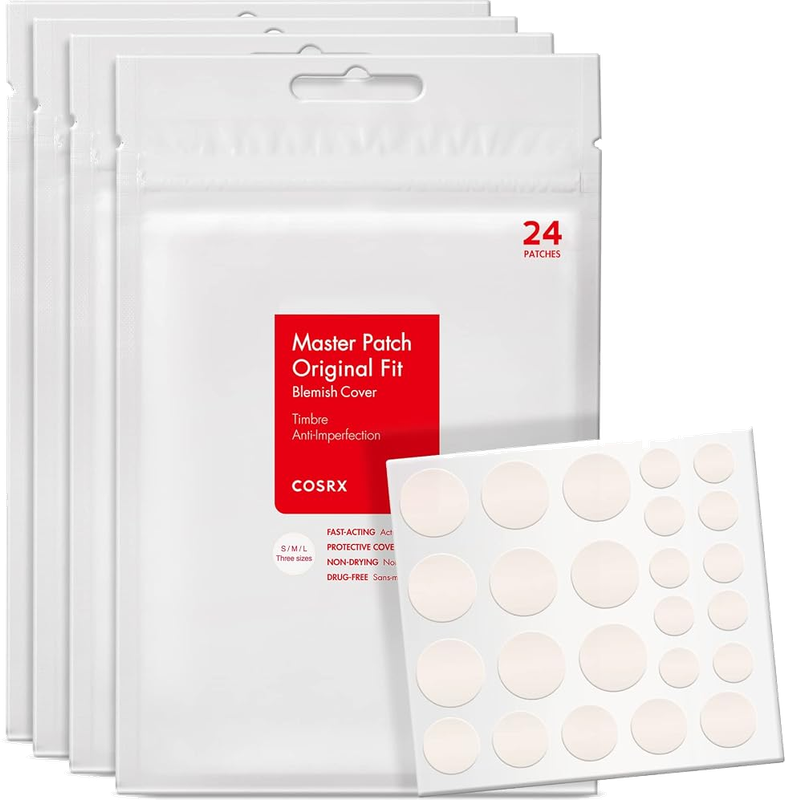
Build my routine →For active spots that are already inflamed, hydrocolloid patches do more than acids can in a single night. They pull fluid out of the lesion and protect it from your fingers.
Paid links: Koracle may earn from qualifying purchases. Details.
View on Amazon. Amazon shows final price and availability.
What about azelaic acid
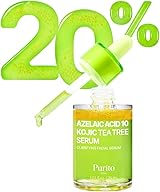
Azelaic acid is the exception that handles both problems at once. It treats acne and calms barrier inflammation without the stripping effect of stronger actives. If you're rebuilding and still want some acne treatment in the routine, this is the one that fits.
Paid links: Koracle may earn from qualifying purchases. Details.
View on Amazon. Amazon shows final price and availability.
At 10%, azelaic acid reduces inflammatory lesions, lightens post-acne marks, and doesn't compromise the barrier the way BHA can during the repair phase. It's slower than salicylic acid but kinder.
The bottom line
If your skin stings, flakes, or reacts to water, your barrier is the problem and your acne is the symptom. Strip the routine, repair for 4 weeks with ceramides and panthenol, then add one acne active at a time. The fastest way to clear skin is almost always the boring one.
Common Questions
Can I use BHA and a barrier cream at the same time?↓
Yes, once your barrier is intact. Apply the BHA first on dry skin, wait 10 minutes, then layer a ceramide or panthenol cream on top. If your skin still stings from water, pause the BHA until that's gone.
How do I know if my acne is actually barrier damage?↓
Barrier-driven breakouts usually come with tightness, stinging from plain products, and small bumps that don't form a clear whitehead. True acne lesions form a defined whitehead, blackhead, or inflamed papule and respond to BHA or benzoyl peroxide within two weeks.
How long does barrier repair take before I can add actives back?↓
Most compromised barriers recover in 2 to 4 weeks if you stop all actives and stick to a gentle cleanser, ceramide moisturizer, and SPF. Severe damage from over-exfoliation can take 6 to 8 weeks.
Will a heavy barrier cream cause more breakouts?↓
Ceramide and panthenol creams aren't comedogenic for most people. If you're worried, choose a gel-cream format with ceramides instead of a thick balm. Acne-mimicking bumps from a damaged barrier clear up once the barrier is intact.
Turn what you learned into a routine that fits your skin.
Answer a few questions and Koracle will check formula fit, budget, tolerance, and routine order.
Build my formula-checked routine