
The Best K-Beauty Routine for Oily, Brightening Skin in 2026
Post-breakout marks linger longer on oily skin because inflammation runs hotter. Fading them means calming things down first, then brightening. a hyaluronic acid essence on damp skin before a gel moisturizer gives you hydration without extra oil. Skip anything with shea butter.
Koracle is skincare education, not medical or dermatology advice. Patch-test new products. Ask a licensed dermatologist about acne, rosacea, eczema, allergic reactions, pregnancy concerns, or symptoms that persist.
Paid links: Koracle may earn from qualifying purchases. Details.
Top picks for your skin
Paid links: Koracle may earn from qualifying purchases. Details.
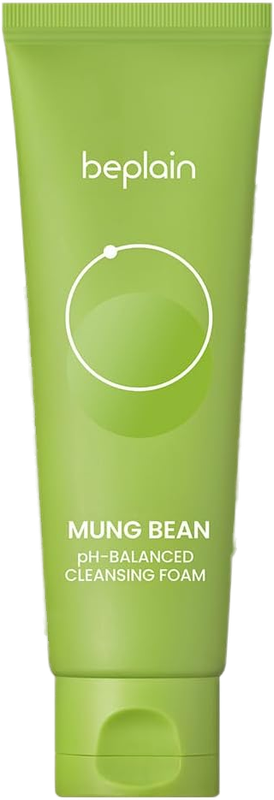
Recommended for your dullness: pH-Balanced Foam - matches the reviewed ingredient list
Morning barrier support: Peptide Complex helps keep the skin barrier steady so treatment steps are easier to tolerate.
Key ingredients: Acetyl Hexapeptide-8, Copper Tripeptide-1, Niacinamide
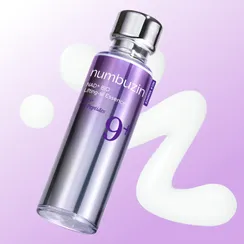
Morning barrier support: Niacinamide helps keep the skin barrier steady so treatment steps are easier to tolerate.
Key ingredients: Niacinamide, Vitamin C (Ascorbic Acid)
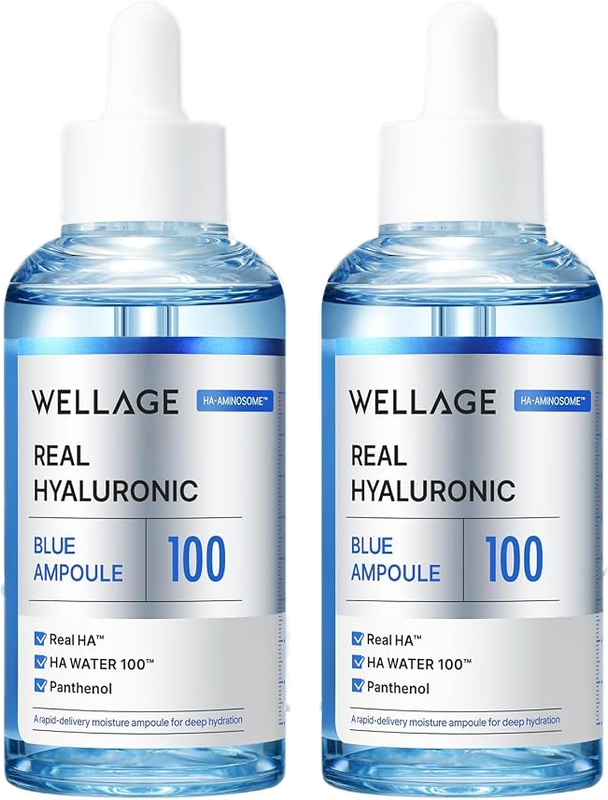
Morning barrier support: Multi-Molecular Hyaluronic Acid helps keep the skin barrier steady so treatment steps are easier to tolerate.
Key ingredients: 8-Layer Hyaluronic Acid, Panthenol
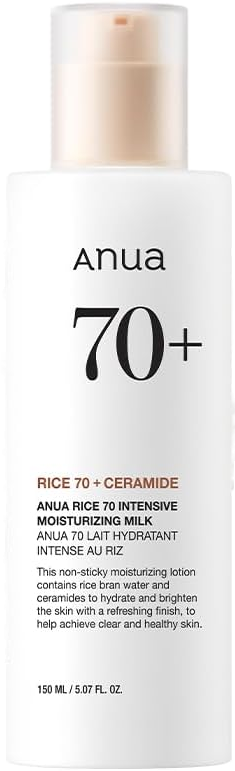
Recommended for your dullness: Rice Ferment - matches the reviewed ingredient list
Key ingredients: Oryza Sativa (Rice) Bran Water, Niacinamide, Ceramide NP
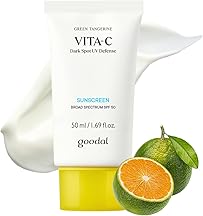
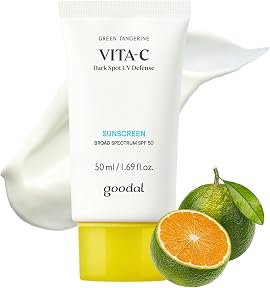
Morning photoprotection: daily sunscreen is the anchor for pigment control and UV-triggered tone changes.
Key ingredients: Citrus Tangerina (Tangerine) Extract, Ascorbic Acid, Homosalate
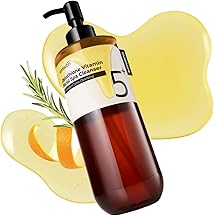
Recommended for your dullness: Ascorbic Acid - matches the reviewed ingredient list
Key ingredients: Ascorbic Acid, Helianthus Annuus (Sunflower) Seed Oil, Tocopherol
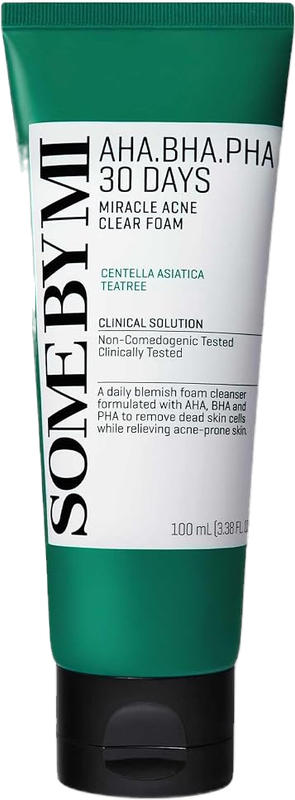
Recommended for your dullness: Tea Tree - matches the reviewed ingredient list
Key ingredients: Centella Asiatica, Tea Tree, Salicylic Acid
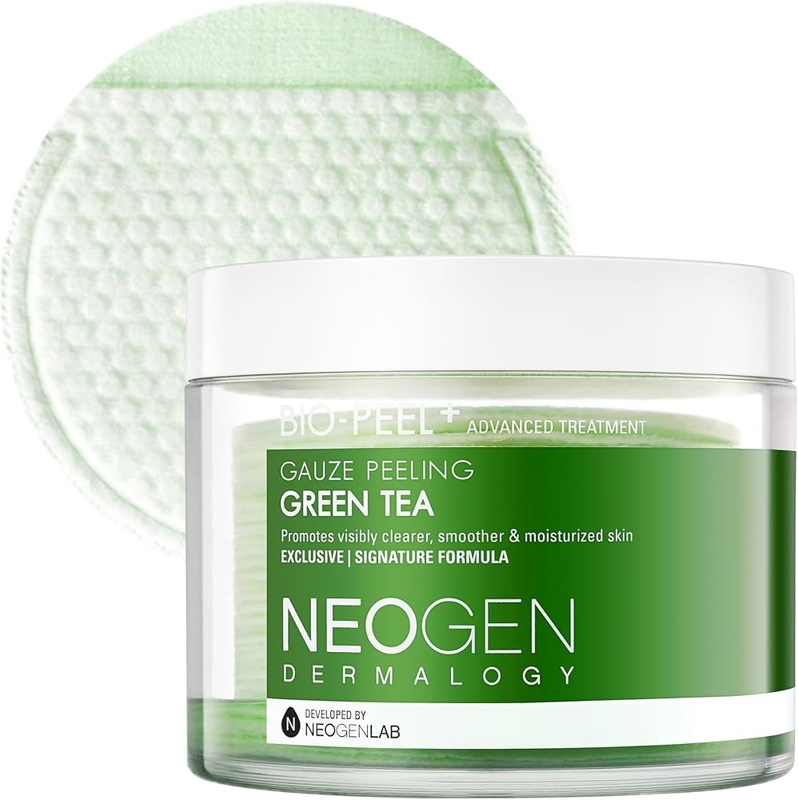
Recommended for your dullness: Green Tea - matches the reviewed ingredient list
Key ingredients: Green Tea, Lactic Acid
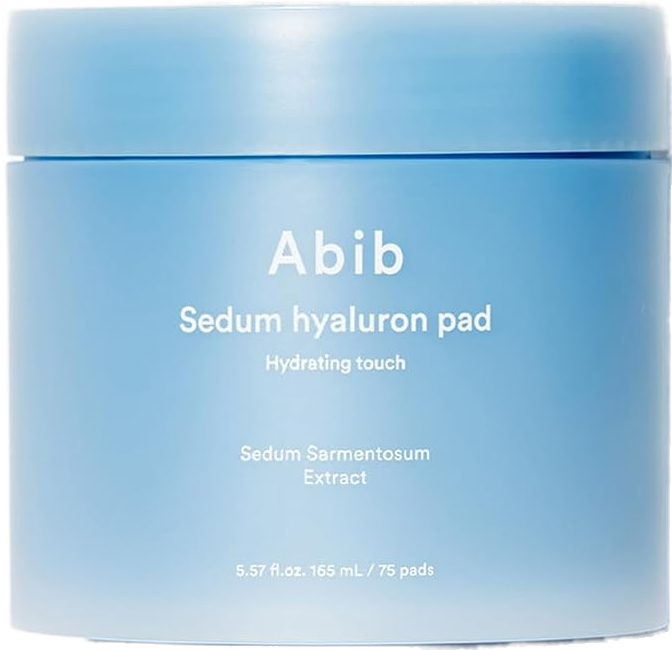
Night barrier support: Hyaluronic Acid helps keep the skin barrier steady so treatment steps are easier to tolerate.
Key ingredients: Hyaluronic Acid
Night barrier support: Ginseng helps keep the skin barrier steady so treatment steps are easier to tolerate.
Key ingredients: Ginseng, Rehmannia
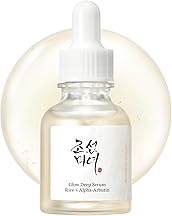
Night barrier support: Alpha-Arbutin helps keep the skin barrier steady so treatment steps are easier to tolerate.
Key ingredients: Alpha-Arbutin, Rice Extract, Niacinamide
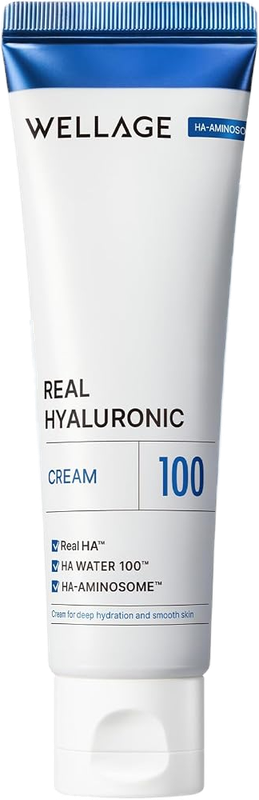
Night barrier support: Hyaluronic Acid Complex helps keep the skin barrier steady so treatment steps are easier to tolerate.
Key ingredients: Hyaluronic Acid
Why this routine works
Oily skin can look dull when sunscreen, sebum, and dead skin build up. This routine brightens without adding heavy layers.
Why this routine fits
Dull oily skin has a layer of dead cells and sebum sitting on top, scattering light instead of reflecting it. That flat look is buildup, not your skin tone. A chemical exfoliant (AHA or BHA, two to three nights a week) dissolves that layer. A niacinamide serum during the day targets the melanin underneath while keeping oil in check. Stick to water-based textures. Wear SPF every morning, because one afternoon of UV undoes a week of brightening work.
For oily skin, glow comes from controlled oil plus even tone. Heavy creams can make brightness look like shine.
How to use the routine
AM note
Use brightening actives under sunscreen so daytime UV does not keep dullness going.
PM note
Keep night texture light. Let the treatment layer do the work before moisturizer.
What to expect
Week 1
Skin should feel calmer and less stripped.
Weeks 2-4
Oil, texture, or tightness should start to shift.
Weeks 6-8
Tone and resilience are easier to judge.
Why these ingredients show up
Ingredient logic
Vitamin C (Ascorbic Acid)
ProvenBlocks the enzyme (tyrosinase) that makes melanin. Also works as an antioxidant, catching UV damage before it can trigger new dark spots.
Best for Existing dark spots, sun-induced discoloration, daily UV defense support
Niacinamide
ProvenStops excess pigment from moving into visible skin cells and reins in oil production. One of the few ingredients with published data for both jobs.
Best for Oily skin with uneven tone, where one product needs to handle two problems
AHA (Glycolic / Mandelic Acid)
StudiedDissolves the 'glue' holding dead skin cells to the surface. Speeds up your skin's natural renewal cycle so fresh, brighter cells show up sooner.
Best for Textural dullness, post-blemish marks, blackheads on oily skin
Arbutin
EmergingReleases a tiny amount of hydroquinone (a strong brightener) slowly on the skin's surface. Same result as hydroquinone, but gentler and steadier.
Best for Stubborn dark spots on skin that reacts to stronger brighteners
How products were chosen
Why these products won
Dull oily skin needs ingredients that clear the dead cell layer and target melanin underneath. Niacinamide, vitamin C, and AHA score highest for those two jobs. Water-based textures win out over creams because oily skin doesn't need extra lipids when the goal is glow.
Find your best brightening routine for oily skin.
Answer 9 questions. Koracle checks fit, conflicts, texture, and evidence.
Build my routine →Common questions
What causes dull skin on oily skin types?
Oil mixes with dead skin cells on the surface. That film scatters light unevenly and makes your face look flat. The sebum itself is not the problem. The dead cell layer is. Your skin sheds cells on a 28-day cycle, but oil slows the process by trapping those cells in place. A chemical exfoliant (AHA or PHA) speeds up shedding without scrubbing. Two to three nights per week is enough for most people.
AHA vs vitamin C for oily skin brightening: which works better?
They do different jobs. AHAs (glycolic acid, mandelic acid) dissolve the bonds holding dead cells to the surface. Results show up as smoother texture and fading post-blemish marks over four to eight weeks. Vitamin C blocks tyrosinase (the enzyme that makes melanin) and catches UV damage before it triggers new dark spots. For oily skin, use an AHA exfoliant two to three nights a week and a daytime vitamin C serum. The two together cover both cell buildup and pigment production without overlap.
Are there oil-free brightening products that won't clog pores?
Yes. Water-based serums with vitamin C, niacinamide, or tranexamic acid are naturally lightweight. Avoid formulas where dimethicone sits high on the ingredient list or where vitamin C is mixed with heavy plant oils. K-beauty essences and ampoules tend to work well here because they deliver actives in a thin, fast-absorbing base. Check that the texture disappears into your skin within 30 seconds. If it leaves a tacky film, it is too heavy.
Does niacinamide help with oily skin and brightening at the same time?
It does, and the clinical data backs both jobs. A 2002 study in the British Journal of Dermatology found that niacinamide reduced melanosome transfer (the process that moves pigment into visible skin cells) by 35 to 68 percent. A 2002 review in Cutis showed it also increases ceramide and fatty acid production in the outer layer, strengthening the moisture barrier. At 5 to 10 percent concentration, one niacinamide serum handles oil control and uneven tone together.
How often should oily skin exfoliate for brightening?
Two to three times per week is the ceiling. Going past that strips the lipid barrier, which triggers a rebound in oil production. Your skin gets oilier and more reactive at the same time. Start once a week with a 5 to 7 percent glycolic or mandelic acid product. Wait two weeks and check for irritation. If your skin tolerates it, add a second night. PHAs (polyhydroxy acids) are a lower-irritation option if glycolic stings.
Does exfoliating make my skin more sensitive to the sun?
Yes. AHAs (like glycolic acid) remove the outer layer of dead cells that provides some UV protection. Your skin is more vulnerable to UV damage for a few days after exfoliating. Always wear SPF 30+ the morning after using an AHA at night. BHA (salicylic acid) is less photosensitizing than AHA, but SPF is still non-negotiable with any exfoliant.
How we pick products
Dull oily skin needs ingredients that clear the dead cell layer and target melanin underneath. Niacinamide, vitamin C, and AHA score highest for those two jobs. Water-based textures win out over creams because oily skin doesn't need extra lipids when the goal is glow.
See your full formula-checked routine with product swaps and price tiers.
View Full RoutineWant a routine tailored to your skin?
Take the 2-minute quiz and Koracle checks formulas, evidence, texture, and conflicts.
Build my brightening routine