
Korean Skincare Routine for Beginners: Where to Actually Start

In this article
You opened TikTok, saw someone layer eleven products in a row, and closed the app. That isn't a routine. It's a haul.
A working Korean skincare routine for beginners is four steps, not ten. The other six steps exist, but they're optional add-ons for specific goals (acne, pigment, aging) rather than the foundation. Starting with all of them is how you end up with an irritated face and no idea which product caused it.
TL;DR
Start with four steps: cleanser, hydrating layer, moisturizer, sunscreen. Run that for two to four weeks before adding a single active. Most beginner skin problems are barrier problems, not ingredient problems.
Why the 10-step routine confuses beginners
The 10-step routine was never meant as a starting point. It was a category map: a way to organize the kinds of products K-beauty sells, from oil cleansers to sleeping masks. Treating it as a checklist is like treating a restaurant menu as a meal plan.
The real problem with starting at ten steps: when something irritates your skin, you can't tell which product did it. Dermatologists call this the "patch test" principle, and it applies to whole routines too. The fewer variables you change at once, the faster you learn what your skin actually wants.
Most beginner skin problems are barrier problems, not ingredient problems.
The four-step core that does most of the work
Step 1: A low-pH gel cleanser. Your skin's surface sits around pH 4.5–5.5, and cleansers above pH 7 strip the acid mantle and disrupt the stratum corneum (Schmid-Wendtner & Korting, 2006). A low-pH gel keeps the barrier intact while still removing sunscreen and sebum.
Paid links: Koracle may earn from qualifying purchases. Details.
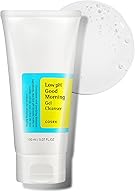
View on Amazon. Amazon shows final price and availability.
If you wear sunscreen or makeup, add a cleansing balm at night before the gel cleanser. That's the "double cleanse." Oil dissolves oil, water rinses everything else. You don't need it in the morning.
Paid links: Koracle may earn from qualifying purchases. Details.
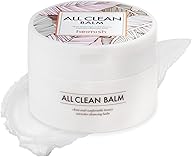
View on Amazon. Amazon shows final price and availability.
Step 2: A hydrating layer. This is where K-beauty diverges from Western routines. After cleansing, apply a watery essence or hydrating serum with hyaluronic acid or panthenol to damp skin. The mechanism is simple: humectants pull water into the upper layers of skin, where your moisturizer can then seal it.
Paid links: Koracle may earn from qualifying purchases. Details.
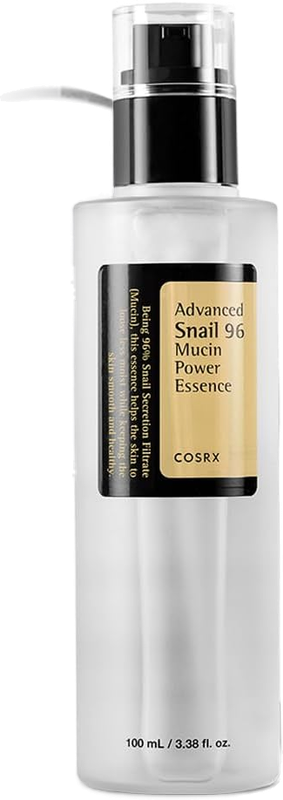
View on Amazon. Amazon shows final price and availability.
Step 3: A moisturizer with ceramides or squalane. Hydration without occlusion evaporates. Ceramides make up roughly 50% of the lipid matrix between skin cells (Coderch et al., 2003), and topical ceramides have been shown to restore barrier function in compromised skin within two weeks.
Paid links: Koracle may earn from qualifying purchases. Details.
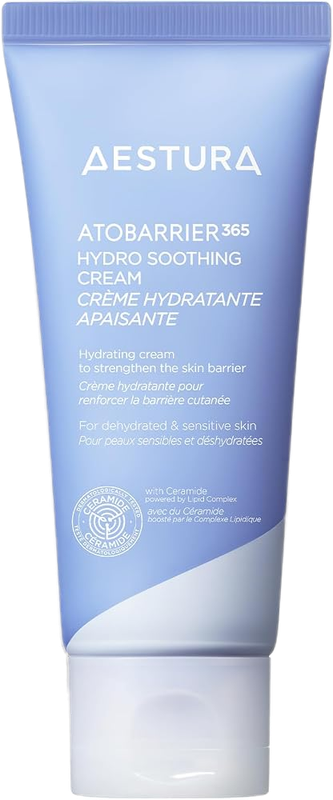
View on Amazon. Amazon shows final price and availability.
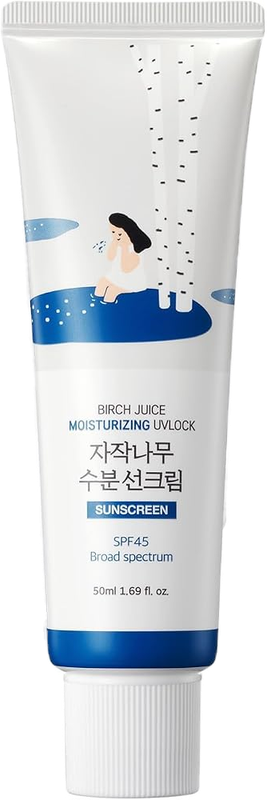
Step 4: Broad-spectrum sunscreen, every morning. UV exposure is the single largest driver of premature aging and persistent hyperpigmentation. A 4.5-year RCT in Australia found that daily sunscreen users had 24% less skin aging than the discretionary-use group (Hughes et al., 2013). No active you layer underneath can outwork unprotected sun exposure.
Paid links: Koracle may earn from qualifying purchases. Details.
View on Amazon. Amazon shows final price and availability.
In a 12-week study of barrier-compromised skin, a ceramide-containing moisturizer restored transepidermal water loss to baseline within 14 days (Draelos, 2008). Hydration first, actives later, is not a marketing line. It's the order the data supports.
What to skip in your first month
Skip the actives. No retinol, no vitamin C, no AHA/BHA in week one. Each of these can cause irritation or barrier disruption when applied to skin that isn't yet adapted, and starting them simultaneously with everything else makes it impossible to identify the cause if your face reacts.
Skip sheet masks as a "routine step." They're fine as an occasional hydration boost. They are not load-bearing.
Skip the sleeping mask until you've confirmed your moisturizer isn't enough. Most beginners don't need both.
Want a routine matched to your specific skin signals?
Answer 9 questions. Koracle checks fit, conflicts, texture, and evidence.
Build my routine →How to add a fifth step (and when)
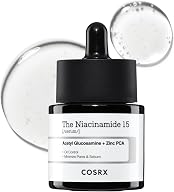
After two to four weeks of the four-step core, your skin will tell you what's still missing. Add one product at a time and give it at least three weeks before judging.
Paid links: Koracle may earn from qualifying purchases. Details.
View on Amazon. Amazon shows final price and availability.
The pattern: identify the concern, add one product, hold everything else constant. This is the same logic a clinician uses when adjusting medication. It's not glamorous. It works.
The bottom line
A beginner Korean skincare routine is four products: low-pH cleanser, hydrating layer, ceramide moisturizer, broad-spectrum sunscreen. Run that for two to four weeks. Then add one active at a time, based on what your skin is actually doing, not on what someone with different skin posted last week.
Common Questions
Do I really need 10 steps to do K-beauty?↓
No. The 10-step routine is a menu, not a prescription. Four steps (cleanser, hydrating layer, moisturizer, sunscreen) covers the evidence-backed core. Add steps only when you have a specific concern to target.
Can I start with actives like retinol or vitamin C?↓
Not in week one. Build a working barrier first with cleanser, hydration, moisturizer, and SPF. Add one active at a time after two to four weeks, so you can tell what's helping and what's irritating.
Do I need a toner?↓
Not the astringent kind your mom used. A modern K-beauty hydrating toner is a thin essence that adds water-binding ingredients before your moisturizer seals them in. Useful, but skippable if you're using a hydrating serum already.
How long before I see results?↓
Hydration and texture changes show up in 1–2 weeks. Tone and pigment changes take 8–12 weeks because that's how long skin cell turnover takes. Stop scanning your face daily and take a photo every two weeks instead.
Turn what you learned into a routine that fits your skin.
Answer a few questions and Koracle will check formula fit, budget, tolerance, and routine order.
Build my formula-checked routine