
The Best K-Beauty Routine for Combination, Hyperpigmentation Skin in 2026
Combination skin actually responds well to brighteners. Your oily zones absorb actives efficiently while dry areas need a bit more layering to catch up.
Koracle is skincare education, not medical or dermatology advice. Patch-test new products. Ask a licensed dermatologist about acne, rosacea, eczema, allergic reactions, pregnancy concerns, or symptoms that persist.
Paid links: Koracle may earn from qualifying purchases. Details.
Top picks for your skin
Paid links: Koracle may earn from qualifying purchases. Details.
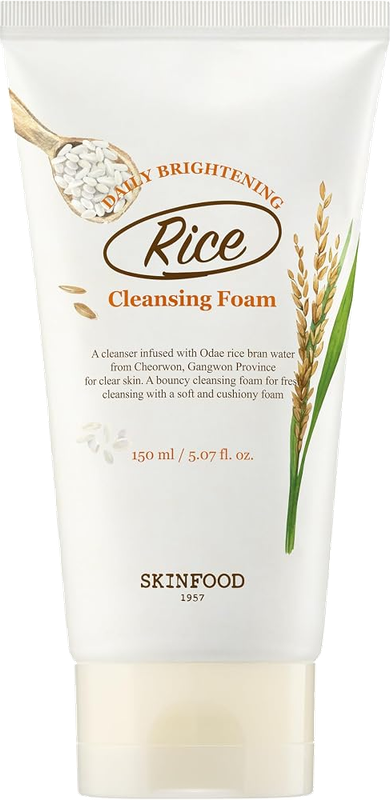
Recommended for your dark spots: Rice Extract - matches the reviewed ingredient list
Key ingredients: Rice Extract, Rice Bran Oil, Panthenol
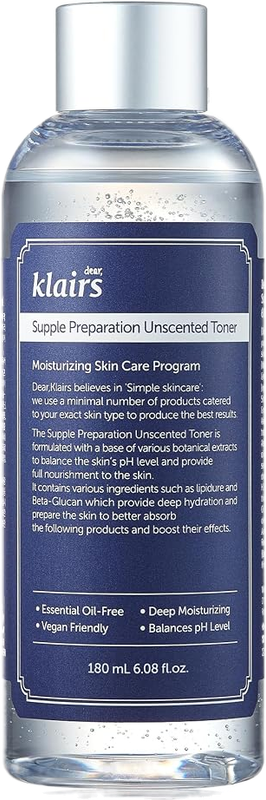
Morning pigment support: Beta-Glucan helps target uneven tone while the routine keeps irritation in check.
Key ingredients: Beta-Glucan, Sodium Hyaluronate, Centella Asiatica Extract
Morning pigment support: Niacinamide helps target uneven tone while the routine keeps irritation in check.
Key ingredients: Niacinamide, Vitamin C (Ascorbic Acid)
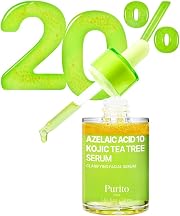
Morning pigment support: Azelaic Acid helps target uneven tone while the routine keeps irritation in check.
Key ingredients: Azelaic Acid, Niacinamide, Kojic Acid
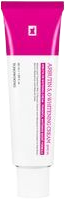
Morning barrier support: Niacinamide helps keep the skin barrier steady so treatment steps are easier to tolerate.
Key ingredients: Niacinamide, Centella Asiatica
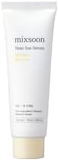
Morning photoprotection: daily sunscreen is the anchor for pigment control and UV-triggered tone changes.
Key ingredients: Niacinamide
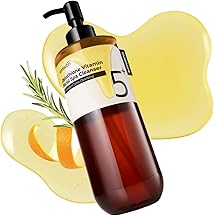
Recommended for your dark spots: Ascorbic Acid - matches the reviewed ingredient list
Key ingredients: Ascorbic Acid, Helianthus Annuus (Sunflower) Seed Oil, Tocopherol
Recommended for your dark spots: Rice Extract - matches the reviewed ingredient list
Key ingredients: Rice Extract, Rice Bran Oil, Panthenol
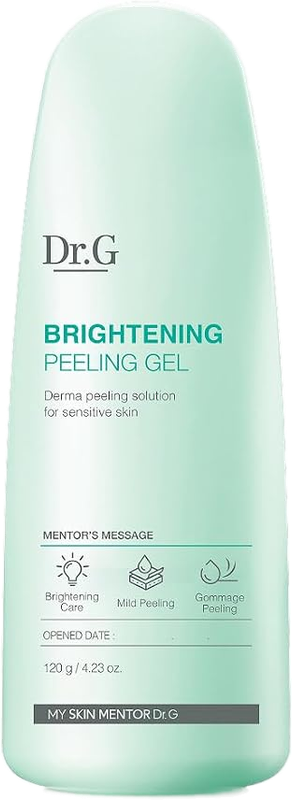
Night renewal: Cellulose adds gentle weekly smoothing without over-stacking daily actives.
Key ingredients: Cellulose, Vitamin C
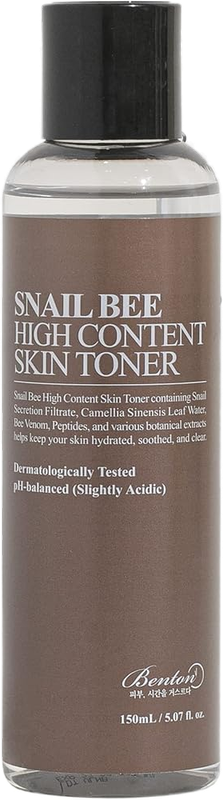
Night barrier support: Snail Secretion Filtrate helps keep the skin barrier steady so treatment steps are easier to tolerate.
Key ingredients: Snail Secretion Filtrate, Bee Venom, Niacinamide
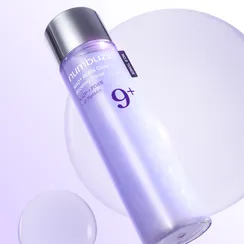
Night pigment support: Niacinamide helps target uneven tone while the routine keeps irritation in check.
Key ingredients: Niacinamide
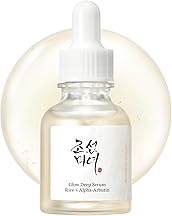
Night pigment support: Alpha-Arbutin helps target uneven tone while the routine keeps irritation in check.
Key ingredients: Alpha-Arbutin, Rice Extract, Niacinamide
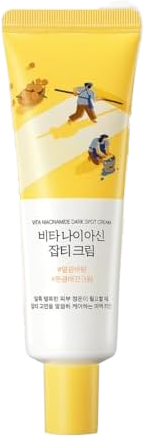
Night barrier support: Niacinamide helps keep the skin barrier steady so treatment steps are easier to tolerate.
Key ingredients: Niacinamide
Why this routine works
Combination skin with dark spots needs even tone without making the oily zones heavier or the dry zones tighter.
Why this routine fits
Combination skin with dark spots is simpler than it sounds. Niacinamide and tranexamic acid work on both oily and dry zones without any adjustment. Apply them across the whole face. Save zone-specific thinking for your moisturizer: lighter on the T-zone, richer on cheeks. SPF 50 everywhere, every morning. That single step prevents more new spots than any brightening serum can fix after the fact.
The best brightening routine controls irritation. Red, stressed skin is more likely to leave marks behind.
How to use the routine
AM note
Use the same brightening serum everywhere, then adjust moisturizer by zone.
PM note
Keep renewal slow and steady so combination skin does not split into oily and flaky.
What to expect
Week 1
Skin should feel calmer and less stripped.
Weeks 2-4
Oil, texture, or tightness should start to shift.
Weeks 6-8
Tone and resilience are easier to judge.
Why these ingredients show up
Ingredient logic
Niacinamide
ProvenWorks on both zones without adjustment. Fades spots everywhere and helps balance oil on the T-zone while hydrating the cheeks.
Best for Combination skin; zone-agnostic at standard concentrations; strengthens barrier on dry areas while regulating oil
Tranexamic acid
StudiedBlocks the same UV-to-pigment signal on both oily and dry zones. Lightweight, no irritation issues, and pairs safely with other brightening actives.
Best for Combination skin; works in both hydrating serums and gel formulas
Vitamin C (L-ascorbic acid)
ProvenBlocks melanin production at the source and also breaks down pigment that's already formed. Fastest-acting brightening ingredient with published data.
Best for Morning antioxidant use alongside SPF; fastest acting on existing spots
Alpha-arbutin
StudiedGently slows pigment production at the cell level. Best for maintenance once spots start fading.
Best for Long-term maintenance; pairs with vitamin C for daytime protection; no photosensitivity risk
Azelaic acid
ProvenTargets dark spots and pore congestion at the same time. Doesn't irritate dry cheeks or clog oily T-zone pores.
Best for Combination skin with acne scarring or breakout-related dark spots
How products were chosen
Why these products won
Brightening actives for combination skin have to work across both zones without irritating either. Niacinamide and tranexamic acid score highest because they don't favor one zone over the other. Lightweight serums and gel-creams rank above heavy formulas.
Find a dark spot routine for combination skin.
Answer 9 questions. Koracle checks fit, conflicts, texture, and evidence.
Build my routine →Common questions
How do I apply brightening products to combination skin when my T-zone and cheeks have different needs?
For most brightening actives (niacinamide, tranexamic acid, alpha-arbutin), apply the same product across the entire face. These ingredients don't make oiliness or dryness worse at normal concentrations. If your vitamin C serum dries out your cheeks, apply a thin layer of hyaluronic acid serum to the cheeks first, then layer vitamin C over both zones. Only adjust your moisturizer by zone: heavier on dry cheeks, lighter or skipped on the T-zone.
Is it safe to layer multiple brightening actives at once?
Usually yes, with one caveat. High-concentration L-ascorbic acid (above 15%) used in the same step as high-concentration niacinamide (above 10%) can cause a niacin flush or reduce how well both work. Separate them into AM and PM if you use both at high doses. At the concentrations in most K-beauty products (niacinamide at 2 to 5%, vitamin C derivatives at 5 to 15%), there's no documented negative interaction. Tranexamic acid and alpha-arbutin can go in the same routine without concern.
Alpha-arbutin or vitamin C: which one for combination skin with dark spots?
Both reduce melanin production, but through different pathways. Vitamin C blocks tyrosinase (the enzyme that produces melanin) directly and also breaks down pigment that's already formed. It acts on existing spots faster. Alpha-arbutin is gentler and more stable, better suited for ongoing prevention and maintenance. For combination skin, vitamin C as a morning serum before SPF and alpha-arbutin in a daily moisturizer is a common setup. If your skin is reactive, start with arbutin alone before adding vitamin C.
Should I do my brightening actives in the morning or the evening?
Vitamin C works best in the morning because it provides antioxidant protection against UV-triggered free radicals that stimulate melanin. It works alongside your SPF, not as a replacement. Retinoids and exfoliating acids go in the PM to avoid UV sensitivity. Niacinamide and tranexamic acid fit in either slot. Many people use them both AM and PM to maximize contact time. If you're stacking multiple actives, keep PM for anything that increases photosensitivity.
Why do my dark spots look worse in certain lighting?
Melanin (the pigment in dark spots) absorbs and reflects light differently depending on the angle and type of light source. Fluorescent lighting and direct sunlight tend to make hyperpigmentation more visible. Warm, soft lighting diffuses it. Your spots aren't actually changing day to day. What changes is how light interacts with the melanin deposits at different depths in your skin. This is also why progress photos should always be taken in the same lighting.
How we pick products
Brightening actives for combination skin have to work across both zones without irritating either. Niacinamide and tranexamic acid score highest because they don't favor one zone over the other. Lightweight serums and gel-creams rank above heavy formulas.
See your full formula-checked routine with product swaps and price tiers.
View Full RoutineWant a routine tailored to your skin?
Take the 2-minute quiz and Koracle checks formulas, evidence, texture, and conflicts.
Build my hyperpigmentation routine