
Acne-Prone Skin: A K-Beauty Approach
In this article
Why acne keeps coming back
Acne is not just dirty skin. It is oil, sticky dead skin, bacteria, and inflammation getting trapped in the same pore.
Concern snapshot
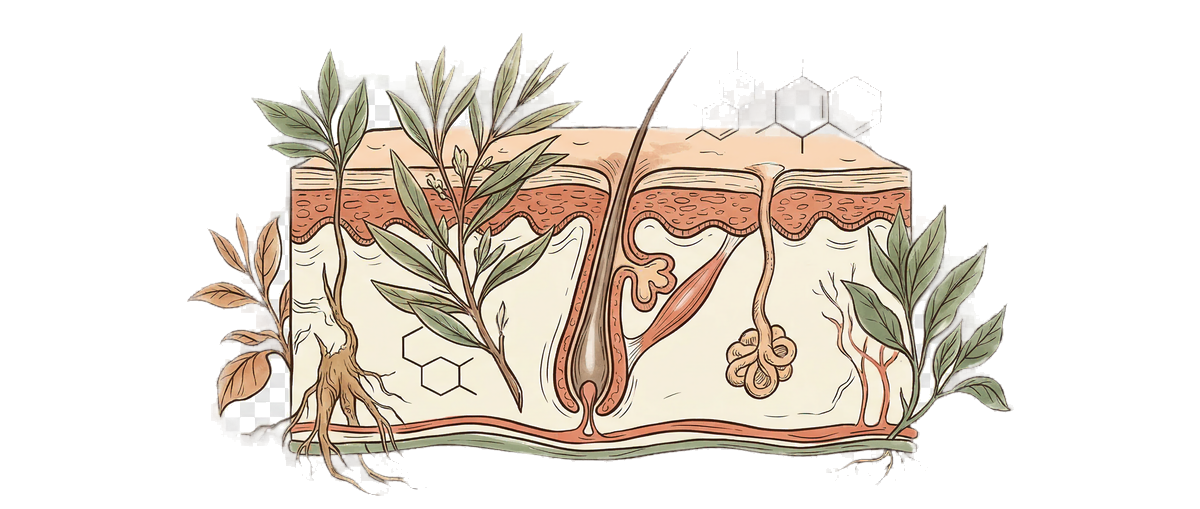
Acne forms when excess sebum and dead skin cells block hair follicles, creating an oxygen-free environment where C.
5 mapped causes
5 key ingredients
Layered support
The goal is not to dry every pimple out. The goal is to keep pores moving while your barrier stays calm.
What drives breakouts?
Breakouts repeat when the pore stays blocked and inflamed. A good routine has to lower oil, loosen the plug, and reduce irritation at the same time.
What keeps it going
01. Excess sebum production, genetically determined but worsened by hormonal fluctuations during puberty, menstruation, and stress.
02. Follicular hyperkeratinization: dead skin cells stick together inside the pore lining instead of shedding normally, forming a plug called a microcomedone.
03. C. acnes bacterial overgrowth: these bacteria thrive in the anaerobic, sebum-rich environment inside a blocked pore and produce inflammatory byproducts.
04. Inflammatory immune response: the body's reaction to bacterial byproducts causes the redness, swelling, and pain of papules, pustules, and cysts.
05. Barrier disruption from over-cleansing: stripping the skin's lipid layer signals sebaceous glands to produce more oil, restarting the cycle.
Which ingredients matter most?
The best acne ingredients do different jobs. BHA works inside oily pores. Niacinamide helps with oil balance. Centella helps the red, angry phase calm down.
Evidence-backed ingredients
BHA (Salicylic Acid)
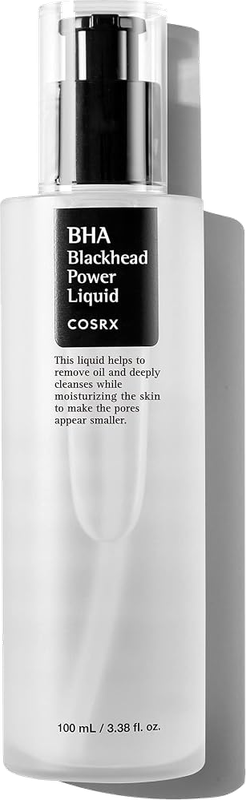
ProvenOil-soluble beta-hydroxy acid that penetrates into the follicle, dissolves the sebum-and-keratin plug blocking the pore, and exfoliates the pore lining to helps reduce new blockages from forming.
Ye et al., 2024 — Journal of Cosmetic Dermatology
Niacinamide
ProvenInhibits sebum transfer from sebocytes to keratinocytes, reducing surface oiliness. At 2-5%, it also shrinks pore appearance by improving elasticity around follicle openings.
Draelos et al., 2006 — Journal of Cosmetic and Laser Therapy
Azelaic Acid
ProvenKills C. acnes bacteria, suppresses the abnormal keratinocyte proliferation inside follicles that causes plugs, and inhibits tyrosinase to fade post-inflammatory dark spots.
King et al., 2023 — Journal of Cosmetic Dermatology
Centella Asiatica
EmergingTriterpene compounds (asiaticoside, madecassoside) reduce inflammatory cytokine production around active breakouts and support the skin barrier after overuse of strong actives.
Anggraeni et al., 2021 — Journal of Basic and Clinical Physiology and Pharmacology
Tea Tree Oil
StudiedTerpinen-4-ol disrupts bacterial cell membranes on contact. At 5% concentration, it reduced total acne lesions by 43.6% over 6 weeks in a placebo-controlled trial.
Enshaieh et al., 2007 — Indian Journal of Dermatology, Venereology and Leprology
What should the routine do?
Your routine should feel boring in the best way. Cleanse gently, use BHA a few nights a week, keep a light moisturizer, and wear SPF so old marks do not darken.
Routine principles
A K-beauty acne routine works in layers: an oil cleanser removes sunscreen and makeup without pushing debris deeper into pores, a low-pH water cleanser clears the skin surface, and a BHA exfoliant (2-3 nights per week) dissolves blockages inside the pore. A niacinamide serum applied daily controls oil production and supports the barrier, while a lightweight gel moisturizer helps reduce the rebound oiliness that happens when skin is stripped dry. SPF in the morning stops UV from darkening post-acne marks.
What mistakes make acne worse?
Most acne routines fail because they get too aggressive too fast. If your face feels tight after every wash, your routine is probably making the cycle louder.
Common traps
01. Using a high-pH foaming cleanser that strips the acid mantle: this triggers more oil production and weakens the barrier, making breakouts worse within weeks.
02. Applying BHA every night from day one instead of starting at 2-3 times per week. Over-exfoliation damages the barrier and causes a wave of new breakouts that looks like purging but is actually irritation.
03. Skipping moisturizer because the skin feels oily. Without a moisture barrier, transepidermal water loss increases and sebaceous glands compensate by producing more sebum.
04. Spot-helping with with toothpaste, rubbing alcohol, or undiluted tea tree oil. These cause chemical burns and post-inflammatory hyperpigmentation that lasts months longer than the original pimple would have.
Not sure which acne routine fits your skin type?
Answer 9 questions. Koracle checks fit, conflicts, texture, and evidence.
Build my routine →Common questions
What is the difference between purging and a breakout from a new product?
Purging happens only with ingredients that increase cell turnover: BHA, AHA, retinol. It shows up as small whiteheads in areas where you already get breakouts, and it clears within 4-6 weeks. A reaction breakout appears in new locations, includes larger inflamed lesions, and gets worse over time instead of resolving. If a product without exfoliating actives (like a new moisturizer or cleanser) causes breakouts, that is a reaction, not purging.
Can I use niacinamide and salicylic acid in the same routine?
Yes. They work through different mechanisms and don't interfere with each other. Niacinamide reduces oil production and supports the barrier; salicylic acid clears pore blockages. Apply BHA first (it needs direct contact with skin at its active pH), wait a minute, then layer niacinamide over it. Many K-beauty toners combine both in one product at compatible concentrations.
How often should I exfoliate acne-prone skin?
Start with a 2% BHA two to three nights per week. If after four weeks your skin tolerates it well (no excessive dryness, flaking, or increased redness) you can move to every other night. Daily BHA use is rarely necessary and increases the risk of barrier damage. Physical scrubs should be avoided on inflamed acne entirely; they can rupture pustules and spread bacteria.
Does diet actually affect acne?
There is published evidence linking high-glycemic diets and dairy consumption to increased acne severity. High-glycemic foods spike insulin, which raises IGF-1 and androgen levels that stimulate sebum production. Skim milk shows a stronger association than whole milk in observational studies, possibly due to processing-related hormone concentrations. Diet alone won't clear moderate-to-severe acne, but it can be a contributing factor worth examining alongside a topical routine.
Why do my acne scars look worse some days than others?
What most people call acne scars are actually post-inflammatory hyperpigmentation (flat dark marks) or post-inflammatory erythema (flat pink/red marks). These respond to ambient light, hydration level, and blood flow. Dehydrated skin makes texture more visible. UV exposure darkens PIH marks temporarily. True indented scars (ice pick, boxcar, rolling) don't fluctuate day to day: those require professional care like microneedling or laser resurfacing, not topical products.
Is it okay to pop a pimple if it has a visible white head?
Dermatologists generally advise against it because squeezing pushes infected material deeper into the dermis, increasing the risk of scarring and prolonging recovery time. If a whitehead has risen fully to the surface and is about to drain on its own, a hydrocolloid patch placed overnight draws out the fluid without pressure. These patches also helps reduce you from touching the area, which reduces reinfection risk.
Top picks for acne
Paid links: Koracle may earn from qualifying purchases. Details.
Find products matched to your skin type and concerns.
Build my acne routine