
The Best K-Beauty Routine for Sensitive, Acne-Prone Skin in 2026
Breakouts in your T-zone and dryness on your cheeks need opposite treatments. The trick is zone-targeting. Actives where you need them, hydration everywhere else. fragrance-free everything and a centella toner as your base. Combination-sensitive skin does best with minimal, well-tested ingredients across both zones.
Koracle is skincare education, not medical or dermatology advice. Patch-test new products. Ask a licensed dermatologist about acne, rosacea, eczema, allergic reactions, pregnancy concerns, or symptoms that persist.
Paid links: Koracle may earn from qualifying purchases. Details.
Treating acne on sensitive skin
Most acne treatments (benzoyl peroxide, high-% BHA) are too harsh for reactive skin. Korean skincare offers gentler alternatives: centella-based treatments, low-concentration azelaic acid, and tea tree spot treatments that fight breakouts without destroying your barrier.
Top picks for your skin
Paid links: Koracle may earn from qualifying purchases. Details.

Recommended for your acne: Ceramides - matches the reviewed ingredient list
Key ingredients: Ceramides
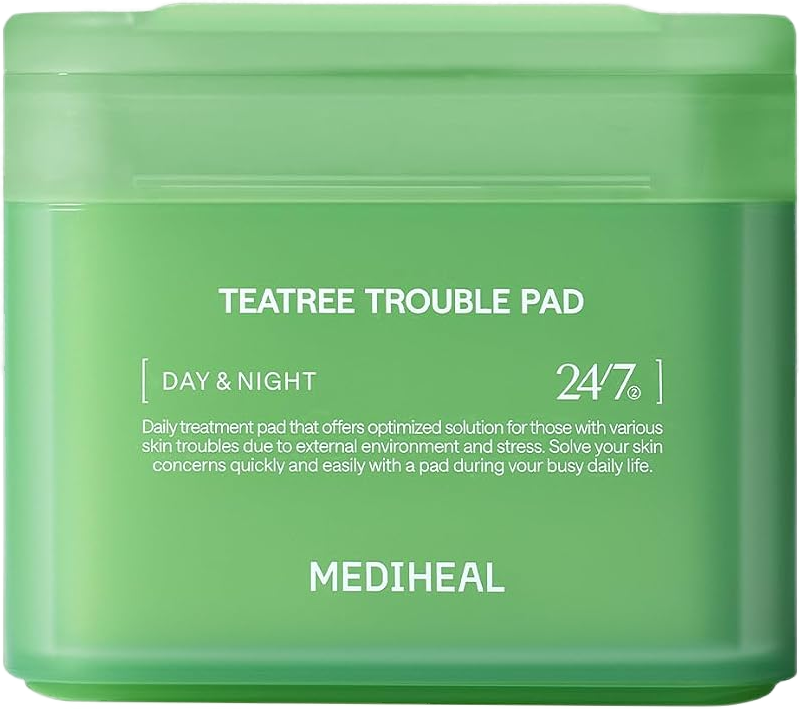
Recommended for your acne: Tea Tree Oil - matches the reviewed ingredient list
Key ingredients: Melaleuca Alternifolia (Tea Tree) Leaf Oil, Dipotassium Glycyrrhizate, Lactobacillus Ferment
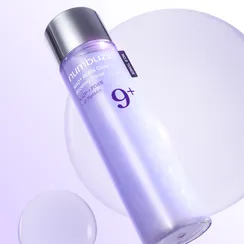
Morning redness support: Niacinamide helps calm visible redness while keeping the routine easier to tolerate.
Key ingredients: Niacinamide
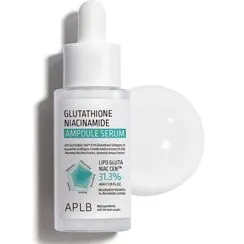
Morning pore support: Niacinamide helps keep clogged pores and breakout-prone texture under control.
Key ingredients: Centella Asiatica, Niacinamide, Panthenol
Morning redness support: Azelaic Acid helps calm visible redness while keeping the routine easier to tolerate.
Key ingredients: Azelaic Acid
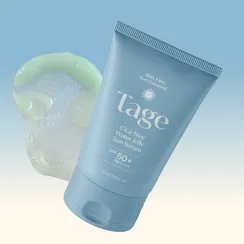
Recommended for your acne: Tea Tree - matches the reviewed ingredient list
Key ingredients: Tea Tree, Niacinamide
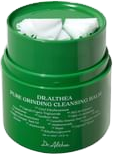
Recommended for your acne: Centella Asiatica - matches the reviewed ingredient list
Key ingredients: Centella Asiatica
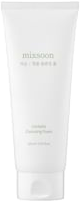
Night pore support: Salicylic Acid helps keep clogged pores and breakout-prone texture under control.
Key ingredients: Salicylic Acid
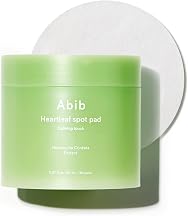
Night redness support: Heartleaf Extract helps calm visible redness while keeping the routine easier to tolerate.
Key ingredients: Heartleaf Extract, PHA
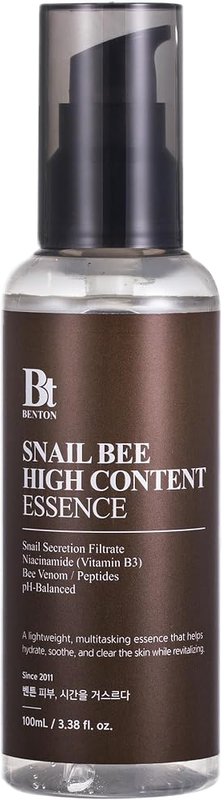
Night redness support: Bee Venom helps calm visible redness while keeping the routine easier to tolerate.
Key ingredients: Bee Venom, Snail Mucin, Niacinamide
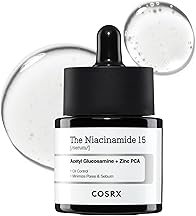
Night pore support: Niacinamide helps keep clogged pores and breakout-prone texture under control.
Key ingredients: Niacinamide, Zinc PCA, Allantoin
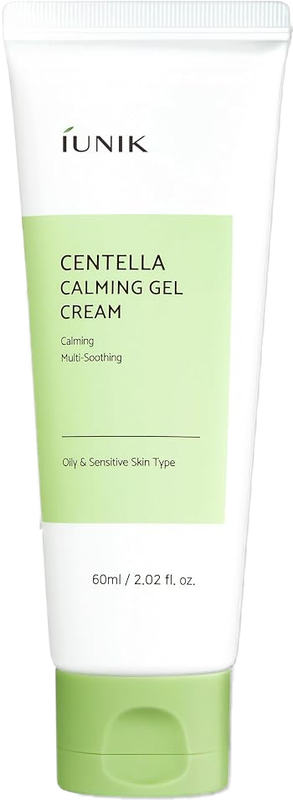
Night redness support: Centella Asiatica helps calm visible redness while keeping the routine easier to tolerate.
Key ingredients: Centella Asiatica, Tea Tree, Niacinamide
Why this routine works
Sensitive acne-prone skin needs a smaller hammer. The goal is fewer breakouts without starting a new irritation cycle.
Why this routine fits
Sensitive, acne-prone skin needs barrier support before acne treatment. Your skin's protective layer (the moisture barrier) is likely already compromised, which means strong actives will cause more inflammation instead of clearing breakouts. Start with a ceramide moisturizer and a low-pH cleanser for 2-4 weeks. Once your skin stops stinging and flushing, introduce one gentle active: azelaic acid at 10-15% or salicylic acid at 0.5%. Slow and steady wins here.
If acne products burn, do not push through. Sensitive skin needs a gentler path, not more willpower.
How to use the routine
AM note
Keep inflammation low with calming hydration and sunscreen.
PM note
Use acne treatment slowly, then cushion it with barrier support.
What to expect
Week 1
Skin should feel calmer and less stripped.
Weeks 2-4
Oil, texture, or tightness should start to shift.
Weeks 6-8
Tone and resilience are easier to judge.
Why these ingredients show up
Ingredient logic
Centella Asiatica
EmergingCalms inflamed skin and helps your barrier rebuild, so acne treatments are less likely to backfire.
Best for Sensitive skin with inflammatory acne or barrier damage from prior treatments
Azelaic Acid
ProvenFights acne without needing an acidic formula (unlike BHA), which means less stinging on reactive skin.
Best for Acne on sensitive skin, especially with dark spots after breakouts
BHA (Salicylic Acid, low %)
ProvenSame pore-clearing action as regular BHA, just gentler at half the strength. Less irritation, similar results over a longer timeline.
Best for Sensitive skin that tolerates light exfoliation without purging
Niacinamide
ProvenCalms redness at breakout sites and helps your skin rebuild its protective barrier without causing irritation.
Best for Sensitive acne-prone skin as a non-irritating daily serum
Tea Tree Oil
StudiedBreaks down acne bacteria at low concentrations. At 5% dilution, it works without being absorbed deep enough to cause systemic irritation.
Best for Spot treatment only. Patch test required before general use on sensitive skin
How products were chosen
Why these products won
We're pickiest with sensitive acne because the wrong product makes both problems worse at once. Gentle actives (centella, azelaic acid, low-dose BHA) score high. Anything that could irritate a reactive barrier gets pushed to the bottom, even if the lab data looks great.
Build an acne routine for sensitive skin.
Answer 9 questions. Koracle checks fit, conflicts, texture, and evidence.
Build my routine →Common questions
What acne actives are safe for sensitive skin that reacts to most treatments?
Azelaic acid (10-15%) is the gentlest effective option. It kills acne bacteria, reduces redness, and fades dark marks without the purging or peeling that retinoids cause. Centella asiatica calms inflammation around breakouts without treating acne directly. If your skin can handle a light exfoliant, start with 0.5% salicylic acid two nights a week. The goal is consistent low-dose treatment, not aggressive short bursts.
How does centella asiatica help with acne on sensitive skin?
Centella does not kill bacteria or unblock pores. Its triterpenes (active plant compounds found in the leaf extract) calm the swelling around existing breakouts and help your skin barrier support itself. This matters because a weak barrier makes every acne treatment sting more and work less. Think of centella as a support player: it makes your real acne actives tolerable so you can actually keep using them.
Can I use low-concentration actives and still see results on sensitive acne-prone skin?
Yes, it just takes longer. A 0.5% salicylic acid used 3 nights a week shows visible results at 8-12 weeks, versus 4-6 weeks for 2%. The tradeoff is worth it if higher concentrations cause redness, peeling, or more breakouts. Starting low and building over months is more reliable than pushing too hard and having to stop because your skin is too irritated to continue.
Should I repair my skin barrier before starting acne treatment?
Yes, if your skin is currently inflamed, flaking, or stinging from previous products. Spend 2-4 weeks using only a gentle cleanser, a ceramide or beta-glucan moisturizer, and sunscreen. No actives during that window. Applying salicylic acid or azelaic acid to a damaged barrier causes more irritation and can trigger new breakouts. Repair first, treat second.
Does sensitive, acne-prone skin still need SPF every morning?
Yes. UV exposure darkens the flat spots left after every breakout (post-inflammatory hyperpigmentation). Mineral sunscreen (zinc oxide or titanium dioxide) is usually easier on reactive skin than chemical filters like oxybenzone or avobenzone. Those chemical filters can cause flushing or stinging in some people. A sheer mineral SPF 30+ after moisturizer is enough.
How do I patch-test a new acne product on sensitive skin?
Apply a small amount behind your ear or on the inside of your wrist for two nights in a row. If no redness, stinging, or bumps appear by day three, try it on a small section of your jaw (not the cheek, where reactions are more visible). Use it there for a full week before applying to your whole face. Patch testing takes patience, but it saves you from a full-face reaction that can set your barrier back weeks.
How we pick products
We're pickiest with sensitive acne because the wrong product makes both problems worse at once. Gentle actives (centella, azelaic acid, low-dose BHA) score high. Anything that could irritate a reactive barrier gets pushed to the bottom, even if the lab data looks great.
See your full formula-checked routine with product swaps and price tiers.
View Full RoutineWant a routine tailored to your skin?
Take the 2-minute quiz and Koracle checks formulas, evidence, texture, and conflicts.
Build my acne-prone routine