
K-Beauty Guide to Dull Skin

In this article
Why skin starts looking flat
Dull skin usually needs smoother texture, more hydration, or better pigment control. Sometimes it needs all three.
Concern snapshot
Dull skin looks flat and lacks the light-reflecting quality of healthy skin.
5 mapped causes
4 key ingredients
Layered support
Bright skin is not about stripping. It is about even texture, steady water levels, and less visible pigment buildup.
What causes dullness?
Dead skin buildup, dryness, UV stress, and slow turnover can all make skin look tired even when it is healthy.
What keeps it going
01. Slow cell turnover allows dead corneocytes to accumulate on the skin surface, creating an uneven texture that scatters light instead of reflecting it.
02. Post-inflammatory hyperpigmentation from acne or irritation leaves uneven melanin deposits that make the overall complexion look patchy.
03. UV exposure stimulates excess melanin production and thickens the stratum corneum, both of which reduce skin clarity.
04. Dehydration causes the skin surface to become rough and flaky, which scatters light rather than reflecting it smoothly.
05. Poor circulation from lack of sleep, stress, or smoking reduces the pink undertone that contributes to a 'glowing' appearance.
Which ingredients bring glow back?
Vitamin C, niacinamide, gentle acids, and hydration ingredients work best when they are not fighting irritation.
Evidence-backed ingredients
Vitamin C (L-Ascorbic Acid)
ProvenInhibits tyrosinase, the enzyme that catalyzes the first step of melanin synthesis. Also neutralizes UV-generated free radicals that trigger post-inflammatory pigmentation. Stimulates the appearance of firmer skin, which improves skin texture from below.
Pullar et al., 2017 — Nutrients
Niacinamide (Vitamin B3)
ProvenBlocks the transfer of melanosomes (melanin packets) from melanocytes to surrounding keratinocytes. The melanin is still produced, but less of it reaches the visible skin surface. At 5% concentration, visibly reduces dark spots within 4 weeks.
Hakozaki et al., 2002 — British Journal of Dermatology
AHA (Glycolic / Mandelic Acid)
StudiedDissolves the desmosomes (protein bonds) holding dead corneocytes to the skin surface. Speeds up the natural 28-day cell turnover cycle, revealing fresher cells underneath. Glycolic acid (smallest AHA molecule) penetrates deepest; mandelic acid is gentler for reactive skin.
Tang & Yang, 2018 — Journal of Cosmetic Dermatology
Arbutin
EmergingA glycosylated form of hydroquinone that slowly releases low-dose hydroquinone at the skin surface, inhibiting tyrosinase with lower irritation risk than direct hydroquinone application.
Boo, 2021 — Antioxidants (MDPI)
What should the routine do?
A brightening routine should polish without making skin raw. Use gentle renewal, daily hydration, and SPF every morning.
Routine principles
A K-beauty brightening routine splits its work between AM and PM. In the morning, a vitamin C serum goes on after cleansing and before SPF: the antioxidant protection pairs with UV protection to helps reduce new pigmentation. At night, an AHA exfoliant (2 to 3 times per week, not daily) clears the dead cell layer, followed by a niacinamide serum to slow melanin transfer. SPF during the day is non-negotiable because UV exposure reverses brightening progress within hours.
What makes glow disappear?
Too much exfoliation makes skin look shiny at first, then rough and reactive later. That is not glow. That is stress.
Common traps
01. Using vitamin C and AHA in the same step. Vitamin C (L-ascorbic acid) works best at pH 2.5 to 3.5, and AHAs also need a low pH, but layering two low-pH actives together increases irritation risk without improving results. Split them: vitamin C in the morning, AHA at night.
02. Skipping SPF while using brightening actives. AHAs increase photosensitivity, and UV exposure triggers the exact melanin production you are trying to reduce. A brightening routine without daily SPF 30+ is self-defeating.
03. Expecting overnight results from niacinamide or vitamin C. Tyrosinase inhibition slows new melanin production, but existing pigment takes 4 to 8 weeks to shed through normal cell turnover. Consistent use for at least a month is needed before visible change.
04. Over-exfoliating to speed up results. Using AHA daily or at concentrations above 10% without building tolerance strips the barrier, triggers inflammation, and produces more post-inflammatory pigmentation: the opposite of what you want.
Find a brightening routine that still respects your barrier.
Answer 9 questions. Koracle checks fit, conflicts, texture, and evidence.
Build my routine →Common questions
What is the difference between dull skin and hyperpigmentation?
Dull skin is an overall flatness caused by dead cell buildup, dehydration, or poor circulation, and it affects the entire face evenly. Hyperpigmentation is localized dark patches where excess melanin has been deposited, typically from UV damage, acne scars, or hormonal changes. The treatments overlap (both respond to vitamin C and niacinamide), but dullness also responds to simple exfoliation and hydration, while stubborn hyperpigmentation may need higher-strength tyrosinase inhibitors or professional cares.
How does vitamin C concentration affect brightening results?
Clinical studies show L-ascorbic acid is effective starting at 8% concentration and plateaus around 20%. Below 8%, the amount reaching melanocytes is not enough to meaningfully inhibit tyrosinase. Above 20%, irritation increases without additional brightening benefit. For most people, 10 to 15% is the sweet spot. If your skin is reactive, ascorbyl glucoside (a stable vitamin C derivative) works at lower effective concentrations with less irritation, though results take longer to appear.
Can I use niacinamide and vitamin C together?
Yes. The old claim that they cancel each other out is based on a 1963 study using extreme heat conditions that do not occur on skin. At room temperature and skin pH, niacinamide and L-ascorbic acid coexist without issues. They work through different mechanisms: vitamin C inhibits tyrosinase while niacinamide blocks melanosome transfer, so combining them addresses dullness at two points in the pigmentation pathway.
Which type of AHA is best for brightening without irritation?
Mandelic acid. Its molecular weight (152 Da) is nearly twice that of glycolic acid (76 Da), so it penetrates more slowly and causes less stinging. It still dissolves the intercellular bonds holding dead cells to the surface, just with a more gradual onset. For darker skin tones, this matters more: aggressive exfoliation can itself trigger post-inflammatory hyperpigmentation. Start with mandelic acid at 5 to 10%, two nights per week.
Why does K-beauty focus on layering for brightening instead of one strong product?
Melanin production is a multi-step process: UV triggers free radicals, free radicals activate tyrosinase, tyrosinase produces melanin, melanin transfers to keratinocytes, and those keratinocytes move to the surface. A single product targets one step. Layering a vitamin C serum (blocks tyrosinase + neutralizes free radicals), a niacinamide toner (blocks melanosome transfer), and an AHA exfoliant (removes pigmented surface cells) addresses three steps at once. Together they interrupt three steps simultaneously; a single active at any dose covers only one.
Top picks for dullness
Paid links: Koracle may earn from qualifying purchases. Details.
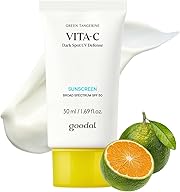
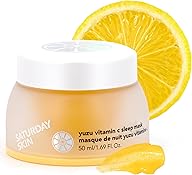
Find products matched to your skin type and concerns.
Build my dullness routine