
Korean Skincare Routine for Melasma (2026)

In this article
Melasma is not the same as post-acne marks or general sun damage. It's a chronic condition where specific melanocytes in the basal layer of your epidermis are permanently sensitized to UV and hormonal signals. They produce melanin on cue.
Standard brightening products can reduce the color somewhat, but the cells driving it remain reactive. Skip sunscreen for two weeks and any progress disappears.
This routine doesn't reset the melanocytes. It manages the output.
SPF 50+ every morning is the single most important step. Everything else slows the production and fades what's already there. Without sunscreen, the actives below don't matter.
Why melasma is different from other hyperpigmentation
Most dark spots come from localized inflammation or UV exposure that triggers a normal melanocytic response. Melasma involves overactive melanocytes that react to prostaglandins from UV exposure, to estrogen receptors activated by hormonal changes (pregnancy, oral contraceptives), and sometimes to heat alone.
The result is bilateral patches on the forehead, cheeks, and upper lip. They persist because the cells driving them are still there and still reactive.
Melasma reactivates with indirect UV exposure. Window glass blocks UVB but transmits UVA, which is the wavelength most responsible for melanocyte stimulation. Wearing SPF indoors near windows is not optional if you're trying to manage melasma.
The actives with evidence
Three ingredients have solid clinical evidence for melasma specifically: tranexamic acid, niacinamide, and alpha-arbutin.
Tranexamic acid blocks the UV-induced prostaglandin cascade that tells melanocytes to produce melanin. It doesn't bleach existing pigment: it turns down the production signal. A 12-week trial (Ebrahimi & Naeini, 2014) found 3% tranexamic acid outperformed 3% kojic acid on the Melasma Area and Severity Index (MASI score) with fewer side effects.
Niacinamide works through a different pathway. It inhibits the transfer of melanosomes (the vesicles that carry melanin) from melanocytes into keratinocytes. You can use it with tranexamic acid because their mechanisms don't overlap.
Alpha-arbutin competes with DOPA (a melanin precursor) for tyrosinase binding, slowing melanin synthesis at the enzyme level. It's more stable than plain arbutin and works at lower concentrations.
Morning routine
Step 1: Low-pH gel cleanser. Wash for 20 seconds with lukewarm water. Your skin's acid mantle sits around pH 4.7, and cleansers above pH 7 disrupt it. A low-pH gel cleanser protects the barrier you're trying to stabilize.
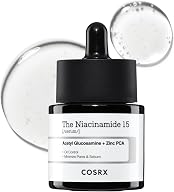
Step 2: Niacinamide serum (10–15%). Apply to damp skin and pat in. This is your primary melanosome-transfer inhibitor. Use it morning and night.
Paid links: Koracle may earn from qualifying purchases. Details.
View on Amazon. Amazon shows final price and availability.
Step 3: Vitamin C serum (optional). L-ascorbic acid at 10–20%, morning only. It degrades with light exposure, so apply before SPF and skip at night. It adds a tyrosinase-inhibiting pathway that stacks with niacinamide without conflict.
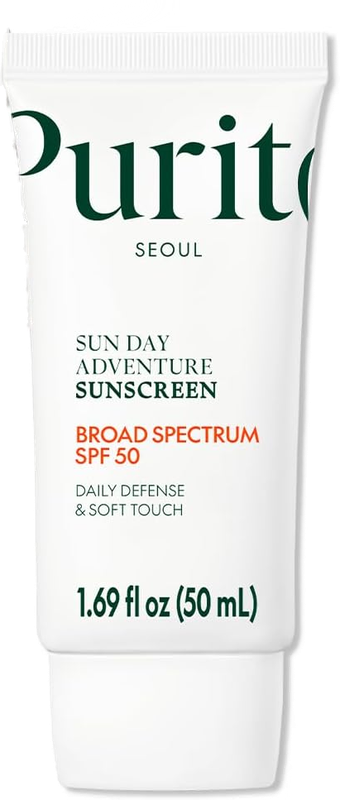
Step 4: SPF 50+ PA++++. Last step, every morning. Two finger-lengths for face and neck. Reapply every two hours outdoors.
Paid links: Koracle may earn from qualifying purchases. Details.
View on Amazon. Amazon shows final price and availability.
Evening routine
Step 1: Double cleanse. Oil cleanser first to dissolve SPF and any makeup, then a low-pH water cleanser. Skip the oil cleanser if you wore neither.
Step 2: Tranexamic acid serum. Apply to dry skin. Evening is the better window because there's no UV exposure to trigger the prostaglandin cascade while the serum is active.
Paid links: Koracle may earn from qualifying purchases. Details.
View on Amazon. Amazon shows final price and availability.
Step 3: Alpha-arbutin serum. Layer after tranexamic acid. The two don't interact and target different steps in the melanin pathway.
Paid links: Koracle may earn from qualifying purchases. Details.
View on Amazon. Amazon shows final price and availability.
Step 4: Moisturizer. Seal everything in. Gel texture for oily skin, cream for dry skin.
Want a routine mapped to your exact skin type?
Answer 9 questions. Koracle checks fit, conflicts, texture, and evidence.
Build my routine →What to skip
Skip harsh physical scrubs and high-frequency chemical exfoliation. Inflammatory damage to the epidermis triggers the same prostaglandin cascade as UV. If you're treating melasma, keep exfoliation to once a week at most.
Avoid fragrance and essential oils in leave-on products if your skin is reactive. Low-grade inflammation can worsen melasma. Check ingredient lists on serums and moisturizers.
The bottom line
SPF every morning. Tranexamic acid in your PM routine. Niacinamide morning and night. Give it 8 to 12 weeks before evaluating. Melasma fades slowly. It doesn't disappear.
Related: Tranexamic Acid · Niacinamide · Alpha-Arbutin · Vitamin C · Hyperpigmentation routine (oily skin) · Hyperpigmentation routine (dry skin)
Common Questions
Can Korean skincare cure melasma?↓
No skincare routine cures melasma. The right products manage it: slowing melanin production, fading existing patches, and preventing UV-triggered reactivation. Consistency over months matters more than any single ingredient.
What is the most effective ingredient for melasma?↓
Tranexamic acid has the strongest recent clinical evidence for melasma specifically, outperforming kojic acid in several head-to-head trials. Niacinamide and alpha-arbutin are effective supporting actives.
Why does melasma come back after treatment?↓
Melasma is driven by UV exposure and hormones, not just accumulated damage. Without daily broad-spectrum SPF 50+, even the most effective topical treatment will be undone by sun exposure.
How long before I see results?↓
Most clinical trials measure outcomes at 8 to 12 weeks. Expect slow, incremental fading rather than a sudden shift. If your SPF routine is consistent, you may notice improvement starting around week 6.
Is this routine safe during pregnancy?↓
Melasma is common during pregnancy. Niacinamide is generally considered safe. Avoid retinoids. Consult your OB before adding any new active. Sunscreen is non-negotiable and safe.
Turn what you learned into a routine that fits your skin.
Answer a few questions and Koracle will check formula fit, budget, tolerance, and routine order.
Build my formula-checked routine