
The Best K-Beauty Routine for Dry, Hydration Skin in 2026
Your barrier is thinner than most, so moisture escapes faster than you can apply it. The Korean layering method changes the math. Multiple thin layers lock in more than one thick one.
Koracle is skincare education, not medical or dermatology advice. Patch-test new products. Ask a licensed dermatologist about acne, rosacea, eczema, allergic reactions, pregnancy concerns, or symptoms that persist.
Paid links: Koracle may earn from qualifying purchases. Details.
Top picks for your skin
Paid links: Koracle may earn from qualifying purchases. Details.
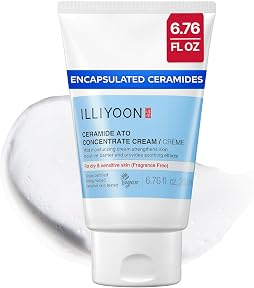
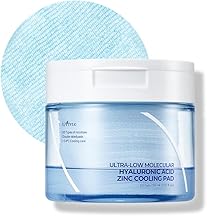
Morning barrier support: Ultra-Low Molecular Weight Hyaluronic Acid helps keep the skin barrier steady so treatment steps are easier to tolerate.
Morning barrier support: Centella Asiatica helps keep the skin barrier steady so treatment steps are easier to tolerate.
Key ingredients: Centella Asiatica, Niacinamide
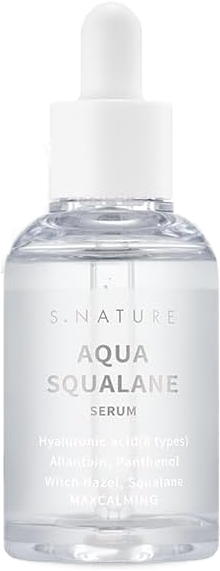
Morning barrier support: Squalane helps keep the skin barrier steady so treatment steps are easier to tolerate.
Key ingredients: Squalane, Hyaluronic Acid, Panthenol
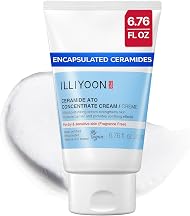
Morning barrier support: Ceramide helps keep the skin barrier steady so treatment steps are easier to tolerate.
Key ingredients: Cetyl-PG Hydroxyethyl Palmitamide, Cholesterol, Squalane
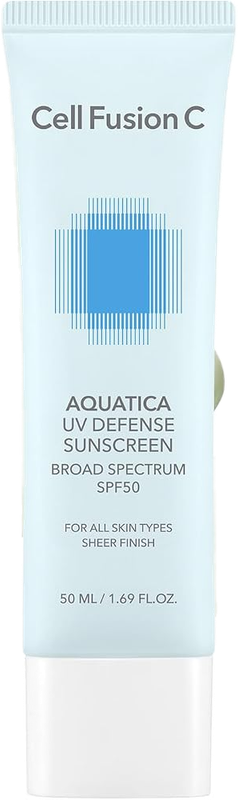
Morning photoprotection: daily sunscreen is the anchor for pigment control and UV-triggered tone changes.
Key ingredients: Hyaluronic Acid
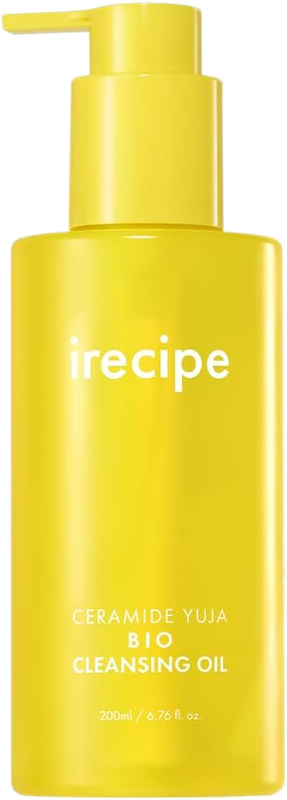
Recommended for your dehydration: Ceramides - matches the reviewed ingredient list
Key ingredients: Ceramides, Yuja Extract
Recommended for your dehydration: Panthenol - matches the reviewed ingredient list
Key ingredients: Panthenol, Ceramides
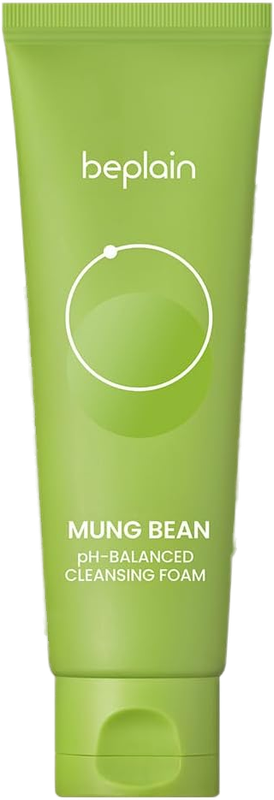
Recommended for your dehydration: BHA - matches the reviewed ingredient list
Key ingredients: BHA
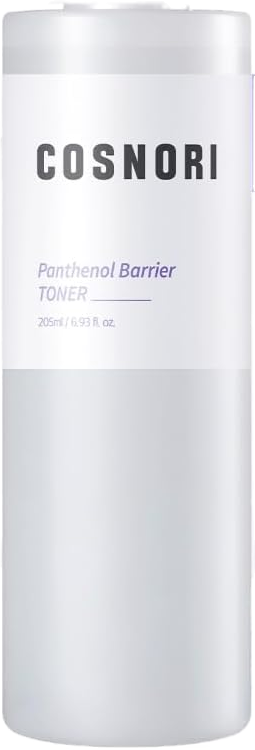
Night barrier support: Panthenol helps keep the skin barrier steady so treatment steps are easier to tolerate.
Key ingredients: Panthenol, Madecassoside, Centella Asiatica Extract
Night barrier support: Niacinamide helps keep the skin barrier steady so treatment steps are easier to tolerate.
Key ingredients: Niacinamide
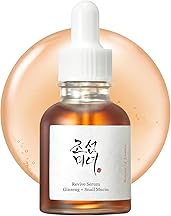
Night barrier support: Ginseng helps keep the skin barrier steady so treatment steps are easier to tolerate.
Key ingredients: Ginseng, Snail Mucin, Niacinamide
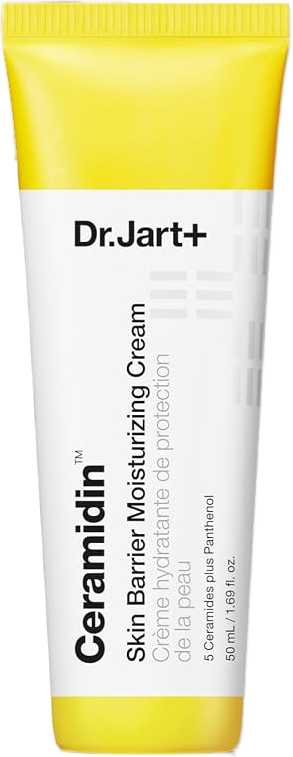
Night barrier support: Ceramides help keep the skin barrier steady so treatment steps are easier to tolerate.
Key ingredients: Ceramide NP, Panthenol, Shea Butter
Why this routine works
Dry dehydrated skin needs water and lipids. One without the other usually feels good for an hour, then tight again.
Why this routine fits
Dry, dehydrated skin is missing both water and oil. Pat a hyaluronic acid toner onto damp skin to pull water in. Follow with a ceramide cream to fill the gaps in your lipid barrier (the thin layer of fats that holds moisture in). Finish with squalane at night to seal everything. Go lightest to heaviest, every time. Skipping that sealing step is like filling a bucket with a hole in the bottom.
Layer hydration while skin is slightly damp, then seal it with a cream that actually fits dry skin.
How to use the routine
AM note
Build water first, then cream, then sunscreen. Do not rely on SPF as your only moisturizer.
PM note
Use the richer repair steps at night when shine and texture matter less.
What to expect
Week 1
Skin should feel calmer and less stripped.
Weeks 2-4
Oil, texture, or tightness should start to shift.
Weeks 6-8
Tone and resilience are easier to judge.
Why these ingredients show up
Ingredient logic
Hyaluronic Acid
ProvenWorks like a sponge in your skin's outer layer. It holds up to 1000 times its weight in water.
Best for Immediate hydration boost for any skin type
Ceramides
ProvenActs like mortar between your skin cells. Without enough ceramides, moisture leaks out through the gaps.
Best for Dry, compromised, or eczema-prone skin
Squalane
StudiedA lightweight oil that mimics what your skin already makes. Seals moisture in without feeling heavy or greasy.
Best for Dry skin that needs sealing without heaviness
Panthenol (Pro-Vitamin B5)
StudiedPulls water into your skin and helps it make more of its own barrier fats. Both a hydrator and a healer.
Best for Dry, irritated, or post-treatment skin
Centella Asiatica
StudiedSoothes irritated, dry skin and supports the collagen layer underneath. A calming ingredient, not a hydrator on its own.
Best for Dry skin with redness or sensitivity
How products were chosen
Why these products won
Dry dehydrated skin needs products that either pull water in (hyaluronic acid, glycerin) or stop it from leaving (ceramides, squalane). Ingredients with published barrier-repair data rank highest. Rich creams and emulsions score better than lightweight gels since dry skin needs that heavier texture.
Find a dry-skin hydration routine that lasts.
Answer 9 questions. Koracle checks fit, conflicts, texture, and evidence.
Build my routine →Common questions
What is the difference between dry skin and dehydrated skin?
Dry skin is a skin type. It runs in families and means your skin produces less oil than average. Dehydrated skin is a temporary condition where the outer layer lacks water. Any skin type can get it, even oily skin. You can also be both dry and dehydrated at the same time. The fix for dryness is lipid-rich ingredients like ceramides and squalane. The fix for dehydration is humectants (water-attracting ingredients) like hyaluronic acid and glycerin.
How do you layer hydrating products correctly for dry skin?
Go by water content. Watery toners and essences go on first. Then serum, then moisturizer, then face oil or occlusive. Thin textures absorb faster, so they need to go on before thick ones that seal them in. Pat each layer in with your palms instead of swiping. Patting speeds up absorption and reduces drag on dry skin.
What is the difference between a humectant and an occlusive?
A humectant pulls water into your skin. Hyaluronic acid and glycerin are the most common ones. An occlusive sits on top of your skin and slows water evaporation. Petrolatum, squalane, and shea butter are all occlusives. Dry, dehydrated skin needs both: humectants add water, occlusives keep it there. Using a humectant alone in a dry climate can actually backfire. It may pull water out of your skin instead of from the air.
How can I tell if my skin is dehydrated?
Pinch a small section of your cheek. If it takes more than a second to bounce back, your skin is probably dehydrated. Other signs: tightness after washing, fine lines that look worse by afternoon even with moisturizer on, and a dull tone instead of a glow. Dry skin that produces very little oil is also frequently dehydrated because a weak lipid barrier lets water escape faster.
Why does my moisturizer feel like it sits on top and doesn't sink in?
Two common reasons. First, you might be applying it to dry skin instead of damp skin. Pat your toner on, then apply moisturizer while your face is still slightly wet. Second, the formula might be too heavy for your routine order. Thicker creams go last, after lighter layers like toner and serum. If it still sits on top, the product might contain too much silicone for your skin type.
How we pick products
Dry dehydrated skin needs products that either pull water in (hyaluronic acid, glycerin) or stop it from leaving (ceramides, squalane). Ingredients with published barrier-repair data rank highest. Rich creams and emulsions score better than lightweight gels since dry skin needs that heavier texture.
See your full formula-checked routine with product swaps and price tiers.
View Full RoutineWant a routine tailored to your skin?
Take the 2-minute quiz and Koracle checks formulas, evidence, texture, and conflicts.
Build my hydration routine