
Licorice Root Extract: Soothing Ingredient or Slow Brightening Agent?
In this article
You saw a K-beauty serum promising "instant brightening" from licorice root extract. The before-and-afters looked convincing. The label listed licorice near the top of the ingredient list. So you bought it, used it for two weeks, and your dark spots looked exactly the same.
The extract works. The timeline on the marketing does not.
TL;DR
Licorice root extract does two different jobs on two different timelines. Its glycyrrhizin content soothes redness within days. Its glabridin content fades pigment over 8 to 12 weeks by inhibiting tyrosinase. The soothing effect is fast. The brightening effect is real but slow.
What licorice root extract actually contains
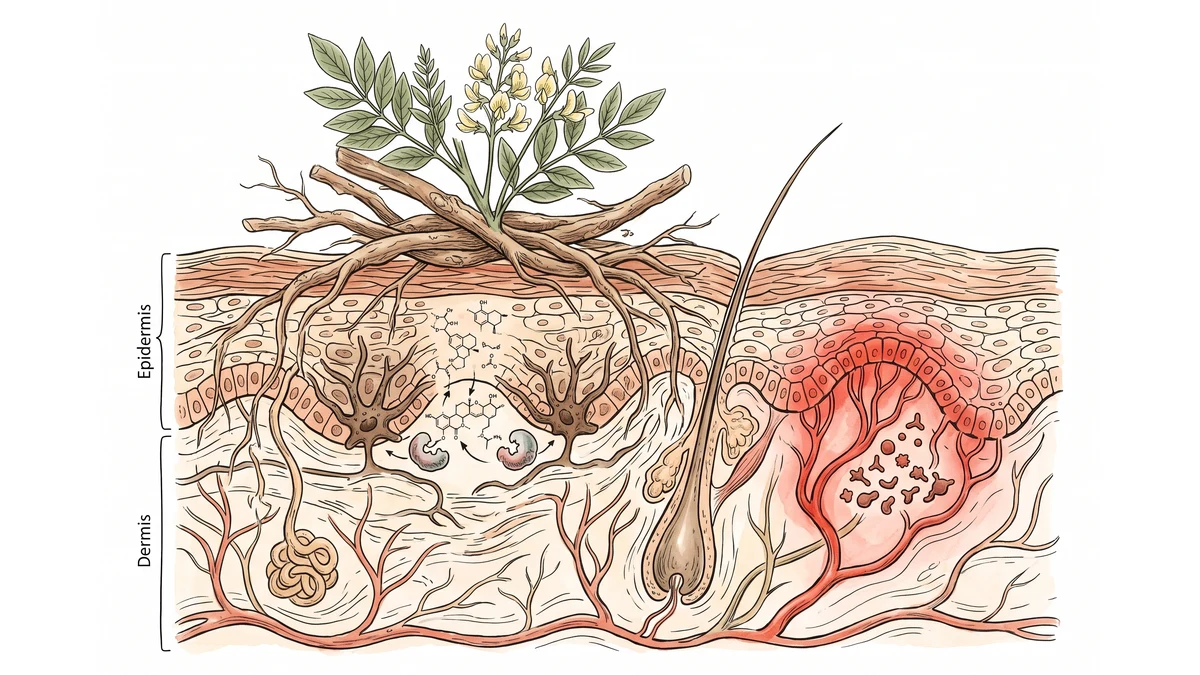
The word "licorice" on an ingredient list hides two very different molecules doing very different work. Glycyrrhiza glabra root produces glycyrrhizin (also called glycyrrhizic acid) and glabridin, and they operate on separate pathways.
Glycyrrhizin is anti-inflammatory. It suppresses the same inflammatory mediators that a corticosteroid targets, which is why licorice shows up in so many sensitive-skin and post-sun formulas.
Glabridin is the brightening compound. It sits in a family of flavonoids that block tyrosinase, the enzyme your skin uses to make melanin.
Most extracts contain both. But the ratio, and the total glabridin percentage, is almost never disclosed on the label.
How glabridin actually fades pigment
Glabridin does not bleach existing pigment. It slows the production of new pigment.
Here's the plain-English version. When UV, friction, or inflammation triggers your melanocytes, they turn on tyrosinase. Tyrosinase converts tyrosine into melanin, which gets packaged and shipped to your skin cells. Glabridin binds to tyrosinase and slows the first step.
A study by Yokota et al. (1998) showed glabridin inhibited tyrosinase activity and reduced UVB-induced pigmentation in guinea pig skin. Later work by Nerya et al. (2003) confirmed the mechanism in human melanocyte cultures, with glabridin performing comparably to kojic acid at low concentrations.
The catch: because glabridin only affects new melanin, the existing dark spot has to fade through natural skin turnover. That takes one full cycle at minimum, usually two. Two weeks is not enough time to see anything.
Why the soothing effect is faster
Glycyrrhizin works on a different timeline because inflammation is a different kind of problem. Redness, itch, and post-inflammatory flare-ups involve immediate immune signaling, not slow enzymatic buildup.
Glycyrrhizin inhibits phospholipase A2 and reduces prostaglandin production, which are two of the main drivers of visible redness. A 2003 study by Saeedi et al. using 1% and 2% licorice extract gel showed reduced erythema in patients with atopic dermatitis within two weeks.
The soothing effect is what most people notice first, and then they credit it to "brightening" because their skin looks calmer and more even. Calmer is not the same as lighter.
This is where the TikTok claim gets muddy. A calmer complexion looks brighter in a mirror. It reads as "glow" in a video. But actual pigment reduction takes months.
Where licorice fits in a real routine
Licorice root extract is a supporting player, not a headliner for hyperpigmentation. The evidence for glabridin as a standalone brightener is thinner than the evidence for vitamin C, niacinamide, azelaic acid, or tranexamic acid. Where it earns its spot is in combination formulas.
Tyrosinase inhibitors stack well because they target different steps of the melanin pathway. Vitamin C blocks oxidation, niacinamide blocks pigment transfer, and glabridin slows the enzyme itself (Zhu & Gao, 2008). Layering them is more effective than doubling any single one.
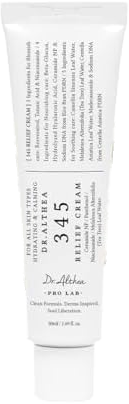
If your main concern is redness and reactive skin, licorice pulls its weight in a soothing cream. Look for it paired with centella, panthenol, or ceramides in the top third of the ingredient list.
Paid links: Koracle may earn from qualifying purchases. Details.
View on Amazon. Amazon shows final price and availability.
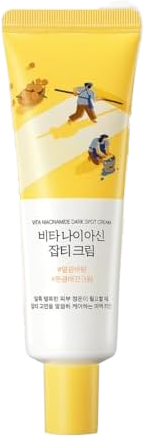
If your main concern is dark spots, use licorice as one component in a stack. Do not expect it to do the job alone.
Paid links: Koracle may earn from qualifying purchases. Details.
View on Amazon. Amazon shows final price and availability.
Not sure if licorice belongs in your routine?
Answer 9 questions. Koracle checks fit, conflicts, texture, and evidence.
Build my routine →What the label leaves out
The concentration of glabridin in a finished product is almost never listed. "Licorice root extract" on an INCI list could mean 0.05% or 2%. It could be standardized to 40% glabridin or 4%. You cannot tell from the packaging.
This is the honest limitation of the ingredient. The clinical studies used known glabridin percentages. Consumer products rarely disclose that number. So when a serum says "brightening with licorice," you have no way to verify whether the extract in the bottle matches the extract in the study.
Two workarounds. First, look for products that specify a percentage or a standardized extract in the marketing copy. Second, look at ingredient list order. If licorice appears in the top five, there's likely enough to matter. If it's in the bottom third next to the fragrance, it's a marketing note.
The bottom line
Licorice root extract is a legitimate ingredient with two real jobs. It calms inflammation within days and fades pigment over months, but only if the glabridin content is high enough to matter. Use it as part of a brightening stack, not as a solo act, and give it at least 8 to 12 weeks before you decide whether it's working.
Common Questions
How long does licorice root extract take to brighten dark spots?↓
Expect 8 to 12 weeks of consistent daily use before you see visible fading. Glabridin, the active in licorice, works by slowing new pigment production, so it takes at least one full skin turnover cycle to show results.
Is licorice root extract the same as glycyrrhizin?↓
No. Glycyrrhizin is the anti-inflammatory compound that soothes redness quickly. Glabridin is the brightening compound that inhibits tyrosinase. Most licorice extracts contain both, but the concentration of glabridin is what determines brightening potency.
Can I use licorice root extract with vitamin C or niacinamide?↓
Yes, and the combination usually works better than any of them alone. Vitamin C blocks oxidation earlier in the melanin pathway, niacinamide blocks transfer to skin cells, and licorice slows the enzyme itself. They target different steps, so stacking is complementary, not redundant.
Is licorice root extract safe for sensitive skin?↓
It's one of the better-tolerated brighteners. The glycyrrhizin content actively reduces inflammation, which is why licorice appears in so many centella and cica formulas. Patch test if you have a known plant allergy, but reactions are uncommon.
Turn what you learned into a routine that fits your skin.
Answer a few questions and Koracle will check formula fit, budget, tolerance, and routine order.
Build my formula-checked routine