
Sheet Masks for Acne-Prone Skin: When They Help and When They Clog
In this article
Your feed keeps showing sheet masks as a nightly ritual: peel, apply, glow. Then your acne-prone skin breaks out two days later and you blame the mask. Sometimes that's fair. Often it isn't.
The truth is that sheet masks are a delivery format, not an ingredient. Whether they help or clog depends on what's soaked into the sheet, how long you leave it on, and what you do after you peel it off.
TL;DR
Sheet masks are safe for acne-prone skin when the essence is lightweight and centella- or hyaluronic acid-based, when you keep them on for 10 to 15 minutes max, and when you moisturize over the residue. Skip masks that lead with heavy oils, thick silicones, or dozens of botanical extracts.
What actually causes the breakout
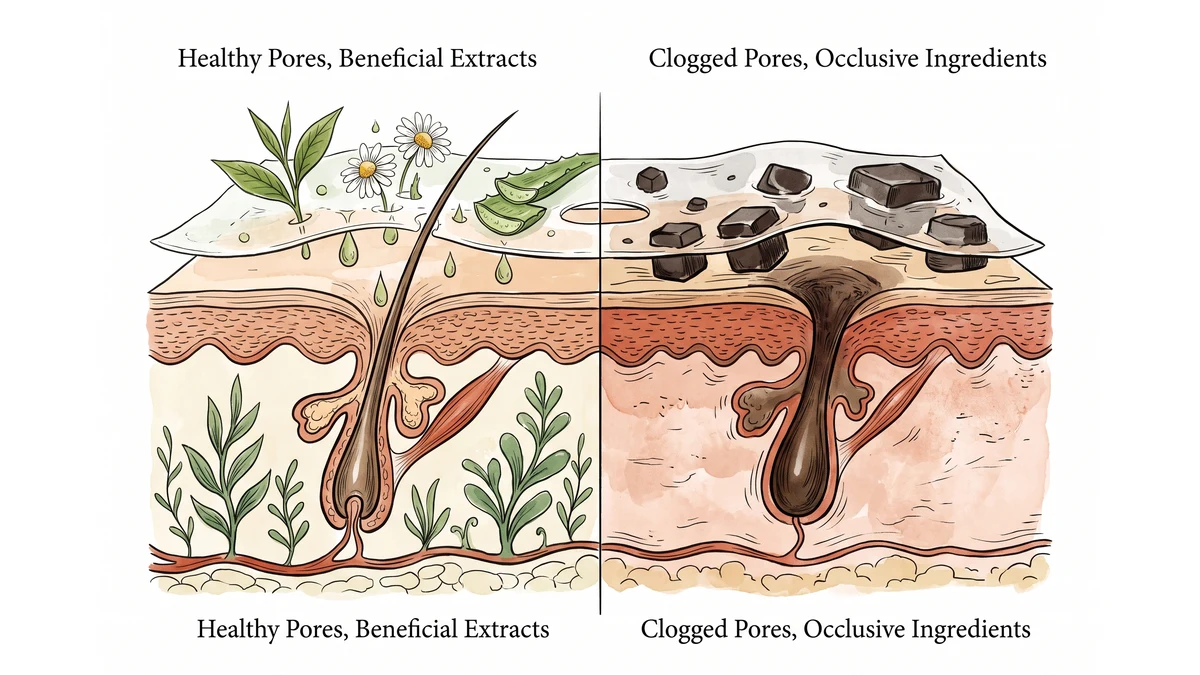
Sheet masks don't cause acne through the fabric. The cotton or hydrogel is inert. What causes trouble is the essence and how long it sits on your skin.
Three failure modes show up over and over. The first is a heavy, oil-rich essence that includes ingredients like coconut oil, isopropyl myristate, or thick silicone gels. These can trap sebum and dead skin cells against your pores. The second is leaving the mask on until it dries out, which pulls water back out of your skin (reverse osmosis) and leaves a concentrated film of everything else behind. The third is skipping the pat-in step after removal, letting the essence oxidize and mix with sebum on your skin overnight.
None of these are inevitable. All three are avoidable.
How the "essence bath" mechanism works
A sheet mask is an occlusion tool. The fabric or hydrogel sits on your skin and blocks water from evaporating for 10 to 15 minutes. During that window, the essence has nowhere to go except into your stratum corneum.
The sheet mask is a hydration accelerator, not a treatment. Whatever the essence is doing, the mask makes it do it faster and deeper.
For acne-prone skin, this is a double-edged sword. If the essence is centella-based or built around low-molecular-weight hyaluronic acid, you get calmer, better-hydrated skin. If the essence is packed with fragrance, needed oils, or heavy emollients, you get all of that pushed deeper too.
What to look for in the essence
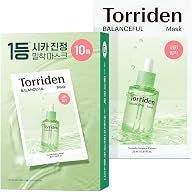
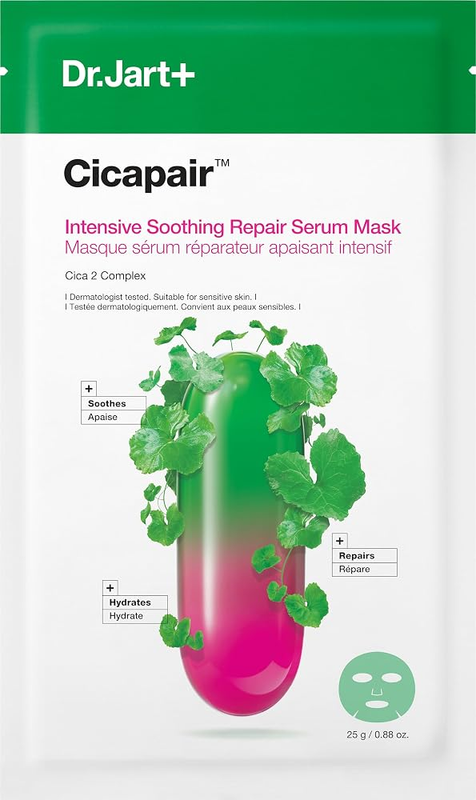
The best acne-safe sheet masks lead with anti-inflammatory or lightweight hydrating ingredients. Centella asiatica (also called cica) has clinical evidence for reducing redness and calming active breakouts. Low-molecular-weight hyaluronic acid delivers water without occlusion. Panthenol supports barrier repair without adding oil load.
Ingredients to be more careful with on acne-prone skin: coconut oil (comedogenic rating 4), isopropyl myristate, lanolin, and heavy shea butter. Fragrance and needed oils don't clog pores but can trigger inflammation that looks a lot like a breakout.
A 2019 review in the Journal of Clinical and Aesthetic Dermatology found that madecassoside, one of the active compounds in centella, reduced inflammatory acne lesions by 21% over 8 weeks when used as a topical adjunct (Bylka et al., 2013; Kim et al., 2019).
For acne-prone skin, two masks worth considering:
Paid links: Koracle may earn from qualifying purchases. Details.
View on Amazon. Amazon shows final price and availability.
Paid links: Koracle may earn from qualifying purchases. Details.
View on Amazon. Amazon shows final price and availability.
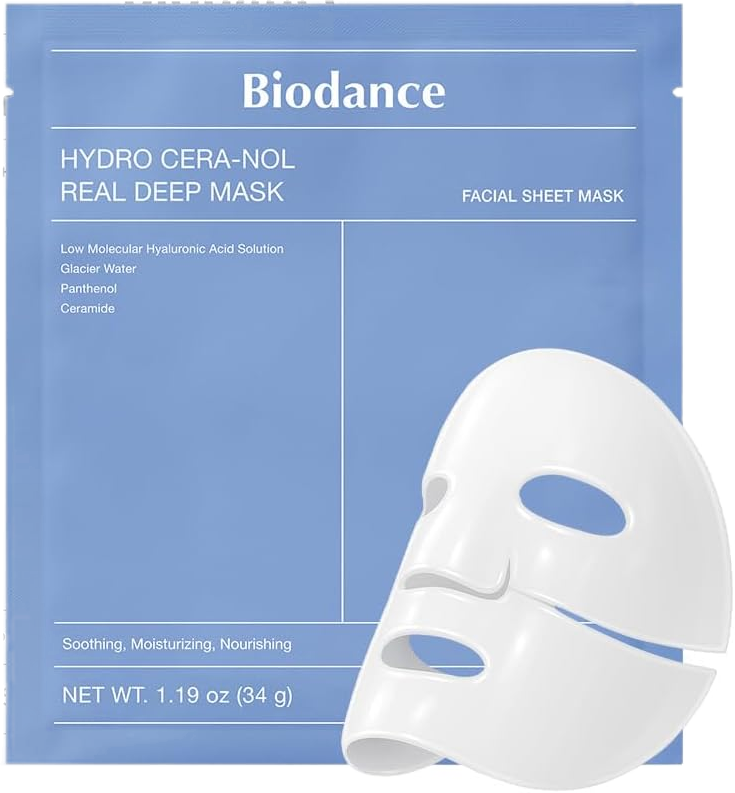
If your acne comes with barrier damage from over-exfoliating or too much benzoyl peroxide, a ceramide-forward mask helps without clogging.
Paid links: Koracle may earn from qualifying purchases. Details.
View on Amazon. Amazon shows final price and availability.
The 15-minute rule
Take the mask off before it dries. This is the single most important rule and the one most people break because their feed shows influencers wearing masks for 30 minutes while they film.
Once the sheet starts drying at the edges, water begins moving from your skin back into the fabric to equalize the moisture gradient. You lose the hydration you just gained, and you leave a concentrated film of everything else, humectants, extracts, preservatives, on your face.
If the mask is still soaking wet at 15 minutes, take it off anyway. The essence in the pouch is not extra treatment. Save the rest for your neck, your hands, or throw it out.
Not sure if your breakouts are from the mask or the rest of your routine?
Answer 9 questions. Koracle checks fit, conflicts, texture, and evidence.
Build my routine →What to do after you peel it off
Pat in the residue, then moisturize. Do not rinse. The essence left on your skin is where most of the active ingredients sit, and rinsing sends them down the drain.
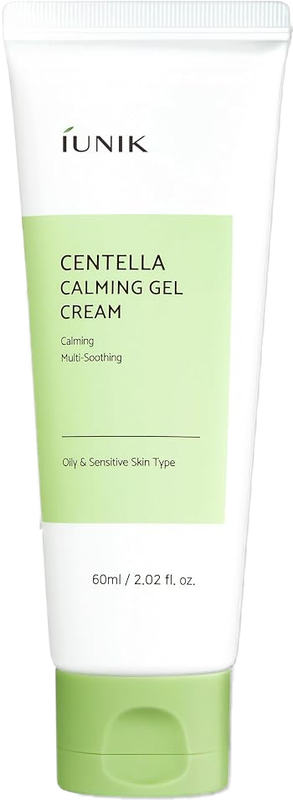
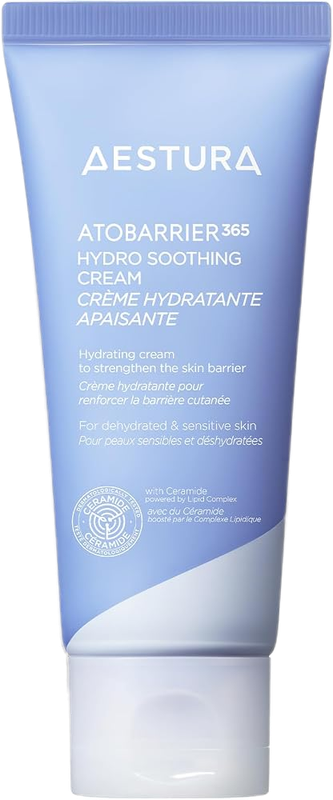
Once the residue is patted in and mostly absorbed (about 2 to 3 minutes), apply a lightweight moisturizer to lock it in. For acne-prone skin, gel-cream textures work better than rich creams. They add barrier support without stacking occlusive load on top of an already-hydrated stratum corneum.
Paid links: Koracle may earn from qualifying purchases. Details.
View on Amazon. Amazon shows final price and availability.
Paid links: Koracle may earn from qualifying purchases. Details.
View on Amazon. Amazon shows final price and availability.
Skip the moisturizer step and most of the hydration evaporates within an hour. The mask essence is mostly water, and water leaves unless you seal it.
How often is too often
Two to three times a week is the ceiling for most acne-prone skin. Nightly sheet masks, the ritual TikTok keeps selling, are more likely to overhydrate your barrier than help it. Overhydrated skin becomes soft, permeable, and easier to irritate, which shows up as small closed comedones along the jaw and forehead within a week or two.
If you want the daily calm-down feeling, use a centella essence or a gel moisturizer instead. The active ingredients are the same. You just skip the occlusion step that your skin doesn't need every night.
The bottom line
Sheet masks help acne-prone skin when the essence is light, the timing is short, and you follow up with a moisturizer. They clog when the essence is heavy, the mask sits until it dries, or you skip the seal-in step. Pick centella, hyaluronic acid, or ceramide-based masks two or three times a week, and treat them as a hydration boost, not a nightly treatment.
Common Questions
Can sheet masks cause acne?↓
Yes, but not because they're masks. Breakouts usually trace back to two things: heavy occlusive essences left on skin too long, or leftover residue that wasn't rinsed or patted in after removal. The fabric itself rarely causes acne unless you leave it on until it dries out and pulls moisture back from your skin.
How long should acne-prone skin leave a sheet mask on?↓
10 to 15 minutes, maximum. Once the sheet starts drying at the edges, it begins pulling water out of your skin instead of pushing it in. This is called reverse osmosis and it undoes most of the hydration benefit.
Are hydrating sheet masks bad for oily or acne-prone skin?↓
No. Oily skin is often dehydrated, and dehydration triggers more oil production. A lightweight hydrating essence with hyaluronic acid or centella can actually reduce oiliness over time. The masks to avoid are the ones loaded with heavy plant oils, silicones, or thick emollients.
Should I moisturize after a sheet mask?↓
Yes. The essence sinking into your skin is mostly water, and water evaporates. A thin moisturizer over the residue locks in what the mask delivered. Skip this step and most of the hydration is gone within an hour.
Turn what you learned into a routine that fits your skin.
Answer a few questions and Koracle will check formula fit, budget, tolerance, and routine order.
Build my formula-checked routine