
Ingredients
50 ingredients checked by evidence. Each page explains what it does, who it fits, and what to pair it with.
Ingredient Analyzer
Paste any product's ingredient list to read the formula, flag irritants, and spot conflicts.
Showing 53 of 53
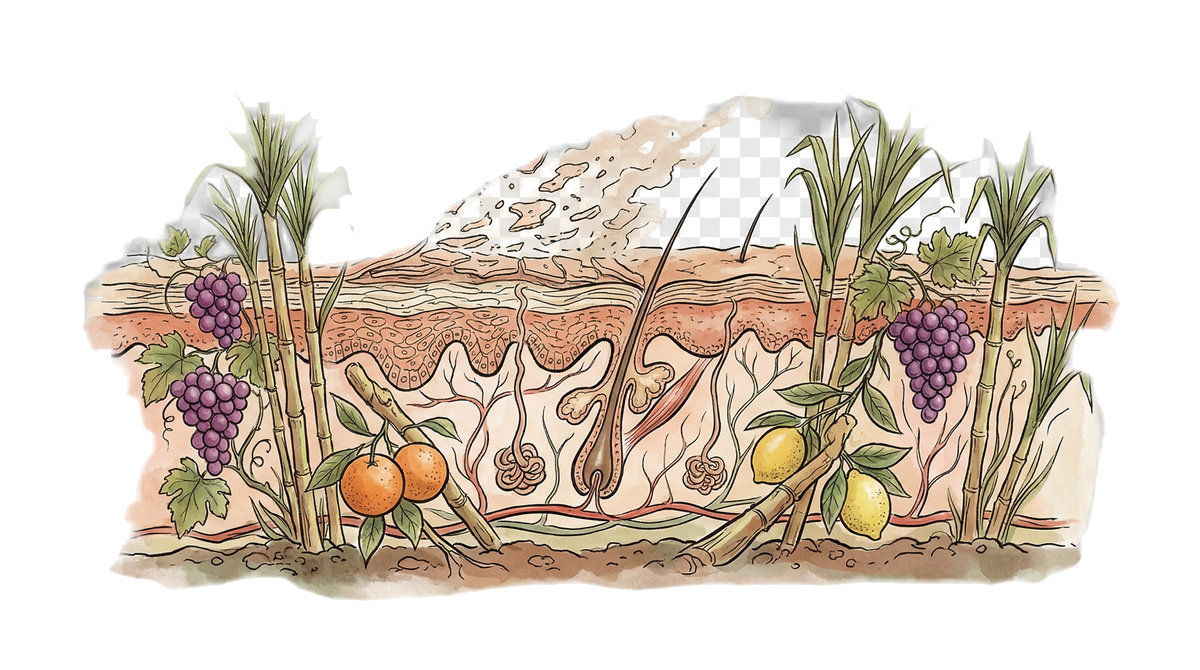
AHA (Alpha Hydroxy Acids)
Alpha hydroxy acids (AHAs) are water-soluble acids that exfoliate your skin's surface by breaking the ionic bonds holding dead cells together in your...
Read more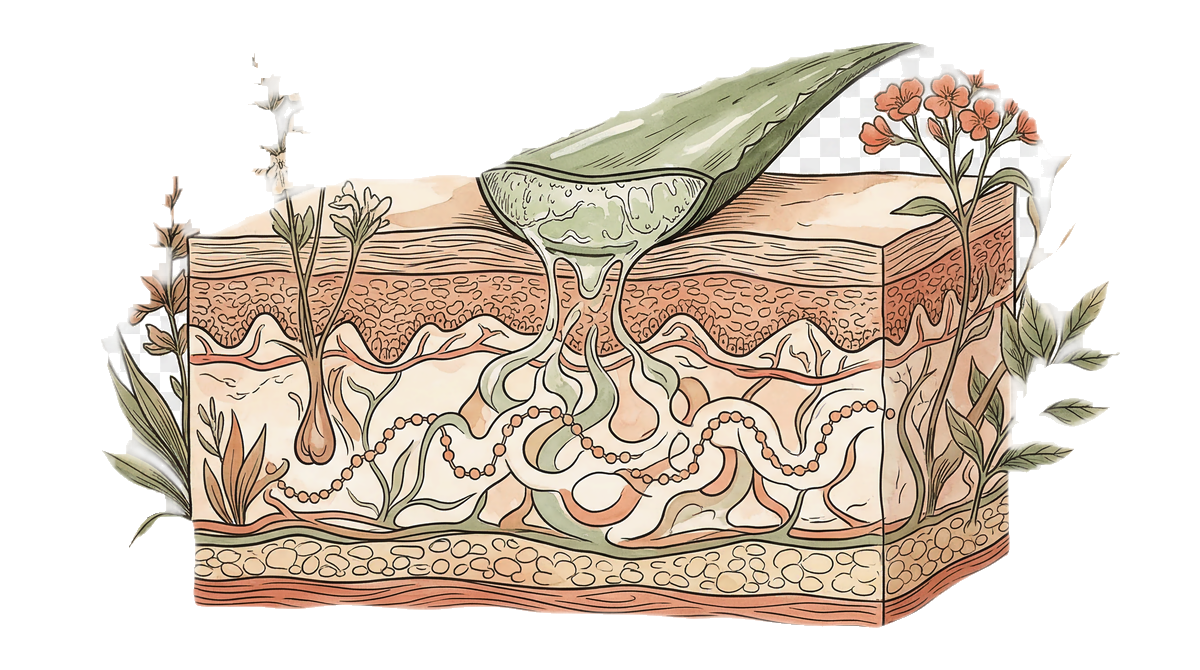
Aloe Vera
Aloe vera (Aloe barbadensis miller) gel is the clear, viscous substance from the inner leaf of the aloe plant. It contains acemannan (a beta-linked...
Read more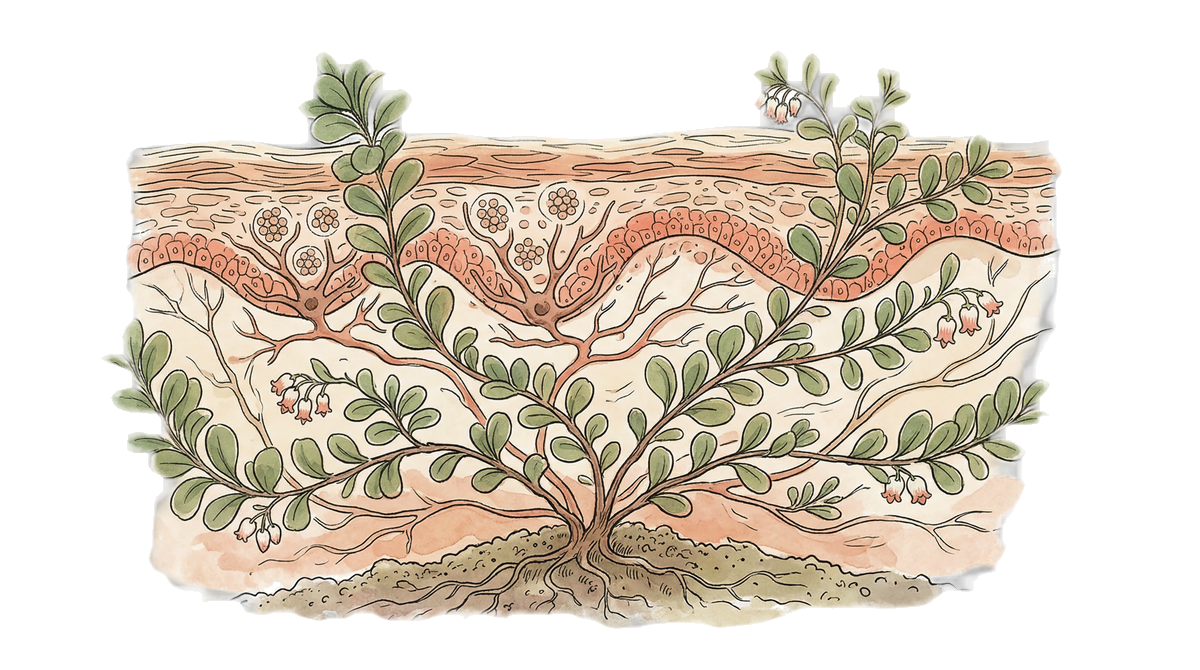
Alpha-Arbutin
Alpha-arbutin is the alpha-glucoside of hydroquinone: a glucose molecule bonded to hydroquinone. That glycosidic bond is what separates it from raw...
Read more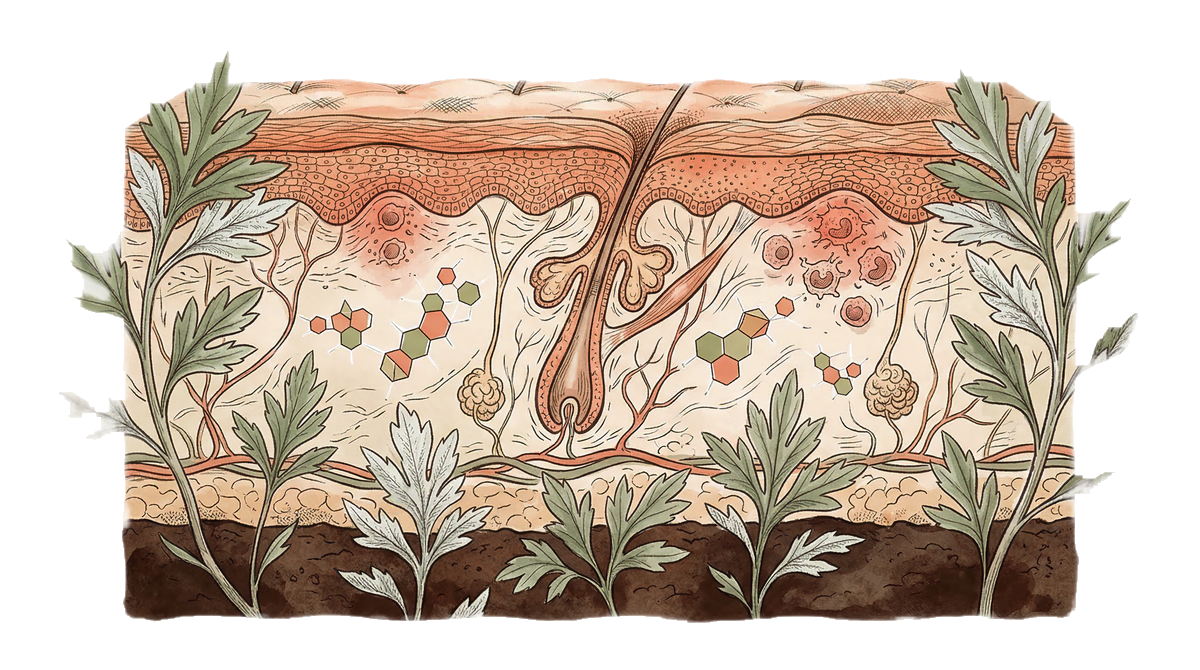
Artemisia (Mugwort)
Artemisia princeps (Korean mugwort, or ssuk) is a perennial herb in the Asteraceae family, native to East Asia. In Korean skincare, its extract is...
Read more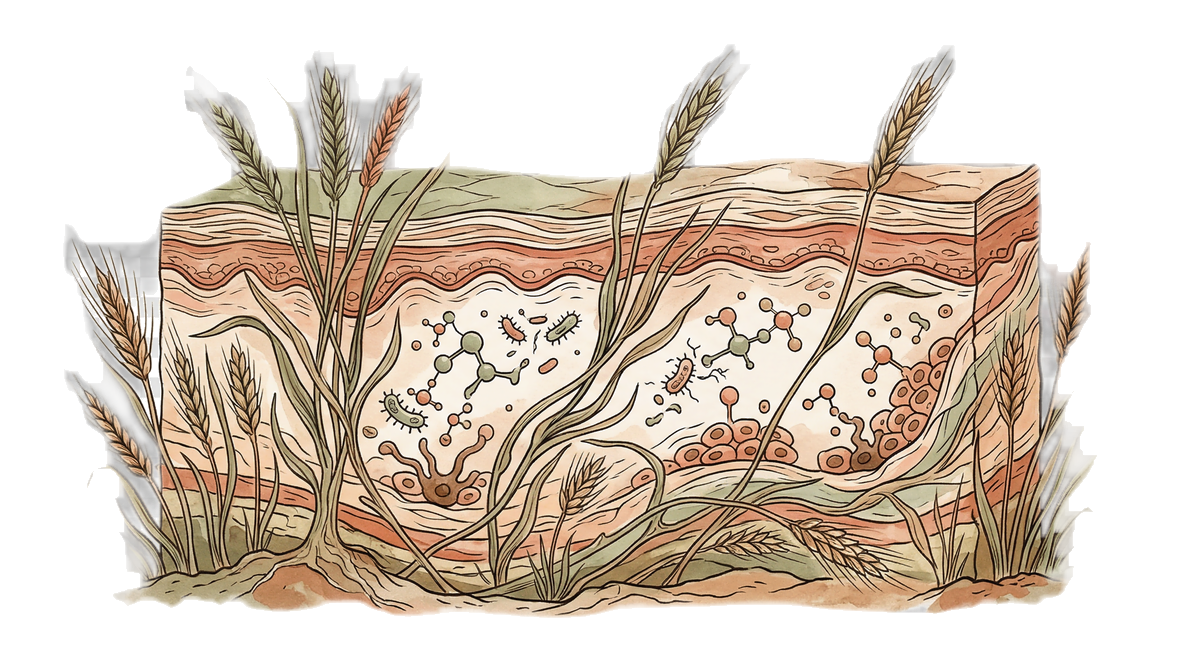
Azelaic Acid
Azelaic acid is a naturally occurring dicarboxylic acid (C9) produced by Malassezia furfur yeast on human skin. What makes it stand out in your...
Read more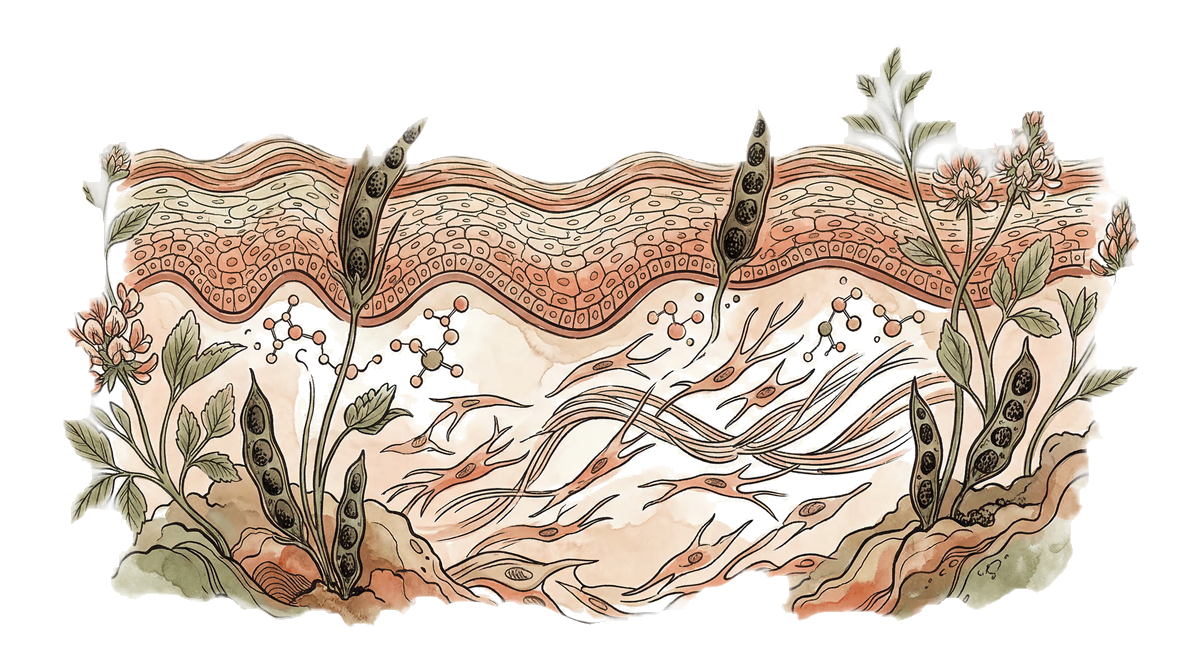
Bakuchiol
Bakuchiol is a meroterpene isolated from the seeds and leaves of Psoralea corylifolia. The plant has a long record in Ayurvedic and Chinese medicine,...
Read more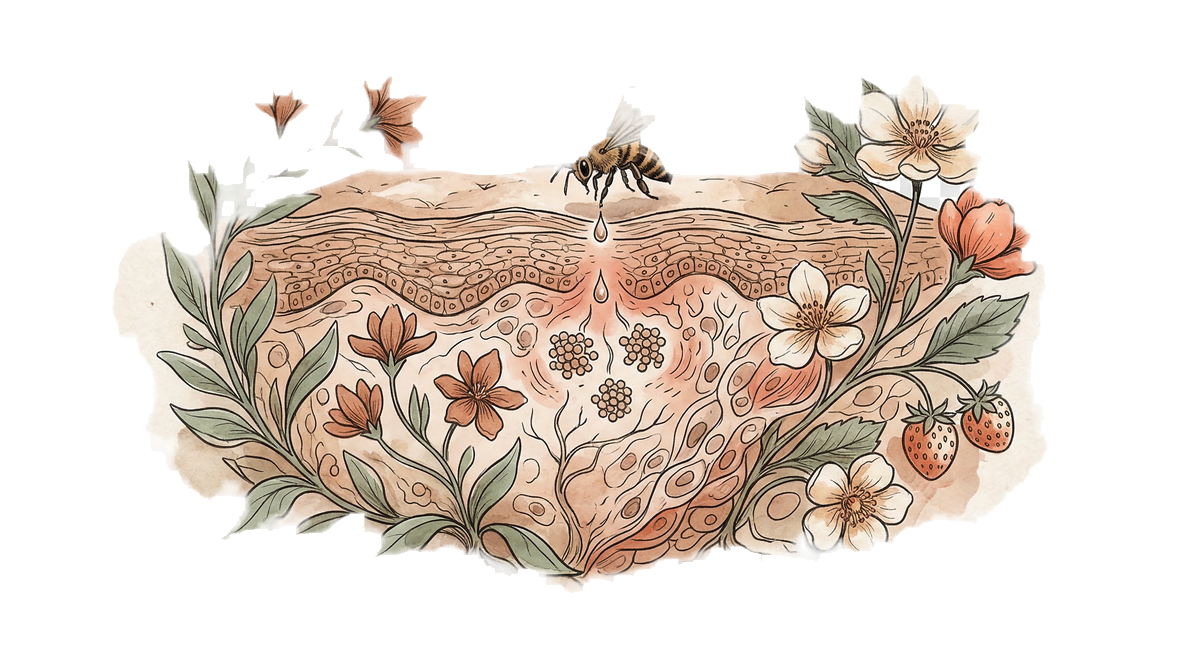
Bee Venom
Bee venom (apitoxin) is a complex mixture of peptides, enzymes, and bioactive compounds from Apis mellifera honeybees. The active compound in skincare...
Read more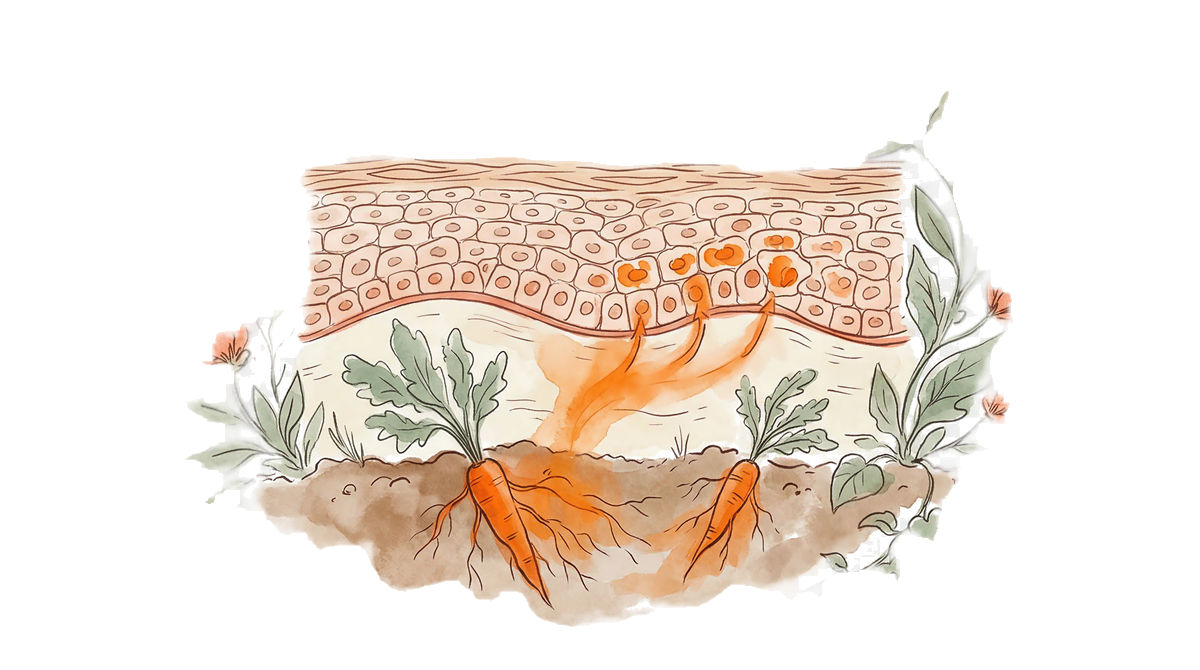
Beta-Carotene
Beta-carotene is a provitamin A carotenoid, a lipid-soluble orange pigment found in carrots, sweet potatoes, sea buckthorn, and palm fruit. Your skin...
Read more
Beta-Glucan
Beta-glucan is a polysaccharide made of glucose molecules linked by beta-glycosidic bonds. What it does in your skin depends on its source....
Read more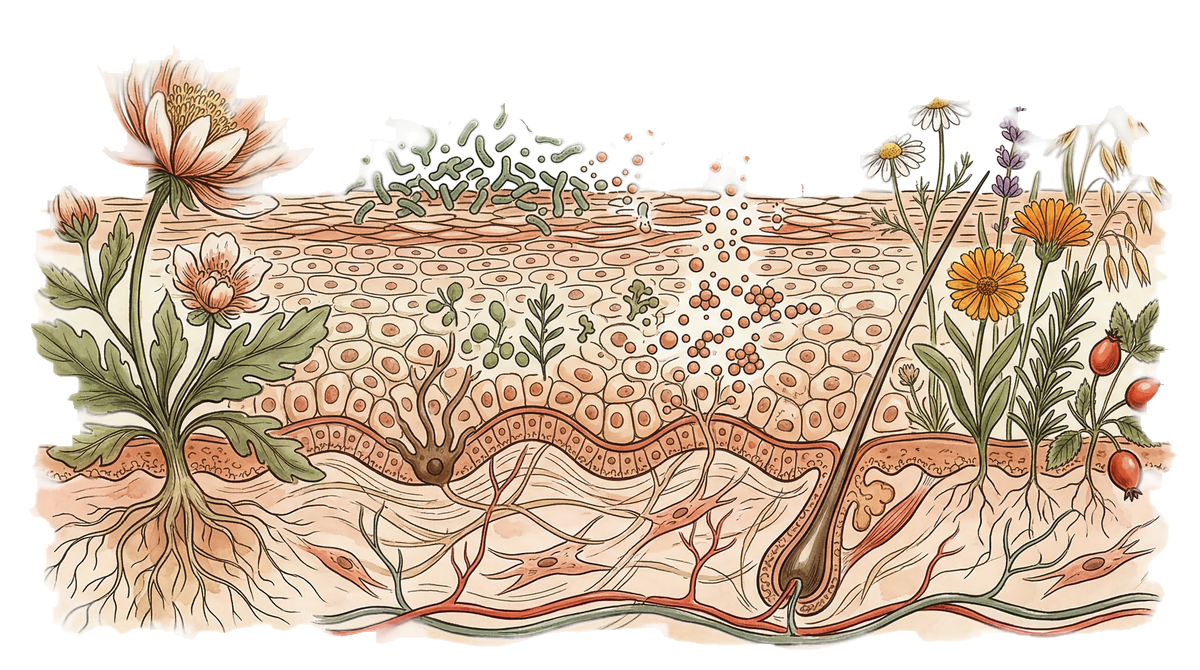
Bifida Ferment Lysate
Bifida ferment lysate is the filtrate produced when Bifidobacterium bacteria are fermented and then lysed (their cell walls broken open). The...
Read more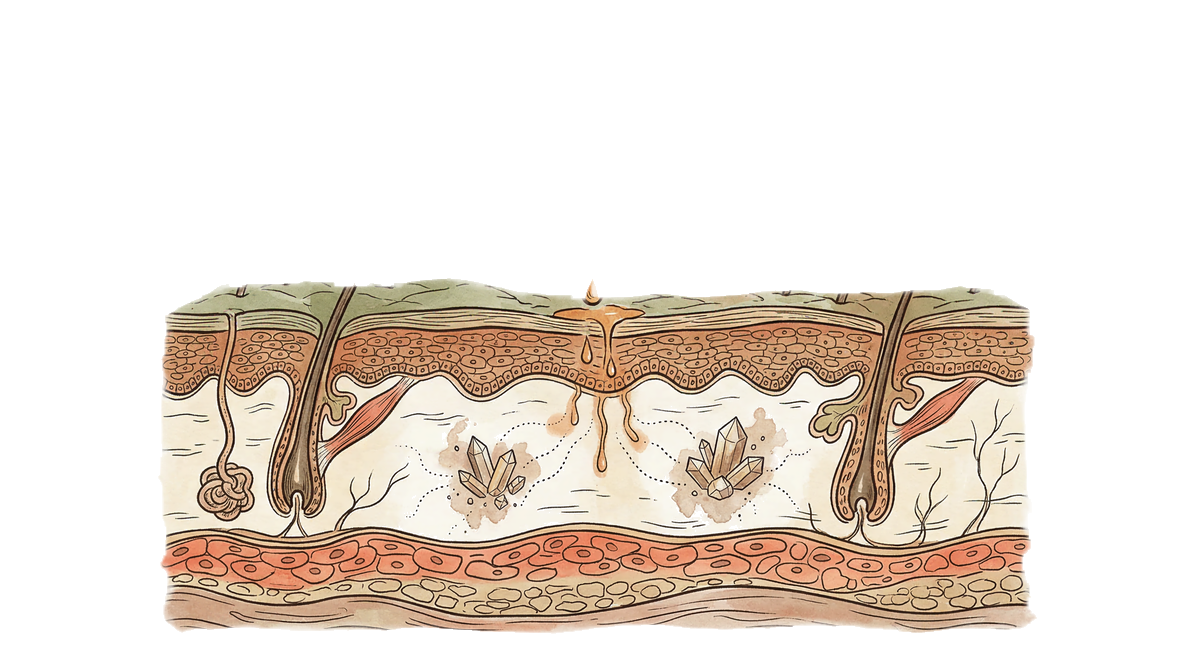
Birch Sap
Birch sap (Betula platyphylla) is the xylem fluid harvested from white birch trees each spring. The fluid is 98% water, with the remaining 2% composed...
Read more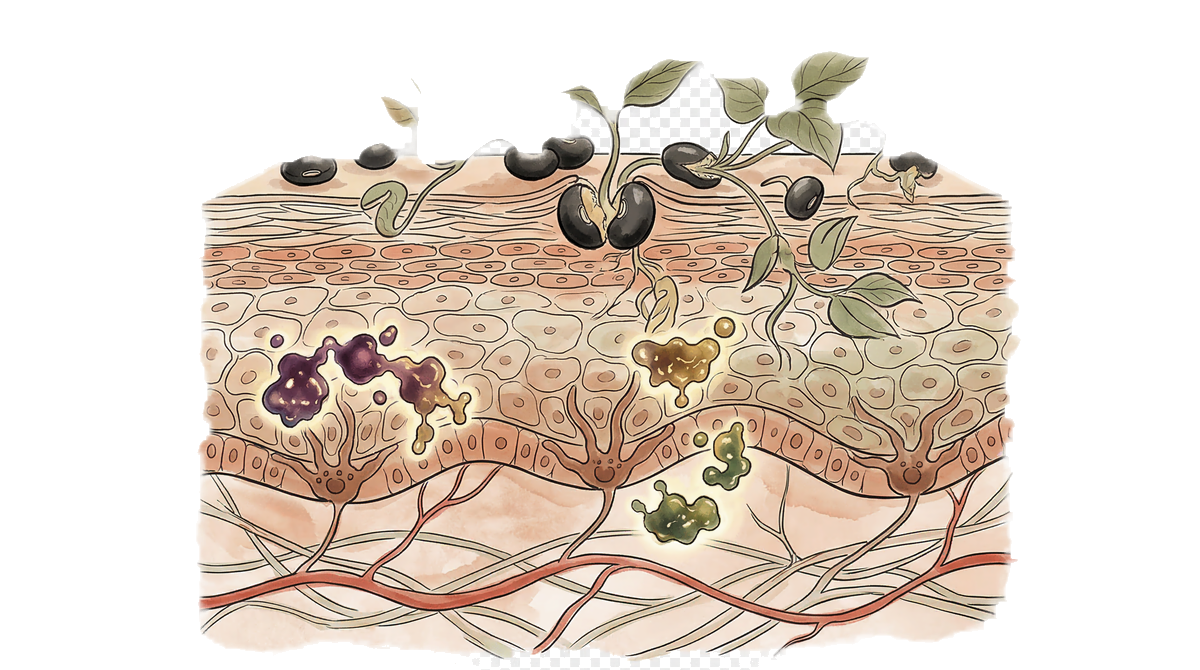
Black Bean
Black bean extract in K-beauty refers specifically to Korean black soybean (Glycine max, black seed coat variety), distinct from common black beans...
Read more
c-PDRN
c-PDRN (cell-free or chemically synthesized PDRN) is a synthetic polydeoxyribonucleotide produced through enzymatic polymerization rather than...
Read more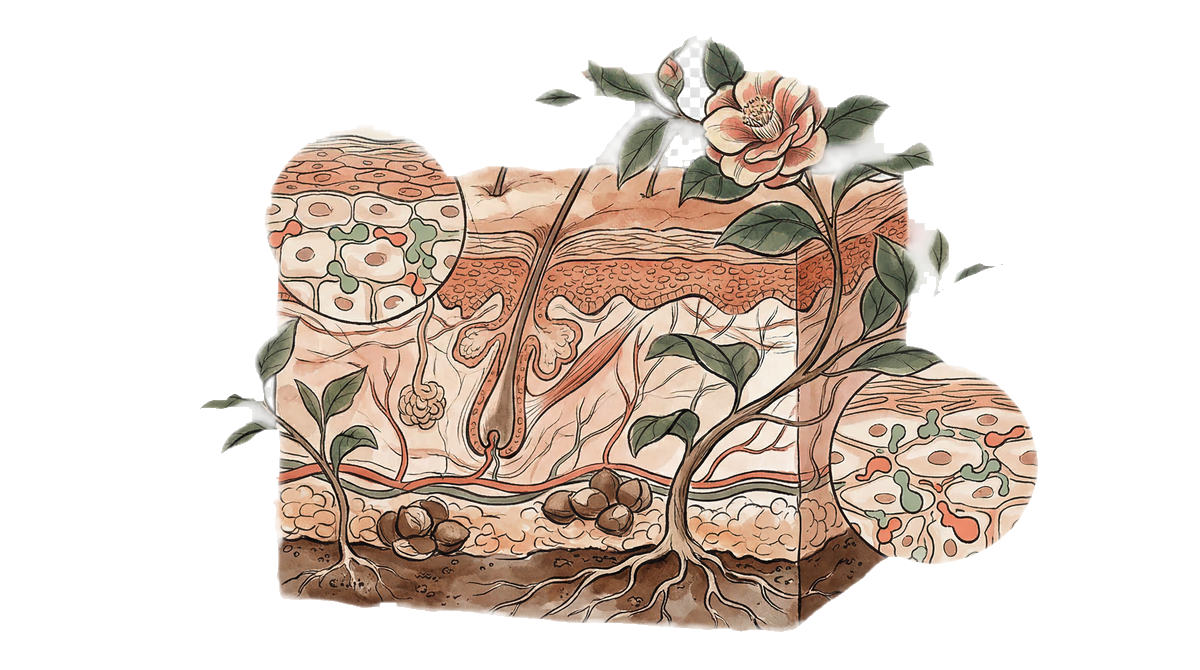
Camellia Oil
Camellia oil is cold-pressed from the seeds of Camellia japonica, an evergreen tree native to Korea, Japan, and southern China. Your bottle contains...
Read more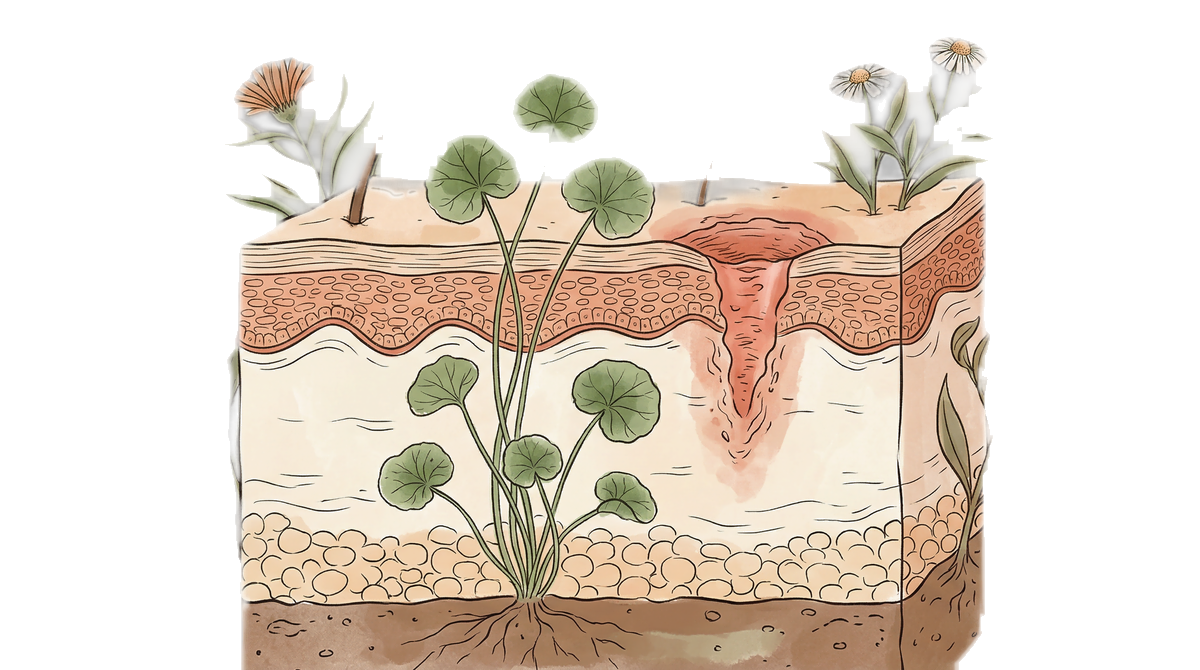
Centella Asiatica (Cica)
Centella asiatica is a perennial herb used in traditional Asian medicine for centuries (and the reason "cica" appears on half the products in your...
Read more
Ceramides
Ceramides are waxy lipid molecules that make up roughly 50% of your stratum corneum's intercellular matrix. They form lamellar bilayers between your...
Read more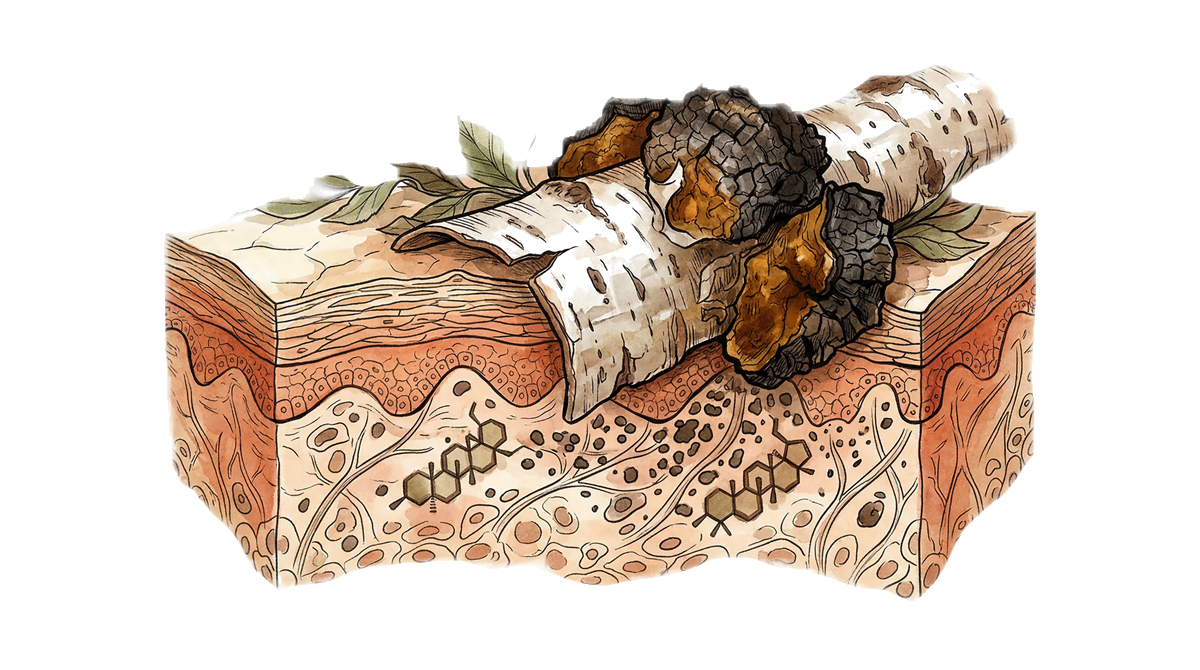
Chaga Mushroom Extract
When you use a chaga product, you're getting an extract from Inonotus obliquus, a parasitic fungus that colonizes birch trees in cold climates,...
Read more
Collagen (Marine + Plant-Derived)
Collagen is the structural protein that makes up about 75% of your dermis by dry weight, and the scaffolding responsible for your skin's firmness and...
Read more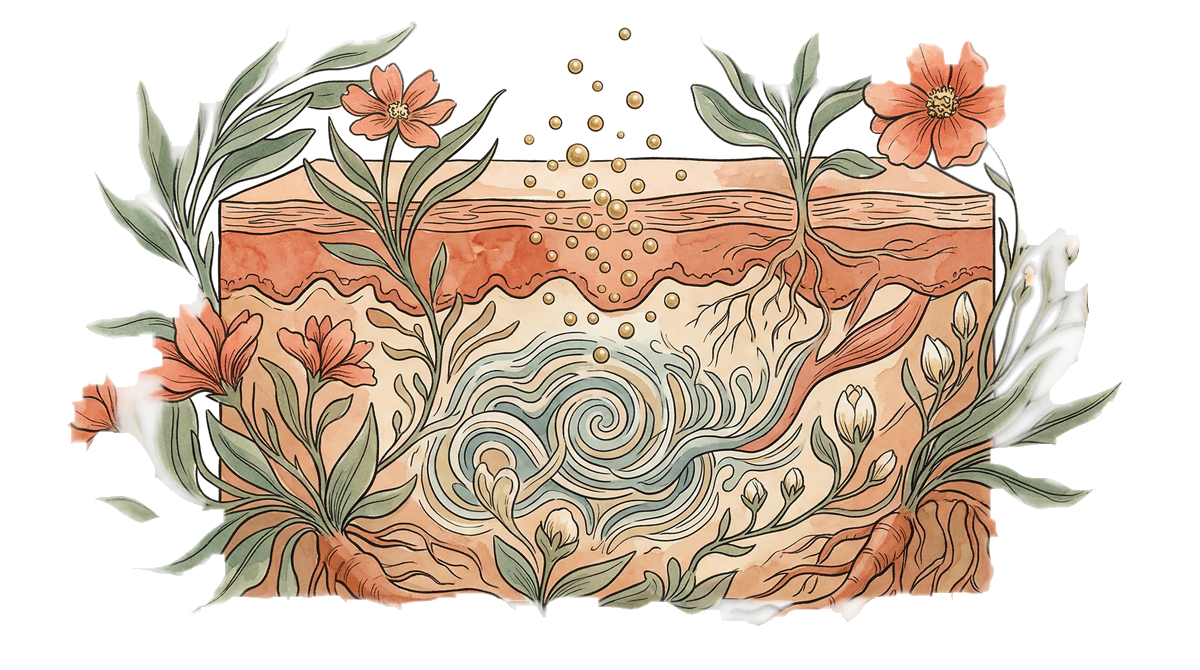
Colloidal Gold
Colloidal gold is a suspension of gold nanoparticles (typically 1-100nm in diameter) produced by chemically reducing gold salts (chloroauric acid) in...
Read more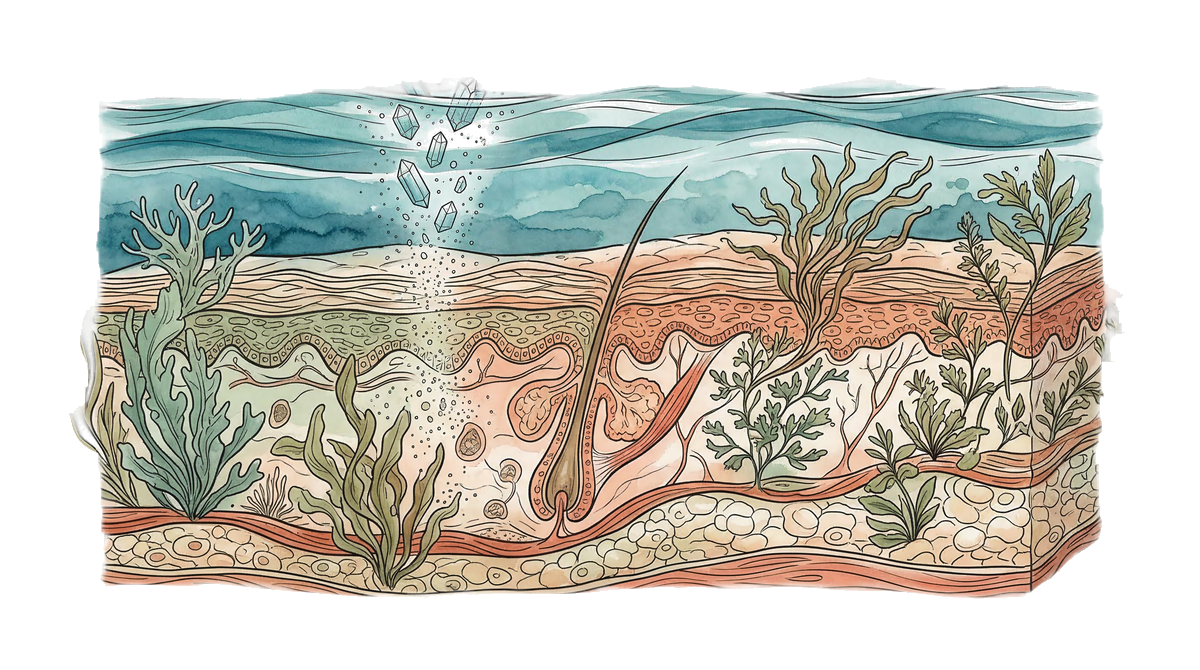
Deep Sea Water
Deep sea water (DSW) is seawater extracted from depths of 200 meters or more, below the photic zone where sunlight penetrates. In Korea, DSW is...
Read more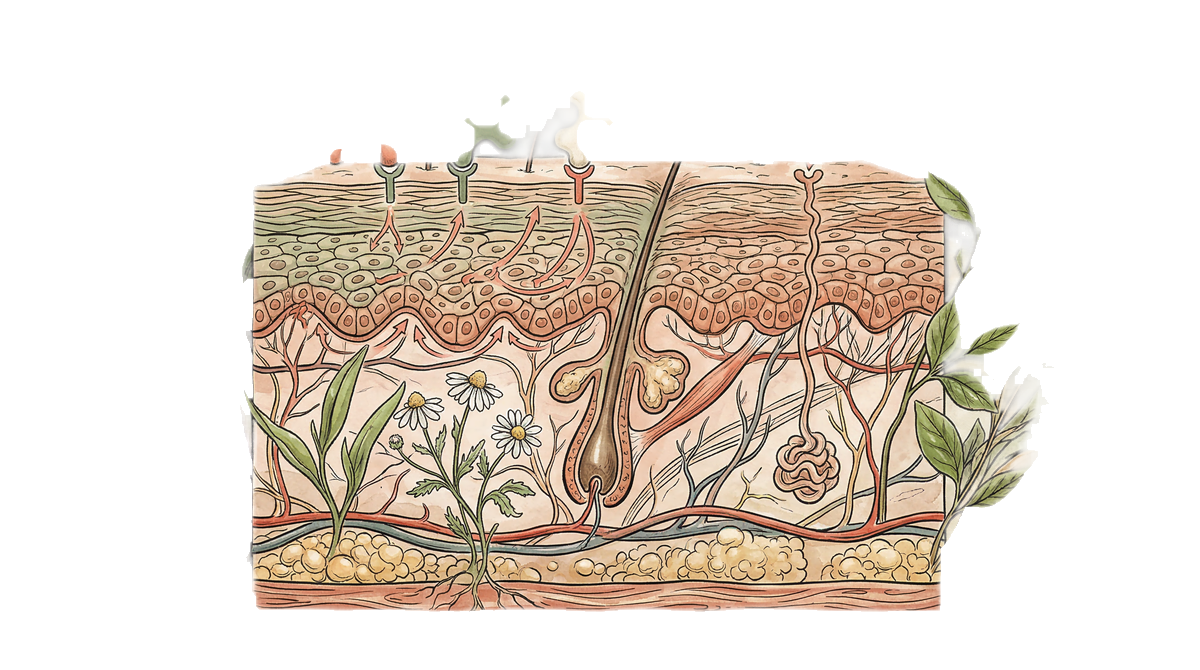
EGF
Epidermal Growth Factor (EGF) is a 53-amino-acid signaling peptide (6.2 kDa) that binds the EGFR (ErbB1) receptor on your keratinocytes and...
Read more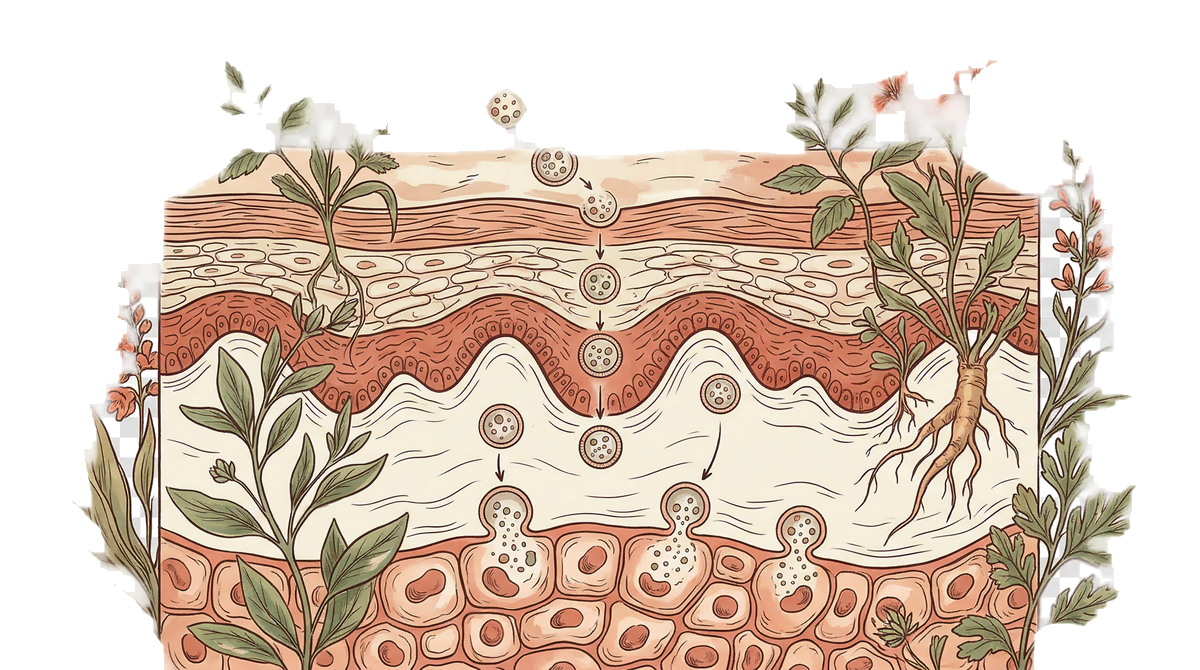
Exosomes
Exosomes are extracellular vesicles 30-150 nanometers in diameter, released by cells through the endosomal pathway. They carry proteins, lipids, mRNA,...
Read more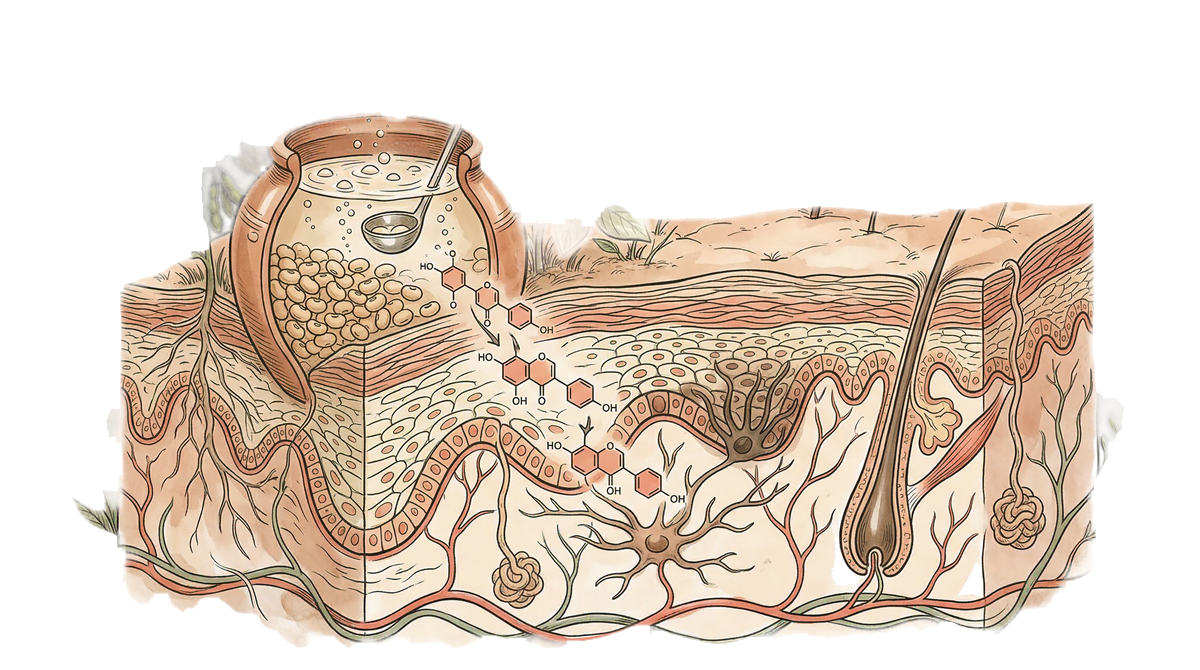
Fermented Soybean
Fermented soybean extract is produced by fermenting soybeans (Glycine max) with bacteria (Bacillus subtilis, the same culture used in Korean...
Read more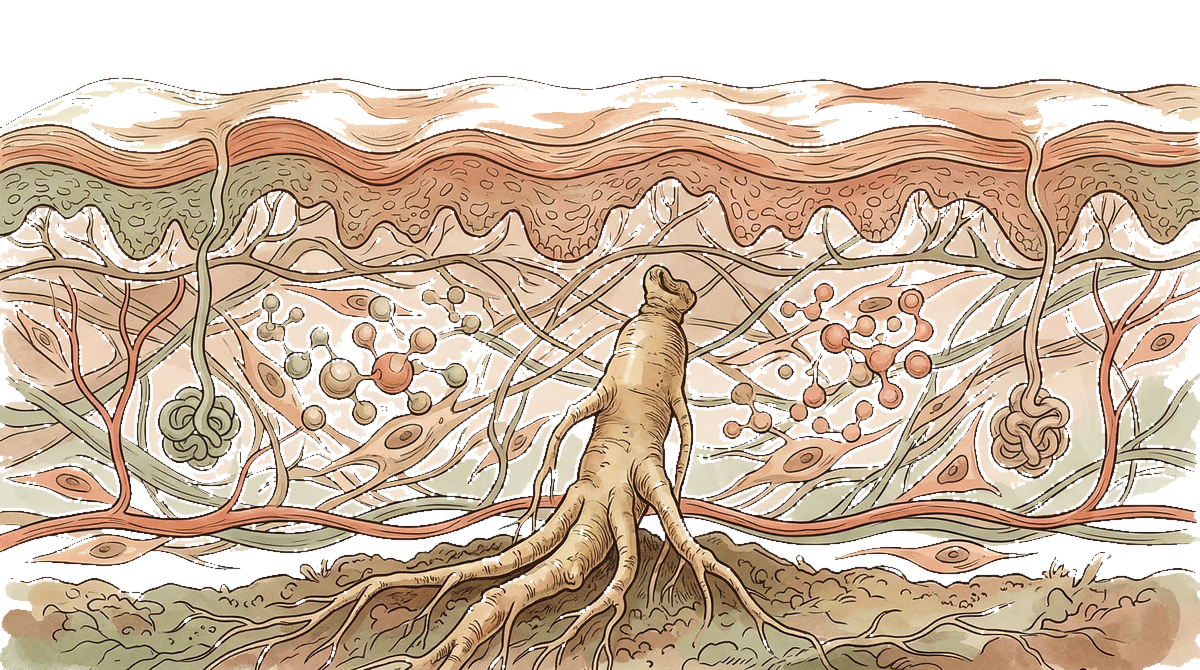
Ginseng
Ginseng in skincare means extracts from Panax ginseng root, specifically the ginsenosides, a family of 30+ steroidal saponins. These compounds drive...
Read more