
Do You Need Double Cleansing If You Wear Sunscreen?

In this article
You keep seeing the same claim on TikTok: if you wear sunscreen, you must double cleanse or you'll break out. And if you don't double cleanse, sunscreen residue is quietly clogging your pores while you sleep.
It sounds reasonable. Sunscreens are designed to stick. Water alone barely touches them. So doubling up must be the safer bet, right?
Here's what that claim leaves out.
TL;DR
Double cleansing is the right move when you're wearing modern SPF, makeup, or heavy sebum. It isn't a daily law. What matters is what's on your face, not the number of steps in your routine.
What double cleansing actually does
Double cleansing solves a chemistry problem, not a hygiene one. The first cleanse is oil-based, usually a balm or cleansing oil. The second is water-based, usually a low-pH gel or foam.
The oil step dissolves what water can't: silicones, film-forming polymers, mineral filters, sebum, and the emollients in most modern sunscreens. The water step lifts sweat, dead cells, and water-soluble grime.
You need step one because most K-beauty sunscreens are built to resist water. That's the entire point of a sunscreen: stay on your face when you sweat, swim, or rub against a mask. A gentle surfactant cleanser trying to solve that alone will either leave residue or strip your barrier trying.
Double cleansing is the right tool for a specific job. It is not a moral position on cleanliness.
The "sunscreen causes acne" claim, tested
The evidence that sunscreen residue directly causes acne is thinner than the internet suggests. What triggers breakouts in most people is not the SPF itself but three things stacked together: comedogenic ingredients in the formula, incomplete removal, and a compromised barrier from over-cleansing.
A 2019 review in the Journal of Cosmetic Dermatology found that most modern chemical filters (avobenzone, uvinul A plus, tinosorb) score low on comedogenicity when properly removed. The issue is removal, not the filter.
That's where double cleansing earns its place. Not because "sunscreen equals breakout," but because leaving film-forming polymers on your skin overnight lets sebum and dead cells accumulate on top of them. That mix, not the SPF alone, is what shows up as clogged pores three days later.
When one cleanse is enough
If you skipped sunscreen, makeup, and heavy sweating, one cleanse is fine. A morning rinse with a low-pH gel does not need an oil pre-step. Your skin didn't accumulate anything oil-soluble overnight beyond a normal amount of sebum, which surfactants handle without help.
The people who get into trouble are the ones who double cleanse every morning and every night out of habit. Two rounds of foaming surfactant on skin that has nothing to remove is how you end up with a stinging, red, dehydrated face by week three.
Ask what's actually on your skin. If it's SPF, makeup, or a full day of city grime and sweat, double cleanse. If it's just eight hours of sleep on a clean pillowcase, don't.
Not sure if your cleanse routine is stripping your barrier?
Answer 9 questions. Koracle checks fit, conflicts, texture, and evidence.
Build my routine →How to double cleanse without wrecking your barrier
The mistake most people make is picking the wrong first cleanser. Cleansing oils and balms are not interchangeable. Some rely on mineral oil and heavy esters that emulsify poorly and leave a film. Others use lighter esters like ethylhexyl palmitate that rinse cleanly.
For acne-prone skin, avoid balms heavy in isopropyl myristate, coconut oil, or high concentrations of shea butter. These score higher on comedogenicity scales and can trigger the exact problem you're trying to prevent.
The rebuild step matters as much as the cleanse. If you're double cleansing at night, your PM moisturizer should replace the lipids you just dissolved.
Paid links: Koracle may earn from qualifying purchases. Details.
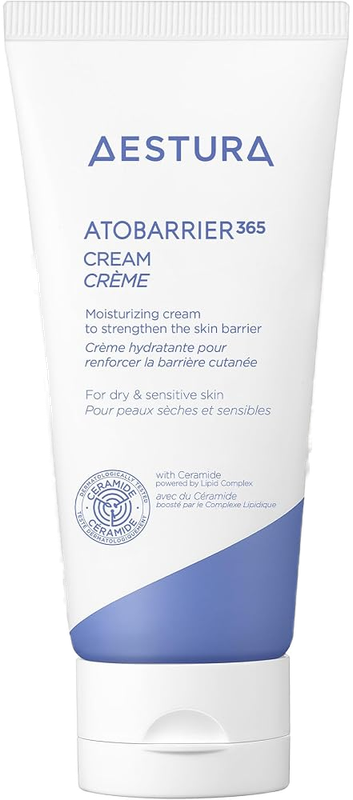
View on Amazon. Amazon shows final price and availability.
For acne-prone skin that needs barrier support without heaviness, a lighter gel-cream sits better than an occlusive.
Paid links: Koracle may earn from qualifying purchases. Details.
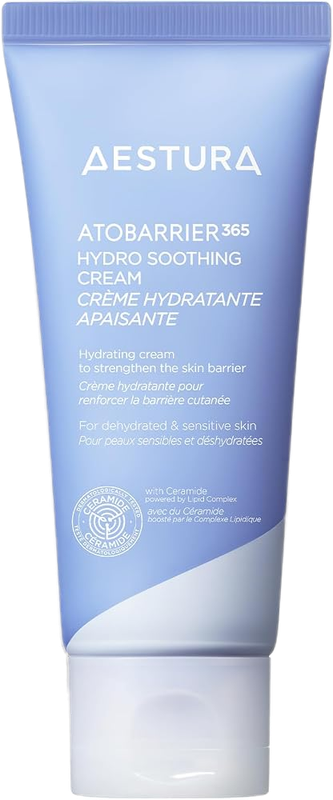
View on Amazon. Amazon shows final price and availability.
The bottom line
Double cleansing is worth doing on days you wear sunscreen, makeup, or work up real sweat. It is not a nightly obligation, and doing it wrong (too aggressive, wrong first cleanser, no moisturizer after) is worse than skipping it. Match the routine to what's on your face, not to a rule someone shouted on a fifteen-second video.
Common Questions
Can I skip double cleansing on days I don't wear sunscreen?↓
Yes. If your skin didn't see SPF, makeup, or heavy sebum from a long humid day, a single gentle cleanse is enough. The rule is not the routine, it's what you're actually removing.
Does double cleansing cause acne?↓
Only if you over-strip. Two gentle cleanses do not cause acne on their own. Aggressive foaming surfactants twice a night, or oil cleansers with high-comedogenic esters, can trigger breakouts in oily and acne-prone skin.
Is micellar water enough to remove sunscreen?↓
For most modern K-beauty SPFs, no. Micellar water removes light residue but leaves behind the film-forming polymers that give sunscreens their water resistance. An oil-based first cleanse handles those better.
Do mineral sunscreens need double cleansing?↓
Usually yes. Zinc oxide and titanium dioxide are often suspended in silicones and film-formers that resist plain water. A short oil or balm cleanse lifts them faster than scrubbing with foam.
Turn what you learned into a routine that fits your skin.
Answer a few questions and Koracle will check formula fit, budget, tolerance, and routine order.
Build my formula-checked routine