
How to Build a K-Beauty Routine for Sensitive, Acne-Prone Skin
In this article
If your skin breaks out and stings at the same time, most acne advice will make things worse. The salicylic acid pads, the benzoyl peroxide spot treatments, the foaming cleansers labeled "deep clean" — they target oil and bacteria without acknowledging that your barrier is already compromised.
Sensitive acne-prone skin needs a different sequence. Calm the inflammation first, then treat the lesions. K-beauty's gentler actives and barrier-first formulation philosophy fits this skin type better than anything in the Western drugstore aisle.
TL;DR
Build the routine in two phases: four weeks of barrier repair first, then introduce one acne active at a time. Niacinamide, centella, and ceramides do most of the work. BHA stays low and infrequent.
Why sensitive acne-prone skin needs a different approach
The two problems feed each other. A compromised barrier loses water faster, which triggers compensatory oil production, which feeds C. acnes. Meanwhile, the standard acne treatments — high-strength BHA, benzoyl peroxide, alcohol-heavy toners — strip the barrier further.
Research on acne patients shows transepidermal water loss is already elevated by 28–40% compared to controls before any treatment starts (Yamamoto et al., 1995). Adding aggressive actives to that baseline doesn't clear acne faster. It triggers a rebound cycle of breakouts and irritation.
The fix is to invert the usual priority. Repair first. Treat second.
Sensitive acne-prone skin doesn't fail at acne treatment because the actives are too weak. It fails because the barrier never had a chance to stabilize.
Phase 1: Four weeks of barrier repair
Spend the first month doing almost nothing. No acids, no retinoids, no spot treatments. The goal is to drop your baseline irritation so that when you introduce an active, you can actually tell whether it's working.
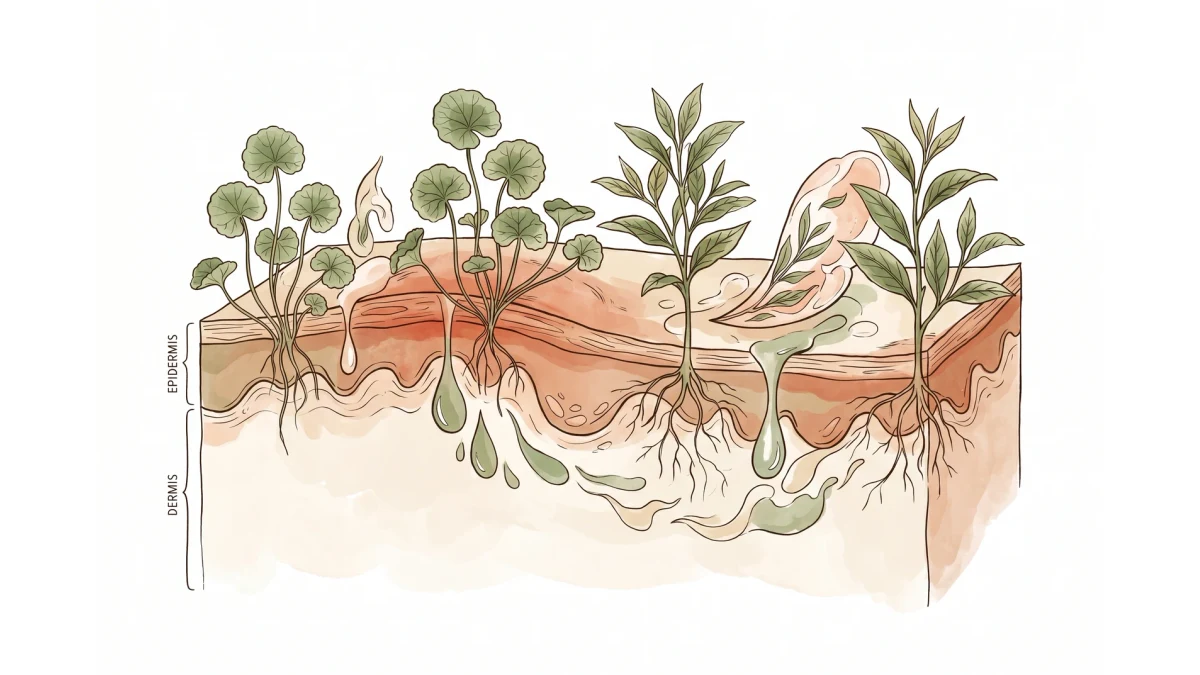
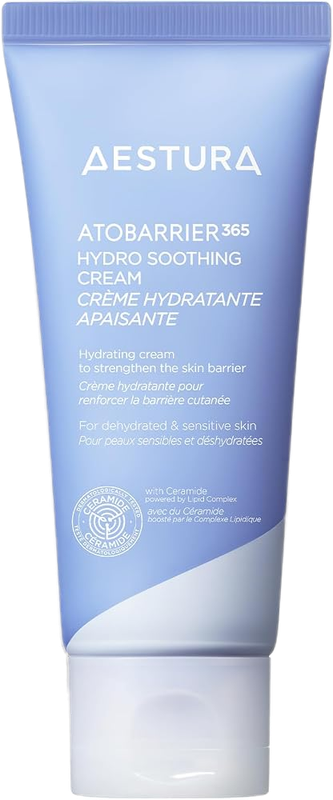
Three ingredients carry this phase: niacinamide, centella asiatica, and ceramides. Niacinamide reduces inflammatory acne lesions by 52% over 8 weeks at 4% concentration (Shalita et al., 1995) while simultaneously reinforcing ceramide synthesis. Centella's madecassoside fraction calms TRPV1-driven redness within days. Ceramides physically rebuild the lipid matrix that's letting water out.
Paid links: Koracle may earn from qualifying purchases. Details.
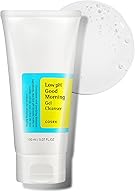
View on Amazon. Amazon shows final price and availability.
Paid links: Koracle may earn from qualifying purchases. Details.
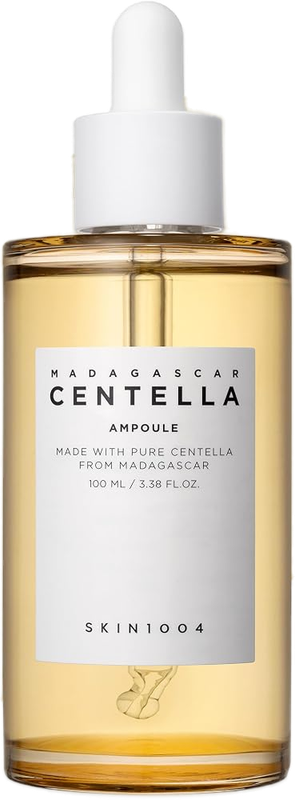
View on Amazon. Amazon shows final price and availability.
Paid links: Koracle may earn from qualifying purchases. Details.
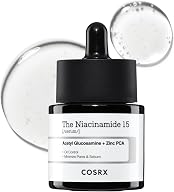
View on Amazon. Amazon shows final price and availability.
Paid links: Koracle may earn from qualifying purchases. Details.
View on Amazon. Amazon shows final price and availability.
Paid links: Koracle may earn from qualifying purchases. Details.
View on Amazon. Amazon shows final price and availability.
Phase 2: Introduce one active at a time
After four weeks of stable barrier function, you can start treating. The rule: one new active, used 2–3 times per week, evaluated for two weeks before adding anything else.
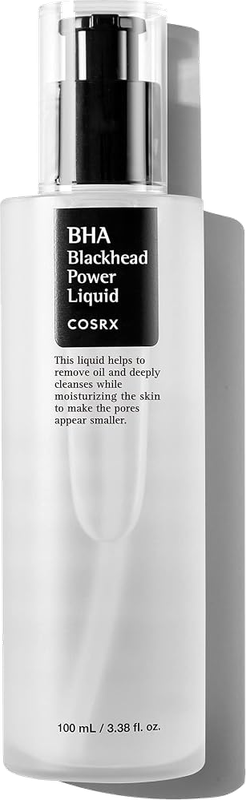
Start with BHA if your acne is comedonal — blackheads, closed bumps along the jaw and forehead. Salicylic acid at 0.5–2% penetrates sebum and clears follicular plugs. A 12-week study found 2% salicylic acid reduced comedones by 47% (Zander & Weisman, 1992), and lower concentrations work nearly as well in sensitive skin without the sting.
Apply BHA at night, after cleansing, before any hydrating layers. Two nights per week for the first two weeks. If your skin handles it, move to three nights.
Paid links: Koracle may earn from qualifying purchases. Details.
View on Amazon. Amazon shows final price and availability.
If your acne is more inflammatory — papules and pustules rather than blackheads — azelaic acid is a better starting point than BHA. It's antimicrobial against C. acnes, anti-inflammatory, and fades post-acne marks at the same time. 10–15% azelaic acid matches benzoyl peroxide for inflammatory lesion reduction without the barrier damage (Gollnick & Layton, 2008).
Paid links: Koracle may earn from qualifying purchases. Details.
View on Amazon. Amazon shows final price and availability.
Not sure whether your acne is comedonal or inflammatory?
Answer 9 questions. Koracle checks fit, conflicts, texture, and evidence.
Build my routine →When to add retinol (and when not to)
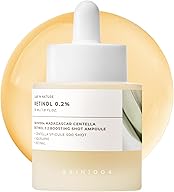
Retinol is the most powerful tool for acne-prone skin, and the most likely to wreck a sensitive barrier. Don't introduce it until you've completed phase 1 and tolerated phase 2 for at least four weeks.
Start at 0.2% retinol, two nights per week, applied after moisturizer rather than before. This "moisturizer sandwich" cuts irritation roughly in half while preserving most of the efficacy. Skip BHA on retinol nights for the first month — the combination is fine eventually, but not while either is new to your skin.
If you're using prescription tretinoin or adapalene, skip OTC retinol entirely. Stacking retinoids doesn't speed results, just irritation.
Paid links: Koracle may earn from qualifying purchases. Details.
View on Amazon. Amazon shows final price and availability.
What to skip
Some popular K-beauty steps actively work against sensitive acne-prone skin. Physical exfoliating scrubs, even gentle "rice" formulations, create micro-tears that worsen inflammation. Sheet masks with fragrance or essential oils trap irritants against the skin for 20 minutes. The 7-skin method — patting toner in seven layers — is fine for dry skin but pointless for oily acne-prone skin and prolongs evening contact time with whatever's in the toner.
Alcohol-denat near the top of an ingredient list is a hard pass. So is any product marketed as "pore-tightening" with menthol or peppermint, which trigger TRPM8 receptors and inflame already-reactive skin.
The bottom line
Sensitive acne-prone skin clears fastest when you treat the barrier as the primary patient and acne as the secondary one. Spend a month on niacinamide, centella, and ceramides before you touch an active. Then add BHA or azelaic acid — not both — at low frequency. Retinol comes last, if at all.
The routine that finally works probably looks shorter and gentler than the one that didn't.
Common Questions
Can I use BHA if my skin is both sensitive and acne-prone?↓
Yes, but start at 2–3 nights per week with a low concentration like 0.5% salicylic acid. Sensitive acne-prone skin usually has a compromised barrier, so daily acid use will trigger more breakouts than it prevents. Build up only if your skin tolerates it without stinging or redness.
Should I avoid niacinamide because it might cause flushing?↓
No. The flushing concern comes from oral nicotinic acid, a different molecule. Topical niacinamide up to 10% is well-tolerated in sensitive skin and reduces inflammatory acne lesions by around 52% in 8 weeks (Shalita et al., 1995).
Is double cleansing too harsh for sensitive acne-prone skin?↓
Not if you pick the right cleansers. A gentle oil or balm followed by a low-pH surfactant cleanser actually causes less barrier disruption than scrubbing once with a high-pH foam. The key is lukewarm water and 30 seconds of contact time, not aggressive massage.
Can I use retinol if my skin is sensitive?↓
Yes, but start with a low dose and buffer it. A 0.2% retinol two nights per week, applied after moisturizer, is the standard sensitive-skin entry point. Skip it the first 4–6 weeks while you stabilize the barrier with niacinamide and ceramides first.
Turn what you learned into a routine that fits your skin.
Answer a few questions and Koracle will check formula fit, budget, tolerance, and routine order.
Build my formula-checked routine