
K-Beauty Guide to Dehydrated Skin
In this article
Why skin can feel dry and oily
Dehydrated skin lacks water, not always oil. That is why oily skin can still feel tight after cleansing.
Concern snapshot
Dehydrated skin lacks water in the stratum corneum, regardless of how much oil it produces.
5 mapped causes
4 key ingredients
Layered support
If your skin is shiny but tight, do not jump to a heavy cream first. Add water-binding layers, then seal lightly.
What drains water from skin?
Harsh cleansing, weak barrier lipids, dry air, and overuse of actives can all make skin lose water faster than it can hold it.
What keeps it going
01. Over-cleansing with high-pH or sulfate-based cleansers strips the skin's natural moisture factors from the stratum corneum.
02. Low humidity environments (air conditioning, heated rooms, dry climates) pull water out of skin faster than it can be replaced.
03. Skipping moisturizer after water-based products lets humectants draw water out of your skin instead of from the air.
04. Alcohol-heavy toners and astringents dissolve the lipid barrier that holds water in the outer skin layers.
05. Excessive use of exfoliating acids (AHA, BHA, retinol) without adequate hydration thins the protective barrier.
Which ingredients help hydration last?
Hydration works best in layers. Hyaluronic acid pulls water in. Ceramides and panthenol help keep the barrier steady.
Evidence-backed ingredients
Hyaluronic Acid
ProvenA glycosaminoglycan that binds up to 1,000x its weight in water within the stratum corneum. Low molecular weight HA (under 50 kDa) penetrates deeper than high molecular weight forms, hydrating below the surface.
Draelos et al., 2021 — Dermatology and Therapy
Ceramides
ProvenLipids that make up about 50% of the intercellular mortar between skin cells. Applying them topically fills gaps in a damaged lipid barrier, directly reducing transepidermal water loss (TEWL).
Meckfessel & Brandt, 2014 — Journal of Clinical and Aesthetic Dermatology
Squalane
StudiedA saturated hydrocarbon that mimics skin's own sebum. It sits on the surface as a lightweight occlusive, slowing water evaporation without the heavy feel of petrolatum or shea butter.
Huang et al., 2018 — International Journal of Cosmetic Science
Panthenol (Pro-Vitamin B5)
StudiedConverts to pantothenic acid in the skin, where it both attracts water as a humectant and stimulates epidermal lipid synthesis to support the barrier from within.
Camargo et al., 2011 — Journal of Cosmetic Science
What should the routine do?
The best hydration routine is light but persistent. Add water early, comfort in the middle, and a moisturizer that fits your skin type.
Routine principles
A K-beauty dehydration routine layers water-based products from thinnest to thickest. Start with a low-pH cleanser that does not strip, follow with a hydrating toner patted on in two to three coats, then a hyaluronic acid serum, and seal everything with a ceramide or squalane moisturizer. The layering builds a gradient of water and lipids that keeps the stratum corneum plump through the day.
What makes dehydration worse?
Skipping moisturizer is a common trap. Water-binding serums need something over them or the comfort fades fast.
Common traps
01. Using a foaming cleanser with a pH above 6.5: this dissolves the acid mantle and lets water escape faster than you can add it back.
02. Applying hyaluronic acid to dry skin in a dry room. HA needs ambient moisture to pull from; without it, HA draws water out of deeper skin layers instead.
03. Relying on a single heavy cream instead of layering lighter products. One thick layer sits on top; multiple thin layers distribute hydration through the stratum corneum.
04. Confusing dehydration with dryness and adding face oils alone. Oils are occlusives: they seal moisture in, but they do not add water. Without a humectant underneath, there is nothing to seal.
Find a hydration routine that does not feel heavy.
Answer 9 questions. Koracle checks fit, conflicts, texture, and evidence.
Build my routine →Common questions
How long does it take to fix dehydrated skin with a K-beauty routine?
Most people notice a visible difference in 5 to 7 days of consistent layered hydration. Full barrier recovery takes longer: around 2 to 4 weeks for the lipid matrix to recover. During this period, keep the routine simple: cleanser, hydrating toner, HA serum, ceramide moisturizer. Adding actives like retinol or AHA too soon slows recovery.
Does drinking more water fix dehydrated skin?
Not directly. Water you drink reaches your organs before your skin, and the outermost layer of skin (stratum corneum) has no blood supply: it gets moisture from the layers below it and from topical products. Severe systemic dehydration affects skin turgor, but most people with dehydrated skin are drinking enough water. The fix is topical: humectants to add water to the stratum corneum and occlusives to keep it there.
Why does K-beauty use multiple hydrating layers instead of one thick moisturizer?
Thin layers absorb more evenly than a single thick one. Each layer of toner or essence delivers water-binding ingredients directly into the stratum corneum, while thicker products applied afterward lock that water in. A thick cream applied alone sits mostly on the surface. The Korean concept of "7 skin method" (patting toner on in multiple coats) is an extreme version of this principle.
Can you be dehydrated and oily at the same time?
Yes, and it is one of the most common skin states. Oil production (sebum) and water content are controlled by separate systems. Over-cleansing or using alcohol-heavy products strips water without reducing oil output. The result is skin that is shiny on the surface but feels tight and shows crepe-like fine lines. K-beauty supports this with water-based hydrators in gel or essence textures rather than heavy creams.
Should I apply hyaluronic acid to damp or dry skin?
Damp skin, always. HA is a humectant: it pulls water from its surroundings into the skin. On damp skin, it grabs that surface moisture. On dry skin in a low-humidity environment, HA can draw water upward from deeper skin layers, which is counterproductive. After cleansing, pat skin until just slightly damp, apply your HA product, then layer a moisturizer on top to seal it.
What is the pinch test for dehydration and how reliable is it?
Pinch a small fold of skin on your cheek. If it springs back immediately, hydration is likely adequate. If it holds the fold for a second or more, the skin may be dehydrated. The test is a rough screen, not a clinical measurement. Corneometer readings used in studies are more accurate. The pinch test is most useful for tracking your own skin over time rather than as a one-time diagnosis.
Top picks for dehydration
Paid links: Koracle may earn from qualifying purchases. Details.
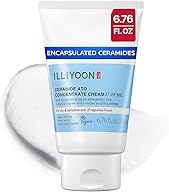
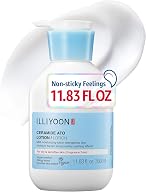
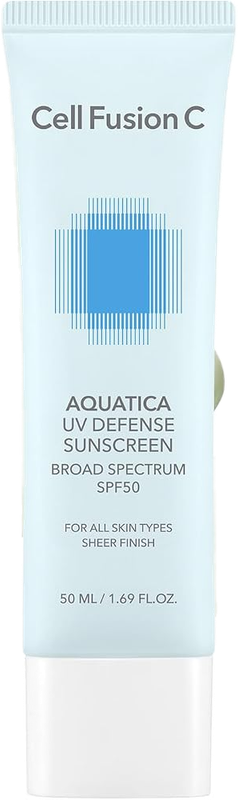
Find products matched to your skin type and concerns.
Build my dehydration routine