
Building a Routine Around Tretinoin: When to Add Korean Steps Back In

In this article
Your dermatologist handed you a tube of tretinoin and told you to cut your routine to three steps: cleanser, moisturizer, sunscreen. Meanwhile your bathroom shelf has an essence, two serums, snail mucin, a sleeping pack, and a toner you actually miss.
The advice to strip everything is not wrong. It is incomplete. What most people hear as "give up K-beauty" is actually "don't stack unknowns while your skin is adjusting." Once you know how tretinoin behaves on your face, the Korean steps come back. Some of them make tretinoin work better.
TL;DR
Add Korean steps back in phases, not all at once. Barrier support and hydration come back in weeks 1-4. Actives like vitamin C, exfoliants, and essences with functional ingredients wait until weeks 8-12, after your skin has adjusted.
What tretinoin actually does to your skin barrier
Tretinoin accelerates cell turnover, and that's the whole point. It signals skin cells to mature and shed faster, which is why it works for acne, texture, and photoaging. It is also why the first six weeks feel like a slow chemical peel.
The disruption goes beyond what you can see. Transepidermal water loss increases, the stratum corneum thins temporarily, and the skin's ability to hold onto lipids drops. This is called retinization, and it's why your dermatologist strips your routine. Every extra product is a variable that could be blamed for the irritation, or worse, actually cause it.
A study on topical tretinoin found measurable increases in TEWL and reduced barrier function for 4-6 weeks after initiation, with normalization by week 12 in most users (Kim et al., 2010).
Weeks 1-4: the barrier-only phase
Keep it to three products, and pick them for barrier support, not treatment. Your cleanser should be low-pH and non-stripping. Your moisturizer should be ceramide-forward. Your sunscreen is non-negotiable because tretinoin makes skin more UV-sensitive.
This is not the phase to add snail mucin, vitamin C, or your favorite essence. Those products are not bad, but if your face starts stinging, you need to know which product to blame. One variable at a time.
For the moisturizer step, ceramide-based creams do the most work. They replace the lipids tretinoin is disrupting.
Paid links: Koracle may earn from qualifying purchases. Details.
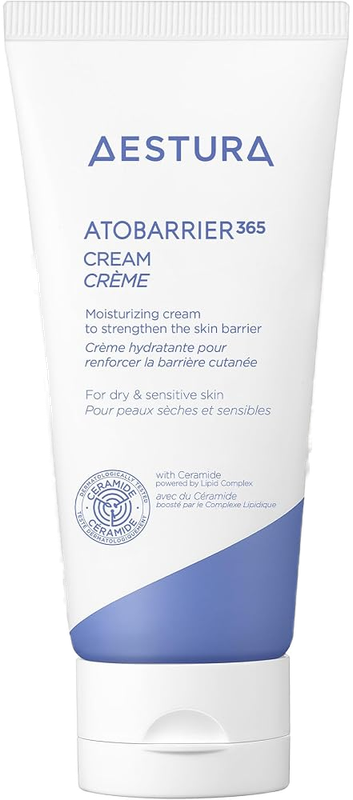
View on Amazon. Amazon shows final price and availability.
If your skin runs sensitive or reactive on top of the tretinoin adjustment, panthenol adds a soothing layer without introducing actives.
Paid links: Koracle may earn from qualifying purchases. Details.
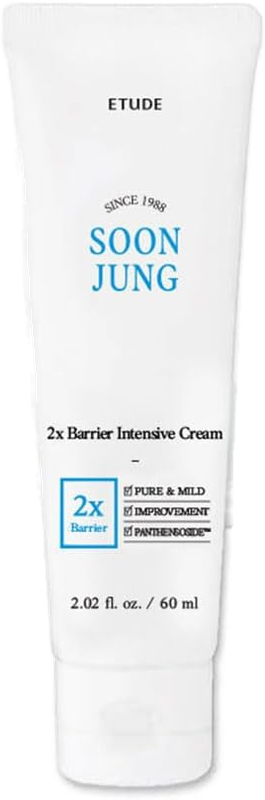
View on Amazon. Amazon shows final price and availability.
Weeks 4-6: add hydration back
Once your skin stops stinging on application, add one hydrating layer. This is where a hydrating toner or essence earns its spot. The goal is to give tretinoin a slightly damp, well-hydrated surface to work on, which reduces irritation without diluting the retinoid.
Skip anything with acids, alcohol, or fragrance. You want humectants (glycerin, hyaluronic acid, panthenol) and nothing else. Apply to damp skin after cleansing, before your moisturizer. On tretinoin nights, this becomes: cleanser, hydrating toner, wait for it to absorb, tretinoin, moisturizer.
Tretinoin works better on hydrated skin. It also irritates less. Those two facts are the entire argument for the toner step.
Snail mucin is a good candidate here because it adds hydration and glycoproteins that support repair, without introducing competing actives.
Ceramide-focused essences work if your barrier is still feeling thin.
Paid links: Koracle may earn from qualifying purchases. Details.
View on Amazon. Amazon shows final price and availability.
Weeks 6-8: reintroduce the soothing layer
If you have residual redness or sensitivity, add one centella or panthenol product. Not two. One. Centella asiatica has solid evidence for reducing inflammation and supporting barrier recovery, which is exactly the trouble spot during retinization.
This can slot in as a lightweight gel cream layered under your ceramide moisturizer on tretinoin nights, or replace your moisturizer on non-tretinoin nights if your skin is doing well.
Paid links: Koracle may earn from qualifying purchases. Details.
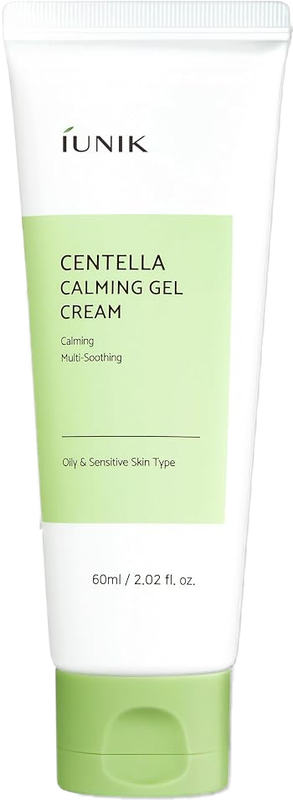
View on Amazon. Amazon shows final price and availability.
Not sure which Korean steps fit your tretinoin routine?
Answer 9 questions. Koracle checks fit, conflicts, texture, and evidence.
Build my routine →Weeks 8-12: add functional actives back, carefully
By this point your skin has usually adjusted, and you can reintroduce actives one at a time. Give each new product two weeks before adding the next. If anything triggers stinging, burning, or flaking, drop it and try again in another month.
The order that tends to work:
Morning vitamin C comes first. Start with a gentler form (ascorbyl glucoside, sodium ascorbyl phosphate) if L-ascorbic acid has stung you before. Vitamin C in the morning pairs well with tretinoin at night because they target different parts of the pigment pathway and don't compete.
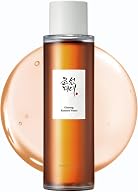
Ginseng or peptide essences come next. These are lower-risk because they don't introduce exfoliation or pH shifts.
Paid links: Koracle may earn from qualifying purchases. Details.
View on Amazon. Amazon shows final price and availability.
Exfoliating acids come last, if at all. Most people on tretinoin do not need a separate AHA or BHA. Tretinoin is already accelerating turnover. Adding acids on top is usually where "I have great skin now" turns into "why is my face peeling."
What to skip permanently while on tretinoin
Some Korean skincare steps do not belong in a tretinoin routine, ever. Physical scrubs, high-percentage AHA toners used daily, sheet masks with alcohol or fragrance, and pore strips all work against what tretinoin is doing. The friction and stripping compound the irritation without adding benefit.
Do not layer tretinoin with benzoyl peroxide unless a dermatologist tells you to. BPO can oxidize tretinoin and reduce its efficacy. If you need both, use them at different times or on alternating nights.
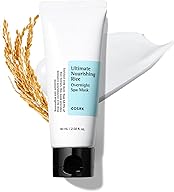
If you love sleeping packs, keep them, but use them on non-tretinoin nights. Two or three nights a week, tretinoin. The other nights, hydration and repair.
Paid links: Koracle may earn from qualifying purchases. Details.
View on Amazon. Amazon shows final price and availability.
The bottom line
Tretinoin plus a stripped routine is not the endpoint. It is the setup. Once your skin adjusts, most of your Korean routine comes back: the hydrating toner, the ceramide moisturizer, the snail mucin, the centella cream, eventually the vitamin C. The steps you keep out are the ones that fight tretinoin (physical scrubs, daily AHAs, BPO) or that you never really needed in the first place. Add one thing every two weeks, and let your skin tell you what stays.
Common Questions
Can I use my Korean toner with tretinoin?↓
Hydrating toners with no acids or alcohol are safe from day one. Skip anything with AHA, BHA, or witch hazel until your skin has adjusted to tretinoin for at least six to eight weeks.
Do I have to give up my 10-step routine forever?↓
No. Most of it comes back, though not all at once. The order matters: barrier support first, hydration second, treatments last. Give each new addition two weeks before layering the next one.
Is snail mucin okay with tretinoin?↓
Yes, and it pairs unusually well. Snail mucin adds hydration and supports repair without introducing actives that compete with tretinoin. Apply it on damp skin after cleansing, before moisturizer.
Can I still use vitamin C in the morning?↓
Once your skin has stabilized on tretinoin (usually 8-12 weeks), a gentle vitamin C in the morning is fine. Start with a lower percentage or a derivative like ascorbyl glucoside if L-ascorbic acid stings.
Turn what you learned into a routine that fits your skin.
Answer a few questions and Koracle will check formula fit, budget, tolerance, and routine order.
Build my formula-checked routine