
A Science-Backed 5-Step AM Routine for Oily Skin

In this article
If your skin is shiny by 11 a.m., the fix usually isn't more stripping — it's a shorter, smarter routine that doesn't push your sebaceous glands into overdrive. Most oily-skin routines fail because they over-cleanse, skip moisturizer, and then wonder why the T-zone keeps refilling.
Here's a five-step AM routine built on clinical evidence, not marketing.
TL;DR
Low-pH gel cleanser, BHA toner, niacinamide serum, lightweight gel moisturizer, mineral or hybrid SPF. That's it. Each step has at least one RCT behind it. Nothing on this list will strip your barrier or trigger reactive sebum production.
Oily skin doesn't need more aggressive products. It needs products that stop provoking it.
Step 1: Low-pH gel cleanser
Cleanse with a gel formulated below pH 5.5 — not a foaming bar or high-pH wash. Your skin's acid mantle sits around pH 4.7. Cleansers above pH 7 disrupt it, which (counterintuitively) signals your glands to produce more oil to restore the lipid barrier.
A comparative study by Korting et al. (1990) found that subjects using an alkaline soap developed measurably more inflammatory lesions than those using a syndet cleanser at pH 5.5 over four weeks. Lower pH, less irritation, less rebound oil.
Paid links: Koracle may earn from qualifying purchases. Details.
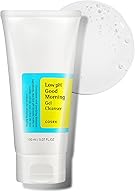
View on Amazon. Amazon shows final price and availability.
Use lukewarm water. Hot water strips faster and gives you nothing in return.
Step 2: BHA (salicylic acid) toner, 3–7 mornings a week
Salicylic acid is lipid-soluble, which means it actually gets into your pores — AHAs can't. That's the entire reason BHA outperforms glycolic acid for blackheads and closed comedones on oily skin.
Paid links: Koracle may earn from qualifying purchases. Details.
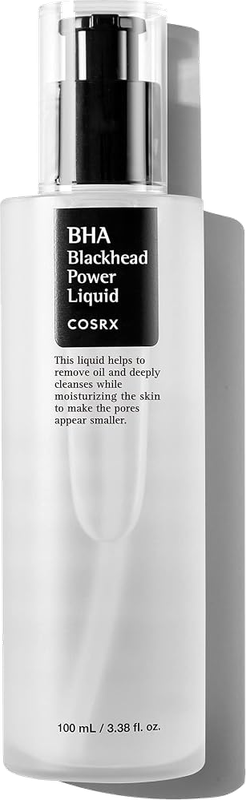
View on Amazon. Amazon shows final price and availability.
Start at three mornings per week with a 0.5–2% salicylic acid leave-on. If your skin tolerates it with no tightness or flaking after two weeks, move to daily. Apply to dry skin, wait 30 seconds, continue.
If you're also using a retinoid at night, alternate BHA mornings with plain hydrating-toner mornings. Stacking actives daily is the fastest way to compromise the barrier you're trying to protect.
Step 3: Niacinamide serum at 4–10%
Niacinamide is the single best-studied ingredient for reducing sebum output. It also fades post-inflammatory hyperpigmentation — the brown marks left behind after pimples heal — which matters because oily skin is usually acne-prone skin.
A 12-week RCT on Japanese and Caucasian subjects found 2% niacinamide reduced sebum excretion rate by 24% and casual sebum levels by a comparable margin versus vehicle control (Draelos et al., 2006).
Most Korean serums sit at 4–5%, which is plenty. COSRX's 15% formulation is the ceiling — above that you risk flushing and tingling with no added benefit.
Paid links: Koracle may earn from qualifying purchases. Details.
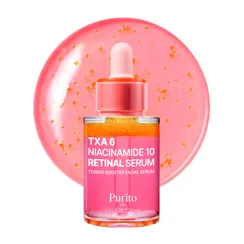
View on Amazon. Amazon shows final price and availability.
Pat in one to two drops. Wait until it's absorbed before the next step.
Step 4: Lightweight gel moisturizer
Skipping moisturizer does not make oily skin less oily — it makes it more oily. When the stratum corneum senses water loss, sebaceous glands upregulate production to compensate. This is the single most common mistake in DIY oily-skin routines.
What you want is a humectant-heavy, occlusive-light formula. Look for glycerin, panthenol, hyaluronic acid, and beta-glucan in the first five ingredients. Skip anything where the second ingredient is mineral oil, shea butter, or a heavy ester like isopropyl myristate.
Gel and gel-cream textures absorb in under a minute and leave no residue under sunscreen. That's the target.
Paid links: Koracle may earn from qualifying purchases. Details.
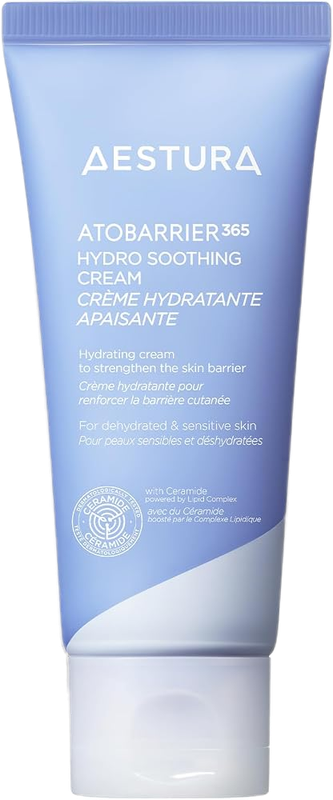
View on Amazon. Amazon shows final price and availability.
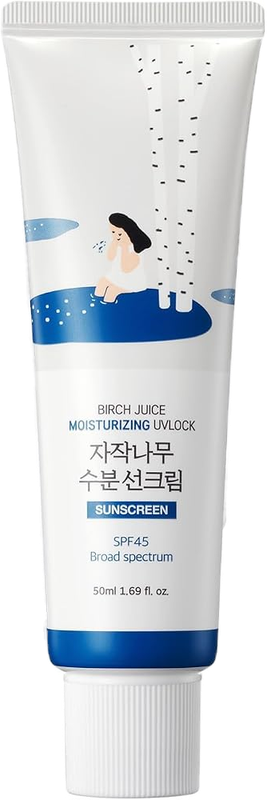
Step 5: Mineral or hybrid SPF 50 PA++++
UV exposure drives sebum oxidation, which is what turns blackheads dark and thickens pore walls over time. A Korean study by Kim et al. (2019) on sebum composition found that UVA exposure significantly increased squalene peroxide in facial oil — the compound most directly linked to comedone formation.
For oily skin, I'd start with a zinc-oxide-based or hybrid filter at SPF 50. Zinc has mild sebum-absorbing properties and is anti-inflammatory. If you hate white cast, a Korean chemical sunscreen with filters like Uvinul A Plus and Tinosorb S will be lighter than almost anything sold in the US.
Paid links: Koracle may earn from qualifying purchases. Details.
View on Amazon. Amazon shows final price and availability.
Two finger-lengths for face and neck. Reapply every two hours if you're outside.
Want a routine built for your exact skin?
Answer 9 questions. Koracle checks fit, conflicts, texture, and evidence.
Build my routine →The bottom line
Five steps, under three minutes, every morning. The goal isn't to dry your skin out — it's to stop antagonizing it so sebum production stabilizes on its own. Give this routine eight weeks before judging it; sebaceous glands respond slowly, and the niacinamide data shows effects compounding through week 12.
Related: Hyaluronic Acid — Humectant Science Explained · Panthenol — Barrier Support for Oily Skin · Beta-Glucan — Oat-Derived Calming Explained · Oily + Acne Routine · Oily + Brightening Routine
Common Questions
Should oily skin skip moisturizer in the morning?↓
No. Skipping moisturizer triggers compensatory sebum production, making oiliness worse by midday. Use a lightweight gel or fluid with humectants like glycerin or panthenol.
Can I use BHA every morning?↓
Most oily skin tolerates daily low-strength BHA (0.5–2% salicylic acid), but start with three mornings a week and scale up. If you're also using retinoids at night, alternate days.
Is double cleansing necessary in the AM?↓
No. Double cleansing is for removing sunscreen and makeup at night. In the morning, a single low-pH gel cleanser (or just water) is enough.
Why mineral sunscreen instead of chemical?↓
Either works. Mineral filters with zinc oxide have a mild anti-inflammatory effect that can help acne-prone oily skin, but modern Korean chemical sunscreens are lightweight and don't clog pores for most people.
Turn what you learned into a routine that fits your skin.
Answer a few questions and Koracle will check formula fit, budget, tolerance, and routine order.
Build my formula-checked routine