
Oil Cleansing for Acne-Prone Skin: Helpful Step or Clog Risk?
In this article
If you spend any time on skincare TikTok, you've heard both sides. "Oil cleansing transformed my acne." "Oil cleansing destroyed my skin barrier and gave me cystic breakouts." Same routine, opposite outcomes.
So which is it? The answer is less dramatic than either camp suggests, and the difference comes down to which oil, how you rinse, and what you cleanse with afterward.
TL;DR
Oil cleansing is safe and useful for most acne-prone skin when you choose a non-comedogenic formula, emulsify fully, and follow with a low-pH water-based cleanser. Skipping the second cleanse or using coconut-based oils is where breakouts start.
What the "oil cleansing causes acne" claim leaves out
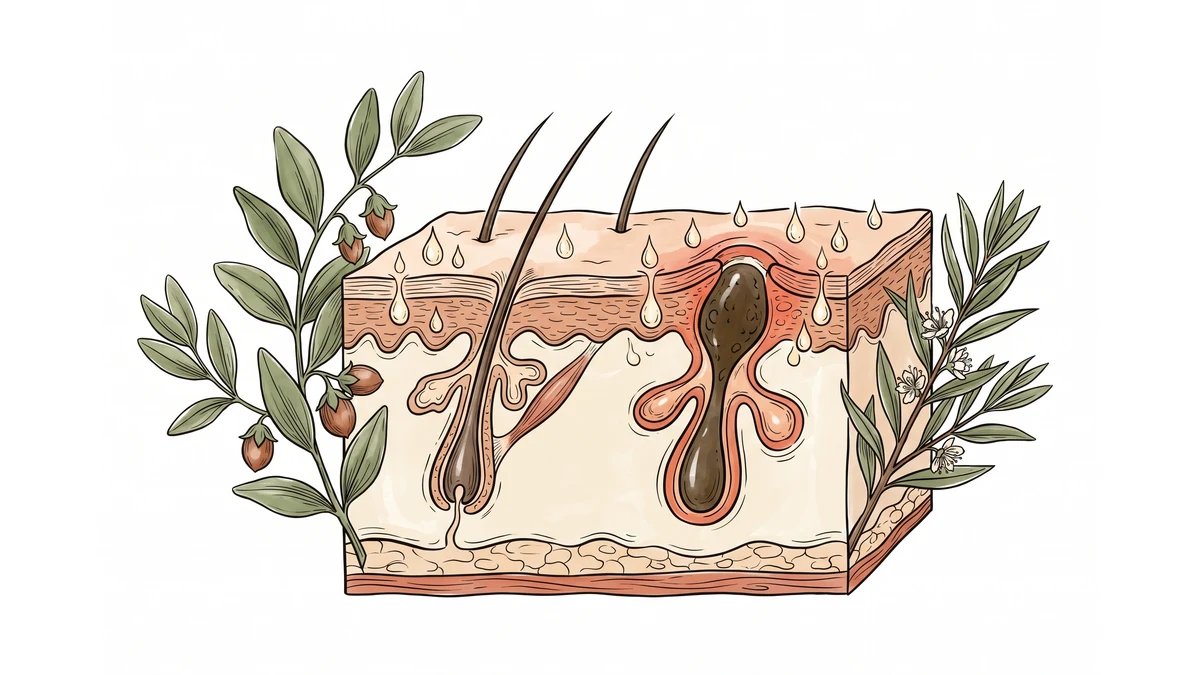
The fear isn't unfounded, it's just incomplete. Oil cleansing can trigger breakouts. It happens when residue stays on the skin, when the oil itself is comedogenic, or when there's no proper second cleanse to lift the emulsified oil away.
What the TikTok warnings skip: most modern Korean cleansing oils and balms are formulated specifically to rinse clean. They're built with emulsifiers (usually PEG-based) that turn the oil milky on contact with water, so it lifts off instead of smearing across your pores.
The clog risk isn't oil itself. It's leftover oil.
How oil cleansing actually works
Sebum, sunscreen, and most makeup are lipid-based. Water-based cleansers can't dissolve them efficiently because of basic chemistry: like dissolves like. Oil binds to oil. So a cleansing oil grabs the day's grime, the emulsifier turns the whole mix water-soluble when you splash water on, and it rinses away.
Then your second cleanser, a gentle low-pH gel or foam, removes any remaining residue and addresses sweat, dust, and water-soluble debris.
This is the entire logic of double cleansing. It's not a beauty ritual invented to sell more products. It's a workaround for the fact that modern SPF and sebum do not come off with water and surfactant alone. A 2019 study on sunscreen removal found that oil-based cleansers removed significantly more residue than foaming cleansers, especially with water-resistant formulas.
In a comparison of cleansing methods on sunscreen residue, oil-based cleansers removed 96% of SPF film compared to 64% with foaming cleansers alone (Teo, 2021). For acne-prone skin wearing daily sunscreen, this matters: trapped SPF mixed with sebum is a documented clog trigger.
Which oils are safe for acne-prone skin
Not all plant oils behave the same way on your face. The relevant variable is the linoleic-to-oleic acid ratio. Sebum from acne-prone skin is already low in linoleic acid (Downing et al., 1986), so oils high in oleic acid can sit heavy and contribute to comedone formation. Oils high in linoleic acid mix more readily with your existing sebum and rinse cleaner.
The short version:
- Lower risk: sunflower, safflower, grapeseed, hemp seed, rosehip
- Higher risk: coconut, cocoa butter, olive oil, sweet almond
This is why "I tried oil cleansing and broke out" often traces back to a coconut-based product. Coconut oil scores a 4 out of 5 on the comedogenicity scale. Sunflower scores a 0.
How to oil cleanse without the clog risk
The non-negotiable step is the second cleanse. If you stop after rinsing the oil, you're leaving behind exactly the residue people blame for breakouts.
Not sure if oil cleansing belongs in your routine?
Answer 9 questions. Koracle checks fit, conflicts, texture, and evidence.
Build my routine →What to follow with on acne-prone skin
After a proper double cleanse, your barrier is clean but slightly stripped. The next step matters more than people think. Skipping moisturizer because "my skin is oily" is one of the most common acne-prone mistakes. Dehydrated skin overcompensates with more oil.
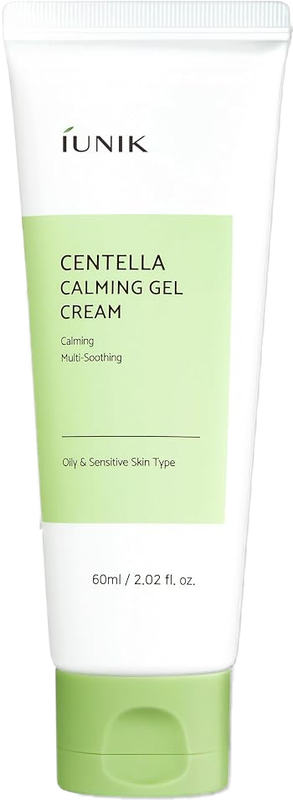
A light, non-occlusive moisturizer with centella or green tea calms the post-cleanse skin without adding clog risk.
Paid links: Koracle may earn from qualifying purchases. Details.
View on Amazon. Amazon shows final price and availability.
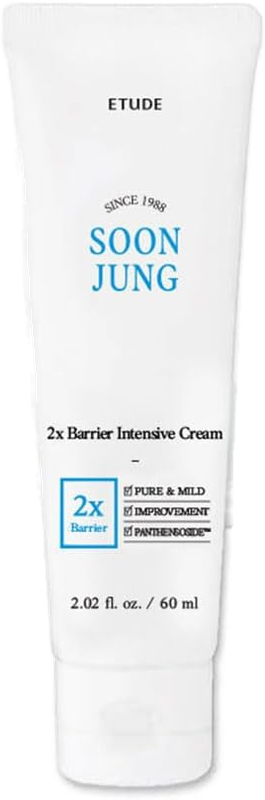
If your acne flares with redness or your barrier feels reactive after cleansing, lean toward something with panthenol or ceramides instead. These rebuild the lipid layer that aggressive cleansing can erode.
Paid links: Koracle may earn from qualifying purchases. Details.
View on Amazon. Amazon shows final price and availability.
The bottom line
Oil cleansing isn't the villain or the hero. It's a tool that works well when you pick a non-comedogenic formula, emulsify it fully, and always follow with a water-based cleanser. The acne-prone breakouts blamed on oil cleansing almost always trace back to coconut-based oils, skipped second cleanses, or residue left behind. Get those three right and your skin gets cleaner, not clogged.
Common Questions
Will oil cleansing cause breakouts on acne-prone skin?↓
Not if you emulsify and rinse properly. The breakouts most people blame on oil cleansing usually come from leftover residue, comedogenic oils like coconut, or skipping the second cleanse. A well-formulated cleansing oil with sunflower, grapeseed, or safflower oil is low-risk for most acne-prone skin.
Do I need to oil cleanse if I don't wear makeup or sunscreen?↓
If you wear sunscreen daily, yes. Modern SPF and sebum mix into a film that water-based cleansers don't fully break down. If you genuinely wear nothing on your skin, a single low-pH gel cleanser at night is enough.
Which oils should acne-prone skin avoid?↓
Coconut oil and cocoa butter are the highest-risk for comedogenicity. Oils with a higher linoleic-to-oleic ratio (sunflower, safflower, grapeseed, hemp) are better tolerated on acne-prone skin.
Can I oil cleanse every day?↓
Yes, in the PM only. Most acne-prone skin does best with a single low-pH gel cleanser in the AM and a full double cleanse at night to remove SPF and sebum.
Turn what you learned into a routine that fits your skin.
Answer a few questions and Koracle will check formula fit, budget, tolerance, and routine order.
Build my formula-checked routine