
The Best K-Beauty Routine for Dry, Anti-Aging Skin in 2026
Dry skin shows fine lines earlier because it lacks the natural oils that keep skin plump. Deep hydration is your anti-aging foundation. Everything else builds on it. ceramide-heavy layering at night supports your barrier faster than any single cream. A centella toner with the 7-skin method is your shortcut.
Koracle is skincare education, not medical or dermatology advice. Patch-test new products. Ask a licensed dermatologist about acne, rosacea, eczema, allergic reactions, pregnancy concerns, or symptoms that persist.
Paid links: Koracle may earn from qualifying purchases. Details.
Top picks for your skin
Paid links: Koracle may earn from qualifying purchases. Details.
Morning barrier support: Peptide Complex helps keep the skin barrier steady so treatment steps are easier to tolerate.
Key ingredients: Acetyl Hexapeptide-8, Copper Tripeptide-1, Niacinamide
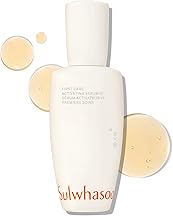
Morning barrier support: Ginseng helps keep the skin barrier steady so treatment steps are easier to tolerate.
Key ingredients: Ginseng, Rehmannia
Morning barrier support: Niacinamide helps keep the skin barrier steady so treatment steps are easier to tolerate.
Key ingredients: Niacinamide
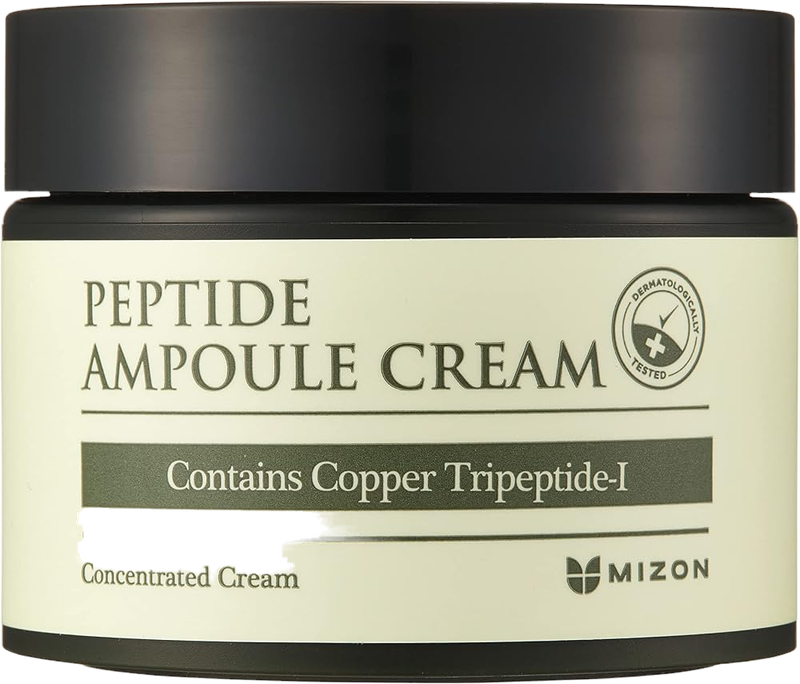
Morning barrier support: Peptides help keep the skin barrier steady so treatment steps are easier to tolerate.
Key ingredients: Peptides, Hyaluronic Acid, Adenosine
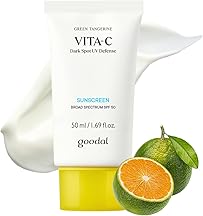
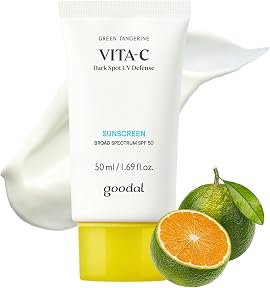
Morning photoprotection: daily sunscreen is the anchor for pigment control and UV-triggered tone changes.
Key ingredients: Citrus Tangerina (Tangerine) Extract, Ascorbic Acid, Homosalate
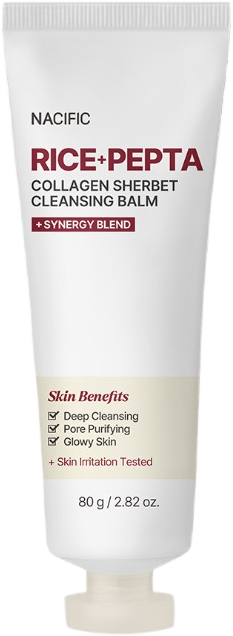
Recommended for your aging: Hydrolyzed Collagen - matches the reviewed ingredient list
Key ingredients: Hydrolyzed Collagen, Rice Extract
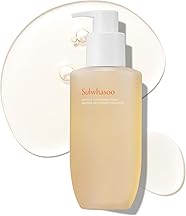
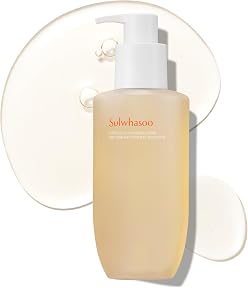
Recommended for your aging: Foam Cleanser - matches the reviewed ingredient list
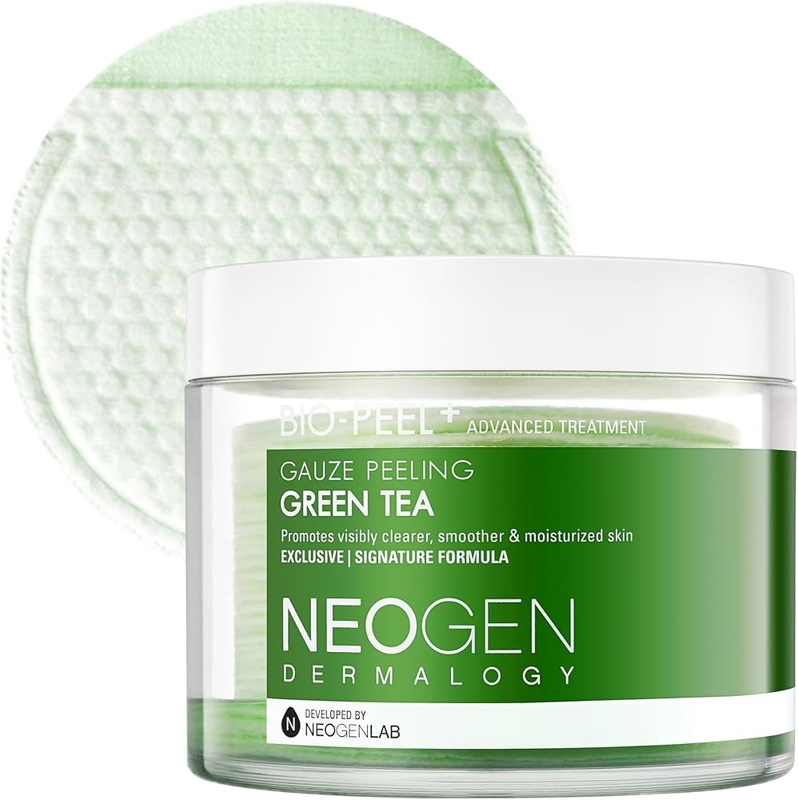
Recommended for your aging: Green Tea - matches the reviewed ingredient list
Key ingredients: Green Tea, Lactic Acid
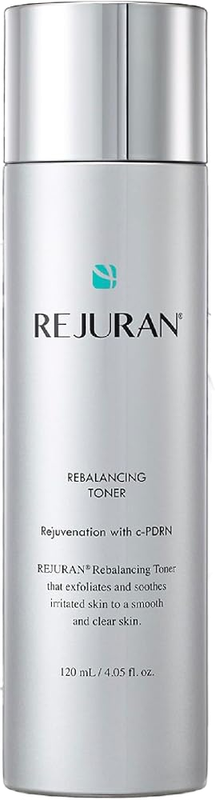
Night barrier support: c-PDRN helps keep the skin barrier steady so treatment steps are easier to tolerate.
Key ingredients: c-PDRN
Night barrier support: Fermented Ginseng helps keep the skin barrier steady so treatment steps are easier to tolerate.
Key ingredients: Lactobacillus/Panax Ginseng Root Ferment Filtrate, Niacinamide
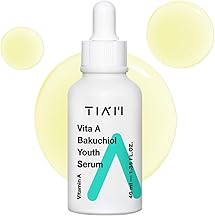
Recommended for your aging: Bakuchiol - matches the reviewed ingredient list
Key ingredients: Bakuchiol, Adenosine
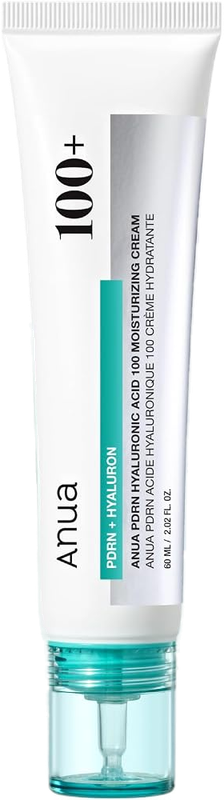
Night barrier support: PDRN helps keep the skin barrier steady so treatment steps are easier to tolerate.
Key ingredients: PDRN, Hyaluronic Acid
Why this routine works
Dry aging skin needs renewal, but it also needs enough cushion to tolerate that renewal.
Why this routine fits
Dry skin that's also aging needs two things at once: wrinkle-fighting actives and serious moisture repair. Start with a ceramide moisturizer to patch the barrier. Once your skin can hold water without flaking, add retinol at the lowest dose, two nights a week, sandwiched between moisturizer layers. Peptide serums go in the morning for collagen support without any irritation. SPF 30 or higher every single day is the most proven anti-aging step that exists.
If retinol makes your skin flaky and sore, the routine is moving too fast. Repair first, then increase.
How to use the routine
AM note
Use antioxidant support, rich moisture, and sunscreen so dryness does not make lines look sharper.
PM note
Retinol nights need a moisturizer buffer. Non-retinol nights are for barrier repair.
What to expect
Week 1
Skin should feel calmer and less stripped.
Weeks 2-4
Oil, texture, or tightness should start to shift.
Weeks 6-8
Tone and resilience are easier to judge.
Why these ingredients show up
Ingredient logic
Retinol
ProvenSpeeds up your skin's cell renewal process and triggers new collagen production. That's the protein that keeps skin firm. Needs a slow start on dry skin.
Best for Visible wrinkles and thinning skin. Dry skin types should begin at the lowest dose and build up over months.
Peptides (palmitoyl pentapeptide-4)
StudiedSends a signal to your skin cells to produce more collagen. No irritation, no purging, no restrictions on when you can use it.
Best for Anyone whose dry skin reacts to retinol. Works morning and night without layering rules.
Vitamin C (L-ascorbic acid)
ProvenHelps your skin build collagen and blocks the enzyme that breaks it down. Also shields against UV damage that ages skin faster.
Best for Sun damage and uneven tone. Works best at 10% to 20% in a formula with a low pH (around 2.5 to 3.5).
Ceramides
ProvenFills in the gaps in your skin's moisture barrier. Think of it like grouting tile: without ceramides, water leaks out through the cracks.
Best for Dry aging skin where the barrier needs repair before any active ingredient can work without causing irritation.
Niacinamide
ProvenHelps your skin make more ceramides (the fats that hold moisture in) and fades uneven tone over time.
Best for Secondary concerns like rough texture and dark spots. Pairs well with retinol and peptides at 4% to 10%.
How products were chosen
Why these products won
Dry aging skin needs products that fight wrinkles and keep moisture locked in. We score retinol, peptides, and ceramides highest because they have the most published data for this combination. Strong retinoids get pushed down for beginners since they can wreck a dry barrier fast. Thicker creams and emulsions score better than gels here.
Build an anti-aging routine that does not wreck your barrier.
Answer 9 questions. Koracle checks fit, conflicts, texture, and evidence.
Build my routine →Common questions
How do I introduce retinol without making dry skin worse?
Start at the lowest concentration you can find (0.025% to 0.05%). Apply it only two nights per week, on top of your moisturizer instead of under it. This is called the sandwich method. The moisturizer buffer reduces irritation without blocking retinol from working. Wait four full weeks before adding a third night. If you see flaking or tightness, drop back to once a week. Kafi et al. (2007) found that retinol over 24 weeks still produced measurable wrinkle reduction even at conservative doses.
Which ingredients should I use in the morning versus at night for aging dry skin?
Morning: vitamin C serum, hyaluronic acid toner, ceramide moisturizer, then SPF. Night: retinol or a peptide serum, a richer ceramide cream, and an optional facial oil as the last step. Retinol belongs at night only. UV light breaks it down, and it makes your skin more prone to sunburn. Vitamin C does the opposite: it works with your sunscreen to block UV damage during the day.
Should I use peptides or retinol for aging dry skin?
They work through different paths. Retinol forces your skin to turn over cells faster and build new collagen. Peptides send a chemical signal to your skin cells asking them to produce collagen on their own, with far less irritation. Robinson et al. (2005) showed that palmitoyl pentapeptide-4 reduced wrinkles in 12 weeks without the peeling retinol can cause. If retinol dries you out, peptides are a solid backup. Many Korean routines use both: peptides in the morning, retinol at night.
Why are ceramides especially important for aging dry skin?
Ceramides are the fats that hold your skin's moisture barrier together. Your skin makes fewer of them as you age, and dry skin already runs low. Those two deficits stack up. Lueangarun et al. (2019) found that a ceramide moisturizer beat a standard cream for hydration, water loss, and texture after just 28 days. In a Korean routine, apply ceramide moisturizer as the last water-based layer before SPF.
Can I use retinol and vitamin C in the same routine?
Yes, but not at the same time. Use vitamin C in the morning (it protects against UV damage) and retinol at night (UV breaks it down). Some people layer them in the same PM step, but for dry skin, splitting them reduces irritation risk. Your skin gets the benefit of both without doubling the stress on your barrier.
How we pick products
Dry aging skin needs products that fight wrinkles and keep moisture locked in. We score retinol, peptides, and ceramides highest because they have the most published data for this combination. Strong retinoids get pushed down for beginners since they can wreck a dry barrier fast. Thicker creams and emulsions score better than gels here.
See your full formula-checked routine with product swaps and price tiers.
View Full RoutineWant a routine tailored to your skin?
Take the 2-minute quiz and Koracle checks formulas, evidence, texture, and conflicts.
Build my anti-aging routine