
Centella vs Heartleaf: Which One Makes More Sense for Redness?
In this article
Your TikTok feed has decided centella is over and heartleaf is the new soothing hero. The before-and-afters look real. The bottles are pretty. And the claim sounds clean: heartleaf calms redness faster.
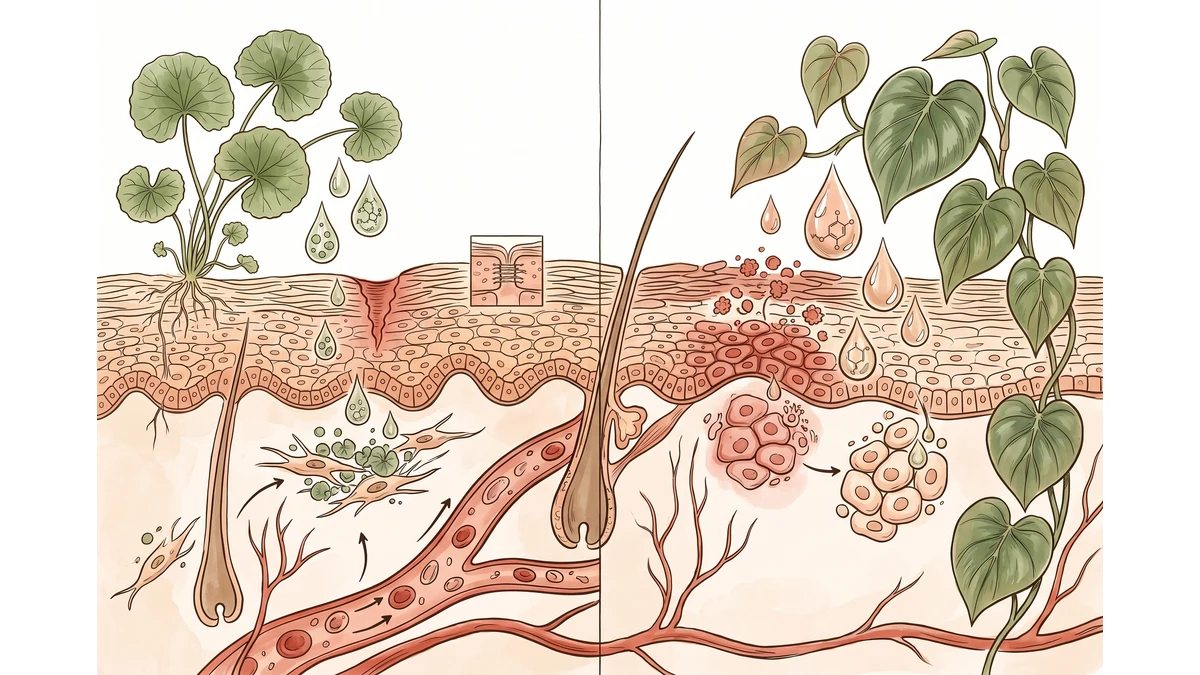
Here's what that comparison leaves out. Centella and heartleaf are not competing for the same job. They calm redness through different mechanisms, on different timelines, for different kinds of inflammation.
TL;DR
Centella works on barrier-driven, chronic redness. Heartleaf works faster on acute, histamine-driven flushing. If your skin is reactive and thin, start with centella. If you flare and calm down within hours, heartleaf fits better.
How centella actually calms redness
Centella is not one ingredient, it's four. The plant contains asiaticoside, madecassoside, asiatic acid, and madecassic acid, collectively called TECA or madecassoside complex on labels.
These four molecules do two things that matter for redness. They inhibit pro-inflammatory cytokines (TNF-α, IL-6), and they stimulate collagen I and III synthesis (Bylka et al., 2013). Translation: centella tells your skin to stop signaling inflammation, then helps rebuild the barrier that let the inflammation start in the first place.
A split-face trial on post-laser skin found that 1% madecassoside cream reduced erythema scores by 42% at day 14 compared to vehicle control (Damkerngsuntorn et al., 2020).
This is why centella shows up in post-procedure protocols. The redness centella treats best is the kind tied to a damaged or thin barrier, the slow-burn flush that won't go away after months of over-exfoliating or tretinoin.
Paid links: Koracle may earn from qualifying purchases. Details.
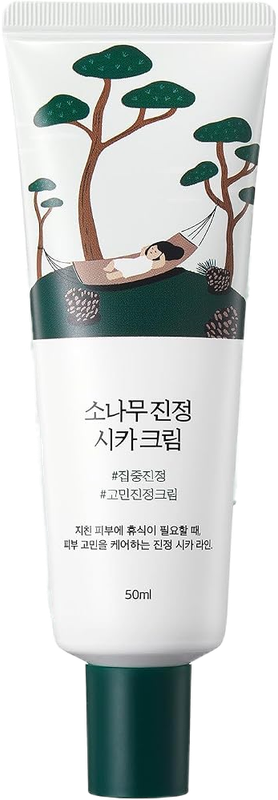
View on Amazon. Amazon shows final price and availability.
How heartleaf is different
Heartleaf (Houttuynia cordata) targets a different inflammation pathway. Its active compounds are quercetin, quercitrin, and isoquercitrin, flavonoids with antihistamine-like and antibacterial activity.
The mechanism is closer to an antihistamine than a barrier rebuilder. Quercetin stabilizes mast cells, the immune cells that release histamine during a flush (Mlcek et al., 2016). When you eat spicy food, stand up too fast, or react to a new product, mast cells dump histamine and your face goes pink. Heartleaf interferes with that release.
It also has light antibacterial activity against C. acnes, which is why you'll see it paired with salicylic acid in acne-prone formulas. So if your redness rides along with breakouts, heartleaf does double duty in a way centella doesn't.
Centella rebuilds the wall. Heartleaf quiets the alarm system inside the wall.
Which one matches your redness
The question isn't which ingredient is stronger. It's what's causing your redness in the first place.
Based on Bylka et al., 2013 and Mlcek et al., 2016
If your face is reactive to wind, exfoliants, or new products, centella is the better long-term investment. You're treating a structural problem, and you need the collagen and barrier support.
Paid links: Koracle may earn from qualifying purchases. Details.
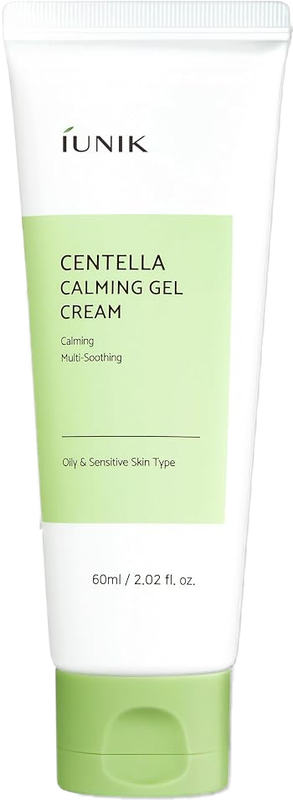
View on Amazon. Amazon shows final price and availability.
If you flush hard after hot showers, alcohol, or stress, and the redness fades within a few hours, heartleaf addresses the actual trigger. You don't have a barrier problem. You have a reactive vascular and immune response.
Not sure which kind of redness you actually have?
Answer 9 questions. Koracle checks fit, conflicts, texture, and evidence.
Build my routine →Can you use both?
Yes, and for some skin it's the better answer. The two ingredients hit different points in the inflammation cascade. Layering a heartleaf-forward toner under a centella-anchored cream covers both the trigger and the structural side.
What you don't want to do: stack four "calming" products on top of each other and assume more soothing equals less redness. Past a point, you're just adding more potential irritants (fragrances, preservatives, alcohols) and reducing the amount of any one active that actually reaches your skin.
Two products is the ceiling. One heartleaf step in the AM, one centella step in the PM. Or skip heartleaf entirely if your redness is barrier-driven, and double down on centella plus ceramides.
Paid links: Koracle may earn from qualifying purchases. Details.
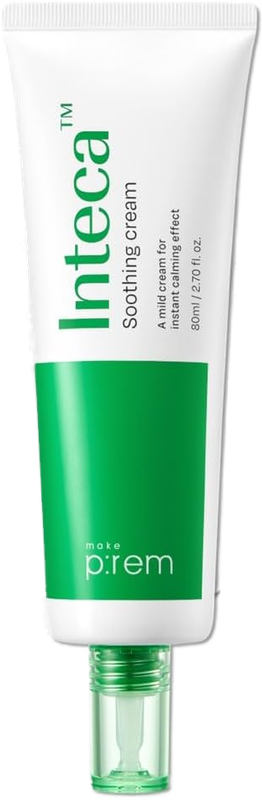
View on Amazon. Amazon shows final price and availability.
The bottom line
Heartleaf isn't replacing centella, and centella isn't outdated. Centella is your pick for chronic redness tied to a thin or compromised barrier. Heartleaf is your pick for reactive, flushing redness that comes and goes within hours. If you can't tell which one you have, start with centella for four weeks. The kind of redness that doesn't respond to barrier repair is the kind heartleaf can help with next.
Common Questions
Can I use centella and heartleaf together?↓
Yes. They target different parts of the inflammation cascade, so layering a heartleaf toner under a centella cream is a reasonable strategy. Just don't stack four soothing products and expect faster results.
Which one works faster on redness?↓
Heartleaf tends to feel faster on acute, flushed redness because of its antihistamine-like quercetin content. Centella works more gradually but holds up better for chronic redness tied to a weakened barrier.
Is heartleaf safe for sensitive skin?↓
Generally yes, but some heartleaf extracts come with high alcohol content for stability and absorption. Check the ingredient list. If alcohol denat. sits in the top five, that's the actual irritant, not the heartleaf.
Does centella thin or weaken skin over time?↓
No. The opposite, actually. Madecassoside and asiaticoside stimulate collagen synthesis and reinforce the barrier. That's why post-procedure clinics use centella creams after laser treatments.
Turn what you learned into a routine that fits your skin.
Answer a few questions and Koracle will check formula fit, budget, tolerance, and routine order.
Build my formula-checked routine