
Skin Cycling With K-Beauty: What to Use on Recovery Nights
In this article
You saw the TikTok. Exfoliate Monday, retinoid Tuesday, recover Wednesday and Thursday, repeat. The dermatologist who coined it sold a lot of people on a cleaner way to use actives. But most of the videos skip the part that matters most: what you actually put on your face during those recovery nights.
That's the night your skin rebuilds. And K-beauty has built an entire category around exactly that job.
TL;DR
Recovery nights are not "skip your routine" nights. They're when you layer hydration and barrier ingredients like ceramides, centella, panthenol, and snail mucin so your skin can repair what the actives stripped.
What skin cycling actually does to your skin
The four-night schedule works because it stops you from over-using actives. Exfoliation night thins the stratum corneum on purpose. Retinoid night triggers cell turnover and temporarily disrupts barrier function (Mukherjee et al., 2006). Both leave your skin in a slightly inflamed, slightly leaky state by the next morning.
Recovery nights are when transepidermal water loss drops back down, ceramide synthesis catches up, and the lipid bilayer reseals. Skip that step and you keep restarting the damage before the repair finishes.
This is also where most people get skin cycling wrong. They treat recovery as the absence of a routine. It isn't. It's a different routine with a specific job.
Recovery nights are not a pause. They're the part of skin cycling where your skin actually heals.
The ingredients that belong on recovery nights
Three categories do the heavy lifting: occlusives that slow water loss, lipids that refill the barrier, and soothers that calm inflammation.
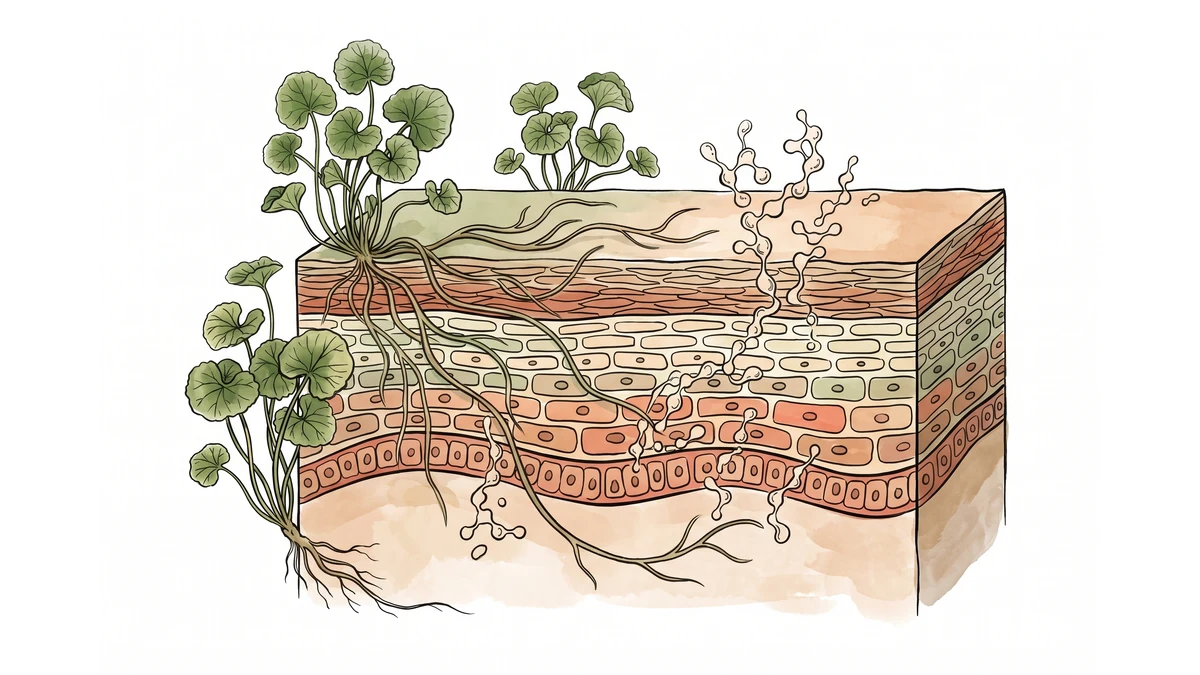
Ceramides are the most direct route. Your stratum corneum is about 50% ceramides by lipid weight, and topical ceramides have been shown to restore barrier function in compromised skin (Spada et al., 2018). Centella asiatica (and its isolated compounds like madecassoside and asiaticoside) reduces redness and supports wound healing pathways. Panthenol, snail mucin, and hyaluronic acid hold water in the upper layers so your skin can rebuild without dehydrating in the process.
What does not belong: niacinamide above 5%, vitamin C, any acid, retinoids, and most "brightening" actives. They have their place. That place is not tonight.
The recovery night routine, step by step
Notice what's missing. No toner pad with PHA. No vitamin C ampoule "just to brighten." No 10-step layering experiment. Recovery is restraint.
What to put on first: the essence layer
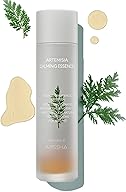
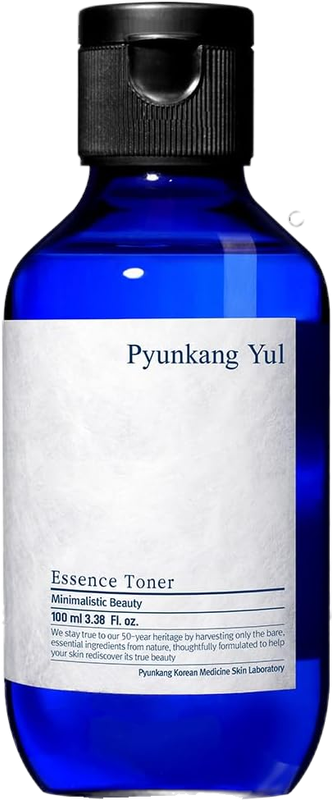
Your essence sets up everything that follows. On a recovery night you want humectants and soothers, not actives. A fermented essence or a centella-forward toner gives you hydration plus mild anti-inflammatory effect without pushing your barrier in a new direction.
Paid links: Koracle may earn from qualifying purchases. Details.
View on Amazon. Amazon shows final price and availability.
If your skin is reading more dehydrated than irritated, lean toward a humectant-heavy essence instead.
Paid links: Koracle may earn from qualifying purchases. Details.
View on Amazon. Amazon shows final price and availability.
Pat in one or two layers. Stop when your skin feels damp but not wet.
The treatment step: pick one, not three
This is where people over-stack. They've been told K-beauty means seven steps, so they reach for snail mucin, then centella ampoule, then a peptide serum, then a sheet mask. On a recovery night, that's noise. Pick the one ingredient that targets what your skin is asking for.
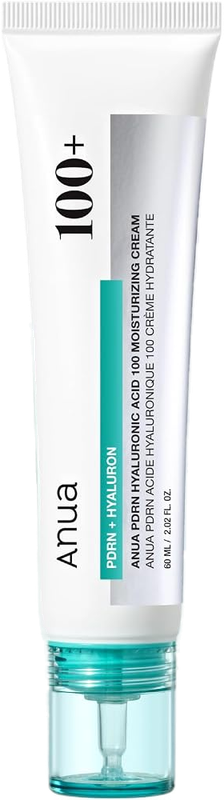
If your skin is red or reactive after retinoid night: centella. If it feels thin, papery, or wind-burned: panthenol or PDRN. If it feels dehydrated but otherwise fine: hyaluronic acid layered under a cream.
Paid links: Koracle may earn from qualifying purchases. Details.
View on Amazon. Amazon shows final price and availability.
One serum. One job. Move on.
Not sure which K-beauty barrier ingredients fit your skin?
Answer 9 questions. Koracle checks fit, conflicts, texture, and evidence.
Build my routine →Sealing it in: the cream that does the work
This is the single most important step of the night. Without an occlusive layer, every humectant you applied evaporates within hours and your skin ends up drier than when you started. A 2002 review of barrier repair in atopic skin found that occlusive plus lipid-based moisturizers reduced transepidermal water loss by 30 to 50% versus untreated skin (Proksch & Nissen, 2002).
For ceramide-focused barrier repair, AESTURA's Atobarrier365 line is one of the most studied K-beauty formulas in this category.
Paid links: Koracle may earn from qualifying purchases. Details.
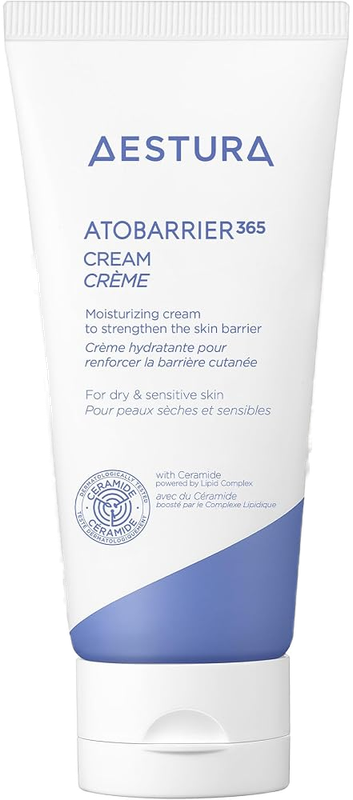
View on Amazon. Amazon shows final price and availability.
If your skin is more sensitive than dry, a centella cream gives you the soothing layer plus enough emollient to seal.
Paid links: Koracle may earn from qualifying purchases. Details.
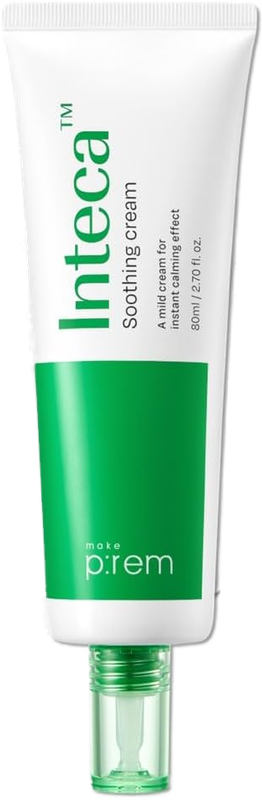
View on Amazon. Amazon shows final price and availability.
And if you want a richer, panthenol-driven option for visibly stressed skin:
Paid links: Koracle may earn from qualifying purchases. Details.
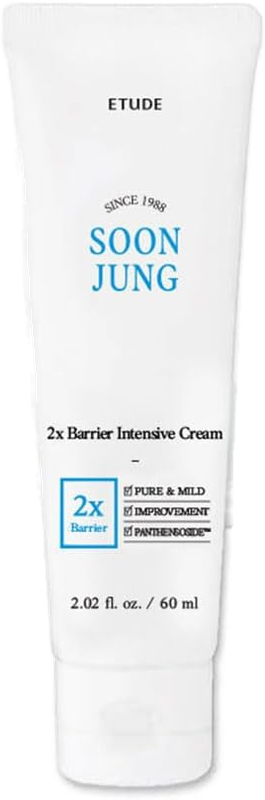
View on Amazon. Amazon shows final price and availability.
Pick one. Stack only if your skin is genuinely dehydrated underneath.
When a sleeping mask earns its spot
Sleeping masks are not extra hydration on top of your routine. They're a replacement for your final cream when you need more occlusion. Use one when your skin is unusually tight, when the air is dry, or when you skipped a recovery night and need to catch up.
Paid links: Koracle may earn from qualifying purchases. Details.
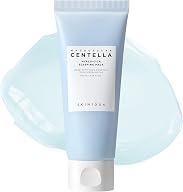
View on Amazon. Amazon shows final price and availability.
This one pairs centella with hyaluronic acid, which lines up with the goals of a recovery night better than a glow-focused sleeping mask. Apply as your last step, no cream underneath.
The bottom line
Skin cycling works because the actives nights are protected by the recovery nights. The trend videos get the schedule right and the recovery part wrong. Your recovery routine is ceramides, centella, panthenol, and one occlusive layer that holds water in while your barrier rebuilds. Pick one serum, one cream, and stop layering. Your skin's job tonight is repair, and overloading it with products is the fastest way to interrupt that.
Common Questions
Can I use a sheet mask on a recovery night?↓
Yes, if the mask is hydration or barrier-focused. Avoid sheet masks with niacinamide at high percentages, vitamin C, or any acid. A centella or ceramide mask fits the goal of the night, which is calming and rebuilding, not actives.
Do I still need moisturizer if I use a sleeping mask?↓
Usually no. Most K-beauty sleeping masks are formulated as the final occlusive step. Layering a regular cream underneath is fine, but stacking two heavy creams on top of each other can pill and clog. Pick one as your sealing layer.
Is snail mucin okay on recovery nights?↓
Yes. Snail mucin is mostly humectants and glycoproteins, not actives. It hydrates and supports barrier repair without irritating freshly exfoliated or retinized skin.
What if my skin still feels tight after two recovery nights?↓
Add a third recovery night before going back to actives. Skin cycling is a framework, not a rule. If your barrier still feels compromised, the schedule should bend around your skin, not the other way around.
Turn what you learned into a routine that fits your skin.
Answer a few questions and Koracle will check formula fit, budget, tolerance, and routine order.
Build my formula-checked routine