
Peptides in Skincare: Firming Signal or Label Decoration?

In this article
Your serum says "peptide complex" on the front. The back lists five peptides you can't pronounce, somewhere near the bottom of the ingredient list. The marketing promises firmer, plumper, more youthful skin in four weeks.
You want to believe it. Peptides sound like the gentle alternative to retinol, the science-y upgrade from hyaluronic acid. The problem isn't whether peptides work. It's that "peptides" is doing a lot of label work for a category that contains everything from clinically proven signal molecules to filler ingredients added at 0.01%.
TL;DR
A few peptides have real evidence behind them, especially Matrixyl and copper peptides, but most "peptide complex" formulas hide the dose and lean on the buzzword. Treat peptides as a supporting act to retinol, not a replacement.
What peptides actually are
A peptide is a short chain of amino acids, the same building blocks that make up collagen and elastin. When applied topically, certain peptides can act as signaling molecules. They tell your fibroblasts (the cells that produce collagen) to get back to work.
That's the mechanism in plain English. Your skin already makes collagen. Peptides are tiny messages that nudge it to make more.
The catch: not every peptide signals. Some are inert. Some carry copper to the right place. Some inhibit muscle contraction. Lumping them all under "peptides" is like calling caffeine and melatonin "supplements" and expecting the same result.
The peptides with real evidence
Four peptide types have clinical data worth taking seriously.
Matrixyl (palmitoyl pentapeptide-4) is the most studied. A 12-week split-face trial found a 44.9% reduction in deep wrinkle volume at 3 ppm vs. placebo (Robinson et al., 2005). The mechanism is direct: it mimics a collagen fragment that signals fibroblasts to ramp up production.
Copper peptides (GHK-Cu) show consistent results for wound healing, skin density, and elasticity. A 12-week trial found measurable improvement in skin firmness and reduced photodamage (Leyden et al., 2002).
Argireline (acetyl hexapeptide-8) works differently. It blocks neurotransmitter release at the muscle, similar to a much weaker topical version of botulinum toxin. Evidence for expression lines exists but effect sizes are smaller than the marketing suggests.
Palmitoyl tripeptide-1 and tripeptide-38 are common in "peptide complex" blends. Modest evidence, often bundled together to look more impressive on the label.
What the label leaves out
The single biggest gap in peptide marketing is concentration. Matrixyl works at parts per million, which sounds low until you realize most products don't disclose whether they hit that threshold or sprinkle in 100x less.
A few signals to read for:
Peptide name in the first half of the INCI list, not the last three ingredients. This isn't a perfect rule (peptides are active at very low doses) but it does separate "we formulated around this" from "we added it for the claim."
Named peptides, not "peptide complex." If the brand can't tell you which peptides, the dose is probably decorative.
A formula that respects pH. Most signal peptides need a slightly acidic to neutral pH. Bundled into a high-pH cream or paired with strong acids, they degrade.
"Peptide complex" without named peptides is the skincare equivalent of "natural flavors" on a snack label.
How peptides compare to retinol
Retinol still wins on raw efficacy for wrinkles and texture. It has 40+ years of clinical data, predictable mechanisms, and effect sizes peptides don't match.
What peptides offer instead is tolerability. They don't sting, peel, or sensitize your skin to UV. For people who can't tolerate retinol, can't use it (pregnancy, breastfeeding), or want a gentler nightly active, peptides earn their place.
The better question isn't "peptides or retinol." It's "what does your routine need?" If you've never used a retinoid, start there. If you're already on retinol and want to support collagen on off-nights or stack a second signal, peptides make sense.
Not sure if peptides belong in your routine?
Answer 9 questions. Koracle checks fit, conflicts, texture, and evidence.
Build my routine →How to use peptides without wasting them
Apply peptides to clean, slightly damp skin, before heavier creams. Most peptide serums and ampoules work best as the second or third step, after a hydrating toner and before your moisturizer seals everything in.
Avoid layering copper peptides directly with L-ascorbic acid or strong AHAs at the same time. They can neutralize each other. Vitamin C in the AM, peptides in the PM is the cleanest split.
Give it 8 to 12 weeks. Peptide results aren't dramatic the way a retinol purge-and-rebuild cycle is. They show up as gradually better skin density, smoother texture, slightly bouncier feel. If you're expecting overnight tightening, you're reading the wrong ingredient.
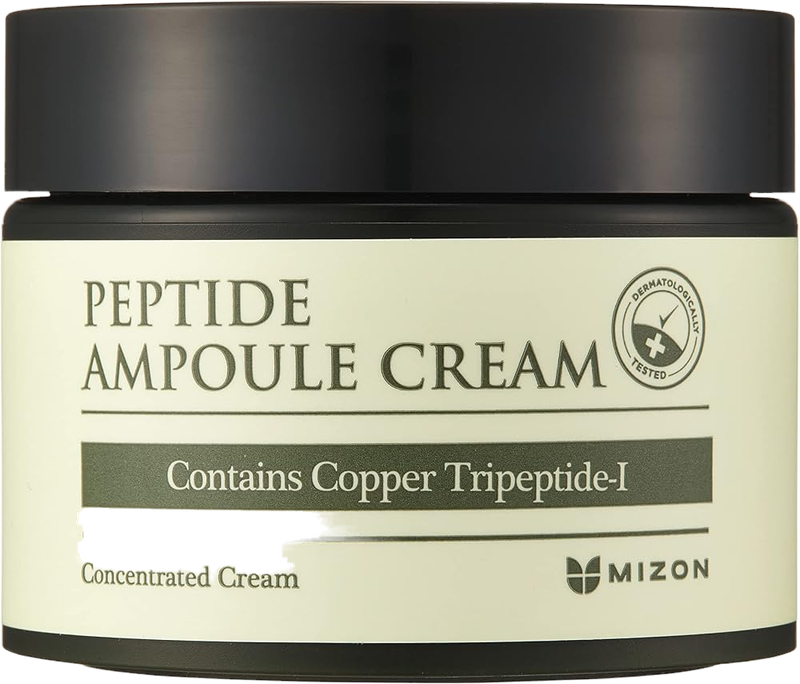
For a well-formulated peptide moisturizer with named peptides high in the INCI list, this is a reasonable starting point:
Paid links: Koracle may earn from qualifying purchases. Details.
View on Amazon. Amazon shows final price and availability.
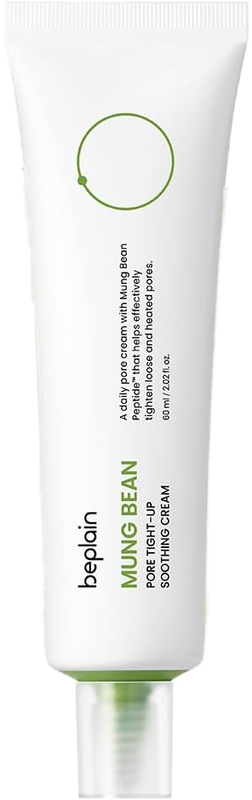
If you want peptides paired with pore-focused care for combination skin:
Paid links: Koracle may earn from qualifying purchases. Details.
View on Amazon. Amazon shows final price and availability.
The bottom line
Peptides are real, but "peptides" on a label is not a guarantee. Look for named peptides (Matrixyl, GHK-Cu, palmitoyl tripeptide-1), high enough placement on the INCI list to suggest a real dose, and a formula pH that doesn't sabotage them. Use them as a supporting layer alongside retinol, sunscreen, and a barrier-friendly moisturizer, not as the miracle the marketing wants them to be.
Common Questions
Do peptides actually work in skincare?↓
Some do, in specific forms and concentrations. Matrixyl (palmitoyl pentapeptide-4) and copper peptides have the strongest evidence for boosting collagen and improving fine lines. Most peptide products use generic blends at undisclosed concentrations, so the label promise often outruns the formula.
Are peptides better than retinol?↓
No. Retinol has decades of clinical data showing wrinkle reduction and collagen synthesis at modest concentrations. Peptides work through a gentler signaling pathway with smaller effect sizes, but they pair well with retinol and cause less irritation.
Can I use peptides with vitamin C?↓
Copper peptides and L-ascorbic acid can deactivate each other when applied together. Use vitamin C in the morning and peptides at night, or pick peptide formulas that avoid copper if you want them in the same routine.
How long until peptides show results?↓
Clinical trials on Matrixyl and copper peptides show measurable changes in wrinkle depth and skin density at 8 to 12 weeks. If a product promises overnight firming, that's the moisturizer base talking, not the peptide.
Turn what you learned into a routine that fits your skin.
Answer a few questions and Koracle will check formula fit, budget, tolerance, and routine order.
Build my formula-checked routine