
Centella Asiatica (Cica) for Sensitive Skin
In this article
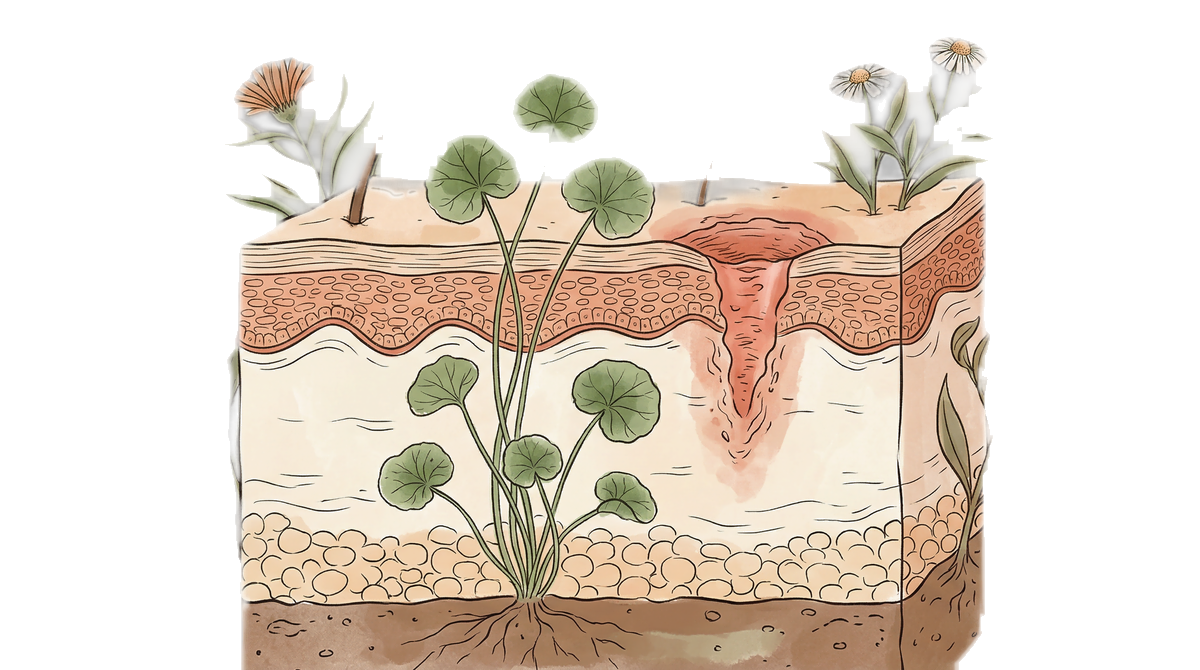
Your routine probably already has centella in it. The hype, for once, matches the pharmacology. The plant produces four triterpenoid compounds that do two things prescription-grade ingredients do: suppress NF-kB inflammatory signaling and support firmer-looking skin through TGF-beta. Most "calming" ingredients coat your skin's surface. Centella's actives intervene at the molecular pathway level, which is why dermatologists reach for cica products after laser treatments and chemical peels. The wound-recovery data goes back decades. K-beauty's contribution was making centella accessible in daily-use formats: lightweight toners, gel creams, and ampoules that slot into any routine without greasiness or fragrance.
Why is centella everywhere in K-beauty?
Centella is popular because it does the thing soothing ingredients promise: it calms visible irritation without making skin feel coated or heavy.
The active compounds are triterpenoids. The big four are madecassoside, asiaticoside, asiatic acid, and madecassic acid. They help quiet inflammatory signaling and support skin recovery, which is why cica creams are common after peels, lasers, and retinoid irritation.
Look for madecassoside, asiaticoside, asiatic acid, madecassic acid, or TECA on the label. A high percentage of plain centella extract can still be mostly water.
Who should use it?
Centella is best for skin that gets red, hot, tight, or reactive. It is also useful if acne leaves marks behind, because calming the wound phase can make the healing period less dramatic.
Use with care
Good fit
Use with care
Good fit
For acne-prone skin, choose watery ampoules or gel creams. Heavy cica balms can be too rich.
Paid links: Koracle may earn from qualifying purchases. Details.
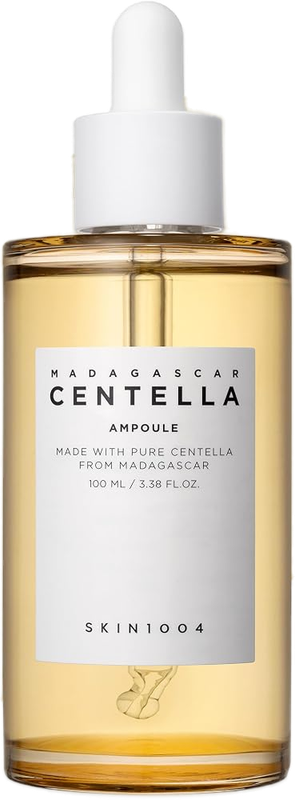
View on Amazon. Amazon shows final price and availability.
What form should you look for?
Centella labels can be confusing. A product can say "80% centella extract" and still have fewer active triterpenoids than a product with a smaller amount of madecassoside.
| Centella extract | Madecassoside | TECA | |
|---|---|---|---|
| What it is | Whole-plant extract | Single active compound | Standardized active blend |
| Best for | Daily calming | Redness and irritation | Stronger repair-focused formulas |
| Label clue | Centella asiatica extract | Madecassoside | TECA or titrated extract |
| Potency | Varies a lot | More predictable | Most predictable |
What does it pair with?
Centella plays well with the ingredients that often cause the problem in the first place. That is why it belongs next to retinol, exfoliating acids, and barrier-support moisturizers.
Best pairings
Niacinamide
Niacinamide and centella repair the barrier through different mechanisms. Niacinamide increases ceramide synthesis; centella's madecassoside supports firmer-looking skin and fatty acid production. Together they cover the lipid and structural sides of barrier recovery. No pH conflict between them.
Hyaluronic acid
Hyaluronic acid adds water to the epidermis while centella reduces inflammation and repairs tissue. For irritated, dehydrated skin after over-exfoliation or retinoid overuse, this pairing addresses both the water deficit and the inflammatory damage.
Panthenol
Panthenol and centella are the two pillars of K-beauty barrier support. Panthenol provides immediate soothing and moisture retention. Centella's triterpenoids handle the structural repair. Many K-beauty cica creams already combine these two.
Paid links: Koracle may earn from qualifying purchases. Details.
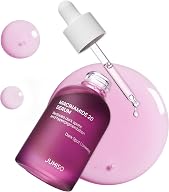
View on Amazon. Amazon shows final price and availability.
The bottom line
Centella is worth the shelf space if your skin gets reactive. Just read past the front label. The best cica products tell you which centella compounds they use, not just how much plant water is in the bottle.
Centella is not just "calming" copy. In the right form, it is a real recovery ingredient.
Common questions
What is the difference between centella extract and madecassoside?
Centella asiatica extract is the whole-plant extract containing dozens of compounds. Madecassoside is one specific triterpenoid isolated from centella. Products listing 'centella asiatica extract 50%' contain a dilute water infusion with small amounts of active triterpenoids. Products listing madecassoside, asiaticoside, or TECA by name contain the isolated active compounds at known concentrations. The isolates are more potent per milligram. Whole-plant extracts still work, but you need higher percentages to get the same dose of triterpenoids.
Can I use centella products while on tretinoin or retinol?
Yes, and dermatologists often recommend it. Tretinoin and retinol increase cell turnover and thin the lipid barrier, causing redness and peeling during the adjustment period. Centella's anti-inflammatory triterpenoids reduce that irritation directly. Apply a centella serum or moisturizer over your retinoid at night, or use centella in the AM while retinol goes in the PM. There is no chemical interaction that reduces either ingredient's effect.
Is cica the same as tiger grass?
Yes. Centella asiatica has multiple common names: cica, tiger grass, gotu kola, brahmi (in Ayurvedic medicine), and pennywort. The legend behind 'tiger grass' is that wounded tigers were observed rolling in centella plants. In K-beauty, 'cica' and 'tiger grass' on product labels both refer to centella asiatica extract or its triterpenoid derivatives. Check the actual INCI ingredient list to see which form the product uses.
How long does centella take to calm irritated skin?
For acute irritation like post-procedure redness or retinoid flaking, centella products reduce visible redness within 2-7 days. For chronic conditions like persistent redness or barrier compromise, expect 3-4 weeks of daily use before consistent improvement. The wound-recovery studies by Shukla et al. measured significant increases in skin support markers at 7 days. firmer-looking skin support benefits take longer, closer to 8-12 weeks.
Do centella products cause purging or breakouts?
Centella does not accelerate cell turnover, so it cannot cause purging. If you break out after starting a centella product, the cause is likely other ingredients in the formula, not the centella itself. Some cica creams contain fatty alcohols, coconut derivatives, or heavy emollients that clog pores in acne-prone skin. Check the full ingredient list. Centella in a lightweight gel or watery serum format is safer for oily, breakout-prone skin.
Find products with Centella Asiatica (Cica) matched to your skin.