
Snail Mucin Breakouts: Who Should Avoid It?
In this article
Your For You page keeps saying snail mucin is the gentlest hydrator on the market, safe for every skin type, the secret behind glass skin. Then you try it and wake up with small bumps along your hairline. You assume it's purging. It probably isn't.
Snail mucin is a good ingredient. It simply isn't a universal one, and the marketing rarely admits that.
TL;DR
Snail mucin filtrate itself rarely triggers breakouts, but the formulas it lives in often do. If you're acne-prone, fungal-acne-prone, or fragrance-sensitive, the rest of the ingredient list matters more than the snail.
What snail mucin actually does
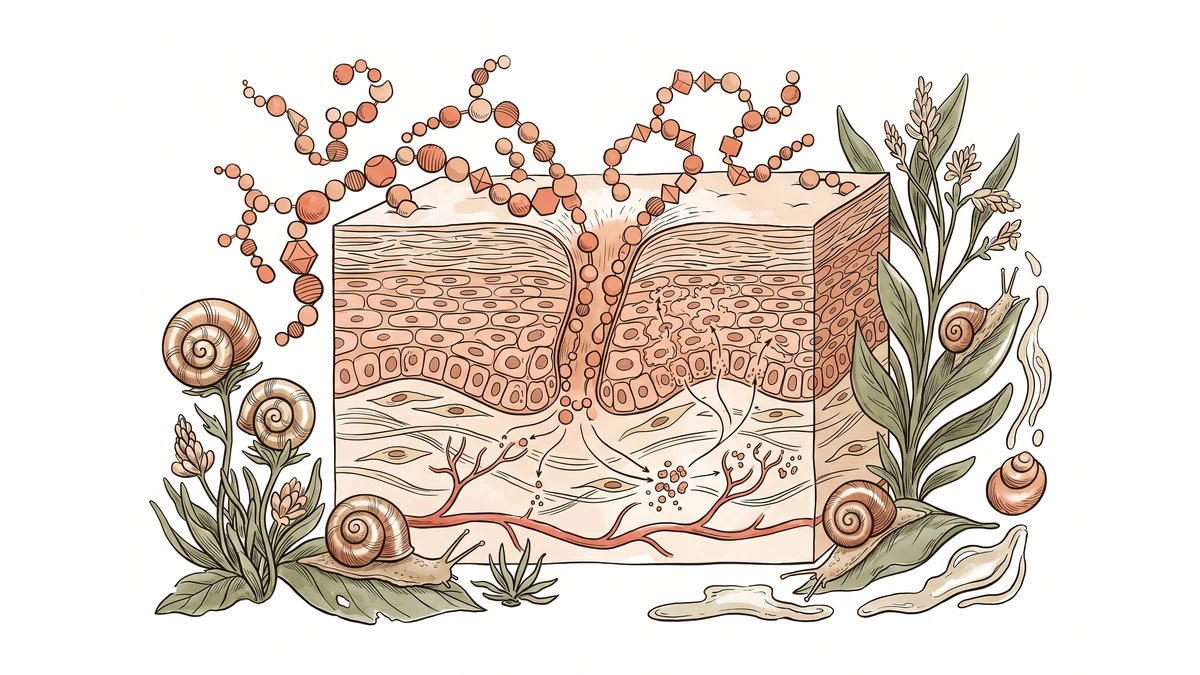
Snail secretion filtrate is not one ingredient, it's a cocktail. It contains glycoproteins, hyaluronic acid, glycolic acid, allantoin, peptides, and antimicrobial peptides. The combination supports wound healing and hydrates the stratum corneum (Tribó-Boixareu et al., 2009; Brieva et al., 2008).
The breakout problem isn't with the filtrate. It's with what's around it. Most snail essences and creams are formulated for the Korean mass market, which leans toward rich, occlusive textures that feel luxurious on dry skin and suffocating on oily or fungal-acne-prone skin.
The breakout problem isn't with the snail. It's with what the brand built around it.
Who actually breaks out from snail products
Three skin profiles are most likely to react. Each one breaks out for a different reason, and the fix is different for each.
Fungal-acne-prone skin. Malassezia, the yeast behind fungal acne, feeds on fatty acids with carbon chains between C11 and C24. Snail mucin doesn't feed it, but common companions in snail formulas do: cetyl alcohol, stearic acid, isopropyl myristate, polysorbates, and most plant oils. If you get uniform 1-2mm bumps on the forehead, chest, or shoulders within two weeks of starting a snail product, this is the most likely cause.
Oily and congestion-prone skin. Heavy snail creams sit on top of skin that's already producing enough sebum. The occlusion traps sebum and dead cells in the follicle. This isn't purging, it's regular clogging, and it doesn't resolve with time.
Fragrance-reactive skin. A meaningful share of K-beauty snail products use added fragrance or needed oils for the marine-fresh smell. Fragrance-induced dermatitis often looks like small inflamed bumps that get blamed on the active ingredient.
The mechanism, in plain English
A "snail breakout" is almost never about the snail. It's about the delivery system the brand chose.
Think of snail filtrate as a passenger. It needs a vehicle to get into your skin, and that vehicle is the rest of the formula: emollients, humectants, emulsifiers, preservatives, and texture modifiers. A lightweight essence and a rich anti-aging cream can both list snail filtrate as the second ingredient and behave completely differently on your face.
A 2013 randomized study on snail secretion filtrate found significant improvement in fine lines and skin texture at 8 weeks of twice-daily use, with no reported acne flares in the trial group (Tribó-Boixareu et al., 2009). The breakouts you read about online are almost always tied to specific formulations rather than the ingredient itself.
How to figure out if snail is your problem
Read the full INCI list, not the front of the bottle. If you've broken out after starting a snail product, scan the first ten ingredients for: cetyl alcohol, cetearyl alcohol, stearic acid, isopropyl myristate, polysorbate 60 or 80, and any plant oil except squalane, MCT, or mineral oil. Any of these are more likely culprits than the snail filtrate itself.
Then check for fragrance, parfum, or needed oils listed by botanical name (lavender oil, rose oil, citrus peel oils). Fragrance reactions are common and easy to misattribute.
If the formula looks clean and you still break out, your skin may simply not tolerate the occlusion level. Switch to a lighter texture instead of writing off the ingredient.
Not sure if snail mucin fits your skin profile?
Answer 9 questions. Koracle checks fit, conflicts, texture, and evidence.
Build my routine →What to use instead if snail isn't working
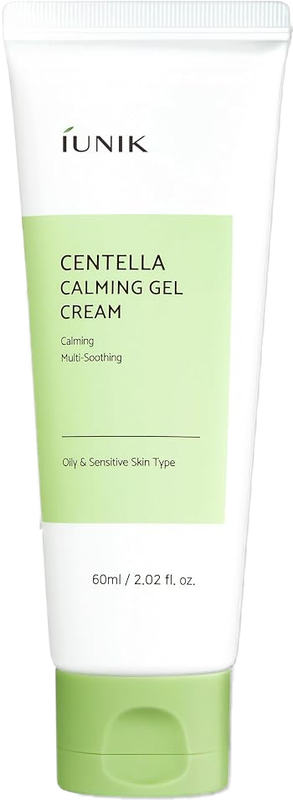
If you want the hydration and healing benefits without the breakout risk, you have options. For fungal-acne-prone skin, a centella-based gel cream gives you similar soothing benefits with a much shorter list of Malassezia feeders.
Paid links: Koracle may earn from qualifying purchases. Details.
View on Amazon. Amazon shows final price and availability.
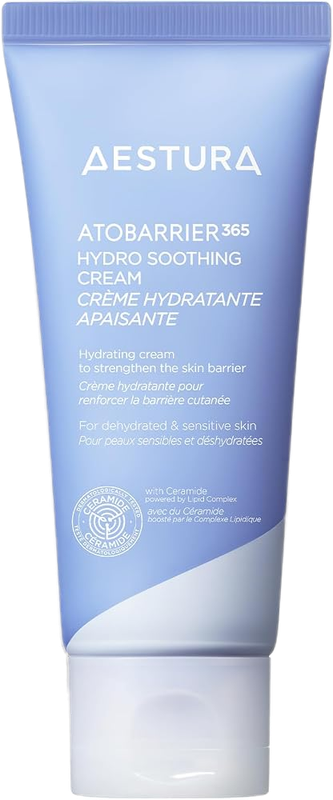
For oily and congested skin, a ceramide gel cream gives you barrier support without the heavy slip of a traditional snail cream.
Paid links: Koracle may earn from qualifying purchases. Details.
View on Amazon. Amazon shows final price and availability.
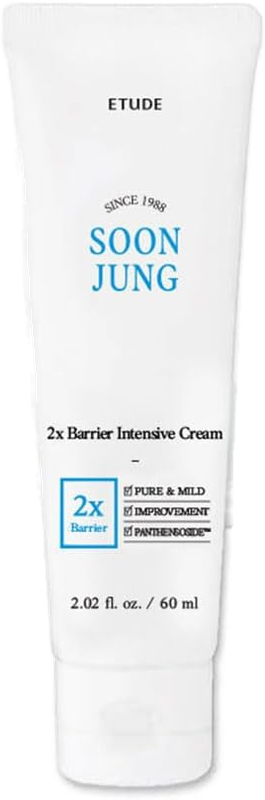
For sensitive or reactive skin, panthenol does much of the wound-healing work that snail filtrate is praised for, with a cleaner reaction profile.
Paid links: Koracle may earn from qualifying purchases. Details.
View on Amazon. Amazon shows final price and availability.
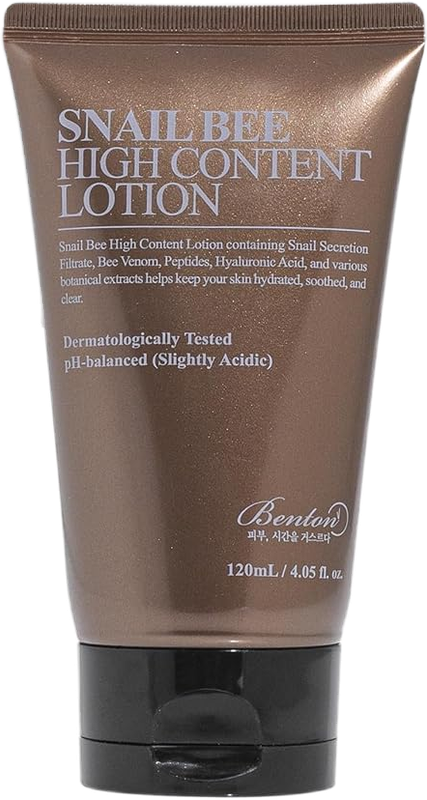
If you tolerate snail well and want to confirm a clean formulation, a basic snail essence with a short ingredient list is a safer test than a heavy cream.
Paid links: Koracle may earn from qualifying purchases. Details.
View on Amazon. Amazon shows final price and availability.
The bottom line
Snail mucin isn't a universal hero, and it isn't a hidden villain. It's a useful ingredient that often gets formulated into textures that don't suit acne-prone or fungal-acne-prone skin. If you broke out, check the rest of the label before you blame the snail, then pick a texture that matches what your skin actually needs.
Common Questions
Can snail mucin cause fungal acne?↓
Snail mucin itself isn't a known feeder for Malassezia, but many snail mucin products are formulated with fatty alcohols, esters, or polysorbates that can. If you get small uniform bumps on the forehead or chest after starting a snail product, check the full ingredient list rather than the hero ingredient alone.
Is snail mucin comedogenic?↓
Pure snail secretion filtrate is not considered comedogenic. Breakouts from snail products usually trace back to occlusive textures, fragrance, or other ingredients in the formula that don't suit acne-prone skin.
How long should I patch test snail mucin?↓
Apply to the side of the jaw or behind the ear for 5 to 7 nights before using it on the full face. Snail-related reactions tend to show up as small bumps or itch within the first week rather than immediately.
Can I use snail mucin with active acne?↓
Yes, if your skin tolerates it. Snail filtrate contains allantoin and glycoproteins that support healing of post-acne marks. But if you're already breaking out from an unknown trigger, adding a new product makes it harder to identify the cause.
Turn what you learned into a routine that fits your skin.
Answer a few questions and Koracle will check formula fit, budget, tolerance, and routine order.
Build my formula-checked routine