
The Best K-Beauty Routine for Oily, Hyperpigmentation Skin in 2026
Post-breakout marks linger longer on oily skin because inflammation runs hotter. Fading them means calming things down first, then brightening.
Koracle is skincare education, not medical or dermatology advice. Patch-test new products. Ask a licensed dermatologist about acne, rosacea, eczema, allergic reactions, pregnancy concerns, or symptoms that persist.
Paid links: Koracle may earn from qualifying purchases. Details.
Top picks for your skin
Paid links: Koracle may earn from qualifying purchases. Details.
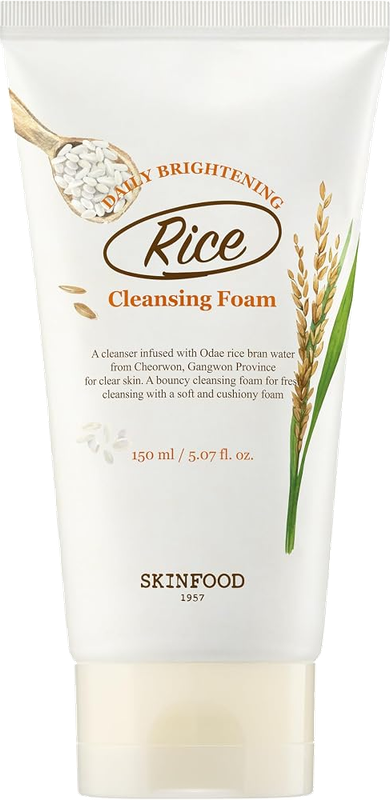
Recommended for your dark spots: Rice Extract - matches the reviewed ingredient list
Key ingredients: Rice Extract, Rice Bran Oil, Panthenol
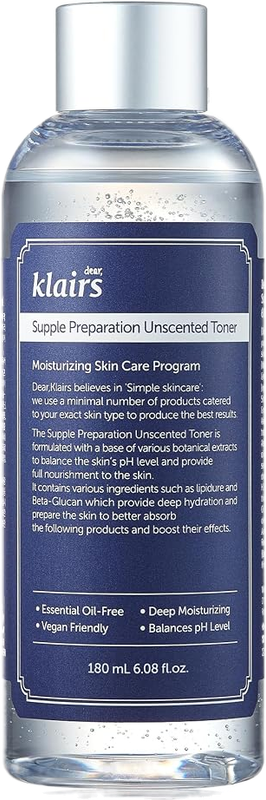
Morning pigment support: Beta-Glucan helps target uneven tone while the routine keeps irritation in check.
Key ingredients: Beta-Glucan, Sodium Hyaluronate, Centella Asiatica Extract
Morning pigment support: Niacinamide helps target uneven tone while the routine keeps irritation in check.
Key ingredients: Niacinamide, Vitamin C (Ascorbic Acid)
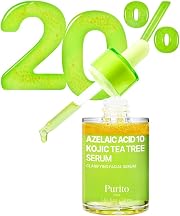
Morning pigment support: Azelaic Acid helps target uneven tone while the routine keeps irritation in check.
Key ingredients: Azelaic Acid, Niacinamide, Kojic Acid
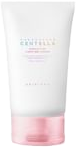
Morning barrier support: Centella Asiatica helps keep the skin barrier steady so treatment steps are easier to tolerate.
Key ingredients: Centella Asiatica, Niacinamide
Morning photoprotection: daily sunscreen is the anchor for pigment control and UV-triggered tone changes.
Key ingredients: Niacinamide
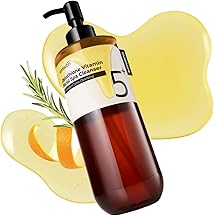
Recommended for your dark spots: Ascorbic Acid - matches the reviewed ingredient list
Key ingredients: Ascorbic Acid, Helianthus Annuus (Sunflower) Seed Oil, Tocopherol
Recommended for your dark spots: Rice Extract - matches the reviewed ingredient list
Key ingredients: Rice Extract, Rice Bran Oil, Panthenol
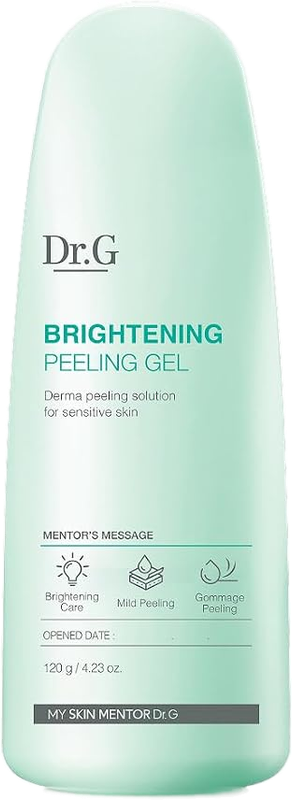
Night renewal: Cellulose adds gentle weekly smoothing without over-stacking daily actives.
Key ingredients: Cellulose, Vitamin C
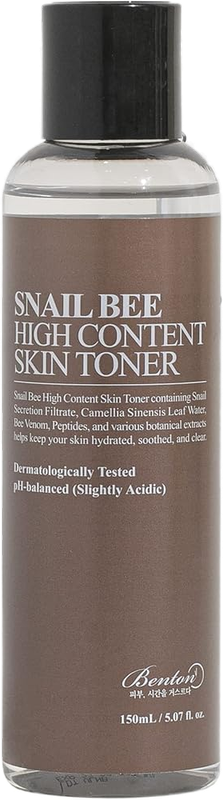
Night barrier support: Snail Secretion Filtrate helps keep the skin barrier steady so treatment steps are easier to tolerate.
Key ingredients: Snail Secretion Filtrate, Bee Venom, Niacinamide
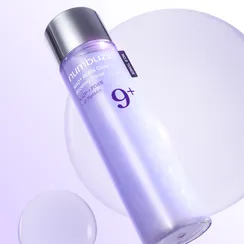
Night pigment support: Niacinamide helps target uneven tone while the routine keeps irritation in check.
Key ingredients: Niacinamide
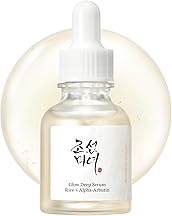
Night pigment support: Alpha-Arbutin helps target uneven tone while the routine keeps irritation in check.
Key ingredients: Alpha-Arbutin, Rice Extract, Niacinamide
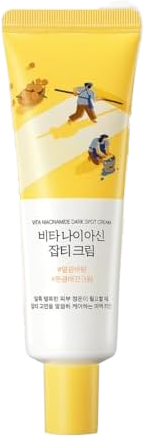
Night barrier support: Niacinamide helps keep the skin barrier steady so treatment steps are easier to tolerate.
Key ingredients: Niacinamide
Why this routine works
Oily skin with dark spots needs brightening that does not feel greasy. Lightweight layers are the whole point.
Why this routine fits
Oily skin with dark spots needs brightening actives in water-based formulas. Niacinamide and vitamin C serums fade spots without adding oil or clogging pores. Tranexamic acid is the underrated pick here: it blocks the UV signal that triggers new pigment production, and it comes in lightweight textures. SPF 50 every morning matters more than any serum. UV creates new dark spots faster than actives can fade old ones.
Dark spots fade best when oil control, brightening, and sunscreen happen together. Skipping one slows the whole routine.
How to use the routine
AM note
Use brighteners under SPF. This is where dark spot progress is protected.
PM note
Keep the night treatment light so oily skin does not feel coated by morning.
What to expect
Week 1
Skin should feel calmer and less stripped.
Weeks 2-4
Oil, texture, or tightness should start to shift.
Weeks 6-8
Tone and resilience are easier to judge.
Why these ingredients show up
Ingredient logic
Vitamin C (L-ascorbic acid)
ProvenBlocks the enzyme (tyrosinase) that your skin uses to make dark pigment. Also lightens spots that are already there by breaking down the melanin.
Best for Fading existing dark spots and protecting against UV-triggered pigmentation
Niacinamide
ProvenStops melanin (the pigment behind dark spots) from moving into the cells you can see. Your spots fade because new skin cells come up without the extra color.
Best for Oily or sensitive skin with PIH; pairs well with most other actives
Tranexamic acid
StudiedBlocks the UV signal that tells your skin to make more pigment. Works through a different pathway than vitamin C, so they pair well.
Best for Melasma and UV-triggered spots; well-tolerated at 2 to 5 percent topically
Alpha-arbutin
StudiedSlows down the pigment-making enzyme (tyrosinase) gently, without the harshness of hydroquinone. Your skin releases a tiny bit of the active over time.
Best for Gentle daily brightening; good for sensitive or reactive skin
Azelaic acid
ProvenTargets the pigment cells that are overproducing melanin, specifically the overactive ones. Also fights acne bacteria if you have breakouts and dark spots together.
Best for Oily, acne-prone skin with dark spots from old breakouts
How products were chosen
Why these products won
We pick brightening products for oily skin based on two things: does the ingredient actually reduce melanin production (with published data to back it up), and does the formula sit well on skin that's already oily? Water-based serums rank above creams.
Find an oily-skin dark spot routine.
Answer 9 questions. Koracle checks fit, conflicts, texture, and evidence.
Build my routine →Common questions
What's the difference between PIH and PIE, and does it change which ingredients I should use?
PIH (post-inflammatory hyperpigmentation) is brown or tan discoloration from excess melanin after skin trauma like acne. PIE (post-inflammatory erythema) is pink or red marks from damaged blood vessels beneath the surface. They look similar but respond to different ingredients. PIH fades with melanin-targeting actives like niacinamide, vitamin C, and azelaic acid. PIE is a blood vessel issue, so those same ingredients won't help much. For PIE, time, niacinamide for barrier support, and green-tinted color correctors are your main options.
Which vitamin C formulas work for oily skin without feeling heavy or pilling?
Look for water-based, low-viscosity textures labeled 'essence' or 'lightweight serum.' L-ascorbic acid at 10 to 15 percent has the strongest published evidence for reducing melanin, but it breaks down quickly once opened. Ascorbyl glucoside and sodium ascorbyl phosphate are more stable alternatives that suit oily skin. Apply to dry skin before other serums. If you also use niacinamide, keep both at moderate concentrations or separate them into AM and PM steps.
Can sunscreen alone prevent new dark spots from forming?
Broad-spectrum SPF 50, reapplied every 2 hours outdoors, stops UV from triggering new melanin deposits. It also keeps existing spots from getting darker. Dermatologists rate sun protection as the single most important step for hyperpigmentation. For oily skin, Korean PA++++ sunscreens with a matte or essence finish work better than thick Western formulas that can cause congestion.
How long does it actually take for dark spots to fade?
Surface-level spots from mild acne typically fade in 3 to 6 months with consistent brightening actives and daily SPF. Deeper, older spots can take 6 to 12 months. Your skin replaces its outer layer roughly every 28 days (slower as you age). Brightening actives work within that cycle, so expect 8 to 12 weeks before you see real change. Skipping sunscreen during this period adds new pigment faster than serums can clear the old.
Do dark spots come back after I stop using brightening products?
They can if you skip sunscreen. Once a spot has faded, it won't reverse on its own. But UV exposure triggers your skin to produce new melanin in the same vulnerable areas. Think of brightening products as ongoing maintenance, not a one-time fix. The most common reason spots seem to 'come back' is inconsistent SPF use, not product failure.
How we pick products
We pick brightening products for oily skin based on two things: does the ingredient actually reduce melanin production (with published data to back it up), and does the formula sit well on skin that's already oily? Water-based serums rank above creams.
See your full formula-checked routine with product swaps and price tiers.
View Full RoutineWant a routine tailored to your skin?
Take the 2-minute quiz and Koracle checks formulas, evidence, texture, and conflicts.
Build my hyperpigmentation routine