
Snail Mucin vs Hyaluronic Acid: Do You Need Both?

In this article
Both are in half the K-beauty routines on TikTok. Most captions describe them the same way: "hydrating." They're not the same thing.
One pulls water into your skin. The other repairs the tissue that holds it there.
Use both. Apply snail mucin first (essence layer), then hyaluronic acid in your serum or moisturizer. They do different things and the effects stack.
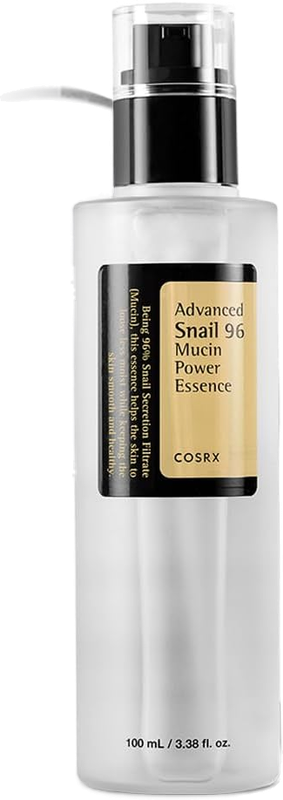
How snail mucin works
Snail secretion filtrate is about 92% water. The remaining fraction is what matters.
The secretion contains glycoproteins, allantoin, and low concentrations of growth factors including EGF (epidermal growth factor). These aren't hydration agents. They're involved in tissue repair. Growth factors stimulate fibroblast activity and collagen synthesis. Allantoin promotes cell turnover. Glycoproteins form a protective film over the skin surface.
The clinical research on snail secretion filtrate is still limited, but what exists points toward wound healing and scarring, not just moisturization. A 2013 study (Brieva et al.) found snail secretion filtrate increased fibroblast proliferation in vitro. That explains why people with acne marks and dull skin report results that pure humectants don't deliver.
Paid links: Koracle may earn from qualifying purchases. Details.
View on Amazon. Amazon shows final price and availability.
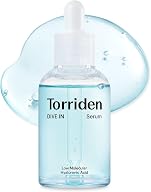
How hyaluronic acid works
Hyaluronic acid is a humectant. It attracts and holds water, up to 1,000 times its own weight, from the air and the deeper layers of your skin.
Molecular weight determines where it works. High molecular weight HA stays on the surface and reduces transepidermal water loss. Low molecular weight HA penetrates deeper and hydrates from within. Most well-formulated HA products contain both.
That's the full mechanism. No repair, no growth factor activity, no collagen stimulation. It's water management, and it does that job well.
Paid links: Koracle may earn from qualifying purchases. Details.
View on Amazon. Amazon shows final price and availability.
Head-to-head
Primary job: Snail mucin repairs and hydrates. Hyaluronic acid only hydrates.
Key actives: Snail mucin delivers glycoproteins, allantoin, and growth factors. Hyaluronic acid is a single molecule in multiple molecular weights.
Best for: Snail mucin suits barrier damage, dullness, and acne marks. Hyaluronic acid works for any skin type with dehydration.
Layer order: Snail mucin goes earlier (essence layer). Hyaluronic acid goes later (serum or moisturizer step).
Do they replace each other? No.
How to layer them
Apply snail mucin after your toner while your skin is slightly damp. It absorbs in 30 to 60 seconds. Follow with your hyaluronic acid serum or cream. The HA layer pulls water in; the snail mucin underneath helps retain it.
If you can only use one, use the snail mucin. HA gives immediate plumpness, but snail mucin has more happening beneath the surface.
Not sure what your skin actually needs?
Answer 9 questions. Koracle checks fit, conflicts, texture, and evidence.
Build my routine →The bottom line
Both belong in most routines: snail mucin at the essence step, HA at the serum or moisturizer step. If budget is the constraint, start with snail mucin.
Related: Snail Mucin · Hyaluronic Acid · Hydration routine for dry skin · Dehydrated oily skin routine · Ceramides and the skin barrier
Common Questions
Is snail mucin better than hyaluronic acid?↓
They're not in competition. Snail mucin repairs the barrier and delivers growth factors; hyaluronic acid draws water into the skin. Most routines benefit from both.
Can I use snail mucin and hyaluronic acid together?↓
Yes. Apply snail mucin first (essence layer), then hyaluronic acid serum or cream. They don't interact negatively and their effects stack.
Which one is better for acne scars?↓
Snail mucin. Its growth factor content supports tissue remodeling, which helps fade post-acne marks over time. Hyaluronic acid plumps the skin but doesn't target pigmentation or scarring.
Does snail mucin replace moisturizer?↓
No. Snail mucin is an essence or serum, not an occlusive. You still need a moisturizer (and ideally an occlusive at night) to seal the hydration in.
Turn what you learned into a routine that fits your skin.
Answer a few questions and Koracle will check formula fit, budget, tolerance, and routine order.
Build my formula-checked routine