
The Best K-Beauty Routine for Dry, Aging + Dehydrated Skin in 2026
Dry skin shows fine lines earlier because it lacks the natural oils that keep skin plump. Deep hydration is your anti-aging foundation. Everything else builds on it. ceramide-heavy layering at night supports your barrier faster than any single cream. A centella toner with the 7-skin method is your shortcut.
Koracle is skincare education, not medical or dermatology advice. Patch-test new products. Ask a licensed dermatologist about acne, rosacea, eczema, allergic reactions, pregnancy concerns, or symptoms that persist.
Paid links: Koracle may earn from qualifying purchases. Details.
Top picks for your skin
Paid links: Koracle may earn from qualifying purchases. Details.
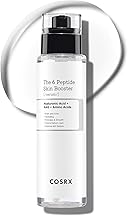
Morning barrier support: Peptide Complex helps keep the skin barrier steady so treatment steps are easier to tolerate.
Key ingredients: Acetyl Hexapeptide-8, Copper Tripeptide-1, Niacinamide
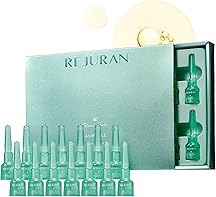
Morning barrier support: c-PDRN helps keep the skin barrier steady so treatment steps are easier to tolerate.
Key ingredients: c-PDRN, Adenosine
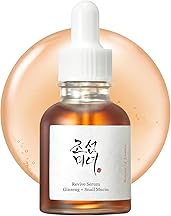
Morning barrier support: Ginseng helps keep the skin barrier steady so treatment steps are easier to tolerate.
Key ingredients: Ginseng, Snail Mucin, Niacinamide
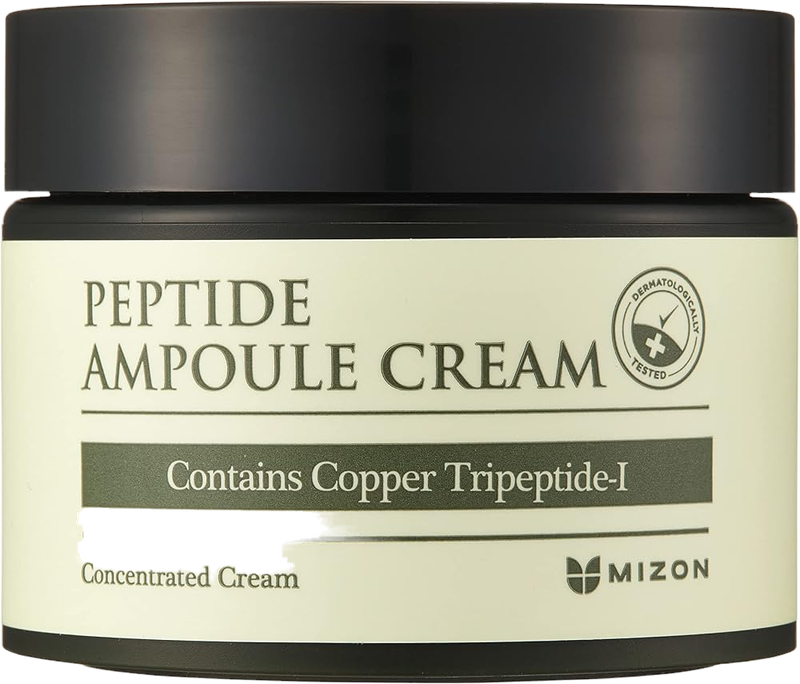
Morning barrier support: Peptides help keep the skin barrier steady so treatment steps are easier to tolerate.
Key ingredients: Peptides, Hyaluronic Acid, Adenosine
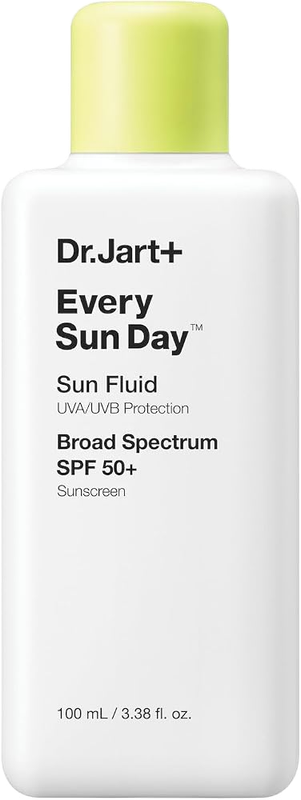
Morning photoprotection: daily sunscreen is the anchor for pigment control and UV-triggered tone changes.
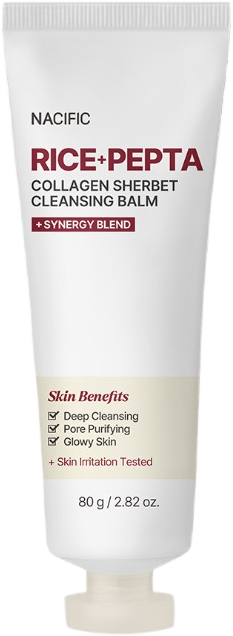
Recommended for your aging: Hydrolyzed Collagen - matches the reviewed ingredient list
Key ingredients: Hydrolyzed Collagen, Rice Extract
Recommended for your aging: Panthenol - matches the reviewed ingredient list
Key ingredients: Panthenol, Ceramides
Recommended for your aging: Niacinamide - matches the reviewed ingredient list
Key ingredients: Niacinamide, PHA (Gluconolactone), Retinol
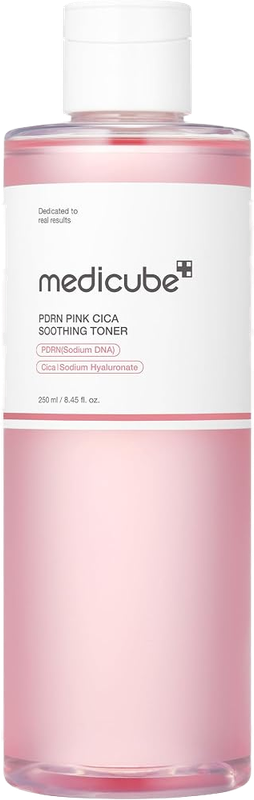
Night barrier support: PDRN helps keep the skin barrier steady so treatment steps are easier to tolerate.
Key ingredients: PDRN, Centella Asiatica, Niacinamide
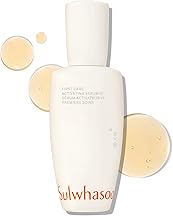
Night barrier support: Ginseng helps keep the skin barrier steady so treatment steps are easier to tolerate.
Key ingredients: Ginseng, Rehmannia
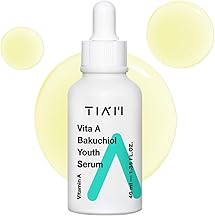
Recommended for your aging: Bakuchiol - matches the reviewed ingredient list
Key ingredients: Bakuchiol, Adenosine
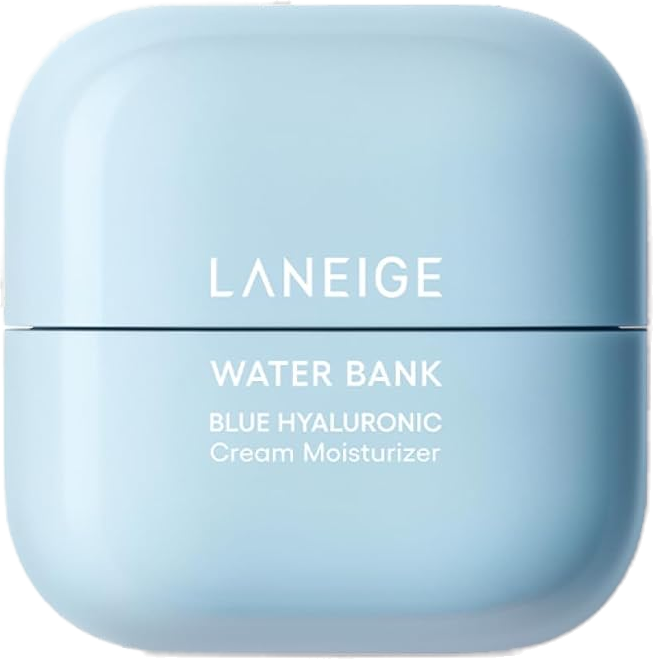
Recommended for your aging: Hyaluronic Acid - matches the reviewed ingredient list
Key ingredients: Hyaluronic Acid, Panthenol
Why this routine works
Dry, aging, dehydrated skin needs support from two directions: renewal for texture and barrier care for comfort.
Why this routine fits
Dry aging skin with dehydration has two separate problems. Your skin lacks oil (that is the dry part) and it lacks water (that is the dehydration). Fixing one without the other does not work. Layer a hyaluronic acid toner on damp skin to pull water in. Then seal it with a ceramide cream to replace the fats your skin is not producing enough of. Retinol goes on last, at the lowest dose, and only after your barrier can take it.
If skin feels tight by noon, anti-aging products will look harsher than they really are. Hydration comes first.
How to use the routine
AM note
Layer hydration, antioxidant support, richer moisture, and sunscreen.
PM note
Use retinoid or peptide support only as often as your barrier can handle.
What to expect
Week 1
Skin should feel calmer and less stripped.
Weeks 2-4
Oil, texture, or tightness should start to shift.
Weeks 6-8
Tone and resilience are easier to judge.
Why these ingredients show up
Ingredient logic
Ceramides
ProvenYour skin's natural ceramide levels drop with age. Applying them topically patches the barrier so water stops escaping.
Best for The foundation layer for dry, dehydrated, aging skin. Without barrier support, every other active works less well.
Hyaluronic acid
ProvenPulls water into your skin's outer layer. Doesn't add any oils or fats. Works best when layered under a cream that seals it in.
Best for The hydration layer in a dry-aging routine. Apply on damp skin, then cover with a ceramide cream to stop the water from evaporating.
Retinol
ProvenPushes your skin to make new cells faster and produce more collagen. Dry skin needs the lowest dose with a moisturizer buffer underneath.
Best for Wrinkles and loss of firmness. Build up slowly over months to avoid setting back your barrier progress.
Peptides (palmitoyl pentapeptide-4)
StudiedSignals your skin to make collagen without irritating an already dry, depleted barrier. Can use it morning and night without restriction.
Best for A collagen-building option for anyone whose skin cannot tolerate retinol right now.
Centella asiatica
EmergingReduces inflammation while your barrier recovers from retinol. Also supports collagen production without irritation.
Best for Barrier recovery on retinol-free nights. Calms redness and helps the repair process without drying your skin out.
How products were chosen
Why these products won
This triple concern (dry, dehydrated, aging) needs layering, not one miracle product. Ceramides for the barrier, hyaluronic acid for water, retinol for wrinkles. We score products on how well they support that three-layer approach. Rich textures get a boost here.
Build a dry-skin anti-aging routine with enough comfort.
Answer 9 questions. Koracle checks fit, conflicts, texture, and evidence.
Build my routine →Common questions
What is the difference between aging dry skin and dehydrated aging skin, and why does it matter?
Dry skin is a skin type. Your oil glands do not produce enough lipids, so the outer layer of your skin cannot hold onto water. Dehydrated skin is a temporary condition. Any skin type can become dehydrated when the barrier is damaged or water escapes faster than it comes in. When both are present, a moisturizer by itself is not enough. You need a humectant (something that pulls water in) layered under a cream that traps it. Treating only the water loss while ignoring the missing fats gives you short-term relief that fades within hours.
How do I layer hyaluronic acid and retinol without irritating already-dry skin?
Put hyaluronic acid toner or serum on slightly damp skin first. This gives the humectant water to grab instead of pulling it from deeper layers. Wait about 30 seconds, then apply your moisturizer. On retinol nights, apply retinol as the last step before your final sealing layer. Start at 0.025% to 0.05%, twice a week. The moisturizer underneath buffers the retinol. Kafi et al. (2007) showed that this approach still reduced wrinkles after 24 weeks.
How do I repair my skin barrier when I am also using anti-aging actives?
Cut retinol back to once a week until redness and flaking clear up. On the nights you skip retinol, use a barrier support cream: one with ceramides NP, AP, and EOP alongside cholesterol and fatty acids. Centella asiatica and panthenol both speed up barrier recovery and calm inflammation without interfering with retinol. Once your skin is stable for two straight weeks, add one more retinol night.
Should aging dry skin with dehydration use a rich cream or a lightweight moisturizer?
Rich cream, but the ingredients matter more than how thick it feels. Look for ceramides, cholesterol, and free fatty acids in the first half of the ingredient list. Those three lipids in roughly equal amounts are what your skin's barrier is made of. A thick cream based mostly on petrolatum and glycerin gives you a seal and some moisture, but it does not rebuild the barrier itself. A lighter gel-cream with ceramides will outperform a heavy cream without them.
Is slugging (using petroleum jelly as a last step) safe over retinol?
It depends. Slugging over retinol can trap the active and increase irritation, especially on skin that's already dry and reactive. If your skin handles retinol well, a thin layer of petrolatum or squalane as the final step helps lock everything in. If retinol still causes flaking or redness, slug on your retinol-free nights instead and use a regular ceramide cream on retinol nights.
How we pick products
This triple concern (dry, dehydrated, aging) needs layering, not one miracle product. Ceramides for the barrier, hyaluronic acid for water, retinol for wrinkles. We score products on how well they support that three-layer approach. Rich textures get a boost here.
See your full formula-checked routine with product swaps and price tiers.
View Full RoutineWant a routine tailored to your skin?
Take the 2-minute quiz and Koracle checks formulas, evidence, texture, and conflicts.
Build my aging + dehydrated routine