
Fermented K-Beauty Ingredients: Real Bioavailability or Marketing?
In this article
Your feed keeps telling you that fermented ingredients absorb better, work faster, and unlock benefits regular skincare cannot. The claim sounds scientific. It also sounds like it was written by someone who has never read a bioavailability study.
Here is what the evidence actually shows, and where the "fermented equals better" story falls apart.
TL;DR
Fermentation can improve the bioavailability of some plant extracts, but the effect is ingredient-specific, not universal. Ferments are a legitimate delivery tweak for dullness and texture. They are not a magic upgrade over well-formulated conventional skincare.
The claim you keep seeing
The pitch is simple. Microbes eat a plant extract, break the big molecules into smaller ones, and hand your skin a pre-digested version that absorbs deeper and works harder. Influencers call it "biotech skincare." Brands call it "fermented for maximum efficacy."
The mechanism is real. The universal claim is not.
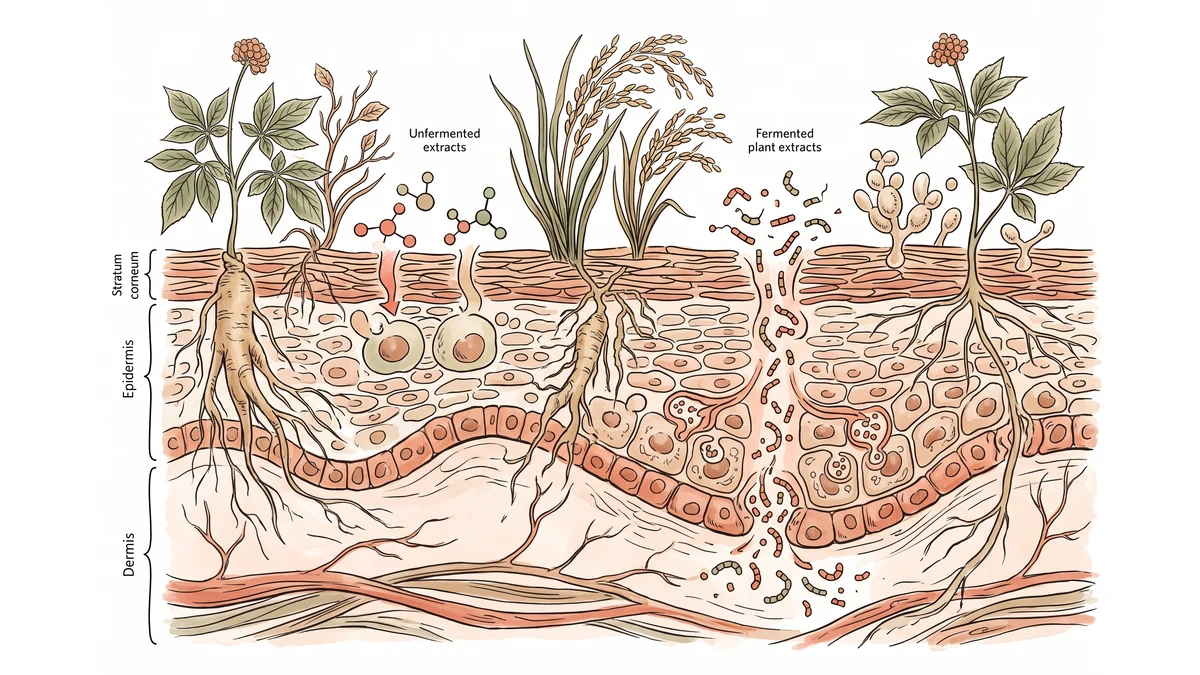
Fermentation works by using yeasts, lactobacilli, or bifida strains to metabolize a substrate, whether that's rice, ginseng, soybean, or galactose. The microbes produce new compounds along the way: peptides, amino acids, organic acids, polysaccharides, and sometimes vitamins. Some of these compounds are smaller than the originals. Some are not. And "smaller" does not automatically mean "penetrates skin better."
Fermentation is a formulation tool, not a category of ingredient. What matters is what came out of the fermenter, not the fact that fermentation happened.
What the evidence actually shows
The strongest data is for specific ferments, not the category as a whole. A 2011 study on Galactomyces ferment filtrate found improvements in skin radiance and pore appearance at concentrations above 50% (Bissett et al.). A 2019 review on Bifida ferment lysate found modest but real barrier and antioxidant effects (Guéniche et al.). Fermented rice extract shows better tyrosinase inhibition than raw rice extract in some in vitro work.
A 2018 in vitro study on fermented ginseng found that fermentation converted ginsenoside Rb1 into compound K, a smaller metabolite with roughly 10x higher skin permeability than the parent compound (Park et al., 2018). This is a real bioavailability boost, but only for that specific compound.
Now the caveats. Most fermentation studies are in vitro (test tube) or on isolated compounds, not finished products on real skin. The concentration in a $30 essence is usually much lower than what the studies used. And "fermented for 30 days in oak barrels" tells you nothing about which metabolites ended up in the bottle.
Where the marketing gets loose
Three claims deserve a closer look.
"Fermentation makes molecules small enough to penetrate deeper." Partly true, partly nonsense. Skin absorption depends on molecular weight, lipophilicity, and the vehicle it is delivered in. A smaller peptide might penetrate better than a larger one, but hyaluronic acid at 1 million daltons still sits on the surface whether it was fermented or not.
"Fermented ingredients are more potent than the originals." Sometimes. Fermented rice has different active compounds than raw rice, not more of the same ones. Whether "different" means "better for your skin" depends on what you're treating.
"Ferments are gentler because they are pre-digested." This one flips reality. Fermentation produces organic acids (lactic, acetic, succinic) and metabolites that can irritate sensitive or compromised skin. If your barrier is already struggling, a high-percentage ferment essence is not a soft landing.
Not sure if a fermented ingredient fits your skin?
Answer 9 questions. Koracle checks fit, conflicts, texture, and evidence.
Build my routine →When ferments actually earn a spot in your routine
Ferments do their best work on dullness, uneven texture, and mild barrier support. They are the wrong tool for aggressive dark spot fading (that's vitamin C, tranexamic acid, or azelaic acid), and they will not replace retinol for wrinkles or texture remodeling.
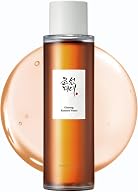
If your skin runs dull, dehydrated, or slightly uneven, a well-formulated ferment essence layered under your serum makes sense. Fermented ginseng essences are a reasonable pick for early aging signs when you want something gentler than retinol.
Paid links: Koracle may earn from qualifying purchases. Details.
View on Amazon. Amazon shows final price and availability.
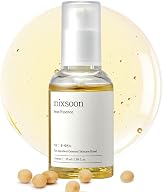
For barrier-friendly hydration with a fermented bean base, this one leans into humectant and texture support rather than making brightening claims it cannot back up.
Paid links: Koracle may earn from qualifying purchases. Details.
View on Amazon. Amazon shows final price and availability.
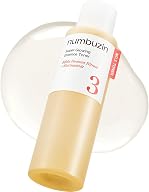
If you want the radiance angle without buying into the "Pitera dupe" hype, a Bifida-based essence toner is the closest thing to the studied mechanism.
Paid links: Koracle may earn from qualifying purchases. Details.
View on Amazon. Amazon shows final price and availability.
How to read a fermented ingredient list
Look for the specific strain, along with the word "ferment." "Lactobacillus/rice ferment" tells you what was fermented and by what. "Fermentation complex" tells you the marketing team was in the room. Concentration matters more than the ferment story: if the ferment is 15th on the ingredient list, it's a supporting player, not the active.
Also check the rest of the formula. A ferment essence with alcohol denat. high up the list is doing more drying than delivering. A ferment layered into a formula with panthenol, glycerin, and a low pH is doing its job.
The bottom line
Fermentation is a real technique with real effects on specific ingredients, and it is a universal upgrade only in marketing copy. Use ferments for dullness, texture, and mild barrier support, and treat "fermented" on a label as a formulation note, not a promise.
Your skin does not need a ferment to look good. But if you like the texture and it fits your routine, the evidence supports keeping it.
Common Questions
Are fermented skincare ingredients actually better absorbed?↓
Sometimes. Fermentation can break large molecules into smaller ones, which may improve absorption. But 'smaller molecule' does not automatically mean 'better result.' It depends on the ingredient, the strain used, and what the fermentation actually produced.
Is Galactomyces ferment the same as SK-II's Pitera?↓
Not exactly. Pitera is a trademarked strain of Galactomyces ferment filtrate. Other brands use different strains or filtration methods. The active compounds overlap, but concentrations and byproducts vary between products.
Can fermented ingredients irritate sensitive skin?↓
Yes. Ferments contain organic acids and metabolites that can trigger reactions in sensitive skin, especially at high concentrations. If your barrier is compromised, start with a low percentage or skip until it recovers.
Do I need a fermented product in my routine?↓
No. Fermented ingredients are useful but not required. If your current routine works, adding a ferment is optional. It shines most for dullness, texture, and mild barrier support, not as a replacement for actives like retinol or vitamin C.
Turn what you learned into a routine that fits your skin.
Answer a few questions and Koracle will check formula fit, budget, tolerance, and routine order.
Build my formula-checked routine