
The Best K-Beauty Routine for Sensitive, Redness-Prone Skin in 2026
Combination skin runs oily in the T-zone and dry at the cheeks, so each zone needs different textures - fragrance-free everything and a centella toner as your base. Combination-sensitive skin does best with minimal, well-tested ingredients across both zones.
Koracle is skincare education, not medical or dermatology advice. Patch-test new products. Ask a licensed dermatologist about acne, rosacea, eczema, allergic reactions, pregnancy concerns, or symptoms that persist.
Paid links: Koracle may earn from qualifying purchases. Details.
Top picks for your skin
Paid links: Koracle may earn from qualifying purchases. Details.
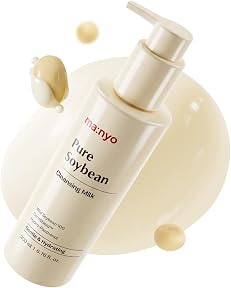
Recommended for your sensitivity: Hyaluronic Acid - matches the reviewed ingredient list
Key ingredients: Hyaluronic Acid, Glycerin
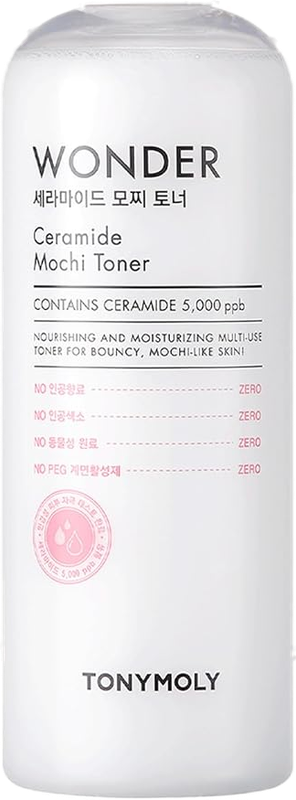
Morning barrier support: Ceramide helps keep the skin barrier steady so treatment steps are easier to tolerate.
Key ingredients: Ceramide, Hyaluronic Acid, Glycerin
Morning barrier support: Centella Asiatica helps keep the skin barrier steady so treatment steps are easier to tolerate.
Key ingredients: Centella Asiatica, Niacinamide
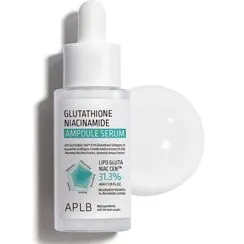
Morning barrier support: Niacinamide helps keep the skin barrier steady so treatment steps are easier to tolerate.
Key ingredients: Centella Asiatica, Niacinamide, Panthenol
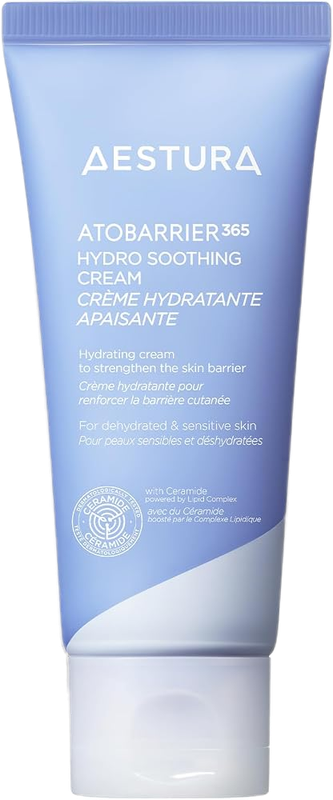
Morning barrier support: Ceramides help keep the skin barrier steady so treatment steps are easier to tolerate.
Key ingredients: Ceramide NP
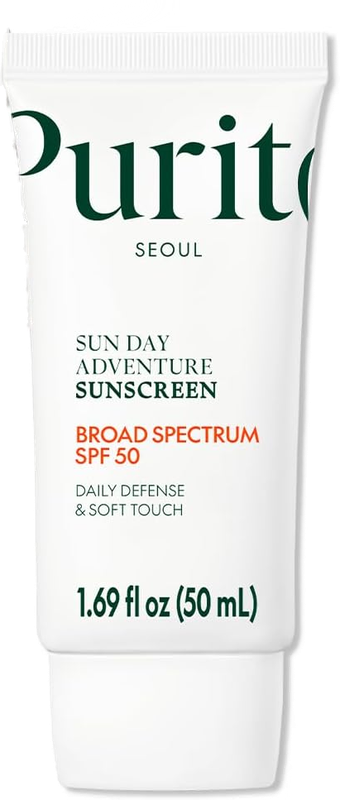
Morning photoprotection: daily sunscreen is the anchor for pigment control and UV-triggered tone changes.
Key ingredients: Centella Asiatica, Madecassoside, Ethylhexyl Triazone
Recommended for your sensitivity: Centella Asiatica - matches the reviewed ingredient list
Key ingredients: Centella Asiatica
Recommended for your sensitivity: Hyaluronic Acid - matches the reviewed ingredient list
Key ingredients: Hyaluronic Acid, Glycerin
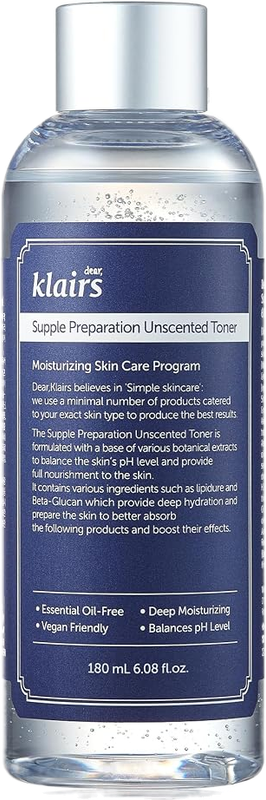
Night barrier support: Beta-Glucan helps keep the skin barrier steady so treatment steps are easier to tolerate.
Key ingredients: Beta-Glucan, Sodium Hyaluronate, Centella Asiatica Extract
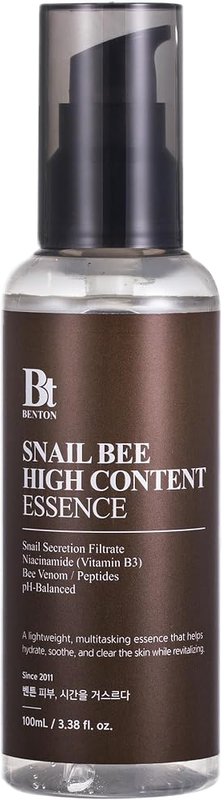
Night barrier support: Bee Venom helps keep the skin barrier steady so treatment steps are easier to tolerate.
Key ingredients: Bee Venom, Snail Mucin, Niacinamide
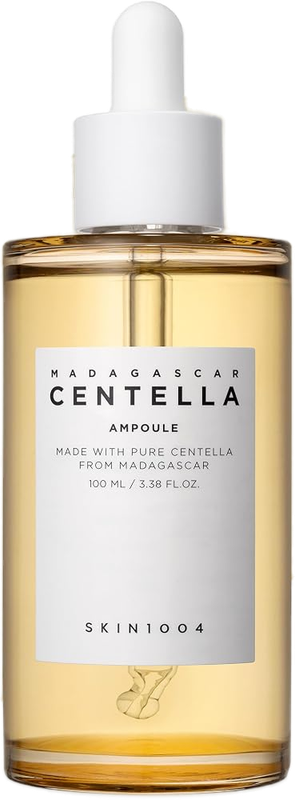
Night barrier support: Centella Asiatica helps keep the skin barrier steady so treatment steps are easier to tolerate.
Key ingredients: Centella Asiatica, Madecassoside, Panthenol
Night barrier support: Ceramide helps keep the skin barrier steady so treatment steps are easier to tolerate.
Key ingredients: Cetyl-PG Hydroxyethyl Palmitamide, Cholesterol, Squalane
Why this routine works
Redness-prone skin needs calming first. Once the skin is quieter, everything else gets easier.
Why this routine fits
Redness-prone sensitive skin means your barrier has gaps. Irritants get in, moisture gets out, and your skin stays inflamed. Centella calms that inflammation. Ceramides fill the gaps in the lipid layer. Panthenol speeds up repair. Keep your routine to four products: cleanser, serum, moisturizer, SPF. Every extra step is another chance for a reaction. Get the barrier solid first. Add anything else later.
Do not chase redness with stronger actives. The first job is making your skin less reactive.
How to use the routine
AM note
Keep the morning protective: calm, moisturize, and shield with SPF.
PM note
Use night steps to repair the barrier instead of adding more triggers.
What to expect
Week 1
Skin should feel calmer and less stripped.
Weeks 2-4
Oil, texture, or tightness should start to shift.
Weeks 6-8
Tone and resilience are easier to judge.
Why these ingredients show up
Ingredient logic
Centella Asiatica (Cica)
StudiedIts active compounds (asiaticoside and madecassoside) calm the inflammatory signals in your skin. The most studied calming ingredient for red, reactive skin.
Best for Active redness and flushing, barrier damage, rosacea-adjacent sensitivity
Ceramides
ProvenRebuilds the protective layer that keeps irritants out and moisture in. Not an active ingredient, so almost nobody reacts to it.
Best for Chronically dry, tight, reactive skin with a weakened barrier
Panthenol (Vitamin B5)
ProvenConverts into vitamin B5 in your skin, speeding up repair of the damaged outer layer. Also draws water in to hydrate from the surface.
Best for Post-irritation recovery, dehydrated sensitive skin, healing after a laser treatment or peel
Azelaic Acid
ProvenCalms the overactive inflammation behind rosacea-type redness and clears the bumps that sometimes come with it. FDA-approved for rosacea at 15%.
Best for Persistent rosacea-type redness and papulopustular bumps; strongest option without a prescription
Allantoin
TraditionalEncourages your skin to shed damaged cells and replace them with new ones. Reduces irritation by softening the outer layer.
Best for Mild everyday irritation and redness; pairs well with ceramides or centella as a supporting player
How products were chosen
Why these products won
We filter hardest for sensitive redness. Centella, ceramides, and panthenol rank highest because they calm and repair without triggering more reactions. Fragranced products, alcohol-based toners, and strong acids get pushed to the bottom no matter how good they perform in a lab.
Build a redness routine that keeps skin calm.
Answer 9 questions. Koracle checks fit, conflicts, texture, and evidence.
Build my routine →Common questions
What is the difference between rosacea and general skin redness?
Rosacea is a chronic condition with distinct subtypes. Erythematotelangiectatic rosacea causes persistent flushing and visible blood vessels. Papulopustular rosacea causes acne-like bumps. General redness can come from a wrecked skin barrier, contact dermatitis, dehydration, or one bad product. The test: simplify your routine to three steps for four weeks. If the redness clears, it was barrier damage. If it stays, especially in a butterfly pattern across your nose and cheeks, or if heat and spicy food make it worse, see a dermatologist. Prescription treatments (azelaic acid, metronidazole, brimonidine) work for rosacea in ways no over-the-counter product can match.
Which ingredients calm skin redness most reliably?
Centella asiatica (cica) has the most published data for calming inflamed, reactive skin. Panthenol (vitamin B5) draws water into the skin and accelerates barrier recovery. Ceramides restore the lipid layer that stops irritants from getting through. Allantoin softens the outer layer and promotes turnover of damaged cells. Azelaic acid is the strongest topical option you can get without a prescription for persistent redness. It is FDA-approved for rosacea at 15 percent.
What triggers make skin redness worse?
The most reliable triggers: alcohol (denat. or SD alcohol) in toners and essences, fragrance (synthetic and natural, including essential oils), physical scrubs, water hotter than 40 degrees Celsius, and overuse of exfoliating acids. Sun exposure is the single biggest chronic trigger for rosacea flares. Daily SPF 30 or higher is required, not optional. Niacinamide above 10 percent can cause flushing in some people through a histamine response, though this happens less often than skincare forums suggest.
What does a minimal routine for redness-prone skin look like?
Three steps: a gentle, low-pH gel or milk cleanser (no sulfates, no fragrance), a centella or ceramide moisturizer, and a mineral SPF 30 or higher during the day. That is the floor. Once the barrier is stable (usually four to six weeks), you can add one targeted active. Azelaic acid at 10 percent, applied at night, three times per week, is a good first addition for persistent redness. Do not add multiple products at once. You will not be able to tell what is helping and what is causing trouble.
How does centella asiatica compare to other calming ingredients?
Centella has the widest clinical support for inflamed skin. Its active compounds, asiaticoside and madecassoside, reduce the inflammatory signals your skin sends when the barrier is damaged. A 2024 randomized controlled trial found centella-based masks improved rosacea scores, flushing, and dryness after six weeks with zero adverse events. Panthenol and allantoin work well but mostly at the surface layer. Ceramides rebuild lipid structure without directly calming inflammation. Azelaic acid is more potent than centella for active rosacea bumps, but it can sting on very reactive skin during the first week.
Will my redness ever go away completely?
It depends on the cause. If your redness comes from a damaged barrier (from over-exfoliating, harsh products, or dehydration), yes. A simplified routine with barrier-repair ingredients can resolve it in 4 to 8 weeks. If your redness is rosacea, it is a chronic condition that can be managed but not cured. Flares get much less frequent with the right routine and prescription treatments, but the underlying tendency stays. If redness has lasted more than three months despite a simplified routine, or you see visible blood vessels or recurring eye dryness alongside flushing, book a dermatologist appointment. Prescription options are significantly more effective than anything over the counter.
How we pick products
We filter hardest for sensitive redness. Centella, ceramides, and panthenol rank highest because they calm and repair without triggering more reactions. Fragranced products, alcohol-based toners, and strong acids get pushed to the bottom no matter how good they perform in a lab.
See your full formula-checked routine with product swaps and price tiers.
View Full RoutineWant a routine tailored to your skin?
Take the 2-minute quiz and Koracle checks formulas, evidence, texture, and conflicts.
Build my redness-prone routine