
Sunscreen Under Makeup: Should You Pick Hydrating or Matte?
In this article
You've heard the rule: dry skin needs a hydrating sunscreen, oily skin needs a matte one. TikTok says it, brand pages say it, and the reviews under every SPF video say it again. So you pick based on that, layer your foundation on top, and by lunch you're either shiny or flaking. Sometimes both.
The finish label is not the problem. The finish label is not really the answer either.
TL;DR
Hydrating vs matte is a texture question, not a skin-type rule. Pick your sunscreen based on how it layers with your specific moisturizer and foundation, then let a 60-second set time do the rest.
The claim leaves out what your makeup is doing
The "hydrating for dry, matte for oily" rule assumes your sunscreen works alone. It doesn't. Under makeup, your sunscreen is one film sitting between two other films: whatever you moisturized with, and whatever foundation you're applying next. Those three layers have to physically get along.
A hydrating sunscreen packed with glycerin and hyaluronic acid can pill instantly if your foundation contains silicone elastomers. A matte sunscreen with heavy silica powder can grip onto dry patches and look cakey even on oily skin. The finish only matters if the chemistry underneath cooperates.
Pilling isn't a formula problem. It's a compatibility problem between three layers that were never tested together.
How sunscreen actually behaves under foundation
Sunscreen forms a film on your skin as it dries, and that film is what your foundation grips onto. Chemical filters (avobenzone, octinoxate, the newer Korean filters like uvinul) sit in an oily or alcohol-based vehicle. They dry into a thin, flexible layer that blends with liquid foundation. Mineral filters (zinc oxide, titanium dioxide) sit as solid particles in the film, which is why they can look chalky or resist blending.
The "hydrating" label usually means added humectants and emollients: glycerin, panthenol, squalane, sometimes a dose of hyaluronic acid. These pull water from the environment and slow evaporation. Good on dry skin. Slippery under makeup if you don't wait for them to set.
The "matte" label usually means added powders: silica, starch, kaolin. These absorb sebum and diffuse light so your face doesn't reflect. Good on oily skin at 9am. Less good at 2pm when oil has broken through and the powder has patched together over any dry spots.
A 2019 study on SPF product wear under cosmetics found that film formation time averaged 60–90 seconds for chemical filters and up to 3 minutes for mineral-heavy formulas. Applying foundation before the film sets was the single biggest predictor of pilling and SPF disruption (Diffey, 2019).
The real question: what's on your skin already
Look at your moisturizer before you look at your sunscreen. If your moisturizer is already rich, humectant-heavy, or occlusive, adding a hydrating sunscreen on top gives you a wet, slippery base that foundation slides across. That's when you get streaking and patchy coverage.
If your moisturizer is a thin lotion or gel, a hydrating sunscreen fills the gap and gives your foundation something to hold onto. A matte sunscreen on top of a light moisturizer can flatten the skin enough that foundation looks powdery.
So the pairing that actually works:
- Rich moisturizer + lighter, faster-setting sunscreen + your foundation.
- Light moisturizer + more emollient sunscreen + your foundation.
Your skin type still matters, but only in how you built the base. Dry skin usually starts with a heavier cream like
Paid links: Koracle may earn from qualifying purchases. Details.
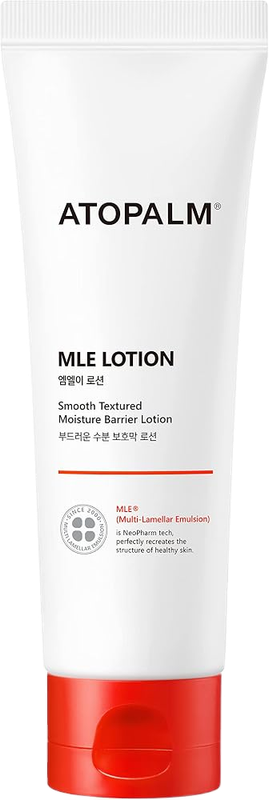
View on Amazon. Amazon shows final price and availability.
If you're oily, a lighter lotion base leaves room for a sunscreen with more slip, which layers better under liquid foundation than a bone-dry matte SPF.
Paid links: Koracle may earn from qualifying purchases. Details.
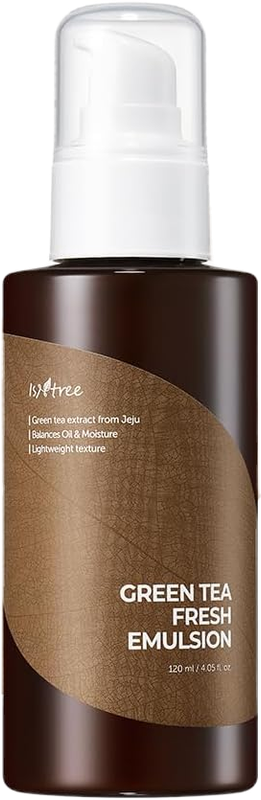
View on Amazon. Amazon shows final price and availability.
How to test in one week
Skip the internet advice and run the test on your own face. Pick your current sunscreen. On day one, apply moisturizer, wait 90 seconds, apply sunscreen, wait another 90 seconds, then apply foundation. Note how it looks at 10am, 2pm, and 6pm.
Not sure which sunscreen fits your moisturizer and makeup routine?
Answer 9 questions. Koracle checks fit, conflicts, texture, and evidence.
Build my routine →Most people find that adding the set time fixes 80% of the pilling before they even swap products. The rest is picking a finish that matches the base you built, not the skin type you were assigned online.
The bottom line
Hydrating vs matte is the wrong first question. Look at your moisturizer, wait 60 to 90 seconds between layers, and pick a sunscreen finish that balances what your base already provides. If your skin runs sensitive or your barrier is compromised, a hydrating formula with panthenol or ceramides is worth the extra set time.
Paid links: Koracle may earn from qualifying purchases. Details.
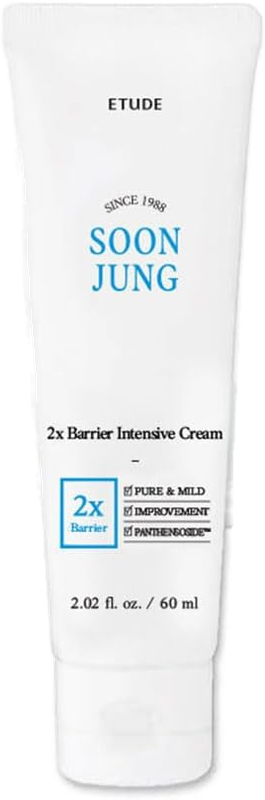
View on Amazon. Amazon shows final price and availability.
Your foundation will tell you within a week whether you picked right. Trust that over the label.
Common Questions
Can I skip moisturizer if I use a hydrating sunscreen under makeup?↓
Sometimes, yes. If your sunscreen already contains humectants like glycerin or hyaluronic acid and your skin is not very dry, doubling up can cause pilling. Test both ways for a week and see which finish holds under your foundation.
Does matte sunscreen actually control oil, or does it just look matte at first?↓
Most matte sunscreens use silica or starch powders that absorb sebum for two to four hours. After that, oil breaks through unless you blot or set with powder. They start matte; they don't stay matte all day on their own.
Will hydrating sunscreen make my foundation slide off?↓
Only if you apply foundation before the sunscreen fully sets. Wait 60 to 90 seconds after your sunscreen for the film to form, then apply makeup. Pilling usually comes from timing, not the formula itself.
Is a mineral or chemical sunscreen better under makeup?↓
Chemical (organic filter) sunscreens tend to layer more smoothly under foundation because they're liquid at skin temperature. Mineral filters can look chalky or leave a cast that shows through thin coverage. Most Korean sunscreens use hybrid formulas that split the difference.
Turn what you learned into a routine that fits your skin.
Answer a few questions and Koracle will check formula fit, budget, tolerance, and routine order.
Build my formula-checked routine