
The Best K-Beauty Routine for Combination, Anti-Aging Skin in 2026
Combination skin runs oily in the T-zone and dry at the cheeks, so each zone needs different textures - retinol every other night on your whole face plus a richer eye cream on dry zones gives both areas what they need.
Koracle is skincare education, not medical or dermatology advice. Patch-test new products. Ask a licensed dermatologist about acne, rosacea, eczema, allergic reactions, pregnancy concerns, or symptoms that persist.
Paid links: Koracle may earn from qualifying purchases. Details.
Top picks for your skin
Paid links: Koracle may earn from qualifying purchases. Details.
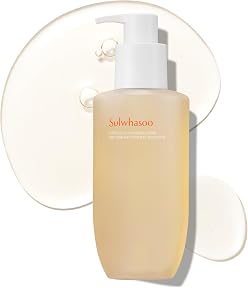
Recommended for your aging: Foam Cleanser - matches the reviewed ingredient list
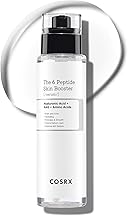
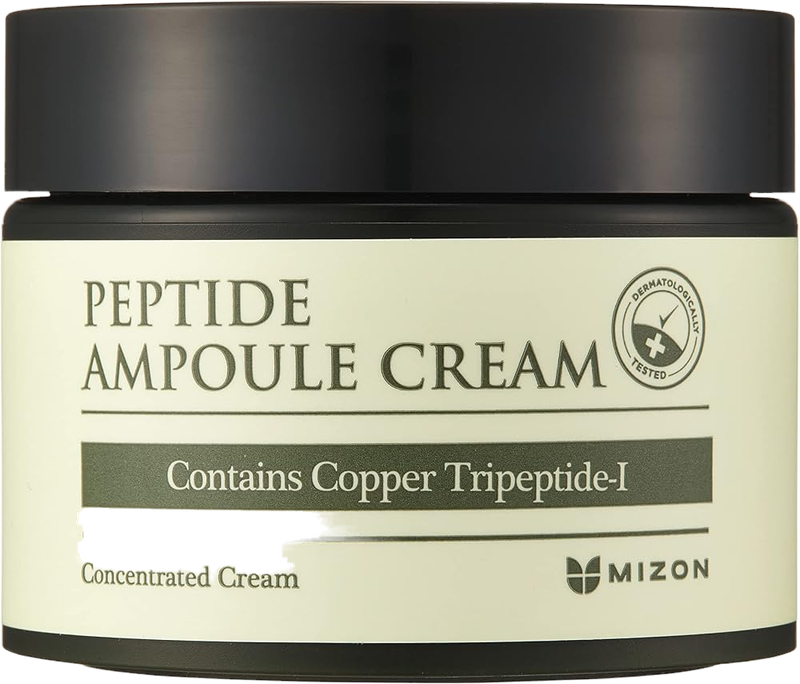
Morning barrier support: Peptide Complex helps keep the skin barrier steady so treatment steps are easier to tolerate.
Key ingredients: Acetyl Hexapeptide-8, Copper Tripeptide-1, Niacinamide
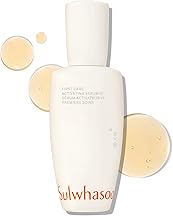
Morning barrier support: Ginseng helps keep the skin barrier steady so treatment steps are easier to tolerate.
Key ingredients: Ginseng, Rehmannia
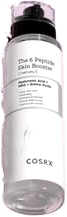
Morning barrier support: Niacinamide helps keep the skin barrier steady so treatment steps are easier to tolerate.
Key ingredients: Niacinamide
Morning barrier support: Peptides help keep the skin barrier steady so treatment steps are easier to tolerate.
Key ingredients: Peptides, Hyaluronic Acid, Adenosine
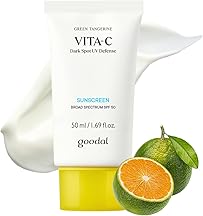
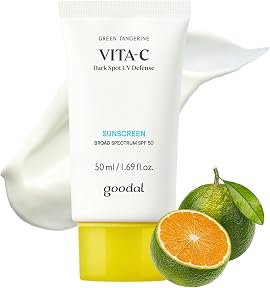
Morning photoprotection: daily sunscreen is the anchor for pigment control and UV-triggered tone changes.
Key ingredients: Citrus Tangerina (Tangerine) Extract, Ascorbic Acid, Homosalate
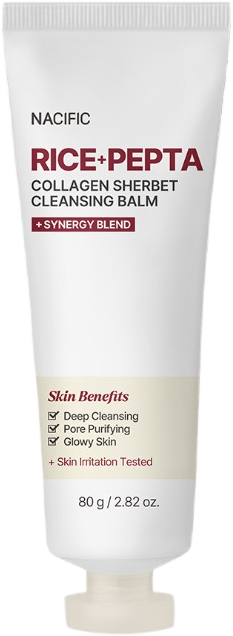
Recommended for your aging: Hydrolyzed Collagen - matches the reviewed ingredient list
Key ingredients: Hydrolyzed Collagen, Rice Extract
Recommended for your aging: Foam Cleanser - matches the reviewed ingredient list
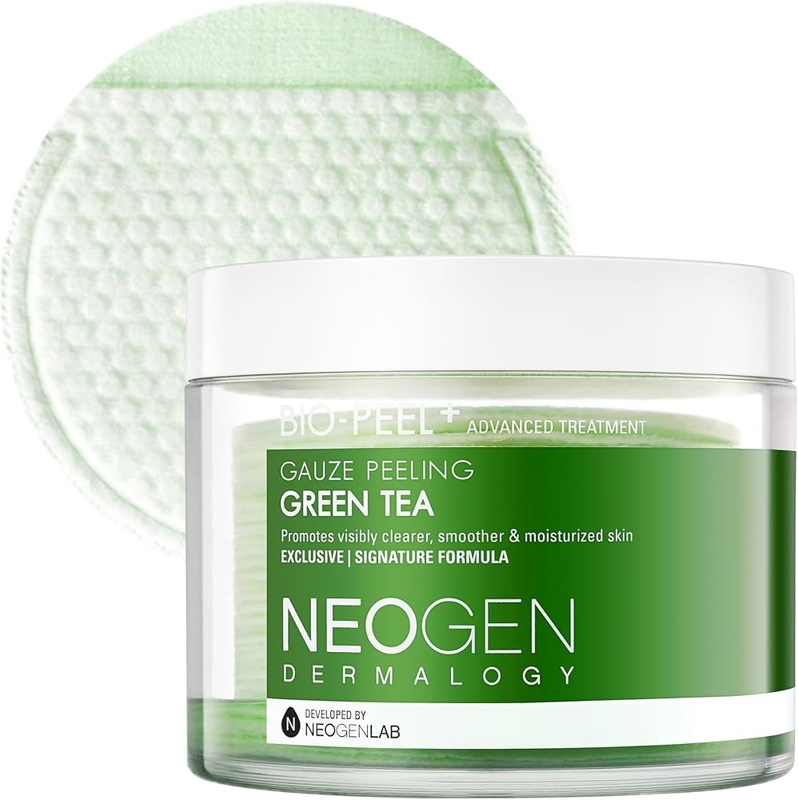
Recommended for your aging: Green Tea - matches the reviewed ingredient list
Key ingredients: Green Tea, Lactic Acid
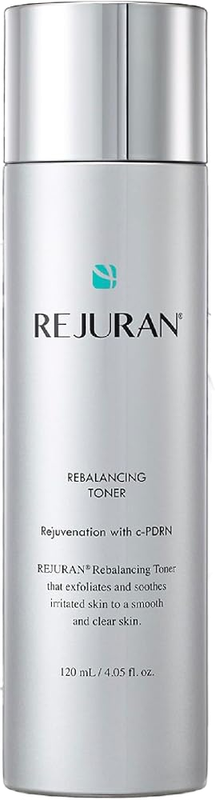
Night barrier support: c-PDRN helps keep the skin barrier steady so treatment steps are easier to tolerate.
Key ingredients: c-PDRN
Night barrier support: Fermented Ginseng helps keep the skin barrier steady so treatment steps are easier to tolerate.
Key ingredients: Lactobacillus/Panax Ginseng Root Ferment Filtrate, Niacinamide
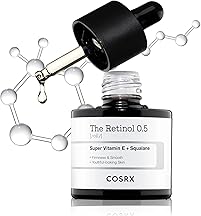
Recommended for your aging: Retinol 0.5% - matches the reviewed ingredient list
Key ingredients: Retinol 0.5%, Squalane
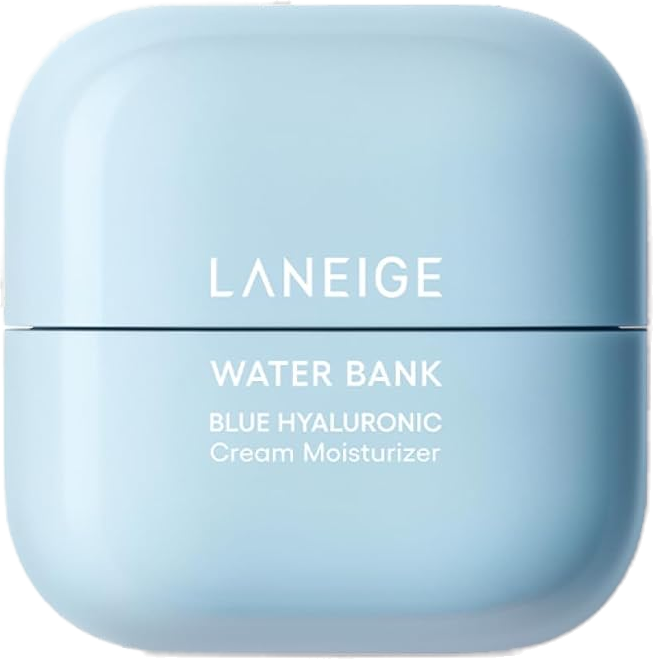
Recommended for your aging: Hyaluronic Acid - matches the reviewed ingredient list
Key ingredients: Hyaluronic Acid, Panthenol
Why this routine works
Combination skin needs anti-aging actives in textures that do not overload the T-zone or underfeed the cheeks.
Why this routine fits
Combination skin ages unevenly. Your oily T-zone holds up longer, but drier cheeks and the eye area lose firmness first. A water-gel moisturizer keeps pores clear on the T-zone while a vitamin C serum protects both zones from UV damage in the morning. Retinol at night treats wrinkles across the whole face. The oilier areas actually handle retinol better than dry patches do. Skip heavy creams entirely for this skin type.
The best anti-aging routine is the one you can repeat. Texture fit matters because consistency is the treatment.
How to use the routine
AM note
Use lightweight antioxidant layers and sunscreen. Add more moisturizer only where skin feels dry.
PM note
Alternate renewal nights with barrier nights so combination skin stays even.
What to expect
Week 1
Skin should feel calmer and less stripped.
Weeks 2-4
Oil, texture, or tightness should start to shift.
Weeks 6-8
Tone and resilience are easier to judge.
Why these ingredients show up
Ingredient logic
Retinol
ProvenSpeeds up skin cell turnover and boosts collagen (the protein that keeps skin bouncy). Your oilier T-zone handles it better than dry patches.
Best for Visible wrinkles across the whole face. Combination skin tolerates retinol faster than dry skin does.
Vitamin C (L-ascorbic acid)
ProvenBlocks the enzyme that breaks down collagen and neutralizes UV damage in real time. Water-based formulas work across both zones.
Best for Sun damage and uneven tone. Pick a water-based serum so it absorbs cleanly on oilier areas.
Niacinamide
ProvenFades age spots by stopping pigment from spreading into new skin cells. Also keeps oil in check on your T-zone.
Best for Combination skin with both aging and oil concerns. Works at 4% to 10% in gel-cream or emulsion formats.
Peptides (palmitoyl pentapeptide-4)
StudiedTells your skin to build more collagen without the dryness or peeling that retinol can cause. Safe for morning and night.
Best for Anti-aging with zero irritation risk. Good for the days you skip retinol or as a standalone option.
Hyaluronic acid
ProvenHolds up to 1000 times its weight in water in your skin's outer layer. Adds hydration without adding oil.
Best for Plumping dehydrated areas without making oily zones worse. Layer it under a gel-cream for best results.
How products were chosen
Why these products won
We pick anti-aging products for combination skin by checking whether they work on the whole face without clogging the T-zone. Gel-creams and light emulsions beat heavy creams. Vitamin C, retinol, and peptides score highest for wrinkle reduction with published backing.
Build an anti-aging routine for combination skin.
Answer 9 questions. Koracle checks fit, conflicts, texture, and evidence.
Build my routine →Common questions
How does retinol affect the T-zone versus dry areas on combination skin?
Retinol speeds up cell turnover everywhere, but the T-zone tolerates it better. More oil means a stronger barrier. Apply a thin, even layer across your whole face. Then dab a light moisturizer over any drier areas right after. Avoid spot-applying retinol only to dry patches. Uneven use leads to uneven results and makes it harder to tell when you need to adjust your dose.
What moisturizer textures work for anti-aging without making the T-zone oily?
Gel-cream hybrids and light emulsions absorb in about 30 seconds and leave no film. Heavy creams with petrolatum or shea butter listed first will sit on oily areas and clog pores. For aging combination skin, a gel-cream with niacinamide or ceramides handles both wrinkles and oil control. You do not need separate products for different face zones.
When should I apply vitamin C serum for anti-aging on combination skin?
Morning, after toner and before moisturizer. L-ascorbic acid at 10% to 20% needs an acidic pH (around 2.5 to 3.5) to absorb properly, so apply it on clean skin or after a low-pH toner. Humbert et al. (2003) found that 5% vitamin C cream produced significant photoaging improvements over 6 months in a double-blind trial. Morning application followed by SPF gives you the most benefit because vitamin C neutralizes UV-generated free radicals as they form.
Do antioxidant serums help with aging on combination skin?
Yes, mainly against sun damage. UV radiation creates reactive oxygen species that break down collagen. Antioxidants like vitamin C, vitamin E, and resveratrol interrupt that chain reaction before it does lasting harm. For combination skin, pick a water-based antioxidant serum for the morning. Oil-based versions add shine to the T-zone without any extra anti-aging benefit.
Do I need retinol in my 20s, or can I wait until I see wrinkles?
You can wait. SPF is the only anti-aging step worth starting before you see signs of aging. Vitamin C in your mid-20s adds antioxidant protection. Retinol usually makes sense once fine lines start showing, which is late 20s to early 30s for most people. Starting retinol too early won't cause harm, but there's no measurable benefit if your skin isn't showing age yet. Peptides are gentle enough for any age.
How we pick products
We pick anti-aging products for combination skin by checking whether they work on the whole face without clogging the T-zone. Gel-creams and light emulsions beat heavy creams. Vitamin C, retinol, and peptides score highest for wrinkle reduction with published backing.
See your full formula-checked routine with product swaps and price tiers.
View Full RoutineWant a routine tailored to your skin?
Take the 2-minute quiz and Koracle checks formulas, evidence, texture, and conflicts.
Build my anti-aging routine