
Rice Extract in K-Beauty: What the Brightening Evidence Actually Shows

In this article
You have seen the claim a hundred times on your feed: rice water is the centuries-old secret to glass skin, and the rice extract in your essence is going to fade your dark spots. The before-and-afters look real. The packaging is calm and beige. Everything about it feels right.
The brightening part is where it gets complicated.
TL;DR
Rice extract is a solid hydrator and mild antioxidant, but the direct evidence for fading hyperpigmentation is weak. Most of the brightening data is on isolated rice compounds, not the extract on your label.
What rice extract actually is
Rice extract is not one ingredient, it is a category. On your INCI list you might see Oryza Sativa (Rice) Extract, Oryza Sativa Bran Extract, Rice Ferment Filtrate, or Bifida Ferment Lysate paired with rice. These are not interchangeable.
Whole rice extract contains starches, small amounts of amino acids, and trace antioxidants like ferulic acid and gamma-oryzanol. Rice ferment, made by breaking rice down with yeast or lactobacillus, releases more bioavailable amino acids, peptides, and organic acids. The ferment is usually the more interesting ingredient.
How the brightening claim got built
The marketing story goes like this: women in the Heian period rinsed their hair with rice water, their skin glowed, therefore rice extract brightens. The historical detail is real. The mechanism leap is not.
What actually has brightening data is ferulic acid, a phenolic compound found in rice bran. Lin et al. (2005) found that ferulic acid stabilizes vitamin C and doubles its photoprotection. But the concentration of ferulic acid in a standard rice extract is small, and that paper tested isolated ferulic acid, not rice extract as a whole.
Gamma-oryzanol, another rice bran compound, has shown UV-protective effects in vitro. Again: not the same as your essence fading a dark spot in eight weeks.
The brightening claim borrows credibility from compounds that are barely present in the final formula.
What rice extract is actually good at
Hydration and surface smoothing are where the evidence holds up. Rice ferment filtrate is rich in amino acids that act as natural moisturizing factors, the same family of humectants your skin already produces. A 2018 trial on Galactomyces ferment (a close cousin in mechanism) reported measurable improvements in skin texture and sebum balance after four weeks.
The "glow" people see from rice extract is usually:
- Better hydration, which reflects light more evenly
- Mild surface exfoliation from ferment acids
- Antioxidant support that reduces dullness over time
That is a real effect. It is just not the same as fading melasma or post-inflammatory hyperpigmentation.
Paid links: Koracle may earn from qualifying purchases. Details.
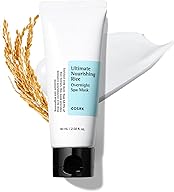
View on Amazon. Amazon shows final price and availability.
The COSRX overnight mask leans into what rice does well: surface hydration and overnight smoothing. The "dark spots" claim on the label is generous. Use it as a hydrating treatment, not a pigment corrector.
Where rice extract fits in a real routine
If your goal is hydration and a softer surface, rice extract earns its place. Rice ferment essences and milky lotions layer well under almost anything and rarely irritate.
Paid links: Koracle may earn from qualifying purchases. Details.
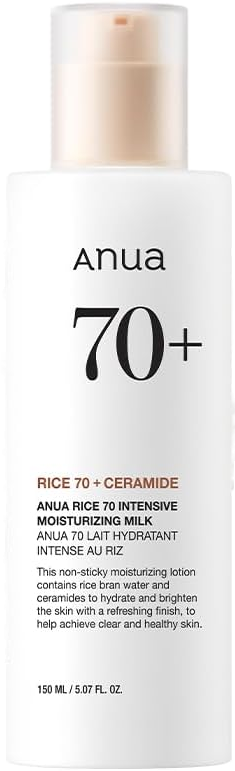
View on Amazon. Amazon shows final price and availability.
This rice ferment milk is a good example of the category at its best. It is gentle, hydrating, and useful as a midweight layer for dry or dull skin. Just calibrate your expectations to "smoother and plumper," not "spots gone."
Targeting dark spots specifically? Let's match you to ingredients with the data to back it up.
Answer 9 questions. Koracle checks fit, conflicts, texture, and evidence.
Build my routine →What to use instead for actual dark spots
If hyperpigmentation is the goal, you want ingredients with direct evidence on the pigment pathway. Niacinamide blocks melanosome transfer. Tranexamic acid interrupts the plasmin pathway that drives melasma. Alpha-arbutin slows tyrosinase. Azelaic acid does both anti-inflammatory and tyrosinase work.
A 5% niacinamide serum has stronger fade data after eight to twelve weeks than any rice extract on the market. That is not a knock on rice. It is a reminder that "brightening" on a label can mean three different things, and the rice version usually means hydration-driven luminosity, not pigment correction.
The bottom line
Rice extract is a good hydrator and a fine antioxidant, and rice ferments are genuinely useful for softening surface texture. The brightening marketing borrows credibility from isolated compounds that barely show up in the final product. Use rice extract for what it actually does, and pick a different active when dark spots are the real concern.
Common Questions
Does rice extract actually fade dark spots?↓
The direct evidence for rice extract fading existing dark spots is thin. Most clinical data is on rice-derived ferments and isolated compounds like ferulic acid, not whole rice water. If hyperpigmentation is your main concern, niacinamide, tranexamic acid, or alpha-arbutin have stronger trial data.
What's the difference between rice extract and rice ferment?↓
Rice extract is the plant material steeped in water or glycerin. Rice ferment is rice broken down by yeast or lactobacillus, which releases smaller molecules like amino acids and peptides. Ferments generally have better data for hydration and skin softness.
Can I use rice extract every day?↓
Yes. Rice extract and rice ferment are well-tolerated across skin types, including sensitive. The main risk is over-relying on it for results it does not actually deliver, like fading post-acne marks.
Is rice water the same as rice extract in skincare?↓
Close, but not identical. DIY rice water is unstable, unpreserved, and varies in concentration. Skincare-grade rice extract is standardized and stabilized, which is why the TikTok DIY versions are not a fair comparison to formulated products.
Turn what you learned into a routine that fits your skin.
Answer a few questions and Koracle will check formula fit, budget, tolerance, and routine order.
Build my formula-checked routine