
Heartleaf (Houttuynia Cordata) in K-Beauty: Antimicrobial, Calming, and Acne Control
In this article
Houttuynia cordata (heartleaf or eoseongcho in Korean) grows wild across East Asia and has been used in traditional medicine as an antimicrobial herb for centuries. The active compound responsible for the antimicrobial effect is decanoyl acetaldehyde (also called lauraldehyde), which disrupts bacterial cell membranes. Lu et al. (2006) showed that Houttuynia cordata extract inhibited growth of Staphylococcus aureus and Propionibacterium acnes at MIC values of 0.5-1 mg/mL. K-beauty adopted heartleaf starting around 2018, primarily in toners and pads for oily, acne-prone skin. The anti-inflammatory pathway is separate from the antimicrobial one: quercitrin and other flavonoids in the extract inhibit NF-kB signaling and reduce IL-1beta and IL-6 production.
A weed that helps reduce acne-related bacteria. Heartleaf's antimicrobial compound was identified decades ago, but K-beauty made it mainstream.
Decanoyl acetaldehyde disrupts bacterial cell membranes
The volatile compound in Houttuynia cordata penetrates bacterial lipid bilayers and causes lysis. Active against both gram-positive (S. aureus, P. acnes) and some gram-negative bacteria.
Quercitrin flavonoids calm NF-kB-driven inflammation
The anti-inflammatory effect is separate from the antimicrobial one. Quercitrin and isoquercitrin suppress NF-kB nuclear translocation, reducing production of IL-1beta, IL-6, and TNF-alpha in irritated skin.
Antioxidant flavonoid profile scavenges UV-generated ROS
Heartleaf extract contains afzelin, quercitrin, and isoquercitrin, all of which have documented radical-scavenging activity. Park et al. (2014) measured 42% reduction in IL-6 in UV-exposed keratinocytes.
Myth: Heartleaf toner can replace prescription acne medication.
Reality: Heartleaf inhibits P. acnes growth at 0.5 mg/mL in lab conditions, which is a real antimicrobial effect. But prescription benzoyl peroxide kills P. acnes at lower concentrations and penetrates deeper into follicles. Tretinoin addresses the comedone formation that heartleaf does not touch. Heartleaf is best for mild acne and post-breakout calming, not as a sole treatment for moderate or severe acne.
Clinical benefits
Antimicrobial activity against P. acnes
Houttuynia cordata extract inhibited P. acnes growth at a minimum inhibitory concentration of 0.5 mg/mL and S. aureus at 1 mg/mL. The antimicrobial activity was attributed primarily to decanoyl acetaldehyde and methyl n-nonyl ketone.
Lu et al., 2006, Journal of Ethnopharmacology
Anti-inflammatory cytokine suppression
In UV-irradiated human keratinocytes, Houttuynia cordata extract at 100 microg/mL reduced IL-6 by 42% and TNF-alpha by 35%. The flavonoid fraction (quercitrin-enriched) was more effective than the whole extract, confirming quercitrin as the primary anti-inflammatory compound.
Park et al., 2014, Phytotherapy Research
Sebum regulation
A small Korean study of 20 subjects using 5% Houttuynia cordata extract for 4 weeks measured a 23% reduction in sebum output on the T-zone. The mechanism is not fully elucidated but may involve 5-alpha-reductase inhibition by the flavonoids.
Korean clinical pilot study, 2018
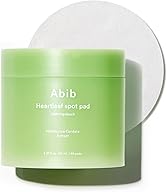
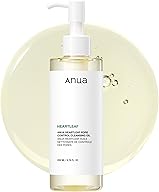
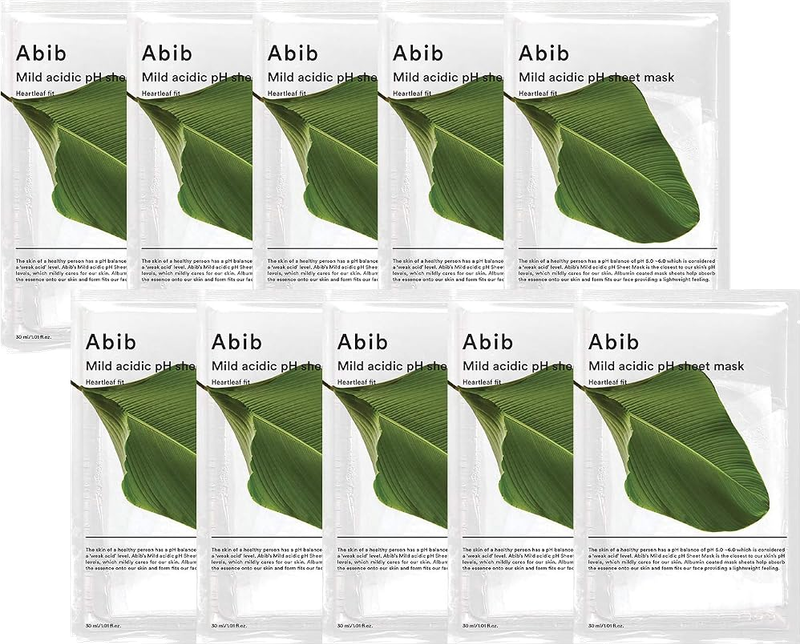
Products with heartleaf extract
Paid links: Koracle may earn from qualifying purchases. Details.
Skin types
Heartleaf extract is best suited to oily, acne-prone, and sensitive skin types. Its antimicrobial and anti-inflammatory properties directly address acne pathogenesis without the dryness of benzoyl peroxide or the irritation of retinoids. Dry skin can use it for calming but will not get significant moisturizing benefit. Allergic reactions are rare but have been reported in individuals sensitive to Saururaceae family plants.
Effective concentrations
Found in moisturizers and creams. Mild anti-inflammatory and antioxidant effect.
K-beauty toner pads often use heartleaf extract as a primary active at these levels.
Products where heartleaf water is the solvent base (like Anua toner at 77%). High nominal concentration, but the active compounds within are dilute.
Pairs well with
Centella asiatica
Both are calming ingredients that target inflammation through different pathways. Centella supports firmer-looking skin through TGF-beta; heartleaf adds antimicrobial action. The combination covers calming, repair, and acne prevention.
Niacinamide
Niacinamide regulates sebum and strengthens the barrier while heartleaf handles the antimicrobial and anti-inflammatory work. A common pairing in K-beauty acne routines.
Tea tree oil
Both have antimicrobial activity against P. acnes but through different mechanisms (decanoyl acetaldehyde vs. terpinen-4-ol). Not redundant, but monitor for irritation if using both at high concentrations.
The bottom line
Heartleaf extract is a well-tolerated calming and antimicrobial ingredient with documented activity against P. acnes. The evidence base is mostly in vitro and from small Korean studies, but the results are consistent: it reduces bacterial growth, calms inflammation, and soothes irritated skin. It is not a substitute for prescription acne treatments (benzoyl peroxide, tretinoin) for moderate to severe acne. For mild acne and general calming, it is one of the better K-beauty actives in the 'gentle but effective' category.
Common questions
Is heartleaf the same as dokudami (Japanese) or yu xing cao (Chinese)?
Yes. Houttuynia cordata goes by different names across East Asia: eoseongcho in Korean, dokudami in Japanese, and yu xing cao (fish mint) in Chinese. It is the same species. The Korean skincare industry popularized it as 'heartleaf' for international markets, named after the heart-shaped leaves.
Can I use heartleaf toner every day?
Yes. Heartleaf is gentle enough for twice-daily use. It does not cause photosensitivity or exfoliation. The main reason to reduce frequency would be if you experience rare allergic contact dermatitis (redness, itching at application site). Patch test first if you have plant allergies.
Does heartleaf work for cystic acne?
Heartleaf addresses surface bacteria and inflammation, which are two of the four acne pathogenesis factors. It does not address the other two: excess keratinization (follicle clogging) and hormonal sebum overproduction. For cystic acne, heartleaf works as an adjunct to prescription treatments (tretinoin, antibiotics), not as a standalone solution.
Why do some heartleaf products smell fishy?
Houttuynia cordata's common name in Chinese is 'fish mint' because the fresh plant has a fishy odor from trimethylamine. Most skincare-grade extracts are processed to remove this compound. If your product smells fishy, it may use a less refined extract. The odor does not affect efficacy.
Find products with Heartleaf Extract matched to your skin.