
c-PDRN in K-Beauty: Salmon DNA Alternative

In this article
c-PDRN is the lab-synthesized version of PDRN (polydeoxyribonucleotide). Instead of extracting DNA fragments from salmon sperm, c-PDRN is built through enzymatic polymerization of nucleotide monomers in controlled conditions. The result is the same class of molecule: polynucleotide chains of 50-1500 kDa that activate A2A adenosine receptors on fibroblasts. The advantage is consistency and ethics. Natural PDRN varies in fragment size distribution batch to batch because it depends on the source material and enzymatic digestion process. c-PDRN can be manufactured to a tighter molecular weight specification. It also sidesteps fish-derived sourcing, which matters for vegan consumers and those with fish allergies. The A2A receptor mechanism is identical: both trigger cAMP increase, VEGF upregulation, and fibroblast proliferation.
Same molecule, no salmon. Whether synthetic polynucleotides perform identically in skin is the question nobody has answered with a head-to-head trial yet.
Enzymatic synthesis produces identical polynucleotide chains
c-PDRN is built from nucleotide monomers (dATP, dTTP, dGTP, dCTP) using DNA polymerase in a controlled reaction. The resulting chains have the same phosphodiester backbone as salmon-derived PDRN.
Same A2A receptor binding mechanism
Polynucleotide fragments bind A2A purinergic receptors regardless of their biological or synthetic origin. The receptor responds to the nucleotide structure, not the species source.
No fish allergen risk
Natural PDRN purification removes most allergenic proteins, but trace contamination is possible. c-PDRN contains zero animal protein because it starts from pure nucleotide building blocks.
Myth: c-PDRN is more effective than natural PDRN because it is purer.
Reality: c-PDRN has more consistent molecular weight distribution, but 'purer' does not mean more effective. Natural PDRN's heterogeneous fragment sizes may actually provide broader receptor activation across different cell types. No head-to-head clinical trial has compared the two. The main advantage of c-PDRN is sourcing consistency and avoiding animal-derived ingredients, not superior efficacy.
Clinical benefits
A2A receptor activation (by mechanism analogy)
The polynucleotide structure of c-PDRN binds A2A receptors through the same nucleotide-receptor interaction documented for natural PDRN. In vitro cell binding assays confirm A2A engagement by synthetic polynucleotides.
Mechanism extrapolated from Guizzardi et al., 2003, Cell Proliferation (natural PDRN study)
Consistent molecular weight distribution
Enzymatic synthesis allows control over chain length distribution. Natural PDRN varies by batch depending on the enzymatic digestion conditions and source material quality. c-PDRN can be manufactured to a tighter specification.
Korean cosmetic ingredient manufacturer data, 2021
Allergen-free formulation
c-PDRN contains no fish proteins, eliminating the theoretical risk of allergic reaction in fish-allergic individuals. Natural PDRN purification removes most proteins but cannot guarantee zero contamination.
Product safety assessments from Korean regulatory filings
Products with c-pdrn
Paid links: Koracle may earn from qualifying purchases. Details.
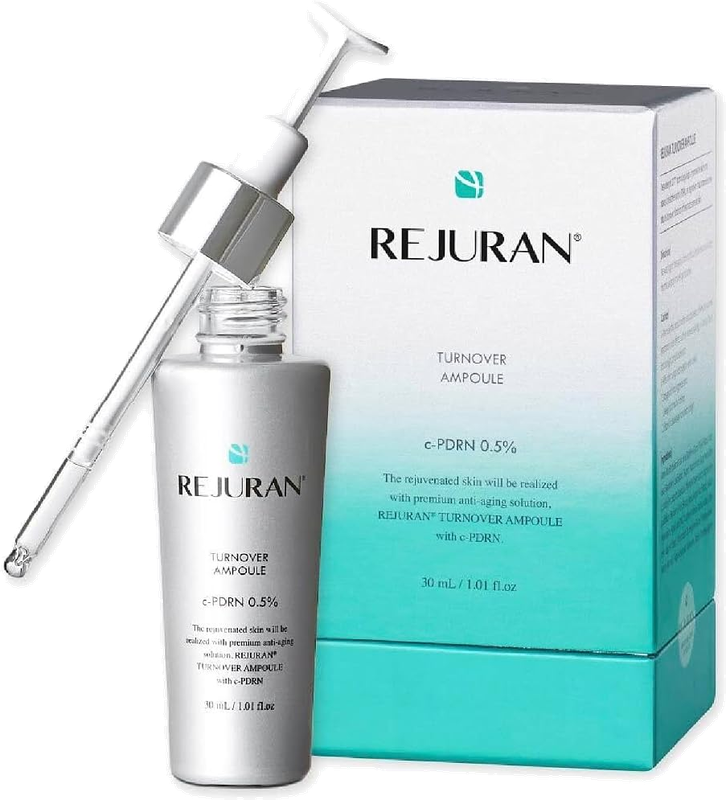
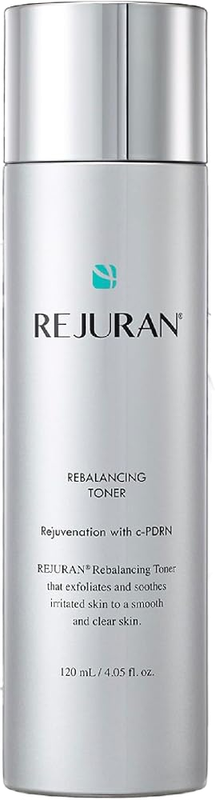

Skin types
c-PDRN is suitable for all skin types, with the same profile as natural PDRN. Sensitive skin and post-procedure skin may benefit most from the anti-inflammatory and regenerative properties. The absence of animal-derived proteins makes it a safer choice for people with fish allergies. Oily skin can use it in lightweight serum formats without concerns about comedogenicity.
Effective concentrations
Surface hydration and mild calming. Same range as natural PDRN products.
Higher concentration. Limited topical evidence at any dose due to penetration barrier.
Pairs well with
Hyaluronic acid
HA provides immediate hydration while c-PDRN supplies nucleotide fragments for cell repair signaling. Both are hydrophilic and layer well in serum format.
Centella asiatica
Centella's asiaticoside targets collagen through TGF-beta, while c-PDRN targets it through A2A/cAMP/VEGF. Different receptor pathways for additive repair signaling.
Niacinamide
Niacinamide strengthens the barrier through ceramide synthesis. c-PDRN supports cell proliferation. Complementary mechanisms without interaction concerns.
Avoid combining with
Strong exfoliating acids (AHA/BHA 10%+)
Low pH can hydrolyze phosphodiester bonds in the polynucleotide chains. Separate acid and c-PDRN application by 20 minutes or use at different times of day.
The bottom line
c-PDRN offers the same A2A receptor mechanism as salmon-derived PDRN without the animal sourcing. The theoretical basis is sound: the polynucleotide chains are structurally identical. The limitation is that c-PDRN lacks its own clinical trial history. Most evidence is extrapolated from natural PDRN studies. If you want PDRN benefits but avoid fish-derived ingredients, c-PDRN is the logical choice. The same topical penetration limitations apply: molecules of 50-1500 kDa face the 5 kDa stratum corneum barrier regardless of whether they are natural or synthetic.
Common questions
Is c-PDRN vegan?
Yes. c-PDRN is synthesized from nucleotide monomers through enzymatic polymerization without any animal-derived starting materials. This is the primary advantage over natural PDRN, which is extracted from salmon sperm DNA.
Is c-PDRN as effective as salmon-derived PDRN?
In theory, yes. The polynucleotide chains are structurally identical and bind the same A2A receptor. In practice, no head-to-head clinical trial has been published comparing the two. The efficacy assumption is based on structural and mechanistic equivalence, not direct clinical comparison.
Does topical c-PDRN penetrate the skin?
The same penetration limitations apply as with natural PDRN. At 50-1500 kDa, the molecules are well above the 5 kDa stratum corneum cutoff. Most topical c-PDRN stays on the surface or upper epidermis. For dermal delivery, professional treatments (microneedling) are needed.
Why is c-PDRN more expensive than natural PDRN?
Enzymatic synthesis of polynucleotides requires purified enzymes, controlled reaction conditions, and quality control for molecular weight consistency. Salmon-derived PDRN uses a simpler extraction and purification process from an abundant natural source. As synthetic production scales up, the price gap is narrowing.
Find products with c-PDRN matched to your skin.