
PDRN in Korean Skincare: Salmon DNA, Tissue Regeneration, and the Science

In this article
PDRN (polydeoxyribonucleotide) earned its reputation in operating rooms, not beauty aisles. Extracted from salmon (Oncorhynchus keta) sperm DNA, it spent its first years in medicine as an injectable for diabetic ulcer recovery and post-filler recovery. The mechanism is real: PDRN fragments bind A2A adenosine receptors on cell surfaces, triggering VEGF release and fibroblast proliferation. Squadrito et al. (2017) confirmed it in a randomized trial. PDRN injections accelerated wound closure by 40% in diabetic foot ulcer patients. K-beauty adopted it into topical serums and ampoules around 2020. The honest question your ampoule label won't answer: does topical application get enough PDRN into your dermis to activate the same receptor pathway that works when injected?
Born in wound care, adopted by K-beauty. Whether topical PDRN replicates what injections do is the open question.
Activates A2A adenosine receptors on fibroblasts
PDRN fragments bind the A2A receptor, triggering intracellular cAMP increase. This upregulates VEGF production and stimulates fibroblast proliferation and firmer-looking skin support.
Increases VEGF release for tissue regeneration
Vascular endothelial growth factor promotes new blood vessel formation, improving nutrient delivery to recovery or aging skin. This is the mechanism behind PDRN's wound-recovery success.
Molecular weight may limit topical penetration
PDRN fragments range from 50 to 1500 kDa. The stratum corneum blocks molecules above 5 kDa. Without delivery systems (microneedling, iontophoresis), most PDRN stays on the skin surface.
Myth: Topical PDRN serums regenerate skin the same way PDRN injections do.
Reality: Injectable PDRN delivers the compound directly to the dermis where A2A receptors sit on fibroblasts. Topical PDRN faces the stratum corneum barrier, and at 50-1500 kDa molecular weight, most fragments cannot penetrate. Topical PDRN serums likely provide surface-level hydration and some anti-inflammatory benefit from the nucleotide fragments, but the tissue regeneration seen in injection studies requires dermal delivery.
Clinical benefits
Accelerated skin recovery
A randomized controlled trial of 216 diabetic foot ulcer patients found PDRN injections reduced recovery time by 40% compared to placebo over 8 weeks. Complete wound closure occurred in 73% of the PDRN group versus 47% in controls.
Squadrito et al., 2017, Journal of Clinical Medicine
Fibroblast proliferation
In vitro studies on human dermal fibroblasts showed PDRN at 100 microg/mL increased cell proliferation by 30-40% over 72 hours. The effect was blocked by A2A receptor antagonists, confirming the mechanism.
Guizzardi et al., 2003, Cell Proliferation
VEGF upregulation and angiogenesis
PDRN increased VEGF expression 2.5-fold in hypoxic conditions in a rat skin flap model. New capillary formation improved tissue oxygenation and nutrient delivery to the treatment area.
Polito et al., 2012, European Journal of Pharmacology
Anti-inflammatory effects
A2A receptor activation by PDRN suppresses TNF-alpha and IL-6 in inflamed tissue. A Korean clinical study on post-laser skin showed PDRN ampoule application (with microneedling) reduced redness recovery time from 7 days to 4 days.
Kim et al., 2019, Biomedical Dermatology
Products with pdrn
Paid links: Koracle may earn from qualifying purchases. Details.
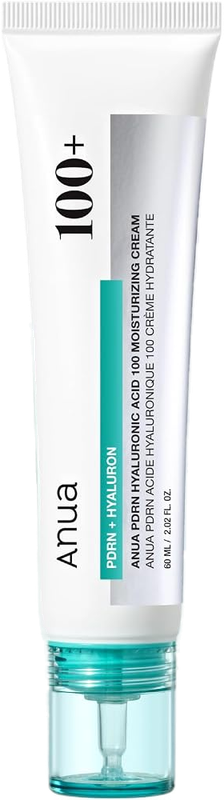
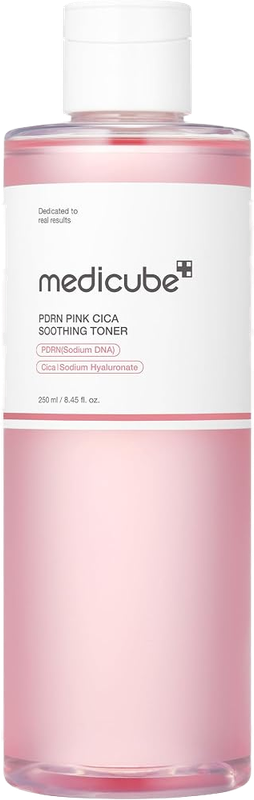
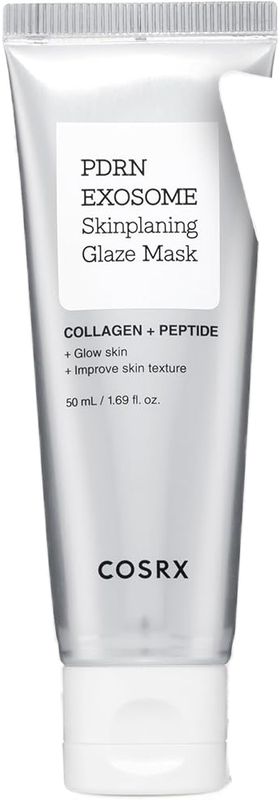
Skin types
PDRN is well tolerated across all skin types: non-comedogenic, no photosensitivity risk. If your skin is sensitive or recently post-procedure, the anti-inflammatory properties are the most relevant benefit. Oily skin handles it fine in lightweight serum formats. One flag: the salmon DNA origin means you should exercise caution if you have a fish allergy, even though purification removes most allergenic proteins. Patch test first.
Effective concentrations
Most commercial PDRN ampoules fall in this range. Surface hydration and mild calming.
Higher-end ampoules. May improve skin texture over 4-8 weeks. Limited topical studies at this concentration.
The concentration used in wound-recovery and aesthetic medicine studies. Not applicable to topical products.
Pairs well with
Hyaluronic acid
HA hydrates the epidermis while PDRN provides nucleotide fragments for cell repair. The combination targets hydration and repair simultaneously.
Centella asiatica
Both are calming and wound-recovery ingredients. Centella's asiaticoside supports firmer-looking skin through a different pathway (TGF-beta) than PDRN's A2A receptor mechanism.
Niacinamide
Niacinamide supports barrier support through ceramide synthesis. PDRN supports cell proliferation. Both reduce inflammation through different receptor pathways.
Avoid combining with
Strong exfoliating acids (AHA/BHA 10%+)
Acids at high concentration can denature the polynucleotide chains. Use them at different times of day.
The bottom line
PDRN has strong clinical evidence as an injectable for skin recovery and tissue regeneration. The A2A receptor mechanism is well documented. The gap is in topical evidence: most published studies used injections or microneedling delivery, not standalone topical application. K-beauty PDRN serums may deliver some benefit through surface hydration and mild anti-inflammatory effects, but claiming the same tissue regeneration as injectable PDRN is a stretch. If you want the full PDRN effect, it requires professional delivery (microneedling, mesotherapy). As a topical serum, treat it as a hydrating active with potential anti-inflammatory properties.
Common questions
Is PDRN the same as salmon sperm?
No. PDRN is extracted from salmon sperm DNA through a multi-step purification process that removes all proteins, peptides, and other cellular components. The final product is pure polydeoxyribonucleotide fragments. No intact sperm cells or reproductive material remains.
Does topical PDRN actually penetrate the skin?
This is the main limitation. PDRN fragments range from 50 to 1500 kDa, and the stratum corneum blocks molecules above 5 kDa. Most topical PDRN likely stays on the surface or upper epidermis. Professional delivery methods (microneedling, iontophoresis) bypass this barrier. Topical serums may provide surface hydration and mild anti-inflammatory effects but probably do not replicate the dermal regeneration seen with injections.
Is PDRN safe for people with fish allergies?
The purification process removes the proteins that cause fish allergies (parvalbumin, collagen, gelatin). However, trace amounts may remain. If you have a severe fish allergy, consult a dermatologist before using PDRN products. Patch testing is recommended.
What is the difference between PDRN and PN (polynucleotide)?
PDRN fragments are 50-1500 kDa, while PN (polynucleotide) includes larger fragments up to 10,000+ kDa. Both activate A2A receptors, but PN has longer polymer chains that may provide more structural support in injectable treatments. For topical use, the distinction matters less because neither penetrates well past the stratum corneum.
Find products with PDRN matched to your skin.