
Panthenol in K-Beauty: The Barrier Ingredient Dermatologists Recommend First
In this article
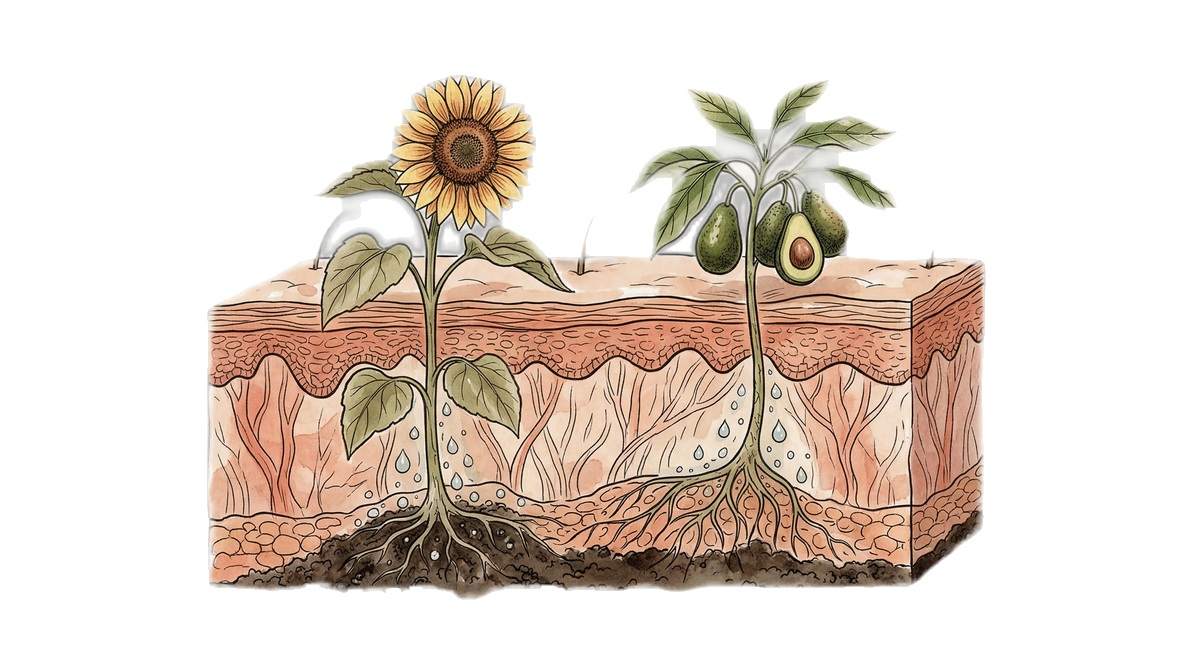
Panthenol is the ingredient dermatologists reach for when everything else has gone wrong. Over-exfoliated from too much retinol? Panthenol. Barrier wrecked after a chemical peel? Panthenol. Skin raw from prescription acne treatment? Panthenol. It converts to coenzyme A inside your skin cells, driving fatty acid synthesis and energy production in dividing cells. That's not a marketing story: it's basic biochemistry. The ingredient shows up in wound care, neonatal skincare, and post-procedure recovery because it works through your cell metabolism, not by sitting on your surface. K-beauty figured out that if panthenol repairs laser-treated skin, it can also repair the daily damage from aggressive actives.
It recovers laser burns, eczema, and diaper rash. Why is it buried at position 15 on your serum label?
Converts to coenzyme A inside your cells
Panthenol is oxidized to pantothenic acid by keratinocyte enzymes, then incorporated into coenzyme A. CoA drives fatty acid synthesis for the lipid barrier and fuels energy production in dividing cells. This is metabolic repair, not surface coating.
37% more hydration at 5% concentration
Double-blind trial showed 5% panthenol cream increased stratum corneum hydration by 37% and reduced TEWL by 23% over 3 weeks. The effect lasted 24 hours after last application.
Safe enough for newborn skin
Panthenol is one of the few actives used in neonatal skincare. Non-comedogenic, non-irritating, pH-independent. It pairs with everything and conflicts with nothing.
Clinical benefits
Skin hydration and moisture retention
A double-blind study of 40 subjects comparing 5% panthenol cream versus vehicle found that panthenol reduced TEWL by 23% and increased stratum corneum hydration by 37% over 3 weeks. The hydration increase was still detectable 24 hours after last application, suggesting panthenol's metabolic activity contributes beyond its immediate humectant effect.
Proksch & Nissen, 2002 — Skin Pharmacology and Applied Skin Physiology
skin recovery acceleration
In a controlled study of 30 patients with skin wounds, 5% dexpanthenol (the d-isomer of panthenol) reduced recovery time by 1.7 days compared to vehicle and increased fibroblast migration by 33%. The recovery effect comes from CoA-driven energy production in actively dividing wound-edge cells.
Ebner et al., 2002 — American Journal of Clinical Dermatology
Anti-inflammatory action
Panthenol reduced UV-induced erythema by 18% in a post-exposure application study. It also decreased pro-inflammatory gene expression (IL-6, IL-8) in irritated keratinocytes in vitro. The anti-inflammatory mechanism is indirect: by supplying CoA for lipid synthesis, panthenol helps cells repair membrane damage faster, which shortens the inflammatory response.
Gehring & Gloor, 2000 — Arzneimittelforschung
Barrier lipid synthesis support
Coenzyme A is the starting substrate for de novo fatty acid synthesis in keratinocytes. Panthenol supplementation increases the pool of available CoA, which allows cells to produce more of the fatty acids and ceramides that form the intercellular lipid barrier. This mechanism is distinct from topical ceramide application because it works from within the cell.
Stettler et al., 2017 — Journal of Dermatological Treatment
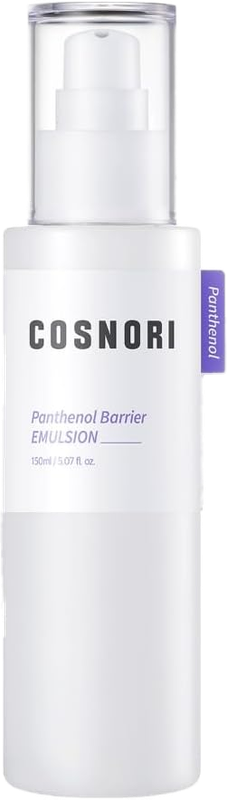
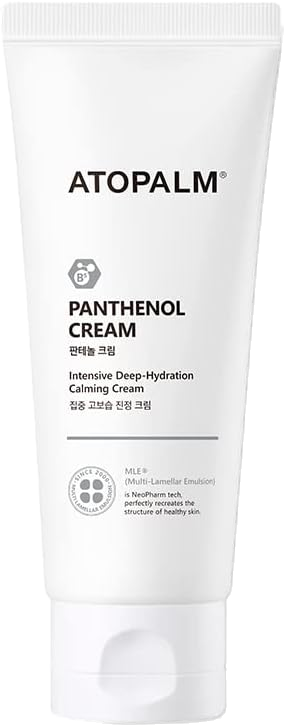
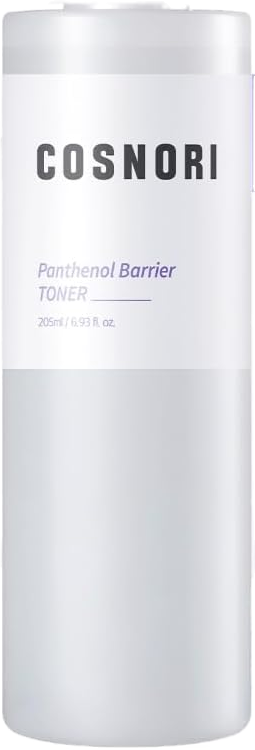
Products with panthenol
Paid links: Koracle may earn from qualifying purchases. Details.
Skin types
Every skin type tolerates panthenol well: it's non-comedogenic, non-irritating, and pH-independent. If your skin is dry or sensitive, you'll feel the most benefit from the combined hydration and barrier support. If you're dealing with acne and using drying treatments like benzoyl peroxide, retinoids, or BHA, panthenol counteracts the dryness without adding oil. It's one of the few actives used in neonatal skincare, which should tell you everything about its tolerability profile.
Effective concentrations
Binds some water in the stratum corneum but the metabolic and wound-recovery benefits are absent at this level. Many K-beauty products fall here.
All the wound-recovery, barrier-support, and anti-inflammatory studies used this range. Look for panthenol or dexpanthenol in the top five ingredients.
No additional benefit shown above 5% in published data, but no adverse effects reported either. Used in dermatologist-recommended post-laser balms.
Pairs well with
Centella asiatica
Centella handles anti-inflammatory signaling and collagen stimulation while panthenol provides hydration and fatty acid precursors. The two are the standard pairing in K-beauty cica products for skin recovery.
Ceramides
Panthenol boosts the cell's ability to produce ceramides internally by supplying coenzyme A. Applying exogenous ceramides on top gives both immediate lipid replacement and a metabolic boost to the skin's own ceramide production.
Madecassoside
Madecassoside is the most anti-inflammatory triterpenoid from centella. Paired with panthenol's wound-recovery acceleration, the combination targets post-procedure recovery from both the skin support and inflammation reduction angles.
The bottom line
Panthenol at 5% is where the wound-recovery and barrier-support data lives. Many K-beauty products list it far down the ingredient list at sub-1% concentrations: at that level you get mild humectant activity and not much else. Check that panthenol or dexpanthenol appears in the top five ingredients. The D-isomer (dexpanthenol) is the biologically active form; DL-panthenol contains 50% inactive L-isomer and needs double the concentration. Panthenol pairs with everything, irritates nobody, and is one of the few actives used in neonatal skincare.
Common questions
Is panthenol the same as vitamin B5?
Not exactly. Panthenol is a provitamin, the precursor to vitamin B5 (pantothenic acid). Skin enzymes convert panthenol to pantothenic acid after it absorbs. The conversion happens inside keratinocytes. Products label it as panthenol, dexpanthenol, D-panthenol, or provitamin B5 depending on the brand. All refer to the same active compound. Pantothenic acid itself is rarely used in topical products because it penetrates skin poorly compared to panthenol.
Why do dermatologists recommend panthenol after laser or chemical peels?
Laser resurfacing and chemical peels strip the stratum corneum and damage the lipid barrier. Recovery requires fibroblast proliferation, fatty acid synthesis, and inflammation control. Panthenol contributes to all three through coenzyme A metabolism. Ebner et al. (2002) showed faster wound closure with 5% dexpanthenol. The ingredient is gentle enough to use on freshly treated skin without risk of irritation, which is why post-procedure balms from brands like La Roche-Posay and Dr. Jart+ feature it prominently.
Can panthenol replace hyaluronic acid for hydration?
They work differently. Hyaluronic acid binds water on the skin surface and in the upper epidermis. Panthenol binds some water as a humectant, but its main hydration benefit comes from boosting the lipid barrier so less water escapes. For acute dehydration, HA gives faster visible plumping. For long-term barrier health and moisture retention, panthenol is more effective. Using both is the standard approach in multi-step K-beauty routines.
Does the concentration of panthenol in K-beauty products actually matter?
Yes. The wound-recovery and barrier-support studies all used 5% dexpanthenol. Many K-beauty products list panthenol far down the ingredient list, meaning the concentration is below 1%. At that level, you get mild humectant activity but miss the metabolic benefits. Look for products where panthenol or dexpanthenol appears in the top five ingredients, or where the brand states the percentage on the label. COSRX, Purito, and Dr. Jart+ disclose concentrations on some of their panthenol-forward products.
Is there a difference between panthenol in a cream versus a serum?
The panthenol molecule absorbs the same way regardless of vehicle format. A 5% panthenol serum and a 5% panthenol cream deliver the same dose. The difference is what surrounds it: creams contain occlusives and emollients that add their own barrier protection, while serums are lighter and layer under other products. For oily skin, a panthenol serum under a light moisturizer avoids heaviness. For dry skin, a panthenol cream gives the lipid boost plus the active in one step.
Find products with Panthenol (Provitamin B5) matched to your skin.