
Ginseng in Korean Skincare: Ginsenosides, Anti-Aging, and What the Research Shows
In this article
Your K-beauty shelf probably already has ginseng in it (in that essence, that sleeping mask, maybe the serum your dermatologist friend swears by). And for once, the hype holds. The active compounds are ginsenosides, steroidal saponins that do two things prescription-grade ingredients also do: stimulate fibroblasts to produce more collagen and suppress NF-kB inflammatory signaling. Kim et al. (2009) measured a 32% increase in type I profirmer-looking skin support in human dermal fibroblasts from ginsenoside Rb1 alone. Red ginseng (the steamed version) carries higher concentrations of Rg3 and Rk1 than unprocessed white ginseng, because steaming converts polar ginsenosides into less polar forms with stronger biological activity. The processing step matters more than the species.
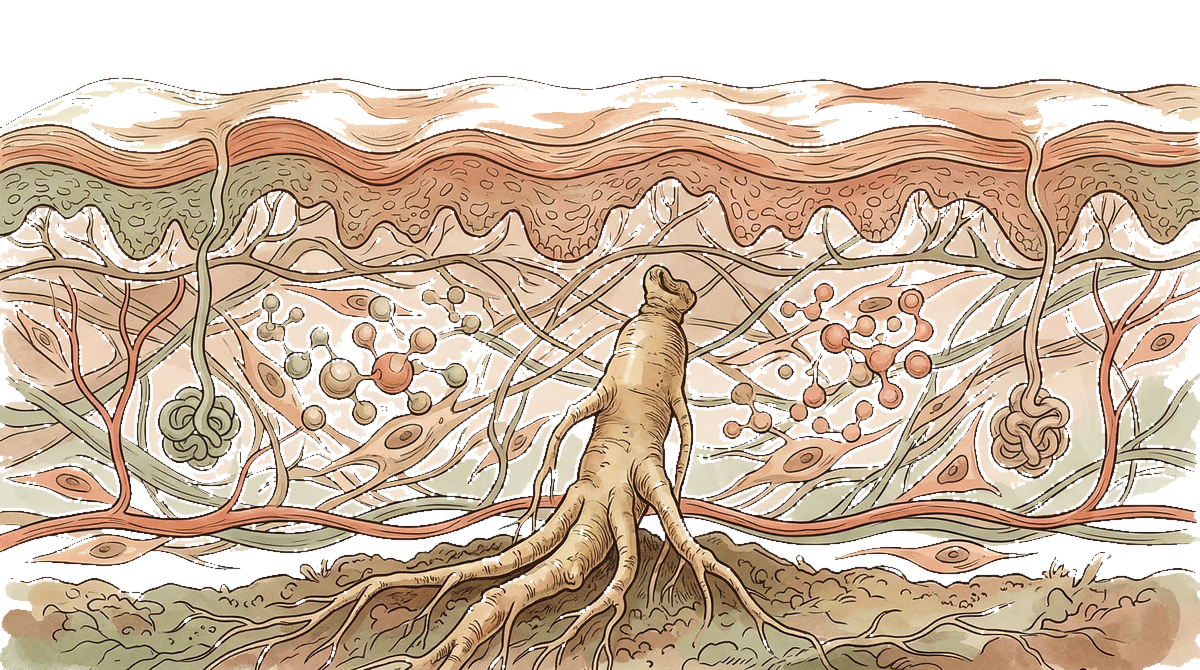
Korea's most studied traditional ingredient has 30+ active compounds. Here's what they do to skin cells.
Ginsenosides increase fibroblast proliferation
Ginsenoside Rb1 stimulates dermal fibroblasts to produce more type I procollagen, the precursor to structural collagen. This is a direct anti-aging mechanism at the cellular level.
Suppresses IL-6 and TNF-alpha inflammatory cytokines
Red ginseng extract reduced inflammatory markers in UV-irradiated skin models. The anti-inflammatory action comes from ginsenosides Rg1 and Rg3 blocking NF-kB signaling.
Antioxidant activity protects against UV-induced photoaging
Ginsenosides scavenge reactive oxygen species and upregulate endogenous antioxidant enzymes (SOD, catalase). A 2015 study showed reduced MMP-1 expression, the enzyme that breaks down collagen after UV exposure.
Myth: All ginseng extracts are the same.
Reality: Red ginseng (steamed) contains ginsenosides Rg3 and Rk1 that white ginseng lacks. The steaming process converts polar ginsenosides into less polar forms with stronger anti-inflammatory and antioxidant activity. Fermented ginseng extracts have smaller molecular weights and better skin penetration. The processing method matters more than the species.
Clinical benefits
Increased firmer-looking skin support
Ginsenoside Rb1 at 10 micromol/L increased type I profirmer-looking skin support by 32% in human dermal fibroblasts over 48 hours. The mechanism runs through TGF-beta pathway activation, the same pathway retinoids use.
Kim et al., 2009, Journal of Medicinal Food
Anti-inflammatory action
Red ginseng extract reduced IL-6 production by 45% and TNF-alpha by 38% in UV-irradiated keratinocytes. The ginsenosides Rg1 and Rg3 block NF-kB nuclear translocation, shutting down the inflammatory cascade at an upstream point.
Kang et al., 2009, Journal of Ethnopharmacology
UV photoprotection
Topical ginseng extract applied before UVB irradiation reduced sunburn cell formation by 50% in a mouse model. The protective effect comes from both direct ROS scavenging and upregulation of endogenous antioxidant enzymes.
Lee et al., 2012, Photochemistry and Photobiology
Wrinkle depth reduction
A randomized controlled trial of 82 Korean women over 40 found that topical 3% red ginseng extract reduced crow's feet wrinkle depth by 15% after 8 weeks versus placebo. Skin elasticity improved by 12% measured by cutometry.
Lee et al., 2015, Journal of Ginseng Research
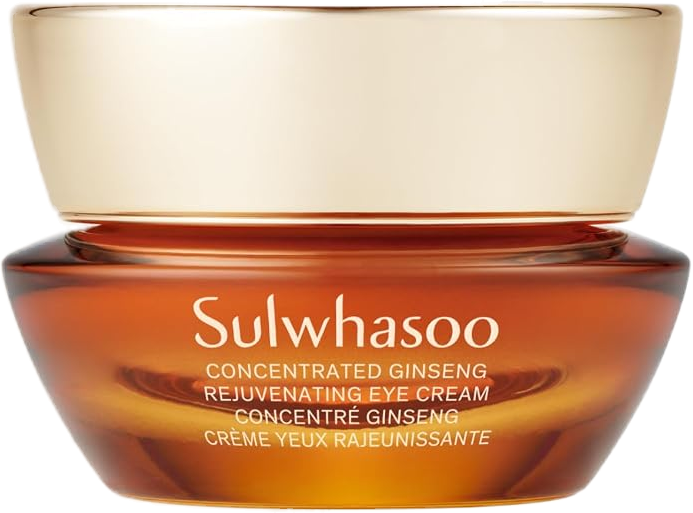
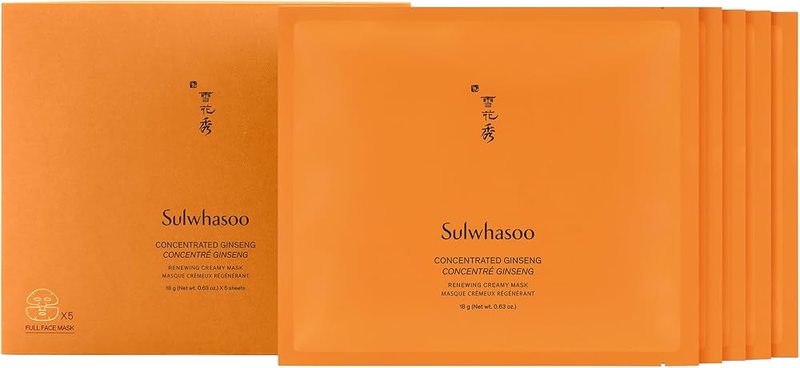
Products with ginseng
Paid links: Koracle may earn from qualifying purchases. Details.
Skin types
Every skin type tolerates ginseng well: it does not exfoliate, sensitize, or cause photosensitivity. If your skin is dry or showing signs of aging, you'll get the most from the fibroblast-stimulating and antioxidant properties. If it's sensitive, the anti-inflammatory ginsenosides work in your favor. Oily skin does fine with ginseng in lightweight essence or serum formats. Allergic reactions are rare but documented if you have Araliaceae family allergies; patch test first.
Effective concentrations
Common in essences and toners. Mild brightening over 4-6 weeks.
Serums and ampoules. Targets wrinkle depth and firmness. Most clinical studies use this range.
Sleeping masks and intensive ampoules. Higher risk of irritation in sensitive skin. Patch test first.
Pairs well with
Niacinamide
Ginseng's antioxidant and anti-inflammatory properties complement niacinamide's barrier support and sebum regulation. Both target skin aging through different pathways.
Hyaluronic acid
HA provides immediate surface hydration while ginseng ginsenosides work on fibroblast stimulation beneath. The combination addresses both surface dryness and deeper structural concerns.
Retinol
Both support firmer-looking skin through TGF-beta signaling. Ginseng's anti-inflammatory properties may help buffer retinol irritation. Use retinol at night and ginseng in the AM.
Avoid combining with
High-concentration AHA/BHA (10%+)
Strong exfoliating acids at high concentrations can degrade ginsenosides before they penetrate. Use acids and ginseng at different times of day.
The bottom line
Ginseng is a legitimate anti-aging and anti-inflammatory ingredient backed by in vitro and small clinical studies. Ginsenosides stimulate firmer-looking skin support and calm inflammation through documented pathways. The evidence base is smaller than retinol or vitamin C, but the mechanism of action is well understood. Best suited for aging and dullness concerns, and gentle enough for sensitive skin.
Common questions
What is the difference between red ginseng and white ginseng in skincare?
Red ginseng is steamed before drying, which converts polar ginsenosides into less polar forms (Rg3, Rk1) with stronger biological activity. White ginseng is air-dried without steaming and retains the original ginsenoside profile. For skincare, red ginseng extracts show stronger anti-inflammatory and antioxidant effects in comparative studies.
How long does ginseng take to show results?
Brightening and calming effects appear within 2-4 weeks. Anti-wrinkle benefits (collagen stimulation, wrinkle depth reduction) take 6-8 weeks in clinical studies. Ginseng works gradually through fibroblast activation, not through rapid surface exfoliation.
Can I use ginseng products every day?
Yes. Ginseng is gentle enough for twice-daily use. It does not cause photosensitivity, so morning application is fine. Most K-beauty ginseng products (essences, serums, creams) are designed for daily use.
Is ginseng safe for sensitive or rosacea-prone skin?
Generally yes. Ginsenosides are anti-inflammatory and suppress the same cytokines (TNF-alpha, IL-6) that drive rosacea flares. Start with a lower concentration (1%) and patch test. Allergic contact dermatitis to ginseng is rare but has been reported in case studies.
Find products with Ginseng matched to your skin.