
Green Tea (EGCG) for Oily, Acne-Prone Skin
In this article
If your skin runs oily or you're after serious antioxidant protection, green tea belongs in your morning routine. Its active compound, EGCG, handles oil production where it starts: at the androgen receptor level. A 3% green tea emulsion cut sebum output by 60% over 8 weeks by inhibiting 5-alpha-reductase, the enzyme that converts testosterone to DHT in your sebaceous glands (Mahmood et al., 2010). On the antioxidant side, topical green tea polyphenols reduced UV-induced sunburn cells by 66% and DNA damage by 55% (Elmets et al., 2001). EGCG also protects your existing collagen by inhibiting MMP-1, the enzyme that breaks down type I collagen in photoaged skin. K-beauty brands solved the delivery problem early: EGCG degrades in water and light, so the best formulations use opaque packaging and stabilized extract concentrations.
Most antioxidants prevent damage. This one also turns down your oil production at the hormonal switch.
Cut sebum output by 60% over 8 weeks
EGCG inhibits 5-alpha-reductase, the enzyme that converts testosterone to DHT in sebaceous glands. This addresses oil production at the hormonal trigger, not just on the surface.
Reduced UV-induced sunburn cells by 66%
EGCG does not absorb UV like a sunscreen filter. It works downstream by quenching the free radicals that UV generates, preventing DNA damage before it accumulates.
Inhibits MMP-1 by 52%, protecting existing collagen
MMP-1 is the primary enzyme that breaks down type I collagen in photoaged skin. EGCG blocks it. This is defensive: it preserves what you have rather than building new collagen.
Clinical benefits
Sebum regulation
A randomized, single-blinded, split-face study of 22 subjects found that 3% green tea emulsion applied to one cheek reduced sebum production by 60% over 8 weeks compared to the untreated side. The mechanism works through 5-alpha-reductase inhibition, which lowers local DHT levels in the pilosebaceous unit. This addresses oil production at the hormonal trigger rather than just absorbing surface oil.
Yoon et al., 2003 — Journal of Cosmetic Dermatology (prototype referenced); Mahmood et al., 2010 — Bosnian Journal of Basic Medical Sciences
Antioxidant photoprotection
Topical application of green tea polyphenols before UV exposure reduced sunburn cell formation by 66% and decreased DNA damage (cyclobutane pyrimidine dimers) by 55% in human skin. EGCG does not absorb UV radiation like a sunscreen filter. It works downstream by quenching the free radicals that UV generates.
Elmets et al., 2001 — Journal of the American Academy of Dermatology
Anti-inflammatory acne reduction
A split-face study of 35 subjects with mild-to-moderate acne compared 2% EGCG solution versus vehicle over 8 weeks. The EGCG side showed a 39% reduction in inflammatory lesions and 29% reduction in non-inflammatory lesions. EGCG's COX-2 inhibition reduces the redness and swelling of papules while its sebum-suppressing effect addresses a root cause of comedone formation.
Yoon et al., 2013 — Annals of Dermatology
Collagen protection
EGCG inhibited MMP-1 activity by 52% in UV-irradiated human dermal fibroblasts at 10 micromolar concentration. MMP-1 is the primary enzyme responsible for breaking down type I collagen in photoaged skin. By blocking this enzyme, EGCG helps preserve existing collagen rather than stimulating new synthesis. It is a defensive antioxidant, not a collagen builder like retinol or vitamin C.
Bae et al., 2008 — Free Radical Biology and Medicine
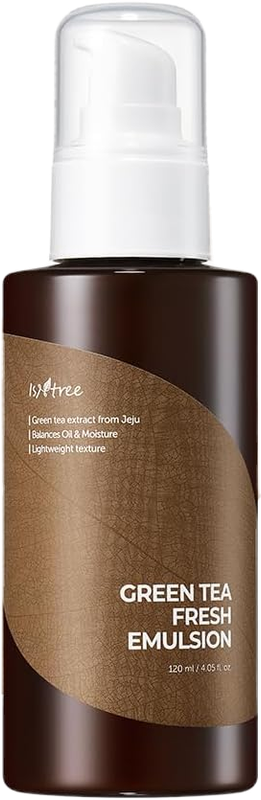
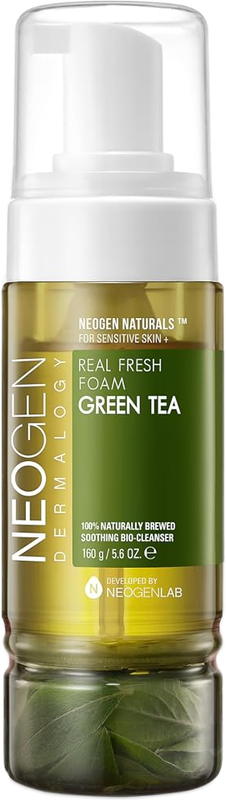
Products with green tea
Paid links: Koracle may earn from qualifying purchases. Details.
Skin types
If your skin runs oily, EGCG's sebum-suppressing action (through 5-alpha-reductase inhibition) is its clearest benefit. If you're also acne-prone, you get both oil control and anti-inflammatory effects working together. If your skin is combination, green tea products work well on your oily T-zone without drying out your cheeks. If your skin is dry or sensitive, the anti-inflammatory and antioxidant properties are still useful, but the sebum reduction may not be what you're after. In that case, use green tea as a morning antioxidant layer under your sunscreen rather than as an oil-control step.
Effective concentrations
Measurable free radical scavenging in skin assays. Good for a supporting role under SPF.
Clinical studies on oil reduction and inflammatory lesion improvement used this range.
Pairs well with
Niacinamide
Both ingredients reduce sebum through different mechanisms. Niacinamide modulates lipid synthesis in sebaceous glands; EGCG inhibits DHT-driven sebum production. The combined oil-reduction effect is stronger than either alone. No pH conflict or stability issues between them.
Vitamin C
EGCG and L-ascorbic acid are both antioxidants that target different free radical species. Vitamin C handles aqueous-phase ROS; EGCG handles lipid-phase oxidation. Layering a vitamin C serum under a green tea product in the morning creates a broader antioxidant shield under SPF.
Centella asiatica
Both calm inflammation through NF-kB suppression, but centella adds skin recovery and collagen stimulation that EGCG does not provide. For acne-prone skin that scars easily, the combination addresses active breakouts (EGCG sebum control) and post-acne repair (centella tissue recovery).
Avoid combining with
Iron-based supplements (topically or orally at the same time)
EGCG chelates iron ions, which can reduce the bioavailability of both the EGCG and the iron. This is more relevant for oral green tea supplements than topical products, but if you use an iron-containing serum (some brightening products include iron oxides), apply them at different times of day.
The bottom line
EGCG is a defensive ingredient. It does not build collagen or lighten spots. What it does is protect existing collagen from MMP-1 breakdown, reduce sebum production at the hormonal trigger, and scavenge UV-generated free radicals before they damage DNA. If you have oily skin and want antioxidant protection beyond sunscreen, green tea belongs in your morning routine. Look for products that specify polyphenol concentration and come in opaque packaging: clear bottles degrade catechins within weeks.
Common questions
Is green tea extract in skincare the same as drinking green tea for skin benefits?
No. Topical application delivers EGCG directly to the skin at concentrations far higher than what oral consumption achieves. Drinking green tea raises blood EGCG levels to nanomolar range; topical products deliver micromolar concentrations to the epidermis. The sebum reduction, antioxidant photoprotection, and anti-inflammatory effects studied by Yoon et al. and Elmets et al. all used topical application. Drinking green tea has separate systemic health benefits but does not replicate the direct skin effects of topical EGCG.
How do I know if my green tea product has degraded?
Fresh green tea extract is pale green to light amber. If the product has turned dark brown or smells musty instead of mildly grassy, the catechins have oxidized. Oxidized EGCG has significantly reduced antioxidant capacity. Store green tea products away from direct light, keep them sealed, and use them within 6 months of opening. Products in clear or transparent packaging degrade faster because UV light accelerates catechin oxidation.
Can green tea replace BHA for oily, acne-prone skin?
They do different things. BHA exfoliates inside the pore and dissolves existing keratin plugs. Green tea reduces oil production at the hormonal level and calms inflammation. BHA clears what is already clogged; green tea helps prevent new clogs from forming by reducing the sebum that feeds them. For active comedonal acne (blackheads and whiteheads), BHA is more effective. For overall oil control and anti-inflammatory support, green tea is a strong addition. Using both covers different stages of the acne cycle.
Does the caffeine in green tea skincare products do anything for skin?
Caffeine in green tea extract is present at lower concentrations than in dedicated caffeine serums, but it does contribute. Topical caffeine at 1-3% constricts blood vessels (vasoconstriction), which temporarily reduces puffiness and under-eye darkness. It also has modest antioxidant properties of its own. In a green tea product, caffeine is a supporting ingredient, not the primary active. If caffeine-specific effects like de-puffing are your goal, choose a product formulated around caffeine at a higher concentration.
Is there a difference between matcha and green tea extract in skincare?
Matcha is whole ground tea leaf powder; green tea extract is a concentrated liquid or powder extracted from the leaves. Matcha contains the same catechins (including EGCG) plus fiber and chlorophyll from the leaf material. In skincare, matcha-based products may have more plant matter and less standardized catechin content. Green tea extract is more consistent in EGCG concentration because the extraction process can be controlled. For reliable dosing of the active compounds, standardized green tea extract with specified polyphenol content is a better choice than matcha-based formulas.
Find products with Green Tea (EGCG) matched to your skin.