
Rice Extract in Skincare: What It Does
In this article
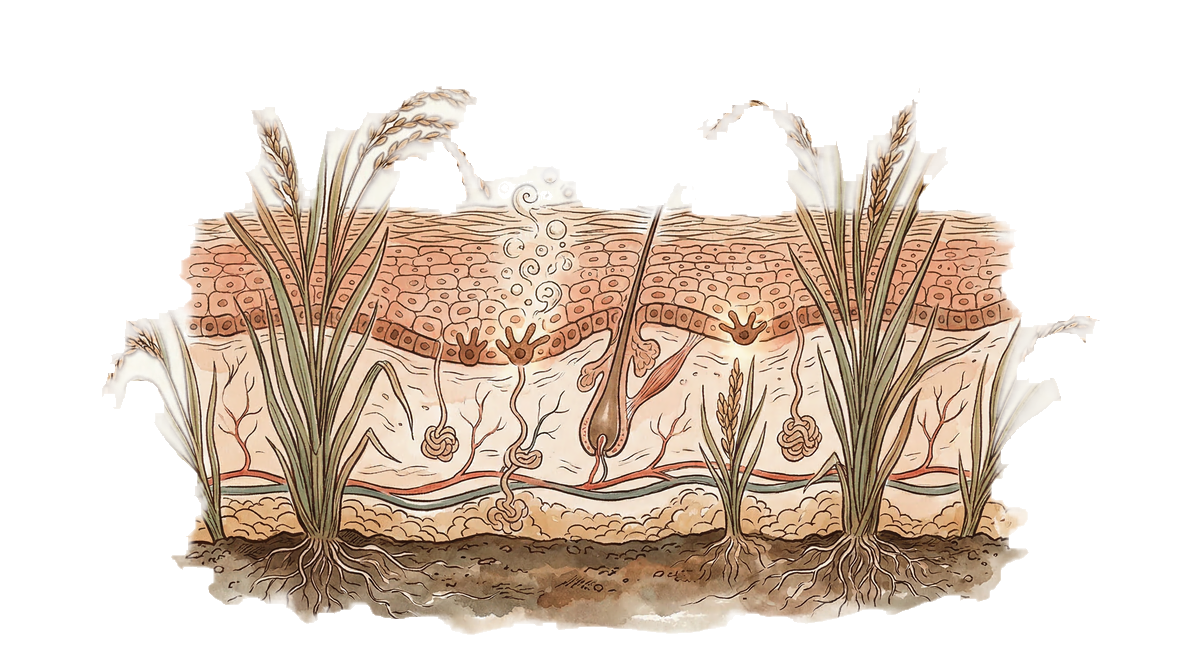
If you've used a K-beauty first essence or a milky toner, you've already had rice extract on your face. Japanese geisha and Korean court women used fermented rice water centuries before anyone studied why it worked, and the science has now caught up to the tradition. Rice bran contains gamma-oryzanol, a ferulic acid ester that inhibits tyrosinase (the enzyme that drives melanin production) and scavenges UV-generated free radicals. Ferment that rice and Aspergillus oryzae adds kojic acid to the mix as a byproduct. Roh et al. (2013) confirmed it: 2% rice bran extract reduced melanin index by 27% after 8 weeks in 40 Korean women. The moisturizing side comes from rice ceramides and phytosterols that integrate directly into your skin's lipid barrier.
The oldest brightening ingredient in Korean skincare is also one of the gentlest. Here's the chemistry behind rice water.
Gamma-oryzanol inhibits tyrosinase to reduce melanin production
The ferulic acid ester in rice bran blocks the enzyme that converts tyrosine to melanin. This is the same pathway targeted by arbutin and vitamin C, but gamma-oryzanol works more gently with less irritation.
Fermentation produces kojic acid as a byproduct
Aspergillus oryzae mold ferments rice starch into sake (or makgeolli). Kojic acid, a tyrosinase inhibitor, is a natural byproduct of this fermentation. Fermented rice water delivers both the original rice actives and the fermentation-derived kojic acid.
Rice ceramides integrate into the skin lipid barrier
Rice bran contains glucosylceramides that are structurally similar to human skin ceramides. They fill gaps in the lamellar lipid structure and reduce transepidermal water loss.
Myth: Washing your face with rice water from the kitchen is the same as using a rice extract product.
Reality: Kitchen rice water contains trace amounts of starch and B vitamins, but almost no gamma-oryzanol (that's concentrated in the bran, which is removed during milling). Fermented rice water has more active compounds than plain rinse water because fermentation produces kojic acid and breaks down starches into smaller molecules. Commercial rice extract products standardize the concentration of active compounds. Rinsing with cooking water is harmless but not a substitute for a formulated product.
Clinical benefits
Melanin reduction and brightening
A double-blind trial of 40 Korean women using 2% rice bran extract for 8 weeks showed a 27% reduction in melanin index measured by Mexameter. The brightening was visible to blinded evaluators by week 4.
Roh et al., 2013, Journal of Cosmetic Dermatology
Antioxidant UV protection
Gamma-oryzanol absorbs UV radiation (peak absorption at 315nm, in the UVB range) and scavenges free radicals generated by UV exposure. In vitro, rice bran extract reduced UV-induced ROS by 60% compared to untreated controls.
Patel & Naik, 2004, Journal of Chromatography A
barrier support and moisturizing
Rice-derived glucosylceramides applied topically for 6 weeks improved stratum corneum hydration by 19% and reduced TEWL by 14% in a 30-subject study. The ceramides are structurally close to human ceramide NP.
Tessema et al., 2017, Lipids in Health and Disease
Anti-inflammatory action
Fermented rice bran extract inhibited COX-2 expression in UV-irradiated keratinocytes by 35%. The phytosterols (beta-sitosterol, stigmasterol) drive this effect through NF-kB pathway suppression.
Islam et al., 2014, BMC Complementary and Alternative Medicine
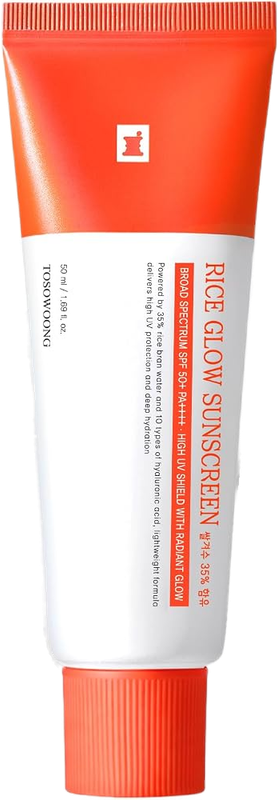
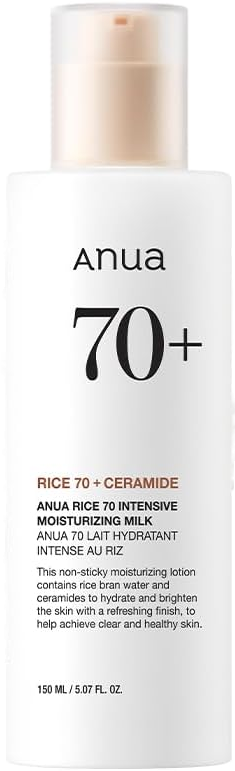
Products with rice extract
Paid links: Koracle may earn from qualifying purchases. Details.
Skin types
Rice extract works for every skin type: it is one of the least irritating brightening ingredients available. If your skin runs oily, you'll appreciate the lightweight texture of rice water toners. Dry skin gets the added benefit of rice ceramides and bran oil rebuilding the barrier. Sensitive skin that cannot tolerate vitamin C or hydroquinone for brightening usually handles rice extract without issue. One caution: rice allergies are rare but real; patch test if you're not sure.
Effective concentrations
Common in toners and first essences. Gradual results over 6-8 weeks.
Serums and concentrated essences. The range used in clinical studies.
Products where rice water IS the base (like SK-II or Sulwhasoo). High concentration but the actives are dilute within the water.
Pairs well with
Niacinamide
Niacinamide blocks melanosome transfer from melanocytes to keratinocytes. Rice extract blocks melanin production at the tyrosinase step. The two target different points in the pigmentation pathway for additive brightening.
Hyaluronic acid
HA pulls water into the epidermis while rice ceramides seal the barrier to keep it there. Layer HA under a rice-based moisturizer for maximum hydration.
Vitamin C
Both inhibit tyrosinase but through different mechanisms. Vitamin C reduces dopaquinone back to DOPA; gamma-oryzanol chelates copper at the active site. Combined, they target melanin synthesis from two angles.
The bottom line
Rice extract is a gentle brightening ingredient that works through tyrosinase inhibition (gamma-oryzanol) and mild exfoliation (kojic acid from fermentation). It is slower than hydroquinone or vitamin C but has minimal irritation risk. The moisturizing properties from rice ceramides and phytosterols make it a two-in-one ingredient for dull, dehydrated skin. The evidence base is moderate: a handful of controlled clinical trials, strong in vitro data, and centuries of observational use.
Common questions
What is the difference between rice water, rice bran extract, and rice bran oil?
Rice water is the starchy liquid left after rinsing or boiling rice. It contains small amounts of B vitamins and minerals but low concentrations of gamma-oryzanol. Rice bran extract comes from the outer husk and is rich in gamma-oryzanol and ferulic acid. Rice bran oil is pressed from the bran and contains ceramides, phytosterols, and tocotrienols. For brightening, rice bran extract is most effective. For moisturizing, rice bran oil.
Does fermented rice water work better than plain rice water?
Yes. Fermentation by Aspergillus oryzae produces kojic acid (a tyrosinase inhibitor) and breaks down starches into smaller sugars that absorb better. Fermented rice water also has a lower pH (around 4-5), closer to skin's natural pH. Plain rice rinse water lacks these fermentation byproducts.
How long does rice extract take to brighten skin?
Clinical studies show measurable melanin reduction by week 4, with peak results at 8 weeks. Rice extract works more slowly than hydroquinone (which shows results in 2-4 weeks) but with less irritation and no risk of ochronosis from long-term use.
Is rice extract safe during pregnancy?
Yes. Rice extract, rice bran oil, and fermented rice water are all considered safe during pregnancy. Unlike retinoids and hydroquinone, there are no contraindications. The kojic acid content in fermented products is too low to raise concerns.
Find products with Rice Extract matched to your skin.