
Yuja (Korean Citron) in Skincare: Vitamin C and Flavonoids from Citrus junos
In this article
Koreans drink yuja-cha (citron tea) all winter. The same fruit (Citrus junos, called yuzu in Japan) has been moving into skincare, and the case for it is real, if modest. Yuja peel packs three times the vitamin C of lemon peel (150mg per 100g vs 50mg), plus hesperidin and naringin, two flavonoids with documented anti-inflammatory and antioxidant activity. What it is not: a vitamin C serum replacement. The actual ascorbic acid in a 5% yuja extract is roughly 0.05-0.1%, nowhere near the 10-15% in a dedicated treatment. If you're buying yuja for the same results as a C serum, you'll be disappointed. If you're buying it for gentle daily brightening and antioxidant maintenance with a scent that makes your morning routine feel like something, that's where it earns its place.
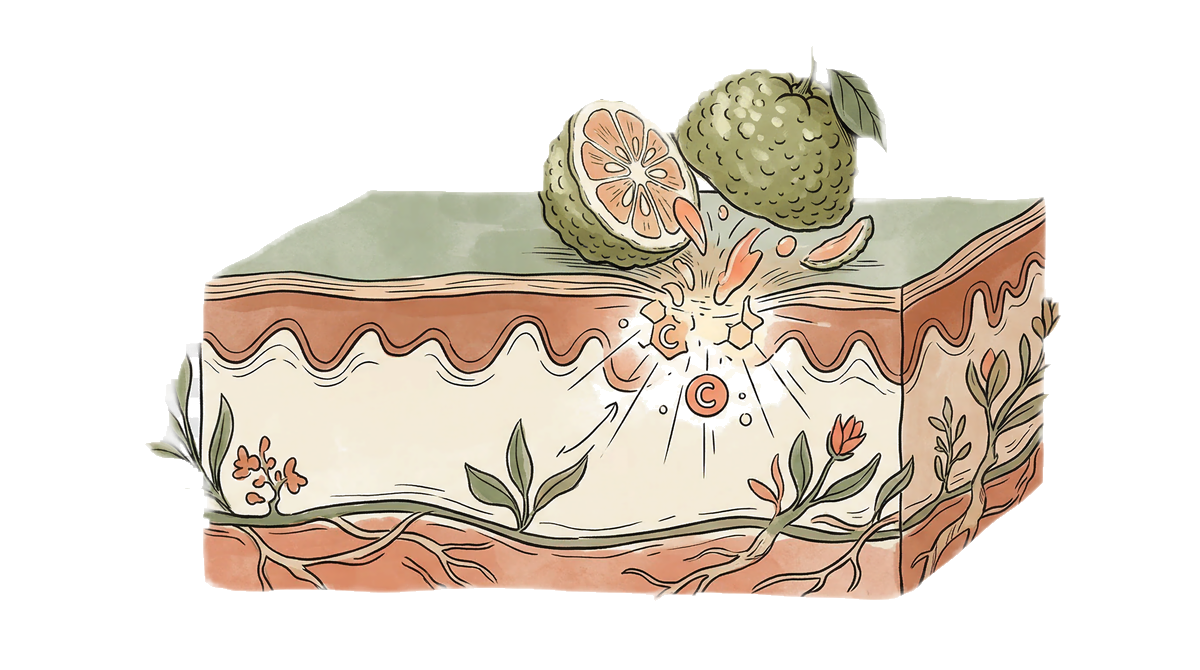
The fruit Koreans drink in winter tea delivers vitamin C to skin at 3x the concentration of lemon.
3x more vitamin C than lemon peel by weight
Yuja peel contains approximately 150mg of ascorbic acid per 100g of fresh weight, compared to 50mg in lemon peel. The seeds and juice contain additional vitamin C at lower concentrations.
Hesperidin provides anti-inflammatory activity beyond antioxidant function
Hesperidin (a flavanone glycoside) suppresses NF-kB activation and reduces TNF-alpha production in inflammatory cell models. This gives yuja anti-inflammatory properties that pure vitamin C does not share.
Mild tyrosinase inhibition for gradual brightening
Yuja extract at 200 micrograms per milliliter reduced melanin synthesis by 23% in B16 melanoma cells. This is a moderate effect, weaker than pure L-ascorbic acid at equivalent concentrations.
Myth: Yuja extract delivers the same brightening results as a vitamin C serum.
Reality: The vitamin C concentration in yuja extract is orders of magnitude lower than in a dedicated 10-15% L-ascorbic acid serum. A 5% yuja extract might contain 0.05-0.1% actual ascorbic acid. The flavonoid components (hesperidin, naringin) contribute additional brightening and antioxidant activity, but the total effect is milder and slower than a proper vitamin C treatment. Yuja is for maintenance brightening, not targeted depigmentation.
Clinical benefits
Antioxidant protection from vitamin C and flavonoids
Yuja peel extract showed 42% DPPH radical scavenging activity at 500 micrograms per milliliter. The antioxidant capacity was distributed between the ascorbic acid fraction (60% of total activity) and the flavonoid fraction (40%), providing broader antioxidant coverage than either compound class alone.
Kim et al., 2013, Food Chemistry
Melanin synthesis reduction
Yuja extract at 200 micrograms per milliliter reduced melanin content by 23% in B16F10 melanoma cells without cytotoxicity. The effect was attributed to tyrosinase inhibition by ascorbic acid and naringin. A 100 microgram dose showed 14% reduction.
Yoon et al., 2015, Journal of the Korean Society of Food Science and Nutrition
Anti-inflammatory activity from hesperidin
Hesperidin isolated from yuja peel inhibited NF-kB nuclear translocation by 61% in TNF-alpha-stimulated HaCaT keratinocytes at 100 micromolar. This translated to reduced IL-6 and IL-8 production, inflammatory markers involved in UV-induced skin damage and redness.
Park et al., 2008, Food and Chemical Toxicology
Skin types
Oily and combination skin do well with yuja: the lightweight water-based format and the mild astringency of its citric acid content are a natural fit. If you're dry, yuja products are fine, but follow up with a moisturizer; the extract doesn't provide occlusion on its own. If your skin is sensitive, patch test first. Citrus extracts can irritate reactive skin, though yuja is gentler than lemon or lime because of its lower furanocoumarin content. Photosensitivity risk is minimal from water-based yuja extracts, but sunscreen during the day is standard advice with any brightening ingredient.
Effective concentrations
Typical in toners and essences. Provides mild antioxidant and brightening activity.
Higher concentrations in yuja-focused serums and creams. Noticeable citrus scent at this range.
Pairs well with
Niacinamide
Yuja provides mild tyrosinase inhibition; niacinamide blocks melanosome transfer. Two different steps in the melanin pathway for additive brightening.
Hyaluronic acid
Yuja is a water-based antioxidant with no hydrating properties of its own. Pairing with hyaluronic acid ensures the skin gets both brightening and hydration in the same routine.
Rice extract
Traditional Korean brightening pairing. Rice provides ferulic acid and kojic acid; yuja adds vitamin C and hesperidin. Complementary antioxidant and melanin-inhibiting profiles.
Avoid combining with
Strong AHAs (glycolic acid 10%+) in the same step
Yuja's citric acid content adds to the total acid load. Layering it directly with high-concentration AHAs can increase irritation risk, particularly for sensitive skin. Use them in separate routines (AM/PM split).
The bottom line
Yuja is a pleasant brightening ingredient with legitimate vitamin C and flavonoid content. It works for mild dullness and provides antioxidant protection. It does not replace dedicated vitamin C serums for hyperpigmentation or photoaging. The hesperidin content adds anti-inflammatory value that pure L-ascorbic acid does not provide. Think of yuja products as gentle daily brightening maintenance, not targeted treatment. The scent is also a genuine plus, with citrus aromatherapy benefits for products you use at the sink.
Common questions
Is yuja extract the same as yuzu extract?
Yes. Yuja is the Korean name; yuzu is the Japanese name. Both refer to Citrus junos. Korean skincare labels typically use 'yuja' while Japanese products use 'yuzu.' The fruit and its extract are identical regardless of the name used.
Can yuja cause photosensitivity like other citrus ingredients?
Citrus oils containing furanocoumarins (bergamot, lime, grapefruit) cause phototoxic reactions. Yuja has very low furanocoumarin content compared to these citrus species, and commercial yuja extracts typically use water-based extraction that excludes the volatile oil fraction where furanocoumarins concentrate. The photosensitivity risk from yuja skincare products is minimal, but wearing sunscreen during the day is standard advice with any brightening ingredient.
Why does yuja appear in Korean skincare but rarely in Western products?
Yuja grows primarily in Korea and Japan and is deeply embedded in Korean food culture (yuja-cha tea, yuja marmalade). Korean cosmetic chemists formulate with locally available botanicals. Western brands have less access to yuja supply chains and less cultural familiarity with the ingredient. Yuzu has started appearing in Western fragrance and body care, but K-beauty remains the primary source for yuja facial skincare.
Find products with Yuja (Citron) matched to your skin.