
Tranexamic Acid for Melasma: What the Research Actually Shows

In this article
You've seen the TikTok claim: tranexamic acid is the melasma ingredient dermatologists don't want you to know about. The bottle on your counter says 3% and promises to fade dark patches in weeks. What the video left out is that most of the melasma research uses the oral form, not the serum.
TL;DR
Topical tranexamic acid does help melasma, but the effect is modest and slow. Oral tranexamic acid has the stronger evidence, and it needs a prescription and medical screening. Your serum is not a shortcut to the oral data.
What tranexamic acid actually does
Tranexamic acid was designed to stop bleeding, not to fade pigment. It's a synthetic lysine analog that blocks plasminogen from converting to plasmin. That's the mechanism doctors use it for during surgery and heavy periods.
The melasma link came later. Plasmin also triggers melanocytes to produce more pigment when your skin is inflamed or UV-exposed. By blocking that signal, tranexamic acid interrupts one of the pathways that keeps melasma coming back (Taraz et al., 2017).
It also calms the vascular component of melasma. The redness and vessel dilation under a melasma patch feed the pigment cells. Tranexamic acid quiets both.
The oral evidence is the strong evidence
Most of the impressive tranexamic acid research used pills, not serum. A 2017 meta-analysis pooling 11 trials of oral tranexamic acid (typically 250 mg twice daily) found an average MASI score reduction of about 36% over 8 to 12 weeks (Bala et al., 2018). MASI is the standard melasma severity index dermatologists use in trials.
That's a real, clinically meaningful drop. It's also why dermatologists in Korea, Japan, and increasingly the US prescribe oral tranexamic acid for stubborn melasma that hasn't responded to topicals.
The catch: oral tranexamic acid has real risks. It's contraindicated for anyone with a history of blood clots, active thrombosis, or elevated clot risk factors. It requires medical screening and a prescription. TikTok cannot do that screening for you.
Never take oral tranexamic acid without a doctor's supervision. The clotting risk is small but real, and it stacks with hormonal contraception, smoking, and certain medical histories.
What topical tranexamic acid actually delivers
Topical formulations work, just less dramatically. A 2019 split-face study compared 5% topical tranexamic acid to 3% hydroquinone (the long-standing gold standard) over 12 weeks. Both reduced melasma. Hydroquinone edged ahead statistically, but tranexamic acid caused significantly less irritation (Kim et al., 2016; Banihashemi et al., 2015).
Other trials of 2-5% topical tranexamic acid report MASI reductions in the 20-30% range after 12 weeks of consistent twice-daily use. That's meaningful, but slower and smaller than the oral data.
Your topical tranexamic acid serum is doing something. It is not doing what the oral pills do.
Why the gap? Skin penetration. Tranexamic acid is a small, water-soluble molecule, but the stratum corneum still limits how much reaches the melanocytes at the dermal-epidermal junction where melasma sits. Oral dosing bypasses that barrier entirely.
How to actually use topical tranexamic acid
Consistency beats concentration. Twice daily, for at least 12 weeks, on skin that's already protected from UV. Without daily broad-spectrum sunscreen, you're refilling the pigment as fast as the serum drains it.
Pair it with ingredients that hit different points in the pigment pathway:
- Niacinamide blocks melanosome transfer from melanocytes to keratinocytes.
- Vitamin C inhibits tyrosinase, the enzyme that starts pigment synthesis.
- Azelaic acid calms inflammation and lightly inhibits tyrosinase.
Tranexamic acid targets the plasmin signal and the vascular component. Layering these means you're interrupting the pigment cascade at three or four steps instead of one.
Not sure which brightening actives your skin can actually tolerate?
Answer 9 questions. Koracle checks fit, conflicts, texture, and evidence.
Build my routine →Barrier support makes the treatment work
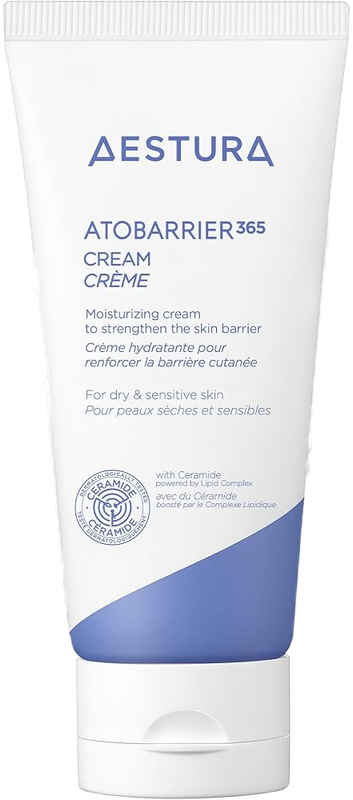
Melasma flares when your barrier is compromised. Every trigger that inflames your skin, whether that's over-exfoliation, UV, heat, or friction, feeds the plasmin signal your tranexamic acid is trying to block. Keeping the barrier calm is not optional.
A basic ceramide cream layered under or over your active reduces flare-driven pigment production and lets you stay on treatment long enough to see the 12-week payoff.
Paid links: Koracle may earn from qualifying purchases. Details.
View on Amazon. Amazon shows final price and availability.
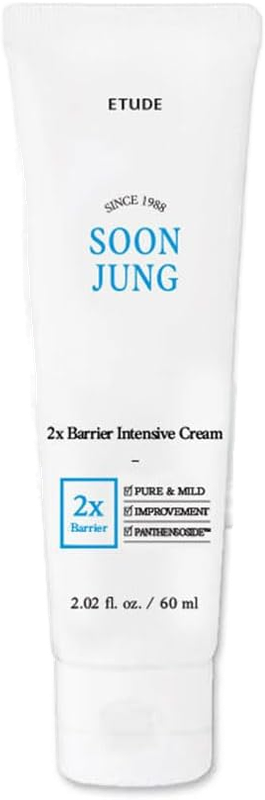
If your skin runs sensitive and the actives sting, a panthenol-heavy formula gives you a buffer without dulling the pigment work.
Paid links: Koracle may earn from qualifying purchases. Details.
View on Amazon. Amazon shows final price and availability.
The bottom line
Topical tranexamic acid is a legitimate melasma ingredient, but the dramatic before-and-afters you see online usually come from oral dosing your serum cannot replicate. Use the topical version consistently for at least 12 weeks, layer it with niacinamide or vitamin C, and wear sunscreen daily. If your melasma is severe or unresponsive, talk to a dermatologist about the oral option. That conversation is the shortcut, not the serum.
Common Questions
Is topical tranexamic acid as effective as oral for melasma?↓
No. Oral tranexamic acid has stronger clinical evidence, with a meta-analysis showing about a 36% reduction in MASI scores. Topical formulations help but work slower and produce smaller changes.
How long until I see results from topical tranexamic acid?↓
Most trials report visible fading between 8 and 12 weeks of twice-daily use. Melasma is stubborn, and consistency matters more than concentration.
Can I use tranexamic acid with niacinamide or vitamin C?↓
Yes. Tranexamic acid targets the vascular and inflammatory side of pigmentation, while niacinamide blocks melanosome transfer and vitamin C inhibits tyrosinase. They hit different steps.
Is oral tranexamic acid safe to take for melasma?↓
Only under a doctor's supervision. It carries a clotting risk and is contraindicated for people with a history of thrombosis, smokers over 35, or those on hormonal contraception. Never self-prescribe.
Turn what you learned into a routine that fits your skin.
Answer a few questions and Koracle will check formula fit, budget, tolerance, and routine order.
Build my formula-checked routine