
Soonjung vs Purito: Comparing Korean Barrier Creams Side-by-Side
In this article
Your feed probably told you Soonjung and Purito are interchangeable. Both get called "the gentle barrier cream," both show up in sensitive-skin routines, and both have the same vague marketing language about calming and soothing. So people grab whichever one is on sale.
The formulas aren't doing the same thing. One is built around panthenol for structural barrier rebuild. The other is built around centella derivatives for inflammation control. Depending on what your skin is actually doing right now, one will work noticeably better than the other.
TL;DR
Soonjung is panthenol-first and best for a dry, tight, barrier-compromised skin that needs rebuilding. Purito's Dermide line is centella-first and best for actively inflamed, red, reactive skin that needs calming before it can heal.
What each cream is actually built around
The hero ingredients tell you the mechanism. Marketing copy for both brands uses the same soft words (calming, soothing, barrier), but the INCI lists go in different directions.
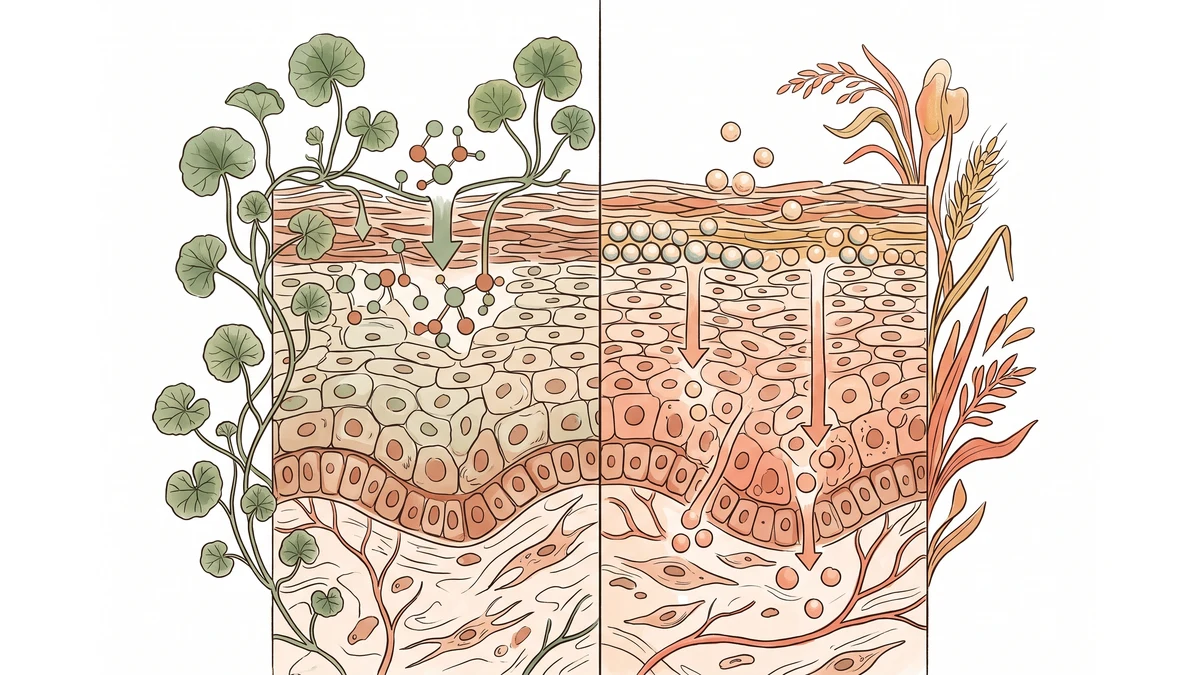
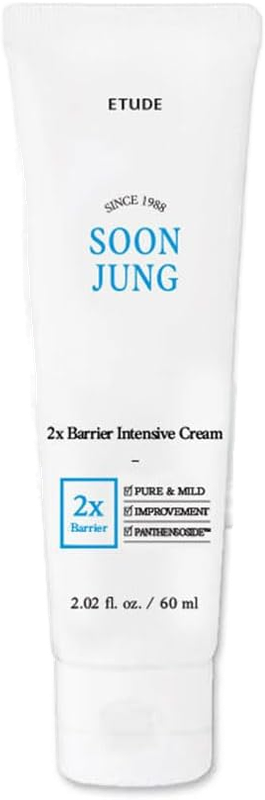
Etude Soonjung 2x Barrier Intensive Cream leads with panthenol (provitamin B5) at a concentration high enough to appear in the top half of the list. Panthenol converts to pantothenic acid in the skin, which is a precursor to coenzyme A, a cofactor your keratinocytes use to synthesize lipids. In plain English: panthenol gives your skin the raw material to rebuild its own barrier.
Purito's Dermide Cica Barrier line leads with centella asiatica extracts, specifically madecassoside and asiaticoside. These are triterpenes that suppress inflammatory cytokines (TNF-α, IL-1β) and reduce the signaling that keeps skin red and reactive. They don't rebuild the barrier directly. They quiet the inflammation that's preventing the barrier from rebuilding on its own.
How the mechanisms differ in practice
Panthenol works on the stratum corneum's lipid architecture. A study by Ebner et al. (2002) found that 5% panthenol significantly reduced transepidermal water loss and improved stratum corneum hydration in compromised skin within 2 to 4 weeks. The mechanism is physical: more lipids, better organization, less water escaping.
Centella works on the inflammatory cascade. Research on madecassoside (Bylka et al., 2013) shows it suppresses the NF-κB signaling pathway, which is the switch that turns on inflammatory gene expression. When your skin is red and reactive, that pathway is stuck in the "on" position. Madecassoside turns it down.
A 2008 RCT on 1% centella extract found a 58% reduction in erythema in sensitive skin after 4 weeks (Jung et al., 2008). Panthenol trials show stronger hydration numbers but smaller erythema reduction. The two actives aren't competing; they're solving different problems.
Both creams calm your skin. Only one of them rebuilds it.
Which signal your skin is sending
Pick based on what your skin is doing right now, not what you want it to do long-term. Here's the honest sorting rule:
If your skin is tight, flaky, dry, or stinging after cleanser, that's barrier compromise. The lipid matrix is leaking water. You want panthenol. Soonjung is the right call.
Paid links: Koracle may earn from qualifying purchases. Details.
View on Amazon. Amazon shows final price and availability.
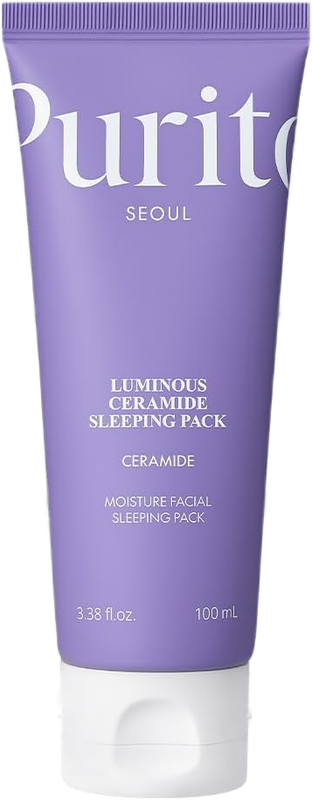
If your skin is red, hot, reactive, or breaking out from everything, that's active inflammation. The barrier damage is downstream of the inflammation, not the main problem. You want centella derivatives. Purito's sleeping pack is one option; a cica-forward cream is another.
Paid links: Koracle may earn from qualifying purchases. Details.
View on Amazon. Amazon shows final price and availability.
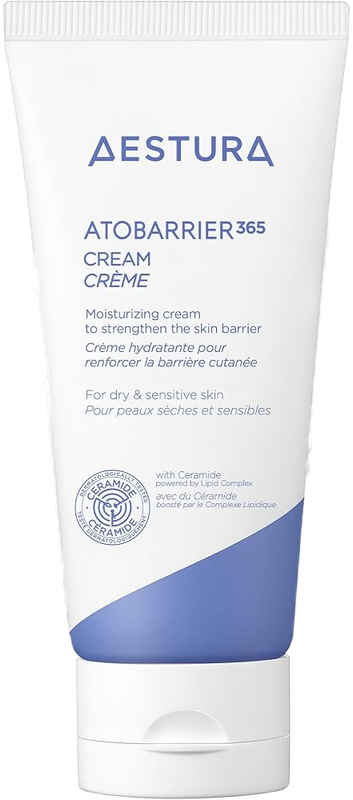
If both signals are showing up (which is common after a chemical peel, retinoid flare, or seasonal transition), a formula that combines both actives, or a ceramide-forward cream, often outperforms either single-mechanism option.
Paid links: Koracle may earn from qualifying purchases. Details.
View on Amazon. Amazon shows final price and availability.
Side-by-side on the attributes that matter
Not sure if your skin needs a repair cream or a calming one?
Answer 9 questions. Koracle checks fit, conflicts, texture, and evidence.
Build my routine →Where both creams get oversold
Neither one is a magic reset button. If you're using an irritating active (high-strength retinoid, daily AHA, benzoyl peroxide) and your barrier is wrecked, no finishing moisturizer will fix it while the irritant stays in the routine. Soonjung and Purito both work best when they're part of a simplified routine, not a rescue on top of an aggressive one.
The other oversold claim is "sensitive-skin safe for everyone." Soonjung's track record for reactive skin is longer and better documented because of its fragrance-free, allergen-free formulation. Purito's Dermide line is well-tolerated by most, but fragrance status varies across their products. Check the specific SKU.
The bottom line
Soonjung if your skin is dry, tight, and barrier-compromised. Purito's Dermide line if your skin is red, reactive, and inflamed. If you can't tell which signal your skin is sending, start with Soonjung for two weeks and reassess. Panthenol rarely makes things worse, and the hydration data gives you a cleaner read on whether inflammation is the real problem underneath.
Common Questions
Can I use Soonjung and Purito together in the same routine?↓
Yes, but it's redundant. Both are finishing moisturizers meant to seal in a routine. Layering two barrier creams doesn't double the repair; it just adds slip. Pick one based on your skin's current signal.
Which is better for cystic acne breakouts with a damaged barrier?↓
Purito's Dermide line, because madecassoside has stronger anti-inflammatory data for actively red, broken-out skin. Soonjung is better once the inflammation has calmed and you're rebuilding.
Are these safe for fragrance-sensitive skin?↓
Soonjung is formulated fragrance-free and allergen-free, which is why it has the longer track record with reactive skin. Check Purito's specific SKU, since fragrance status varies across their barrier line.
How long before I see barrier improvement?↓
Panthenol-based repair (Soonjung) shows visible redness and TEWL improvement in about 2 to 4 weeks. Centella-based repair (Purito) tends to show inflammation calming within days but takes similar time for full barrier rebuild.
Turn what you learned into a routine that fits your skin.
Answer a few questions and Koracle will check formula fit, budget, tolerance, and routine order.
Build my formula-checked routine