
Panthenol + Niacinamide: A Barrier-Repair Pairing That Actually Works
In this article
Your moisturizer says "barrier repair" on the front. Flip it over, and the two ingredients doing most of that work are usually buried in the middle of the list: panthenol and niacinamide.
You've probably been told to pair niacinamide with something flashier. Retinol. Vitamin C. Peptides. The quieter pairing, the one that actually earns the "barrier repair" claim on the bottle, almost never gets a TikTok edit.
TL;DR
Panthenol and niacinamide hit barrier repair from two angles: panthenol pulls water in and calms irritation, niacinamide tells your skin to make more ceramides. They layer cleanly, work at any pH, and show results in weeks.
What the "barrier repair" label usually leaves out
Most products marketed for barrier repair are really just occlusives. Petrolatum, shea butter, squalane. These seal water in. They do not teach your skin to hold water on its own.
A real repair ingredient has to do one of two things: feed the barrier the raw materials it needs, or trigger your skin to make more of them. Panthenol does the first. Niacinamide does the second. That's why they end up in the same formulas so often, even when the marketing points at something else.
How panthenol actually works
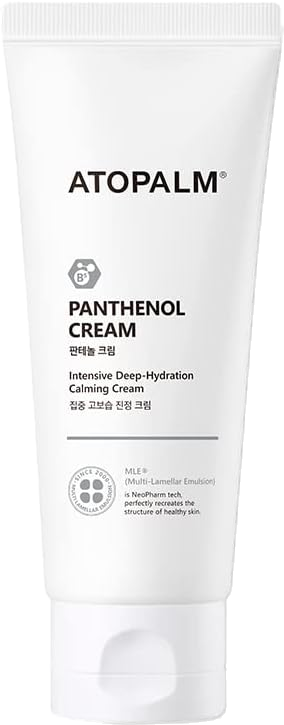
Panthenol is provitamin B5, and your skin converts it to pantothenic acid once it absorbs. From there, it does two things that matter.
First, it's a humectant. It pulls water into the stratum corneum and holds it there, which is why panthenol-heavy formulas feel plush instead of sticky. Second, it reduces inflammation. A review by Ebner et al. (2002) found topical panthenol at 2–5% improved stratum corneum hydration and reduced transepidermal water loss within days, with visible calming of irritated skin over 2–4 weeks.
The reason it shows up in tattoo aftercare, post-laser creams, and eczema products is the same reason it belongs in your barrier routine: it works on skin that's already angry.
Paid links: Koracle may earn from qualifying purchases. Details.
View on Amazon. Amazon shows final price and availability.
How niacinamide earns its spot
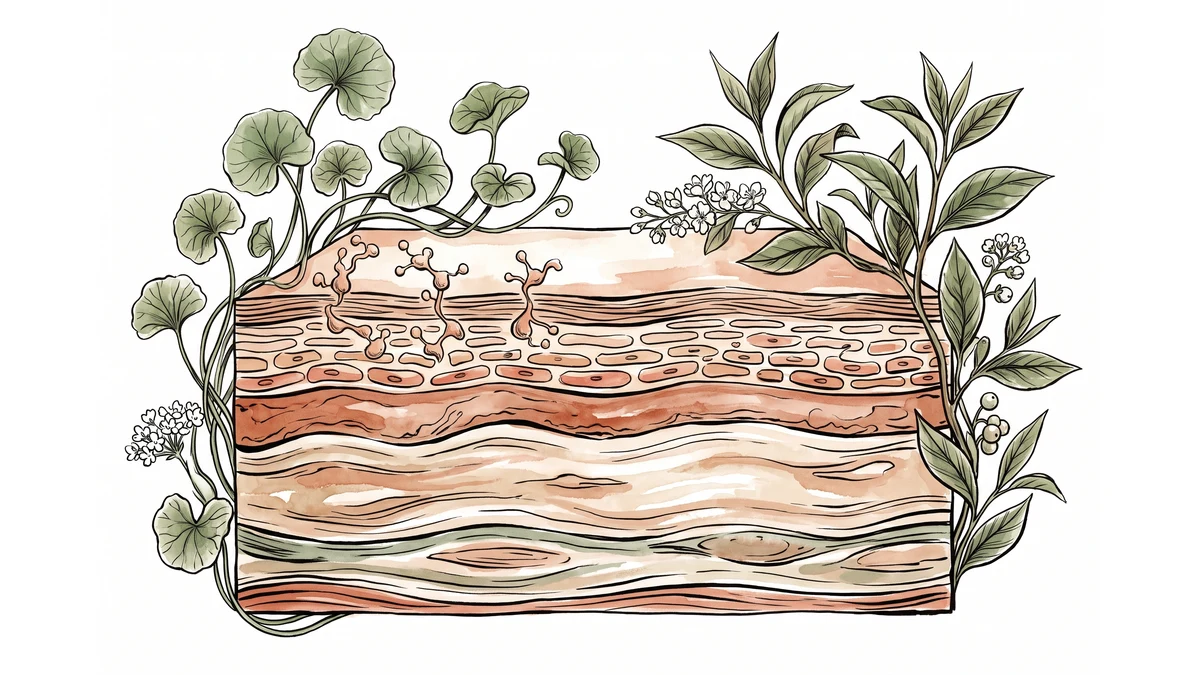
Niacinamide does the structural work panthenol can't. Your skin cells convert it into NAD+ and NADP+, two coenzymes your keratinocytes need to make ceramides, cholesterol, and free fatty acids. These are the three lipids that fill the space between your skin cells and keep water from escaping.
A study by Tanno et al. (2000) found topical 2% niacinamide increased ceramide synthesis in the stratum corneum and reduced transepidermal water loss over 4 weeks. The barrier does more than hold water better. It rebuilds the structure that holds water in the first place.
That's the division of labor. Panthenol handles the acute problem (dehydration, irritation). Niacinamide handles the chronic one (a barrier that doesn't make enough of its own lipids).
Why they layer without fighting
Both ingredients are water-soluble, pH-flexible, and chemically inert toward each other. There's no oxidation issue the way vitamin C has with copper peptides. No pH conflict the way AHAs have with retinol. You can apply them in either order, in the same routine, or get them from a single formula.
The one practical note: if you're using 10% niacinamide and your skin flushes, that's usually a sign of too much too fast, not a reaction to the pairing. Drop to 2–5% niacinamide for two weeks while leaning on panthenol, then step back up.
Not sure if your barrier needs repair or just hydration?
Answer 9 questions. Koracle checks fit, conflicts, texture, and evidence.
Build my routine →How to use the pairing
You have two reasonable paths. Pick one.
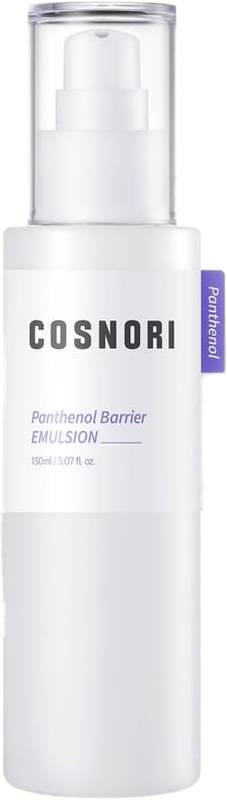
Path one: separate steps. A panthenol-forward essence or emulsion after cleansing, then a niacinamide serum, then a moisturizer. This gives you the most control over the concentration of each.
Paid links: Koracle may earn from qualifying purchases. Details.
View on Amazon. Amazon shows final price and availability.
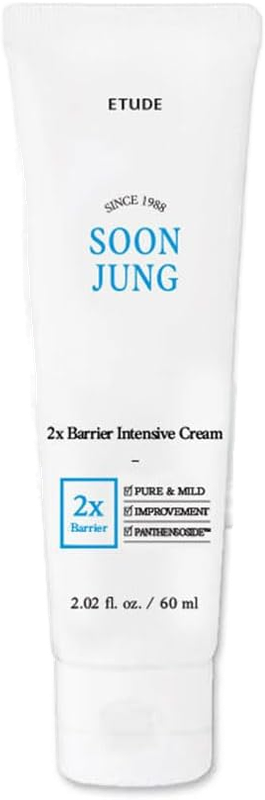
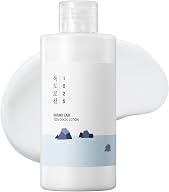
Path two: one product doing both. Most of the better barrier creams on the market already combine panthenol with 2–5% niacinamide alongside ceramides or centella. You lose some flexibility, you save a step.
Paid links: Koracle may earn from qualifying purchases. Details.
View on Amazon. Amazon shows final price and availability.
Paid links: Koracle may earn from qualifying purchases. Details.
View on Amazon. Amazon shows final price and availability.
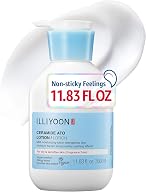
If your barrier is badly damaged (visible flaking, stinging from water, chronic redness), add a ceramide-rich cream on top. Panthenol and niacinamide repair from inside the skin. Ceramides seal from the outside. All three together is faster than any two of them.
Paid links: Koracle may earn from qualifying purchases. Details.
View on Amazon. Amazon shows final price and availability.
The bottom line
Panthenol handles the symptom. Niacinamide handles the cause. Together they rebuild the barrier faster than either one alone, and they do it without the pH games or oxidation worries that make most ingredient pairings annoying.
If you've been chasing "barrier repair" through heavier and heavier creams, this is the pairing worth putting at the front of your routine instead.
Common Questions
Can I use panthenol and niacinamide at the same time?↓
Yes. They're both water-soluble, pH-flexible, and non-reactive with each other. You can layer them in the same routine or get them from a single product.
Is 10% niacinamide too much when my barrier is damaged?↓
For most people, 10% is fine. If your skin is actively stinging or flaking, drop to 2–5% niacinamide and lead with panthenol until the barrier settles. Flushing from niacinamide is usually a sign of too much, too fast, not an allergy.
How long until I see barrier improvement from this pairing?↓
Transepidermal water loss drops within days. Visible calming of redness and flaking takes 2–4 weeks of consistent use. Full ceramide rebuilding takes closer to 8–12 weeks.
Do I still need a ceramide cream if I'm using panthenol and niacinamide?↓
A ceramide-rich moisturizer on top helps, especially in winter or if your barrier is badly damaged. Panthenol and niacinamide repair from inside the skin, while ceramides seal from the outside.
Turn what you learned into a routine that fits your skin.
Answer a few questions and Koracle will check formula fit, budget, tolerance, and routine order.
Build my formula-checked routine