
Does Adenosine Really Plump Skin or Just Feel Hydrating?

In this article
Your cream says "instantly plumps and smooths." You pat it in, and your skin does feel plumper. So adenosine works, right?
Not quite. That immediate plump is doing something real, but adenosine is probably not the ingredient doing it.
TL;DR
Adenosine has real anti-wrinkle evidence at 0.1%, but the mechanism is slow fibroblast signaling, not instant plumping. What you feel on day one is the humectants in the formula. What you see at week 12 is the adenosine.
What the claim leaves out
The word "plumping" is doing a lot of work on Korean skincare labels. It suggests something visible and immediate, which is what humectants deliver. Adenosine does not.
Adenosine is one of the few anti-wrinkle ingredients approved by Korea's MFDS as a functional cosmetic, at concentrations between 0.04% and 0.1%. That approval is based on clinical data for wrinkle depth reduction, not for hydration or immediate plumping.
So when a product markets adenosine as "plumping," it's borrowing credibility from a slow structural effect and applying it to a fast surface effect. Two different things.
How adenosine actually works
Adenosine is a nucleoside that binds to A2A and A2B receptors on dermal fibroblasts. In plain English: it's a signaling molecule that tells the cells in your dermis to make more collagen and elastin.
This is a fibroblast pathway, similar in category to how peptides work but through different receptors. The effect is not on the surface of your skin. It's several layers down, and it takes weeks to show up.
A 2015 study by Abella on 0.1% adenosine cream applied twice daily for 12 weeks found statistically significant reduction in periorbital and forehead wrinkle depth versus placebo. A separate 2007 Korean clinical trial (Kim et al.) on 0.1% adenosine found similar results at 8 weeks.
Notice what these trials did not measure: same-day plumping, skin hydration, or barrier repair. The evidence is specific. Wrinkle depth, over months, at a specific concentration.
Where the "plump" feeling comes from
Read the ingredient list of any adenosine cream that feels plumping. You'll almost always find glycerin, hyaluronic acid, panthenol, or butylene glycol high in the list.
These humectants pull water into the top layers of your skin. The result is immediate volume and smoothness that fades within hours. That's the sensation your fingertips are picking up.
The plump you feel on day one is glycerin. The wrinkle change you see at week 12 is adenosine.
This isn't a criticism of the formula. Combining a slow structural active with fast humectants is a smart formulation choice. The problem is when marketing collapses both effects into a single word, so you attribute the wrong result to the wrong ingredient.
Not sure which anti-aging active fits your skin?
Answer 9 questions. Koracle checks fit, conflicts, texture, and evidence.
Build my routine →What to look for on the label
Concentration matters more than presence. Korean products that meet the MFDS functional cosmetic standard for adenosine will list it near the top of the ingredient list or explicitly claim the concentration on the packaging.
If adenosine appears near the bottom of a long INCI list, it's likely below 0.04% and there for marketing rather than measurable effect. That doesn't make the product bad, but you shouldn't expect the clinical results at that dose.
Paid links: Koracle may earn from qualifying purchases. Details.
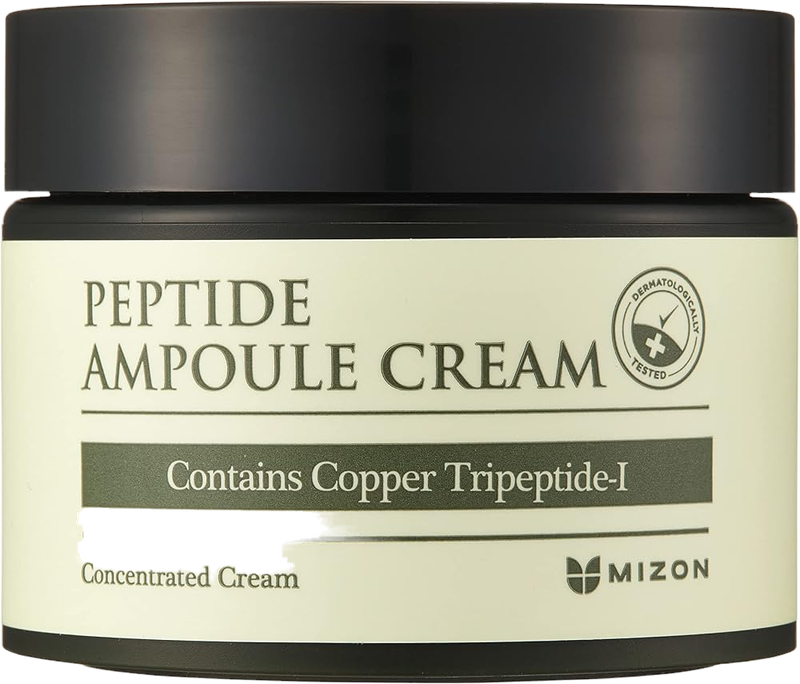
View on Amazon. Amazon shows final price and availability.
For a fibroblast-signaling anti-aging cream, the Mizon peptide formula gives you a well-studied pathway at a reasonable price. Peptides work through a different receptor family than adenosine, but the category of effect (slow, structural, requires consistency) is the same.
Paid links: Koracle may earn from qualifying purchases. Details.
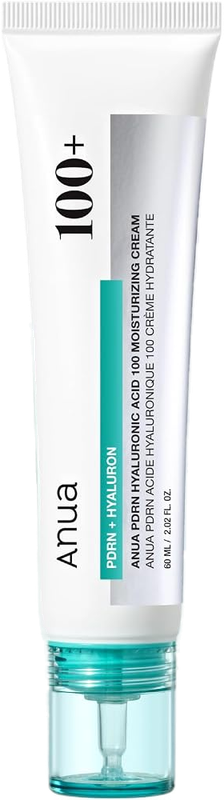
View on Amazon. Amazon shows final price and availability.
If you want to combine humectant-driven immediate feel with a slower structural active, PDRN-based formulas layer both effects the same way many adenosine creams do, but with a stronger evidence base for the structural component.
Timeline expectations
Two weeks: nothing visible. Your skin may feel more comfortable from the supporting humectants, but adenosine hasn't done anything measurable yet.
Six weeks: subtle change around dynamic wrinkle areas. Crow's feet and forehead lines are the most likely to show improvement first, because they're the areas studied.
Twelve weeks: matches the study endpoint. This is when the clinical data shows statistically significant wrinkle depth reduction. Not dramatic. Measurable.
If you stop at four weeks because you don't see plumping, you're confusing the two mechanisms. The fast one was never adenosine's job.
The bottom line
Adenosine is a real anti-wrinkle active with solid evidence at 0.1% over 8 to 12 weeks. It is not a plumper, and if you feel instant plumping from a cream, that's the humectants doing their job. Use adenosine for the slow, measurable change it's actually good at, and let the glycerin and hyaluronic acid handle the surface feel.
Common Questions
Does adenosine actually reduce wrinkles?↓
Yes, but only at concentrations around 0.1% and with 8-12 weeks of consistent use. Clinical trials by Abella (2015) and Kim et al. (2007) found measurable reduction in wrinkle depth around the eyes and forehead, not the full-face plumping that marketing suggests.
Is the plumping effect I feel from adenosine real?↓
The immediate 'plump' you feel is almost always from humectants like glycerin and hyaluronic acid in the same formula. Adenosine works slowly through fibroblast signaling, not instant surface hydration.
Can I use adenosine with retinol or vitamin C?↓
Yes. Adenosine is one of the most stable and non-reactive anti-aging actives. It pairs well with retinol, niacinamide, and peptides without irritation concerns.
Turn what you learned into a routine that fits your skin.
Answer a few questions and Koracle will check formula fit, budget, tolerance, and routine order.
Build my formula-checked routine